





























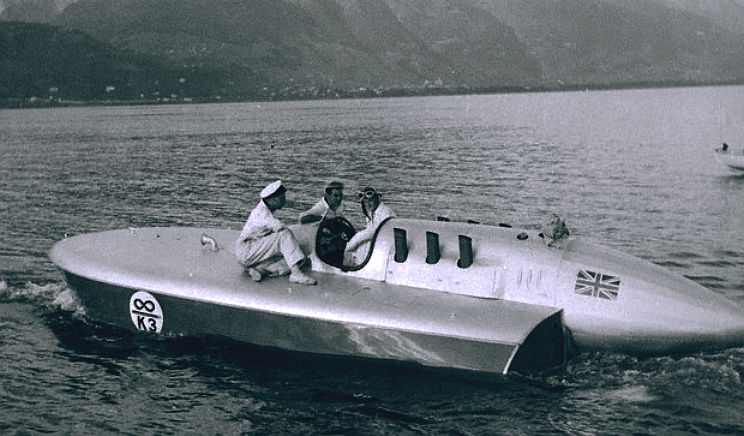

Did you know that 2 world record-breaking speedboats – Miss England II and Bluebird K3 – were built by Saunders Roe in East Cowes?
Both were designed by legendary naval architect Fred Cooper, who was born in Newport. Cooper also designed 2 further record-breaking speedboats – Miss England I and Bluebird K4 – but both were built on the mainland.
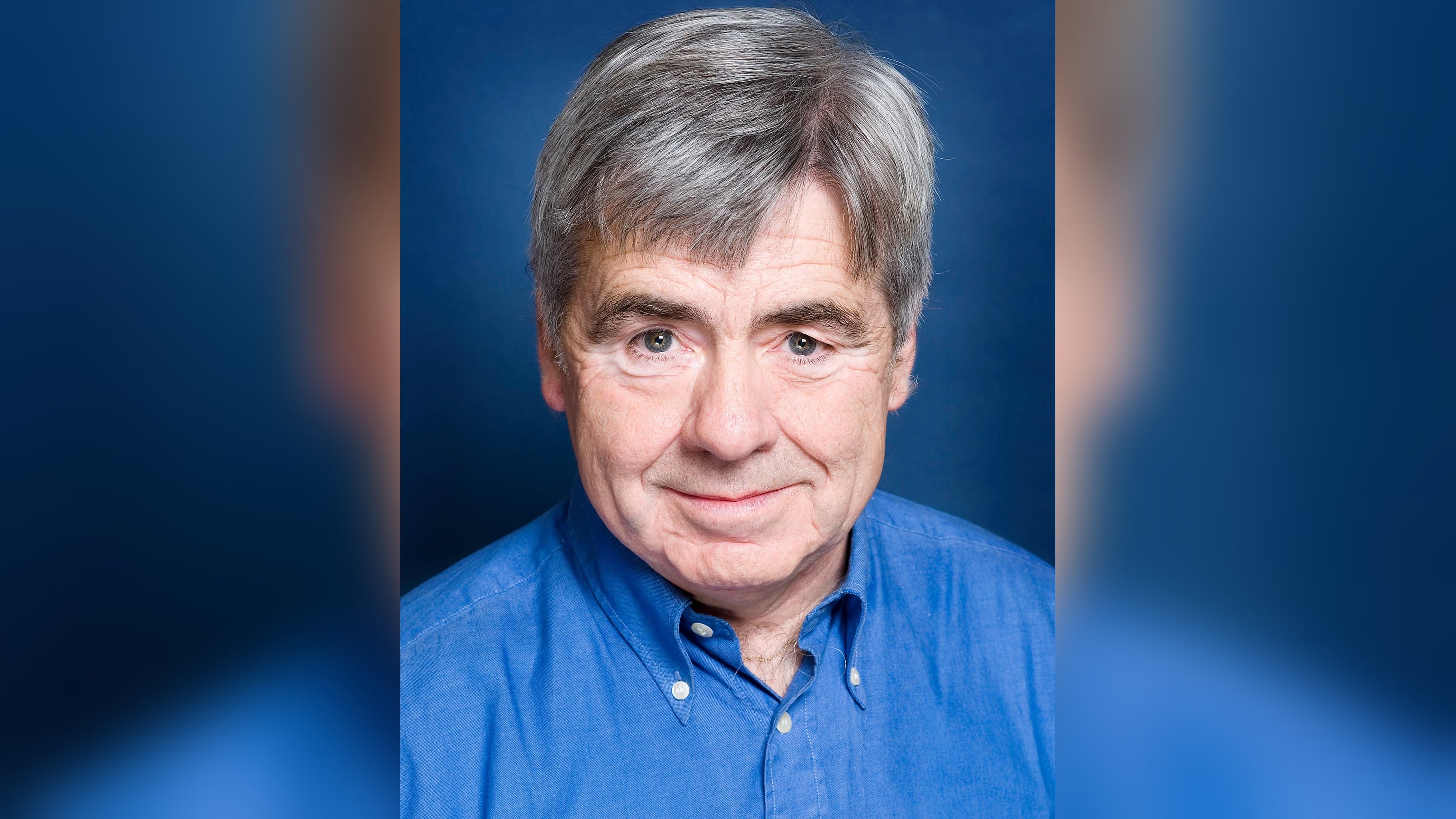
Fred Cooper was a talented designer, who has never been given the recognition that he deserved. Despite his many achievements, there is no photograph of him online and no Wikipedia entry to his name. He was born in 1898, the son of a monumental mason. His 2 brothers entered his father’s business, whereas he entered a completely different line of trade, training to become a naval architect.


Fred first worked for Hubert Scott-Paine, who founded the British powerboat company in Hythe and the Supermarine Aviation Company, which went on to produce the Spitfire fighter plane.
In the early 1920s, Fred became chief draughtsman for S E Saunders at the Cornubia Boatyard in East Cowes. Whilst there, he was responsible for the design of the powerboat Newg for millionaire heiress Marion ‘Joe’ Carstairs – at the time dubbed ‘the fastest woman on water’.
However, Fred Cooper preferred his independence to build his own designs, becoming a self-employed naval architect. In 1928, he designed Miss England,# in an attempt to take the prestigious Harmsworth speedboat racing trophy from the Americans. Although this speedboat was outclassed by its American competitors in racing, it set the record for a single-engined boat of 91 mph.
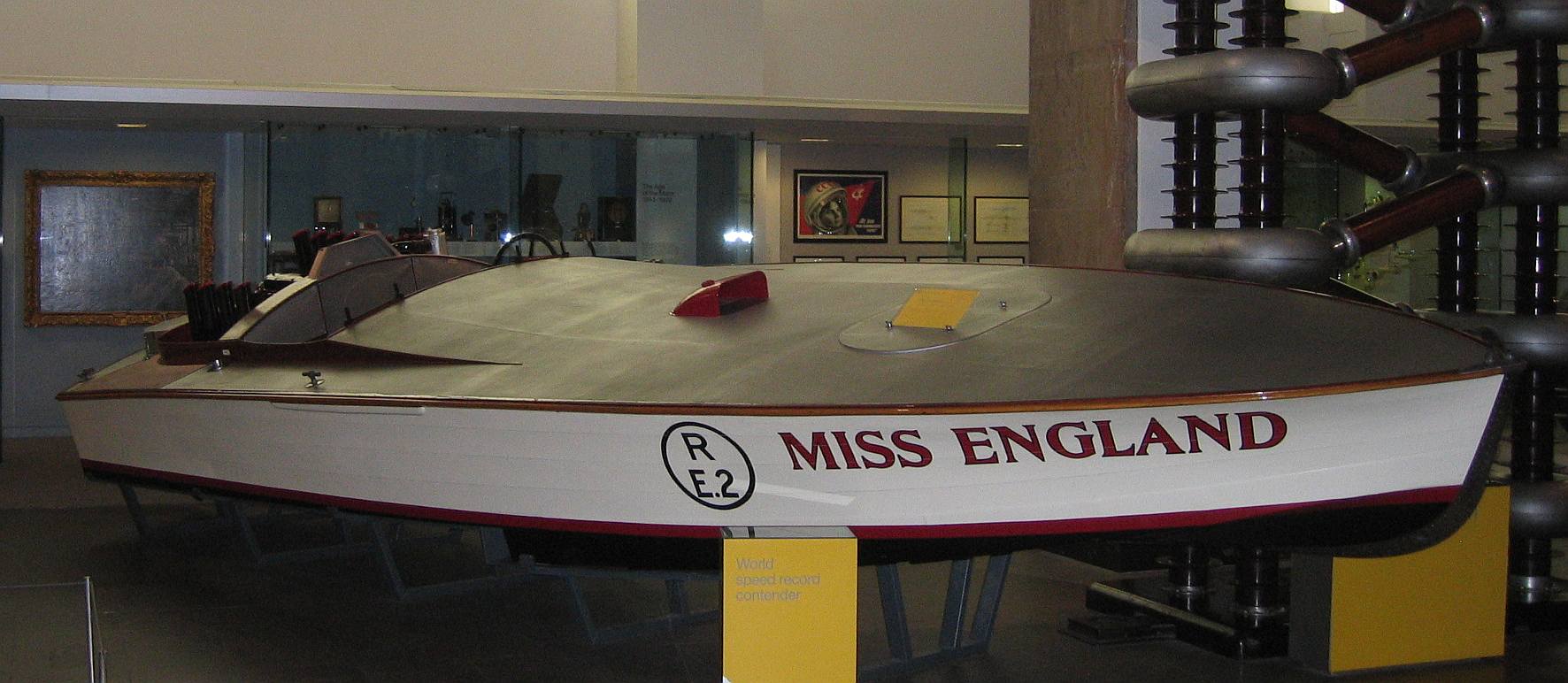
Cooper then went on to design Miss England II, built by Saunders-Roe in East Cowes. This was driven by Sir Henry Segrave to a new world record of 98.76 mph over 2 runs on Lake Windermere in Cumbria on 13th June 1930.

However, tragedy struck on the 3rd run when the boat hit a floating branch and capsized at speed. Chief engineer Victor Halliwell was killed. Mechanic Michael ‘Jack’ Willcocks survived with a broken arm. Segrave was rescued unconscious as the boat sank, then regained consciousness for a moment and asked about the fate of his crew. Shortly after being told that he had broken the record, he died from lung injuries.
Following Segrave’s death, Miss England II was salvaged and repaired. Kaye Don was chosen as the driver for further record attempts. In 1931, Don tested the boat on Lough Neagh, near Belfast, Northern Ireland, where it established the official record at over 100mph. A month later, on Lake Garda, Italy, Don raised it to 110mph and then raised it again, by a further 1mph the following year.
Although Fred Cooper was said to have been badly affected by the death of Segrave and lost much of his enthusiasm for further high-speed boat designs, he was commissioned to create further record-breaking seacraft for the legendary Sir Malcolm Campbell.
In 1935, Sir Malcolm had broken the 300mph land speed record with Blue Bird. He then switched his attention to the water speed record – at that time dominated by the American, Gar Wood.
Fred was commissioned to design a small hydroplane powered by the same Rolls Royce R engine used in Blue Bird. The contract for the construction of Blue Bird K3 was awarded to Saunders Roe in East Cowes, where a further famous Isle of Wight engineer – Fred Goatley – was responsible for its construction.
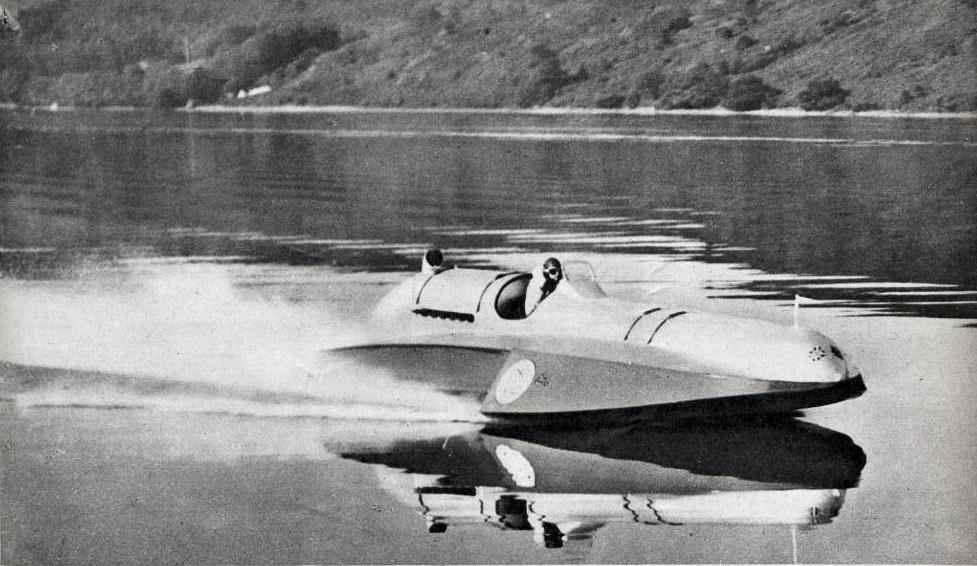
On 1st September 1937, on Lake Maggiore near Locarno, in Switzerland, Blue Bird K3 set a new world record of 126.32mph. The following day it improved the record to 129.5mph. Breaking the design speed of 130mph took another year. On 17th August 1938, at Lake Hallwyl in Switzerland, a new record of 130.91 mph was set.
In its day, Blue Bird K3 was said to have been “the most advanced type of its craft in the world’.
Malcolm Campbell was not fully satisfied, and a further hydroplane – Blue Bird K4 – was commissioned. On 19th August 1939, K4 broke the water speed record with a time of 141.7mph. Fred Cooper was responsible for its initial design.
Fred Cooper died in January 1972 at the age of 73. He is buried at Carisbrooke Cemetery.







Good job he didn’t use the same people who built the floating bridge
Local stories like this are fascinating.
Thank you IE.
More please.
Another Engineer that should be mentioned is John Ackroyd, he should have been on the honours list when you see some of the people that have had awards.