
































In the 4th and last of our series on Historic Isle of Wight Buildings (for now), we examine the Gothic residence of Fernhill that once dominated the skyline of the village of Wootton.
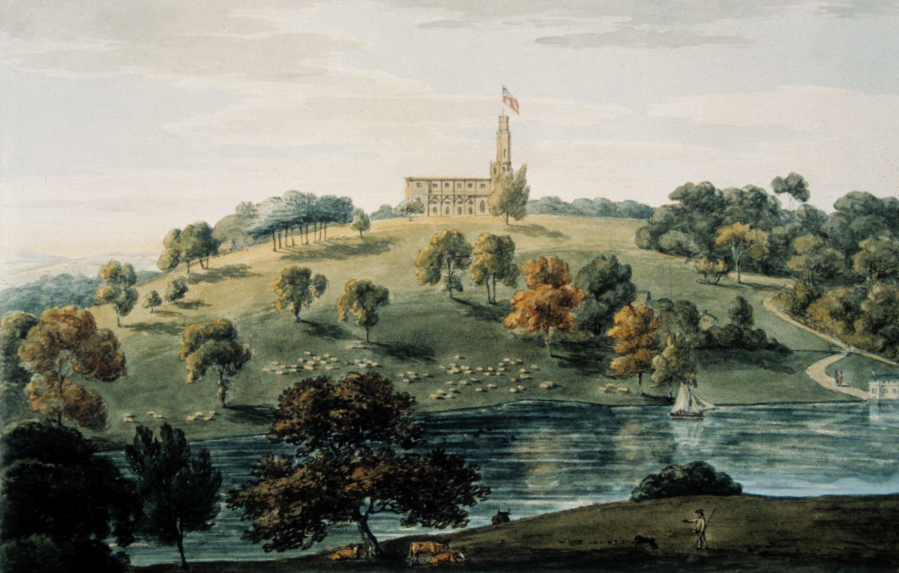
Fernhill was once a favourite subject for artists and engravers of the early 19th century, on account of its prominent position above Wootton Creek. At that time, its grounds were acknowledged to have been among the finest on the Isle of Wight.
The height of Fernhill’s Tower was such that it offered outstanding views of the surrounding countryside and the Solent – it could be seen clearly from the naval city of Portsmouth.


The following description of Fernhill was made in 1830:
“The house is spacious; its style of building light and extremely picturesque, resembling a modern Gothic church in its general outline, and adorned with a lofty prospect tower.
“It stands at the edge of a steeply sloping lawn, which is interspersed with trees; on the north screened by thriving plantations, and on the east terminated by Fishbourne Creek or the Wootton River which forms at high tide an ample sheet of water.”
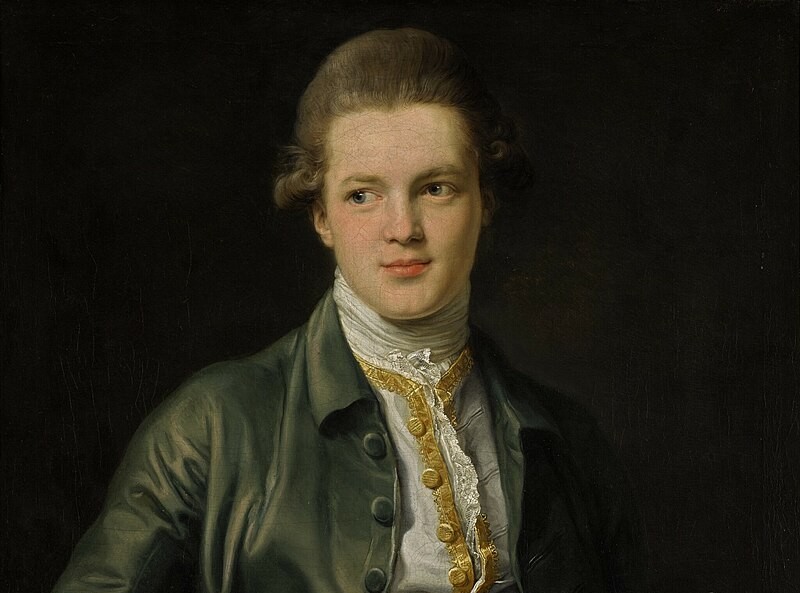
Fernhill was built at the behest of the politician Thomas Orde Powlett, 1st Baron Bolton, who was then Governor and Vice-Admiral of the Isle of Wight. Among the famous to have visited Fernhill was the composer Haydn, during the celebrations to mark Lord Howe’s victory over the French fleet in 1794.

In 1804, Fernhill was purchased by wealthy landowner Samuel Shute, who sadly died a mere 2 years after taking residence, with the property passing to his widow Ann.
The next occupant of Fernhill was John Hambrough – famous for having constructed Steephill Castle and St Catherine’s Church in Ventnor – who acquired the property in 1814.
Fernhill then passed to the Sanders family in 1819, then to the Galt family in 1862.
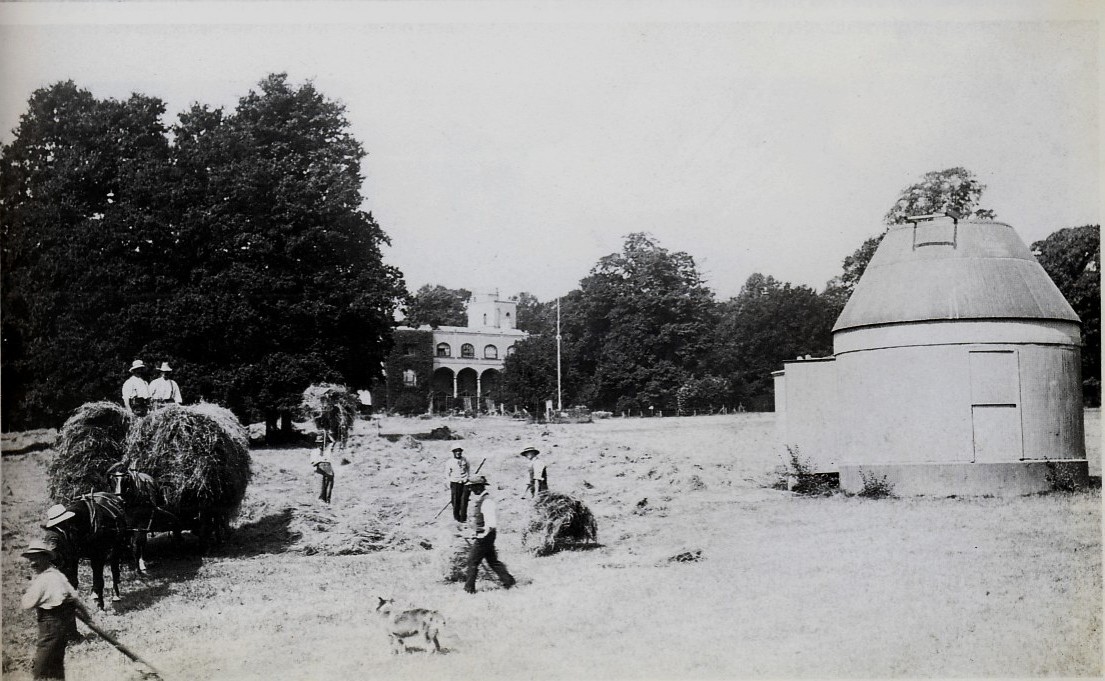
In 1882, Fernhill was purchased by engineer and keen astronomer Frederick Brodie, who had part of the tower dismantled on safety grounds and erected an observatory in its grounds.
That year, Frederick Brodie was one of only a handful of people in England to have witnessed the transit of Venus, using a refractor telescope. Transits of Venus are among the rarest of predictable astronomical phenomena. They occur in a pattern that generally repeats every 243 years, with pairs of transits 8 years apart. The next transits will be in the years 2117 and 2125.
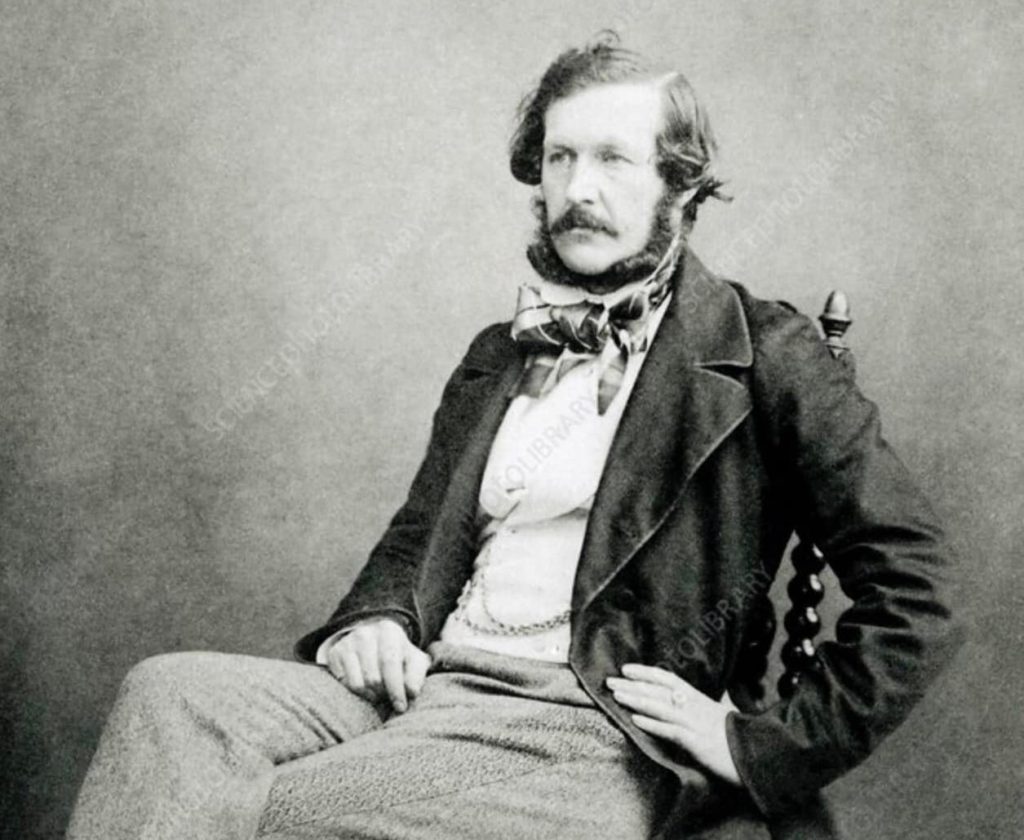
Fernhill remained in the possession of the Brodie family until the death of Frederick’s son Charles, when it was sold to Fernhill Park Estates Ltd of Newport in 1935, who intended to partition the fine old building into flats. However, the stately Gothic residence thought otherwise, allowing itself to be consumed by fire to prevent such an indignity.
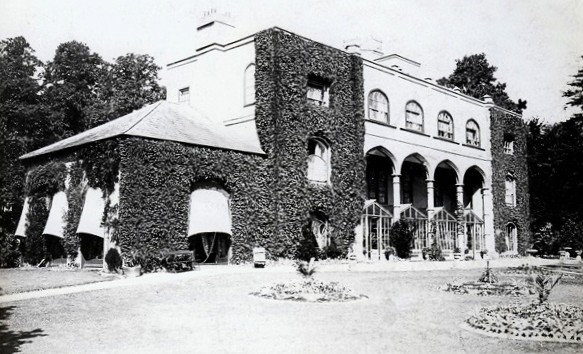
On 9th June 1938, the fire started at 15:45, when sparks from a bonfire made by workmen clearing the grounds ignited the roof. Although the Newport Fire Brigade was summoned and attended speedily, they had problems with tackling the fire due to lack of water. Within half an hour, despite the efforts of the firemen and workmen, it became obvious that the main building would be totally destroyed.
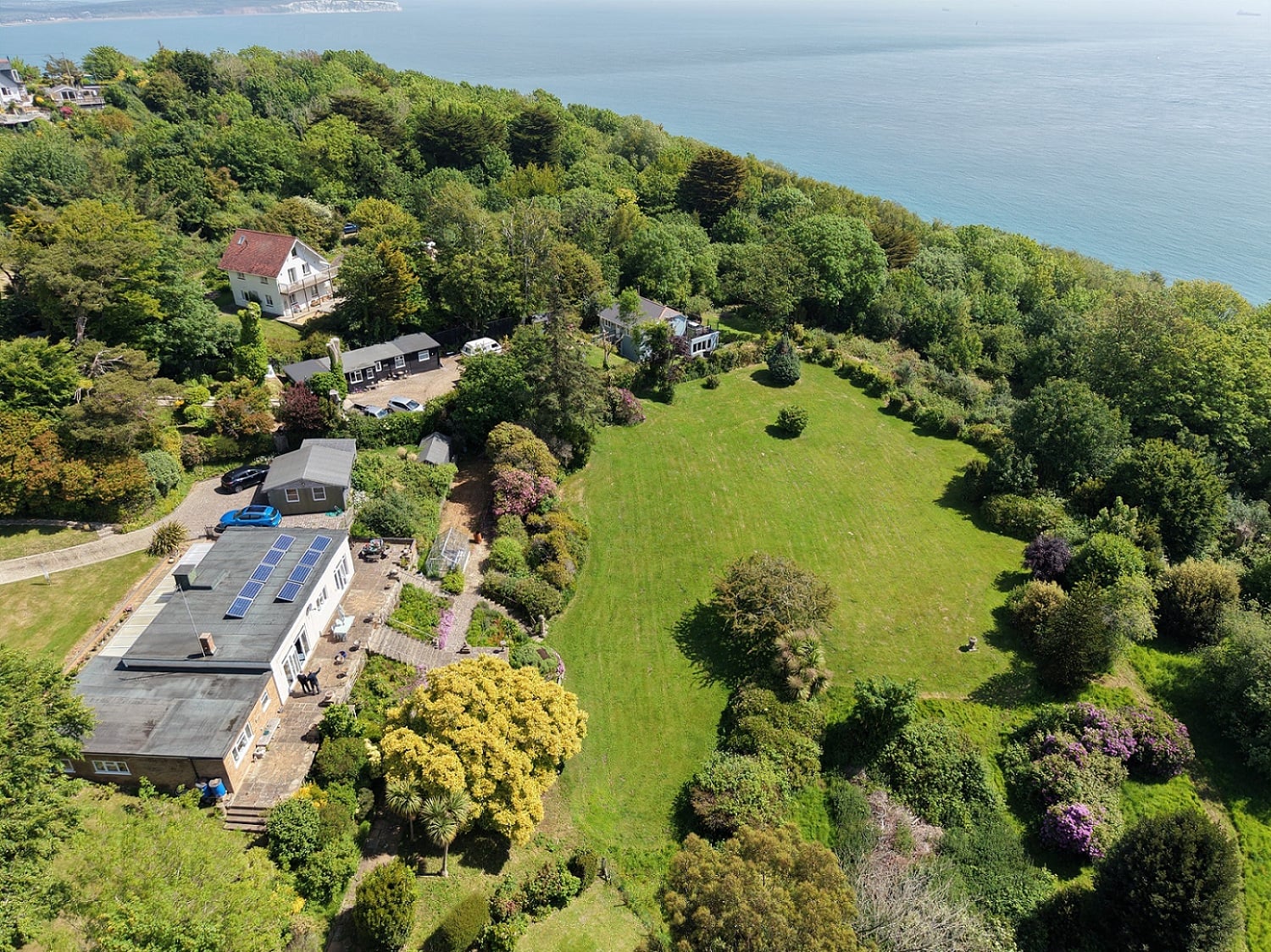
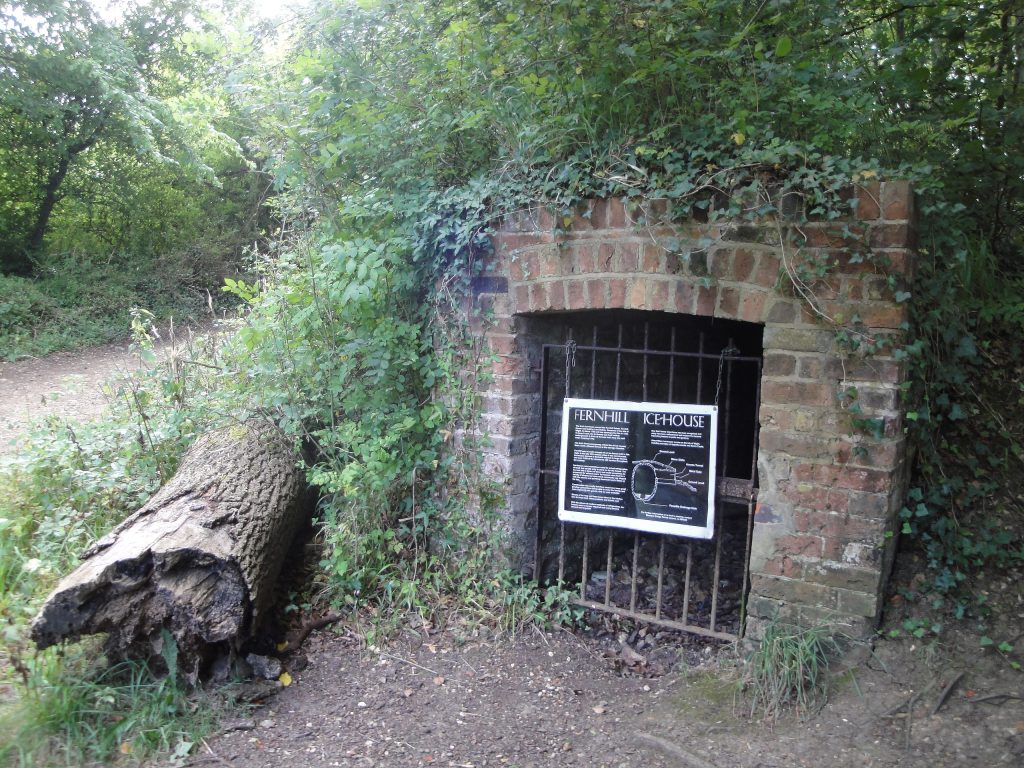
Little remains of Fernhill other than the former ice house, to be found next to a footpath in the lower part of the former estate.
Do you live in the grounds of what used to be Fernhill? What traces of the fine old building remain? Let us know in the comments…








Another excellent story, keep them coming,
the island was such a grand place many years ago.
Shame nowdays it is full of speeding uneducated
Numpty’s!.
Lovely to see the English Flag flying from the tower.
On Carisbrooke Castle the flag of ‘English Heritage’ is flown.
To put it another way, our English Castles fly the flag of a quango!