





















































The Leader of the Isle of Wight Council has confirmed that councillors have now been provided with a comprehensive document that details the opportunities, benefits, consequences and implications of the Solent devolution deal.
This marks an important step in ensuring that all elected members have access to information and data that corrects myths and misinformation before the Full Council debate scheduled for tomorrow (Wednesday).
The Solent region – covering the Isle of Wight, Southampton, Portsmouth and Hampshire – is 1 of just 6 areas in England chosen by Government for a “Priority Programme” devolution deal. This is a once-in-a-generation opportunity to unlock long-term funding, strengthen regional influence, and ensure that decisions are made closer to the people and communities they affect.


If approved, the Hampshire & Solent Combined County Authority (HSCCA) would receive £44.6 million every year for 30 years (around £1.4 billion in total), plus £4 million in setup funding. This money would be directly devolved to the region to support transport, housing, skills, and regeneration. It is the second largest funding award of any devolution deal in England.
What would Devolution give the Island?
An equal vote on the Combined Authority Board, alongside Portsmouth, Southampton, and Hampshire, ensuring the Island’s priorities are always heard.
Guaranteed access to devolved funding streams such as the City Region Sustainable Transport Settlement (CRSTS), innovation pilots, and housing funds.
Local control over key areas such as adult education, economic development, and infrastructure planning.
Opportunities to tailor solutions to the Island’s unique geography, rurality, and economy.
Importantly, the deal protects the Island’s autonomy as a unitary council. Core services such as housing, planning, education, and social care would remain under the control of Isle of Wight Council. The Combined Authority would instead provide a framework for strategic collaboration and investment across the wider Solent region.
What are the benefits and risks?
The government has been clear: this is an “all or nothing” deal. All 4 local authorities must agree to proceed, otherwise the Solent area will lose its priority status, and the £1.4 billion will be redirected to other regions. If the Isle of Wight does not participate, it risks being left behind as other devolved areas move ahead with investment, improved transport, and economic growth.
Devolution has already transformed other parts of the country. Greater Manchester, Tees Valley, and the West Midlands have each secured billions of pounds of extra funding and attracted significant private investment thanks to devolved powers. Evidence shows that devolution delivers real results – from transport networks to regeneration projects.

Council Leader Phil Jordan said:
“This deal secures the Isle of Wight’s place at the decision-making table. It is about more than funding — it is about having our voice heard and our unique Island needs recognised. We cannot afford to let this opportunity slip away.
“The choice for councillors and residents is clear. Either we take control of our future through devolution, or we risk being left behind while other regions prosper. This is the start, not the end, of greater powers and investment flowing to our area.”
Councillors will debate whether to continue on the priority programme or not on 1st October 2025 at 19:00, when a final decision on the Island’s participation will be made.











A very one-sided article, so let’s try and provide some facts:
” . .
Tomorrow, Isle of Wight Full Council will hold an Extraordinary meeting to review and vote on whether it will accept or reject a specific version of the suggested Labour Government ‘Devolution’.
The proposed version of ‘Devolution’ unites Hampshire County Council, Southampton City Council, Portsmouth City Council and Isle of Wight Council in a “Hampshire and The Solent Mayoral Combined County Authority” under a new mayor of that area.
No other versions are permitted to be discussed or voted upon at the meeting.
If accepted, this version of ‘Devolution’ would be a significant change to the governance of our IOW and would materially impact every resident and business.
We are advised the Labour Government minister confirmed that if we vote against this version of the proposed ‘Devolution’ then the IWC status as an independent unitary authority will continue.
Over the past few days I have circulated a growing list of powers that published documents state would be transferred from IWC to the new mayor should this ‘Devolution’ proceed with the inclusion of IOW.
The items in the list are taken from the latest version of the Labour Government white paper, from the IWC briefing papers, and from other media analysis. Those are lengthy, complex documents. The list below crystallises the key points and includes, for reference, the page and paragraph numbers from the IWC papers and links to all sources.
There was to have been a detailed briefing to all IOW Councillors last week by consultants KPMG but it was unilaterally cancelled by the IWC Leader at short notice.
Your views, as residents, are critically important and will inform the vote of your local IWC Councillor – if you let them know what they are. Please do so.
:
*IWC briefing paper (Agenda item 3a) notes that further additions and changes are expected and these may require 24 hour decisions. In the recommendations, IWC Councillors are asked to delegate decisions on agreement of ANY future changes (unknown at present) to the IWC CEO after consultation with the IWC Leader (Cllr Phil Jordan).
**The original definition of the Mayoral role included 4 functions; the latest version of the paper now includes 12:
– . pg15/16
Acquires responsibility as Transport Authority for area of MCCA. Para69.
Acquires responsibility as Public Transport Authority including public transport services including bus franchises, concessionary fare schemes. Para72.
Acquires the ability to issue a levy on constituent authorities to fund these. Para 73.
Acquires responsibility for Home to School transport (example). Para72.
Acquires the sole ability to develop Local Transport Plans (Section 108/9/12 of the Transport Act 2000). pg10. Para 32.
–
Acquires responsibility for Economic Development functions (details not specified). pg10. Para 32.
Acquires the ability to allocate grants in the annual budget setting process. pg15. Para71.
Acquires the ability to contribute to entertainments, concerts, plays, exhibitions and to provide premises for cultural and recreational events. pg45. Table ”..provide entertainment.”.
–
Acquires responsibility for Post 16 skills and training (ie IWCollege?). pg16. Para75.
Acquires responsibility for Adult skills funding. pg16 and 36. Para 75 and Table “..Skills and Employment..”.
– (see Guardian update which defines detail – link attached at end)
– (see Guardian update which defines detail – link attached at end)
–
Acquires the ability to bypass local planning process by issuing ‘Mayoral Development Order’ allowing the Mayor to grant pre-emptive planning permission instead of relying on the existing planning application process. pg41. Table “Mayoral Development Orders”.
Acquires the responsibility to deliver the Spatial Development Strategy across their whole MCCA area. pg37. Table “Spatial Development Strategy”.
Acquires powers to acquire housing and land including by compulsory purchase. pg37+39. Table “Housing and Land Powers”.
–
Acquires the ability to designate a Mayoral Development Area (equal to MCCA area). pg16. Para 77.
–
Acquires the ability to establish a Mayoral Development Corporation (unspecified role). pg16. Para 77. Also pg40. Table “Mayoral Development Corporations”.
–
Acquires the role of ‘Relevant Authority’ for Crime and Disorder. pg27. Appendix 1 “Additional Functions”.
Acquires the role of the Office of the Police and Crime Commissioner. pg13. Para 53.
Acquires the role of the Fire and Rescue Service. pg13. Para 53.
Acquires the ability to initiate or defend legal actions. pg47. Table “Power to prosecute…”.
Acquires the responsibility to disclose data relating to crime reduction, anti-social behaviour, social landlords, police etc. pg49. Table “Sharing of information…”.
–
Acquires the responsibility of managing Civil Enforcement of Road Traffic Violations. pg32. Table “Civil enforcement of road traffic contraventions”.
Parking. pg32. Table “Civil enforcement of road traffic contraventions”.
Moving traffic Offences pg32. Table “Civil enforcement of road traffic contraventions”.
Bus Lanes. pg32. Table “Civil enforcement of road traffic contraventions”.
Penalty Charge Notices. pg33. Table “Civil enforcement of road traffic contraventions”.
Acquires the ability to introduce and manage road charging/congestion charging schemes. pg34. Table “Road User Charging”.
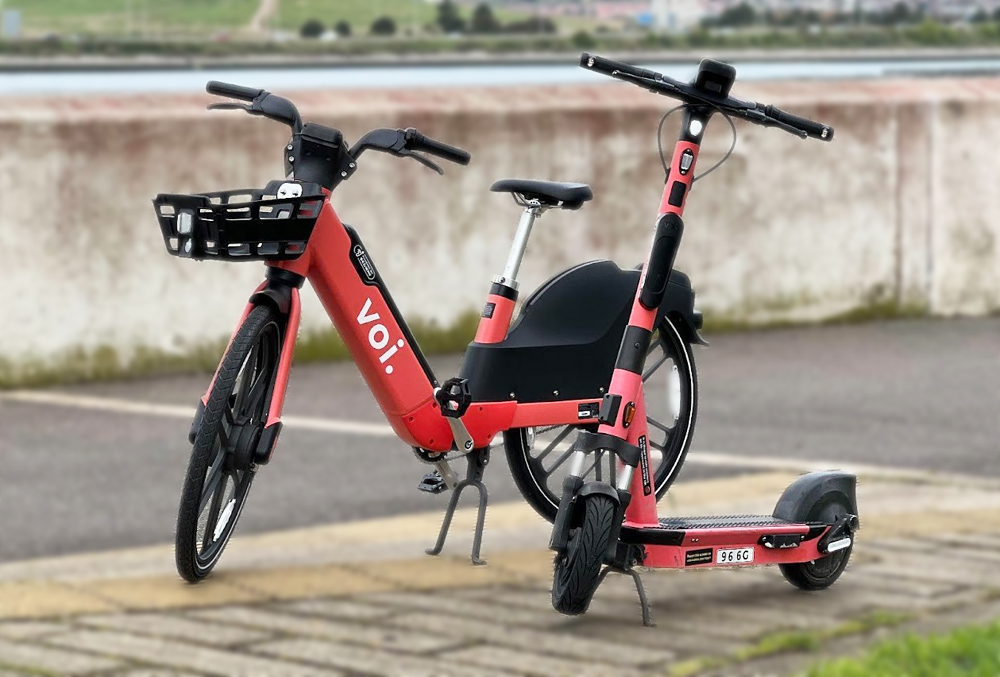
Acquires the responsibility of licensing of e-bike schemes. pg35. Table “On-Street Micromobility Schemes”.
– /
Acquires the ability to charge ‘Infrastructure Development Levy’. pg41. Table “Mayoral Community Infrastructure Levy”.
Acquires the ability to charge a mayoral precept to generate revenue to fund all Mayoral functions. pg42. Table “Mayoral Council Tax Precept”.
Acquires the ability to incur debt by automatically conferring on them the power to borrow. pg43. Table “Power to borrow…”.
Constituent Councils acquire liability for the costs of the Mayor / MCCA where not met from other sources. pg11. Para 32.
Estimated £40m (pop circa 2m)) initially in FY26-27 split 50revenue/50capital to be spent in region and on covering the costs of the MCCA not covered by minimal capacity funding. [£10 revenue and £10 capital per person.] pg13. Para 56.
Establishment costs of MCCA fall to constituent authorities in proportion to populations. pg 14. Para 65.
Acquires the ability to issue levies [Transport Levy] on constituent authorities. pg32. Table “Transport Levy”.
–
MCCA Board – Mayor(1seat), Hampshire(2seats), Southampton(1seat), Portsmouth(1seat), IOW(1seat). pg10. Para 32. Also pg14. Para 64.
Simple majority requires any 4(mayor can vote). pg14. Para 64.
Mayor acquires the ability to appoint up to 7 ‘commissioners’ with specific portfolios (i.e. Cabinet). pg12/13. Para 49.
Requirement to establish Overview and Scrutiny Committee. pg11. Para 38.
Requirement to establish Audit Committee. pg11. Para 38.
The appointment mechanism to the new Mayoral Development Corporation is unclear. pg40. Table “Mayoral Development Corporations”.
We have been informed verbally and in documents that the Mayoral Combined County Authority budget would require a 2/3rd majority to approve. It remains unclear if this would be from the 4 Leaders of the constituent authorities (ie 3 out of 4) or from the Mayoral Board (ie 4 out of 6). Either way there is the risk that a single IOW vote could be redundant.
Guardian:
https://www.theguardian.com/…/ministers-could-give…
IWC report:
https://iow.moderngov.co.uk/documents/s19556/Report.pdf
IWC appendix:
https://iow.moderngov.co.uk/docum…/s19555/Appendix%202.pdf
Devolution should be good for the island, what can go
wrong.
Please vote against it is the thin edge of the wedge and our Island will be sorry and so will many others,!!
“ensuring the Island’s priorities are always heard”, “Guaranteed access to devolved funding streams”.
Seriously? If those aren’t myths I don’t know what is.
The Island doesn’t even feature in the name of the group.
How exactly are we “guaranteed” access to funding when we are competing with the mainland authorities who gain nothing from funding the island but a lot from funding each other?
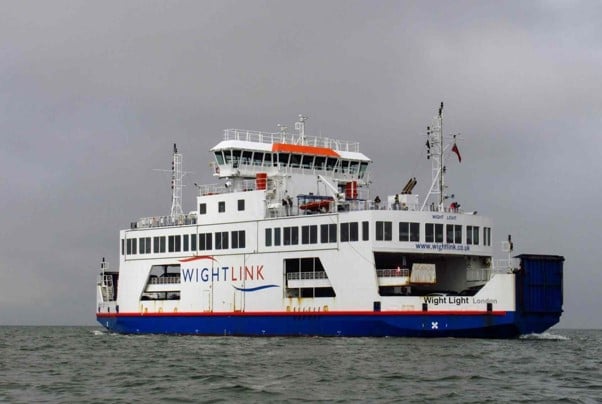
What have mainland councils got to gain my funding island infrastructure, or the ferries? Nothing at all, meaning that we will have to fight for every single penny.
There isn’t even any guarantee that this is new money and not just existing funds pooled together. If that was the case we stand to lose out significantly as mainland projects get funded at our expense.
We are the ISLE OF WIGHT, Not what we are going to be called just part of SOLENT. We do things out way Not like Portsmouth and Southampton so no mo no
I can guarantee the vote now, the one where Jordan and his cromies continue to ruin the island on a very nice salary.
Absolute NO!
most islanders do not want this,but will the council listen?
of course they wont.
and jarman,as we all know is a closet tory has to stick his beak in,not even an islander but sits on totland parish council,where,over 50% of the other parish council members dislike him
caused chaos to get peacy willcox removed,just to inflate his massive ego,lots of us totland residents see through your thinly veiled”empowering islander” rubbish
you are not even an islander,but a tory hiding in plain sight!
THE FOLLOWING COMMENT HAS BEEN MADE BY ISLE OF WIGHT COUNCILLOR CLLR CHRIS JARMAN
” . .
Next Wednesday, 01Oct2025, the Isle of Wight Full Council will hold an Extraordinary meeting to review and vote on whether it will accept or reject a specific version of the suggested Labour Government ‘Devolution’.
The proposed version of ‘Devolution’ unites Hampshire County Council, Southampton City Council, Portsmouth City Council and Isle of Wight Council in a “Hampshire and The Solent Mayoral Combined County Authority” under a new mayor of that area.
No other versions are permitted to be discussed or voted upon at the meeting.
If accepted, this version of ‘Devolution’ would be a significant change to the governance of our IOW and would materially impact every resident and business.
We are advised the Labour Government minister confirmed that if we vote against this version of the proposed ‘Devolution’ then the IWC status as an independent unitary authority will continue.
Over the past few days I have circulated to colleagues, parish councils and residents’ groups a growing list of powers that published documents state would be transferred from IWC to the new mayor should this ‘Devolution’ proceed with the inclusion of IOW.
The items in the list are taken from the latest version of the Labour Government white paper, from the IWC briefing papers, and from other media analysis. Those are lengthy, complex documents. The list below crystallises the key points and includes, for reference, the page and paragraph numbers from the IWC papers and links to all sources.
There was to have been a detailed briefing to all IOW Councillors last week by consultants KPMG but it was unilaterally cancelled by the IWC Leader at short notice.
:
*IWC briefing paper (Agenda item 3a) notes that further additions and changes are expected and these may require 24 hour decisions. In the recommendations, IWC Councillors are asked to delegate decisions on agreement of ANY future changes (unknown at present) to the IWC CEO after consultation with the IWC Leader (Cllr Phil Jordan).
**The original definition of the Mayoral role included 4 functions; the latest version of the paper now includes 12:
– . pg15/16
Acquires responsibility as Transport Authority for area of MCCA. Para69.
Acquires responsibility as Public Transport Authority including public transport services including bus franchises, concessionary fare schemes. Para72.
Acquires the ability to issue a levy on constituent authorities to fund these. Para 73.
Acquires responsibility for Home to School transport (example). Para72.
Acquires the sole ability to develop Local Transport Plans (Section 108/9/12 of the Transport Act 2000). pg10. Para 32.
–
Acquires responsibility for Economic Development functions (details not specified). pg10. Para 32.
Acquires the ability to allocate grants in the annual budget setting process. pg15. Para71.
Acquires the ability to contribute to entertainments, concerts, plays, exhibitions and to provide premises for cultural and recreational events. pg45. Table ”..provide entertainment.”.
–
Acquires responsibility for Post 16 skills and training (ie IWCollege?). pg16. Para75.
Acquires responsibility for Adult skills funding. pg16 and 36. Para 75 and Table “..Skills and Employment..”.
– (see Guardian update which defines detail – link attached at end)
– (see Guardian update which defines detail – link attached at end)
–
Acquires the ability to bypass local planning process by issuing ‘Mayoral Development Order’ allowing the Mayor to grant pre-emptive planning permission instead of relying on the existing planning application process. pg41. Table “Mayoral Development Orders”.
Acquires the responsibility to deliver the Spatial Development Strategy across their whole MCCA area. pg37. Table “Spatial Development Strategy”.
Acquires powers to acquire housing and land including by compulsory purchase. pg37+39. Table “Housing and Land Powers”.
–
Acquires the ability to designate a Mayoral Development Area (equal to MCCA area). pg16. Para 77.
–
Acquires the ability to establish a Mayoral Development Corporation (unspecified role). pg16. Para 77. Also pg40. Table “Mayoral Development Corporations”
–
Acquires the role of ‘Relevant Authority’ for Crime and Disorder. pg27. Appendix 1 “Additional Functions”.
Acquires the role of the Office of the Police and Crime Commissioner. pg13. Para 53.
Acquires the role of the Fire and Rescue Service. pg13. Para 53.
Acquires the ability to initiate or defend legal actions. pg47. Table “Power to prosecute…”.
Acquires the responsibility to disclose data relating to crime reduction, anti-social behaviour, social landlords, police etc. pg49. Table “Sharing of information…”
–
Acquires the responsibility of managing Civil Enforcement of Road Traffic Violations. pg32. Table “Civil enforcement of road traffic contraventions”.
Parking. pg32. Table “Civil enforcement of road traffic contraventions”.
Moving traffic Offences pg32. Table “Civil enforcement of road traffic contraventions”.
Bus Lanes. pg32. Table “Civil enforcement of road traffic contraventions”.
Penalty Charge Notices. pg33. Table “Civil enforcement of road traffic contraventions”.
Acquires the ability to introduce and manage road charging/congestion charging schemes. pg34. Table “Road User Charging”.
Acquires the responsibility of licensing of e-bike schemes. pg35. Table “On-Street Micromobility Schemes”
– /
Acquires the ability to charge ‘Infrastructure Development Levy’. pg41. Table “Mayoral Community Infrastructure Levy”.
Acquires the ability to charge a mayoral precept to generate revenue to fund all Mayoral functions. pg42. Table “Mayoral Council Tax Precept”.
Acquires the ability to incur debt by automatically conferring on them the power to borrow. pg43. Table “Power to borrow…”.
Constituent Councils acquire liability for the costs of the Mayor / MCCA where not met from other sources. pg11. Para 32.
Estimated £40m (pop circa 2m)) initially in FY26-27 split 50revenue/50capital to be spent in region and on covering the costs of the MCCA not covered by minimal capacity funding. [£10 revenue and £10 capital per person.] pg13. Para 56.
Establishment costs of MCCA fall to constituent authorities in proportion to populations. pg 14. Para 65
Acquires the ability to issue levies [Transport Levy] on constituent authorities. pg32. Table “Transport Levy”.
–
MCCA Board – Mayor(1seat), Hampshire(2seats), Southampton(1seat), Portsmouth(1seat), IOW(1seat). pg10. Para 32. Also pg14. Para 64.
Simple majority requires any 4(mayor can vote). pg14. Para 64.
Mayor acquires the ability to appoint up to 7 ‘commissioners’ with specific portfolios (i.e. Cabinet). pg12/13. Para 49.
Requirement to establish Overview and Scrutiny Committee. pg11. Para 38.
Requirement to establish Audit Committee. pg11. Para 3
The appointment mechanism to the new Mayoral Development Corporation is unclear. pg40. Table “Mayoral Development Corporations”.
We have been informed verbally and in documents that the Mayoral Combined County Authority budget would require a 2/3rd majority to approve. It remains unclear if this would be from the 4 Leaders of the constituent authorities (ie 3 out of 4) or from the Mayoral Board (ie 4 out of 6). Either way there is the risk that a single IOW vote could be redundant,
Guardian:
https://www.theguardian.com/politics/2025/sep/22/ministers-could-give-mayors-control-of-schools-and-hospitals-in-devolution-shake-up?CMP=share_btn_url
IWC report:
https://iow.moderngov.co.uk/documents/s19556/Report.pdf
IWC appendix:
https://iow.moderngov.co.uk/documents/s19555/Appendix%202.pdf