





















































The Chairman of the Isle of Wight Council has shown his support for the Island’s Bus and Coach Museum by attending a special VJ Day commemoration event in Ryde.
Councillor Ian Dore visited the museum on Park Road to take part in the event, which marked the Allied victory over Japan in 1945 and the final conclusion of World War II. The celebration was hosted by Bus Museum Chairman Derek Priddle and supported by a dedicated team of volunteers.
The day featured entertainment, historic vehicles including a WRVS van, and educational displays presented by the Vectis 40s Vintage Group. Visitors explored re-creations of wartime shops, the ARP, the Land Army, wartime hospitals on the Isle of Wight, and the Home Guard.


Councillor Ian Dore has said:
“Recognising and celebrating VJ Day is vital to honour those who served and sacrificed during World War II, marking the Allied victory over Japan on August 15, 1945. It represents the end of global conflict, the liberation of nations, and the beginning of peace and reconstruction.
“Commemorating the day preserves historical memory, ensuring younger generations understand the immense cost of war and the value of freedom. By celebrating VJ Day, which sadly often gets overlooked when held up to VE Day, we reaffirm our commitment to peace, gratitude for veterans; and the importance of preventing future global conflicts.”
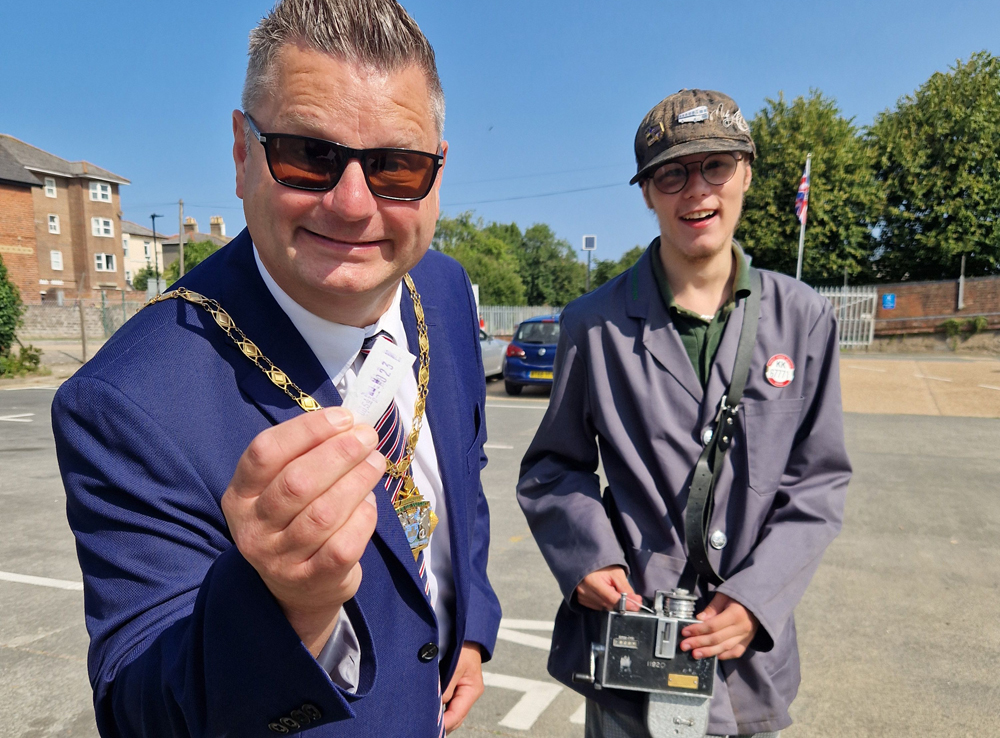
He also praised the venue, calling it a fitting setting for such a commemoration, adding that the attention to detail transported attendees back in time.
Councillor Dore continued:
“What leapt out, was how the location was so fitting to this event. With the set dressing, the smell and actors, it wasn’t a far stretch to picture yourself back in the mid-1940s. I was honoured to be able meet and chat to a chap that used to work on the Battle of Britain Memorial Flight. Living, talking history, regaling stories of clambering in and out of the Lancaster!
“It was a marvellous event, full of colourful characters, rich in history and one that flew the flag for VJ Day superbly. The organisers and volunteers should be very proud.”









My thoughts are with all the service personnel who
fought in Japan, the war ended earlier in Europe
but went on much longer in Japan for the brave
troops.
You are much mistaken,
We were at war with Japan but none of our brave troops actually fought in Japan.
That is very true, they were fighting in the
far east.
The troops still had to fight much longer than
the ones who were fighting in Europe.
Firstly; he didn’t say “our”?
And secondly if he did say “our” how do you know Enough is Enough isn’t of a heritage where his countrymen were fighting?