























































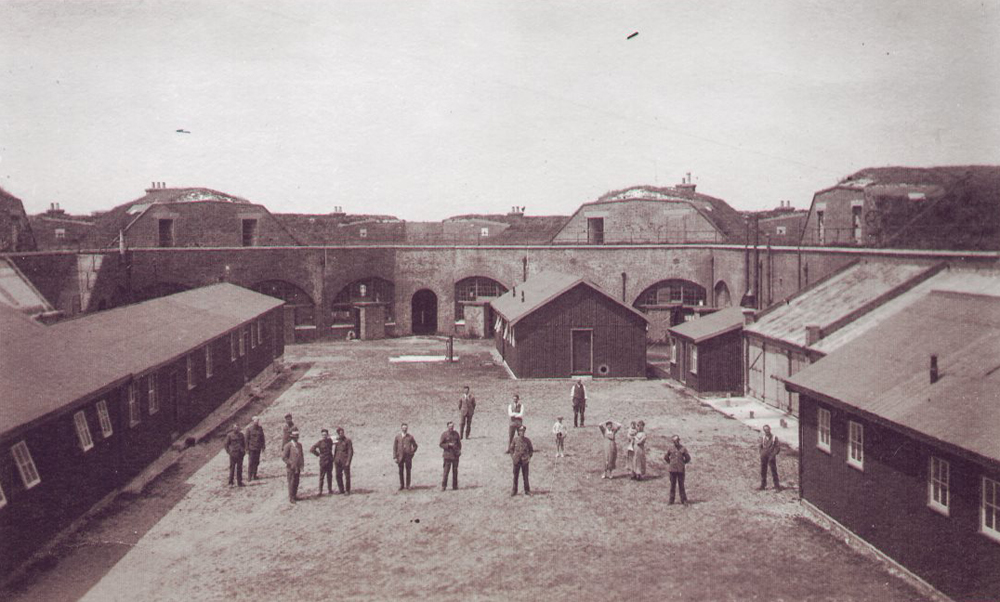

Island Echo examines the history of Bembridge Fort, said to have been ‘the most secret place in the British Isles’ during World War II.
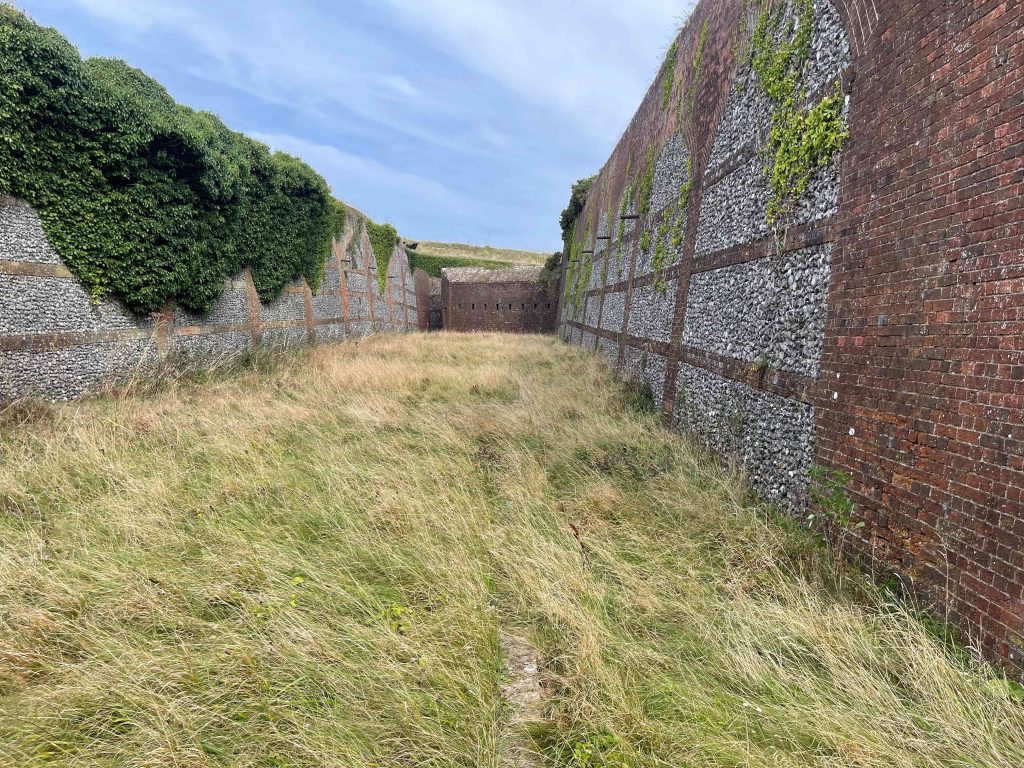
Bembridge Fort was built between 1862-67 under the supervision of 2 Royal Engineers, who lived in 2 cottages at the bottom of the Downs that survive to this day.
The bricks used to build the fort were moved by barge into Brading Haven, from where they were raised to the site.


Built on the highest point in the east of the Island, the fort commanded the high ground between Brading Haven and Sandown Bay. It was also the barracks for the nearby Steyne-wood, Redcliff, Yaverland and later Culver Batteries.
Its eventual cost of construction was £48,925 (around £5million today)
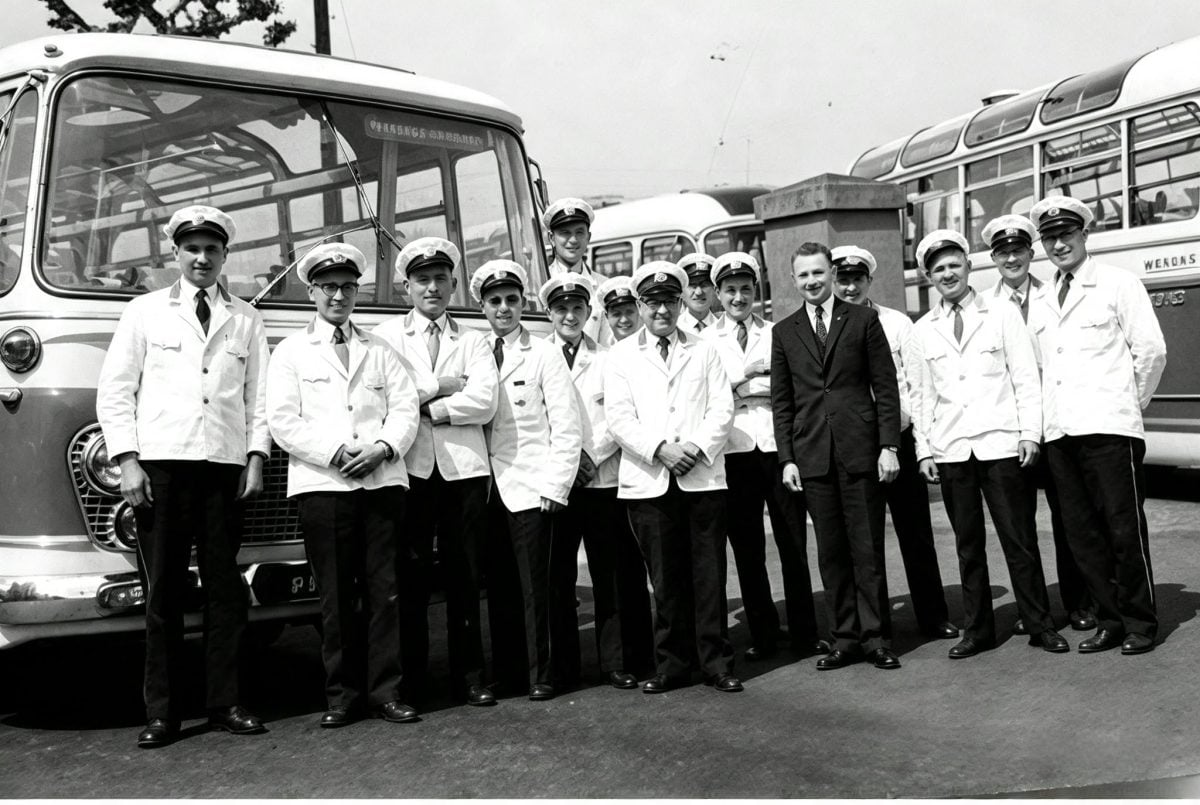
The fort was 330 feet above sea level. It originally had a peacetime garrison of 78 men, 4 single NCOs, 1 married NCO and 1 officer.
The main gunpowder magazine held 2,240 rounds and 1,200 shells. Gunpowder was an extremely difficult explosive to work with. Any spark could cause a catastrophic explosion, and all men entering the magazine had to change into special uniforms and shoes that reduced this risk.
There was also a mini gaol – containing 2 cells and a drunk tank. Soldiers had little to do, were frequently bored and often got up to mischief.

In 1876, the Hampshire Advertiser reported that 2 of the fort’s garrison had been charged with stealing 15 chickens from Brading. A trail of blood and feathers had been traced to Bembridge Fort, where they were found hidden in grass.
In 1898, it was proposed to replace the 64-pounders then at Bembridge Fort with 4 5-inch breech-loading howitzers and 4 machine guns. Although the 64-pounders were removed in 1901, the howitzers never arrived.
The fort was disarmed when the breech-loaders were removed in 1907, but this did not end its service life. It remained a barracks and a moveable artillery store in case an enemy should land in Whitecliff or Sandown Bay.
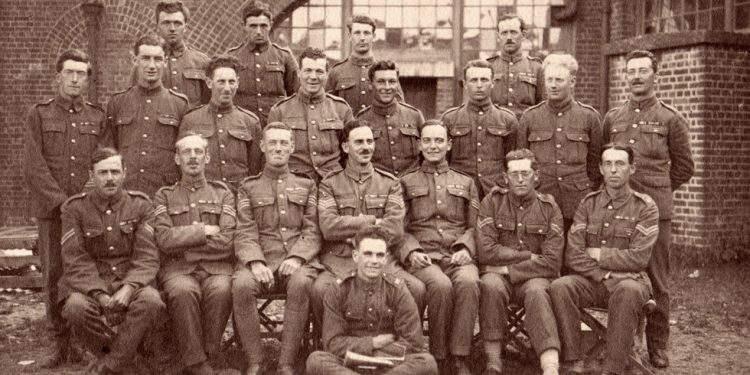
During the Great War, Bembridge Fort was a barracks for forces on their way to the front. In 1914, a cavalry unit was stationed at Bembridge Fort, with the horses grazing on the down.

With the dawn of military aviation in WW1, it was used as a landmark to help aircraft navigate back to nearby bases, especially the seaplane station at Bembridge Point.
Between 1920 and 1930, it was a summer camp for visiting army units, After 1930, its sole occupant was a caretaker.
When World War II broke out, the fort was reactivated, a searchlight unit installed, and 2 3.7 inch guns parked on the parade ground.
During the harsh winter of 1939-1940, the troops lived under canvas outside, even when snow fell.
It was now clear that in the event of a German invasion, Bembridge Fort held the high ground in the east of the Island. It was modified with different weaponry – anything to hand was installed by the Home Guard.
To protect against an invading force, the fort was defended by a double line of barbed-wire around the perimeter. At the bottom of the access road, there was a check point requiring passes to be shown. This also kept it secret from prying locals and spies.
The fort housed a naval detachment, who manned the Indicator loops and ASDIC cable stations. An anti-submarine indicator loop was a submerged cable laid on the sea bed. This now forgotten technology was essential for the defence of the Island’s waters from submarines. Some 20 cables ran out across Sandown and Whitecliff Bays, while 24/7 shifts of female WRNS operators sat and monitored the top secret equipment, waiting for the German invasion to come.
Bembridge Fort was also a centre for secret radar development. The first radar systems were installed in 1940.
The fort changed the course of the war during the Battle of Britain. When Ventnor radar station was attacked and damaged, a temporary radar station at Bembridge Fort fooled the Germans into thinking that their costly air attacks on the British radar stations had been failures, and they immediately ordered the Luftwaffe to leave the radar stations alone.
The team of young engineers from RAF Kidbrooke, who built a radar station overnight at Bembridge Fort, were said to have literally saved the nation.
Bembridge Fort played a key role in the D-day landings and remained a secret coastal defence radar station until 1956. Sadly, it was then heavily vandalised until the Isle of Wight County Council bought it in 1965. In 1967, it was acquired by the National Trust.
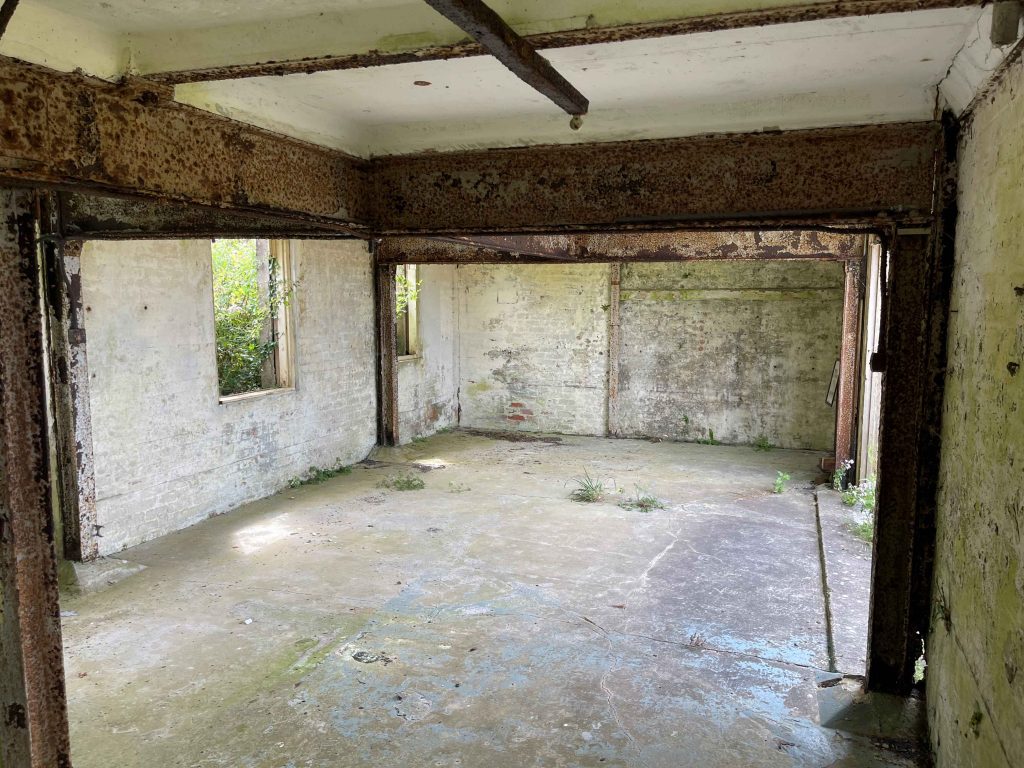
In 1968, the Trust leased the fort to Micronair (Aerial) Ltd, a crop-spraying company who are still (in a different form) based in the fort today.
The National Trust could not afford to restore the fort as it had done with the Needles Battery, leaving it to the elements.
As a recent news exclusive for Island Echo revealed, Bembridge Fort has been transferred from the National Trust to the Bembridge Fort Trust, who have taken on the huge task of the operation, management and restoration of the fort. The new trust have ambitious plans to see the fort brought back into community use.
The plan is to not only save Bembridge Fort as a building but also create something that will leave a lasting legacy for future generations to celebrate the fort’s unique history.
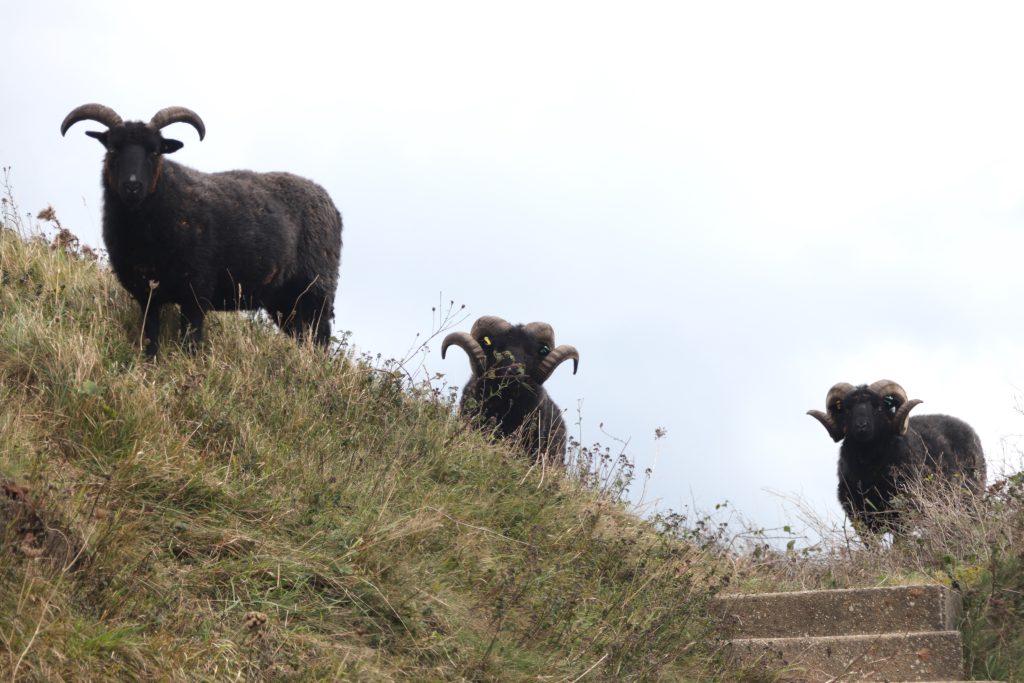
It is also home to a small flock of 12 rare Hebridean sheep and a goat, which keep the grass trim. Bembridge Fort Trust intend to keep the animals in situ.
For further information, visit bembridgefort.org.
images and information for this article kindly supplied by author and historian Tim Wander








Why didn’t they build it on top of the hill so there would be 360 degree vision…..
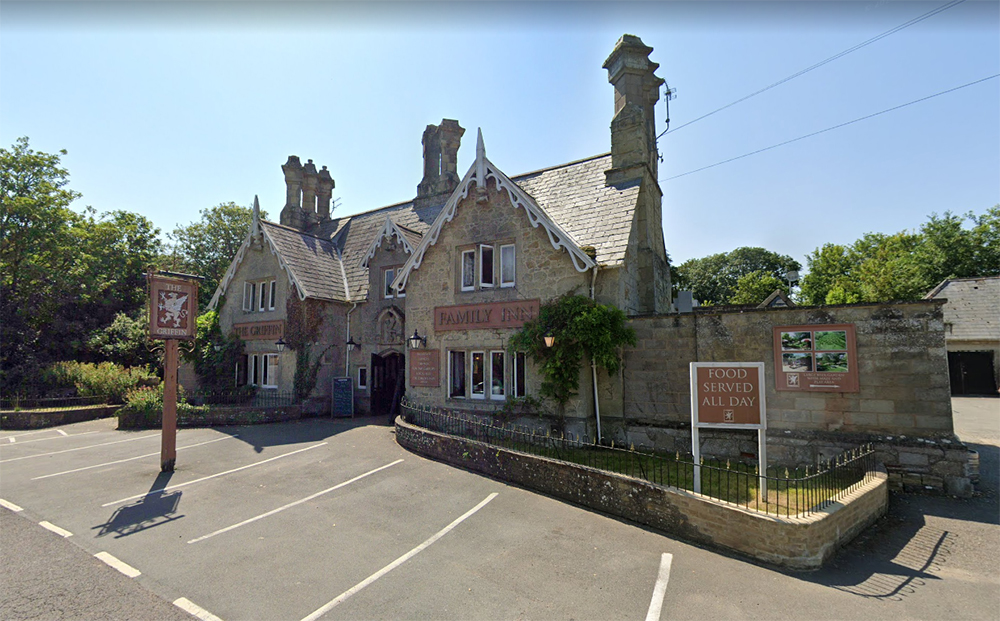
Because there is another fort at the top of the hill, just past the pub.
Don’t tell him your name, Pike.