










































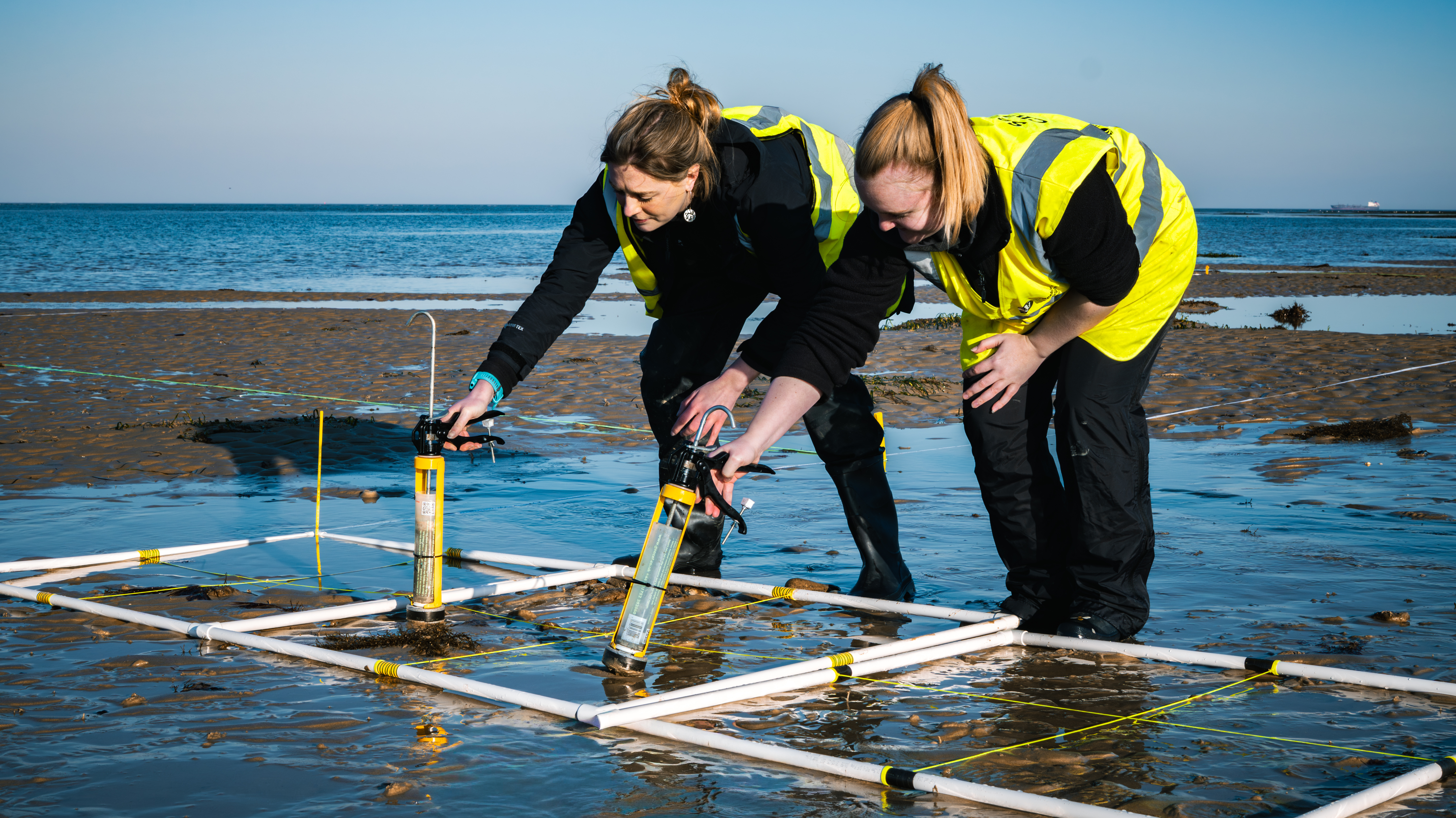

A major boost for seagrass restoration in the Solent has been delivered this spring, as the Solent Seascape Project and its volunteers successfully planted hundreds of thousands of seeds and transplants across key sites on both sides of the water – more than in any previous year.
At Thorness and Priory Bay on the Isle of Wight, project partner Project Seagrass planted 175,416 seeds and 1,154 seagrass transplants, helping to restore over one and a half football pitches worth of threatened intertidal plant.
At Calshot, Hampshire & Isle of Wight Wildlife Trust, who are also a partner in the project, planted more than three times as many seeds as last year (100,700), while a further 3,950 intertidal seeds were also planted by the Trust on the River Hamble, where seagrass was all but lost.


The Solent Seascape Project has praised volunteer involvement as the backbone of the success of this year’s work, from seed collection and preparation to planting in the field – more than 60 volunteers came together overall, contributing over 100 volunteer hours to planting at Calshot alone and representing more than three times the effort recorded at the site last year.
Seagrass meadows support a spectacular diversity of marine life, including endangered seahorses, pipefish, cuttlefish and thornback rays.
They also help to store carbon and stabilise the sediment on our sea floors, which can help combat climate change and prevent coastal erosion. Yet up to 92% of UK seagrass has been lost over the past century, and recovery has been limited by pollution, dredging, boat anchoring and coastal development.
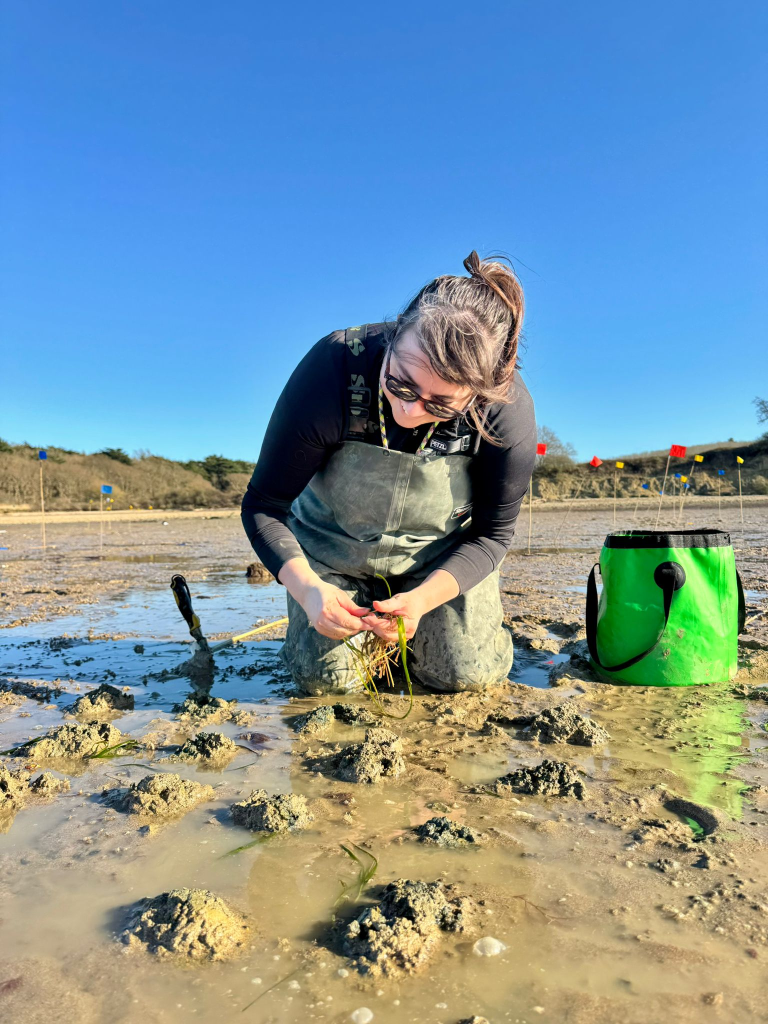
Anouska Mendzil, Senior Science Officer at Project Seagrass and Swansea University said:
“The success of seagrass restoration and conservation initiatives relies heavily on the dedication of community volunteers, contributing vital hands-on support, local knowledge and long-term stewardship to protecting and improving biodiversity and resilience of these important marine and coastal habitats in the Solent”
Article continues below this advertisement
Tim Ferrero, Senior Specialist, Marine Conservation, for Hampshire and Isle of Wight Wildlife Trust added:
“We have had our most successful year since we started working on seagrass restoration, collecting and planting three times as much seed as we ever have before.
“This has helped us to really start the process of restoration at scale.
“And none of this would have been possible without the tireless efforts of our wonderful Solent Seagrass Champions, who help us with everything we do and have already put in 500 hours of voluntary work this year.”
The planting follows an intensive community effort last summer which saw volunteers give over 600 volunteer hours to the largest seed collection Hampshire and Isle of Wight Wildlife Trust has undertaken to date at Seaview and Calshot.
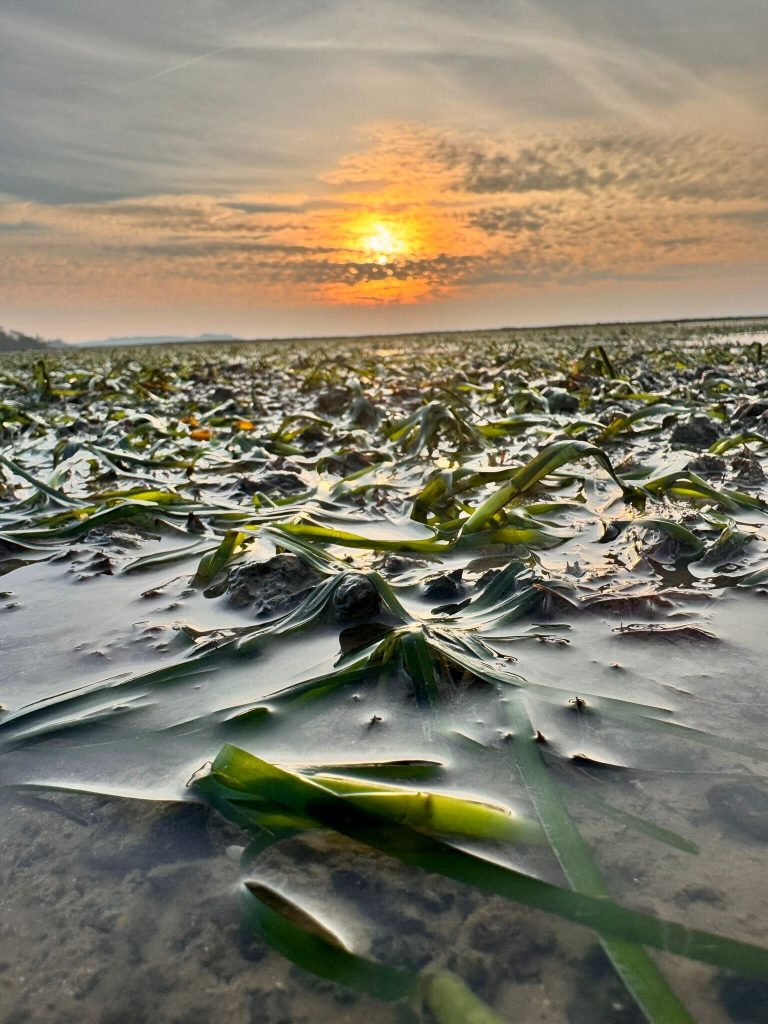
On the Isle of Wight, this year’s work means that more than four football pitches have been planted in total, while the northern shores of the Solent have seen an area almost the size of a football pitch planted in the last two years with the Solent Seascape Project aiming to plant the equivalent of 9 football pitches overall.
As the UK’s first large-scale seascape restoration initiative, the Solent Seascape Project brings together multiple organisations to restore and reconnect habitats including seagrass meadows, saltmarsh, seabird nesting sites and oyster reefs across the Solent.
Find out more about the project here where you’ll also find volunteer opportunities.









Well it’s had a good lot of fertilizer dumped on it by Southern water to help it grow