















































Residents in Alverstone have expressed their concern about what they’ve called the ‘devastation’ of the area by the Hampshire & Isle of Wight Wildlife Trust.
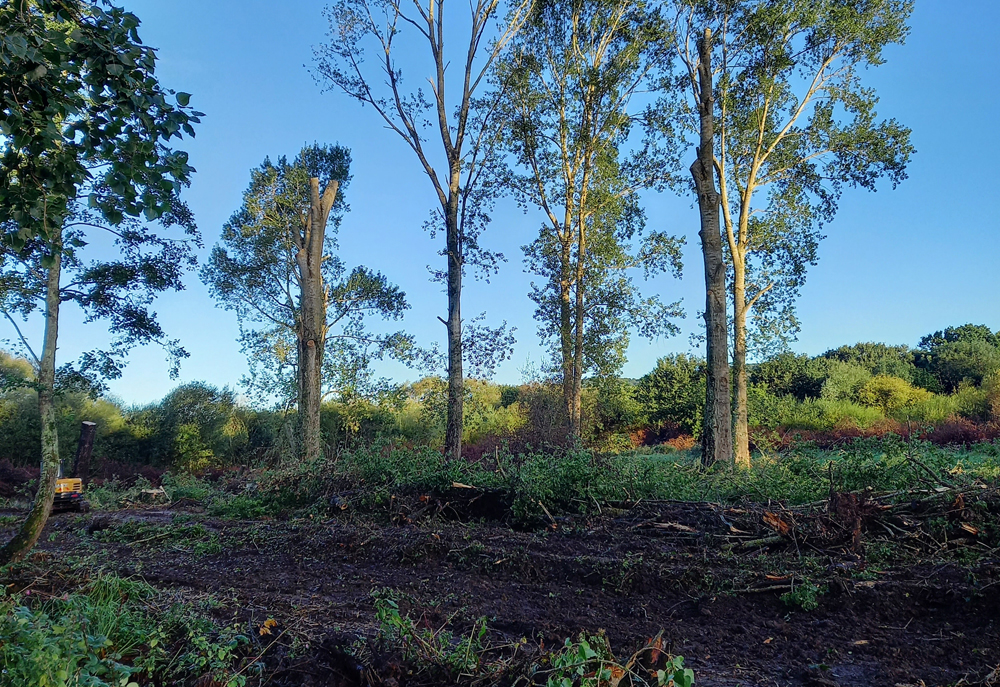
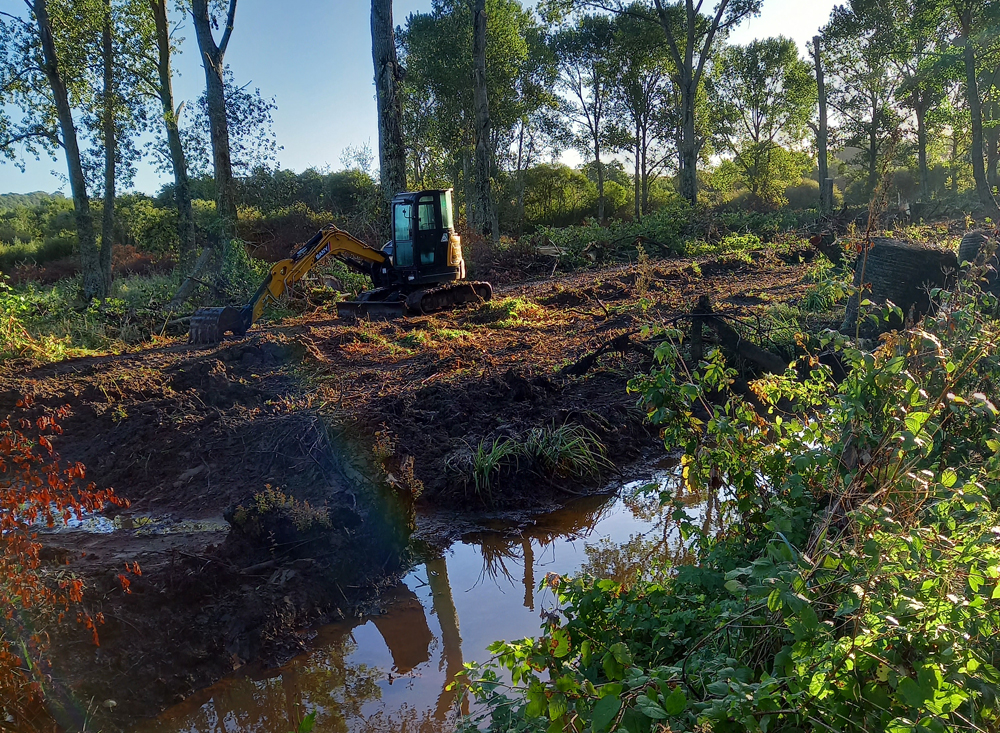
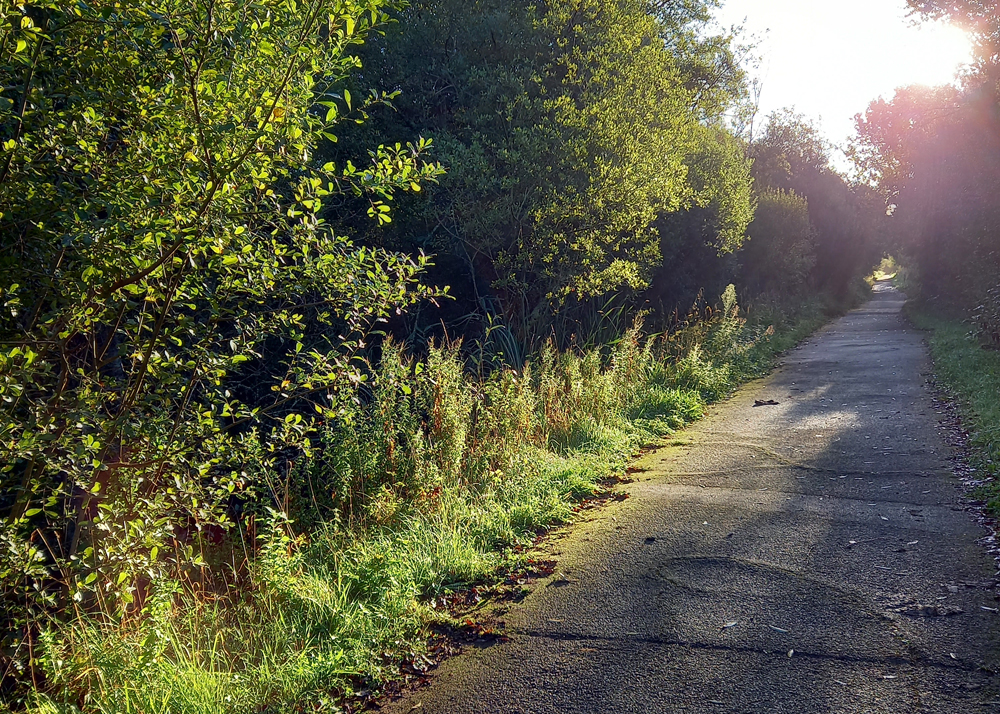
In recent weeks hundreds of bushes and trees have been cut down, with many others pollarded, along the NC53 cycle track and footpath between Sandown and Newchurch. This has dramatically changed the appearance of the area running along the banks of the Eastern Yar river.
Locals have raised concerns that the work to re-naturalise the area, under the auspices of flood prevention and creating a better environment for flora and fauna, is actually gearing up for the controversial introduction of beavers to the Isle of Wight.


One local resident has told Island Echo:
“It is thought that the Trust are preparing the land for the introduction of beavers into this area, which seems to be an obsession of this organisation to the exclusion of local residents and people who know the area well. This has been dismissed by the Trust as ‘resistance to change’.
However, the Hampshire & Isle of Wight Wildlife Trust has confirmed the project, which involves the removal of scrub and trees and re-profiling of watercourses, is focused on re-naturalising the river channel and restoring the functionality of the Eastern Yar floodplain. The Trust has not denied that the works are connected with the beaver project in some way.
The Trust owns about 300 acres in a series of 5 interconnecting nature reserves, from Newchurch down through to Morton Marsh. This land mainly consists of wet grassland, fen and wet woodland, partially comprising Alverstone Marshes Site of Special Scientific Interest (SSSI). A large proportion of the grassland and fen areas have suffered biodiversity loss due to drainage and a lack of management. This has allowed scrub encroachment resulting in the loss of these important habitats and the species they support.

Currently, the perched banks, from historic dredging, are so tall that they do not allow the water to enter the floodplain. As a result, during peak flow events (such as following prolonged heavy rainfall) in-channel water struggles to spread laterally onto surrounding land and instead is forced to travel at high velocity in the main channel which can cause flash flooding at pinch points such as culverts and road bridges.
Hampshire & Isle of Wight Wildlife Trust is currently removing some sections of the perched banks to utilise the flood storage capacity on Trust land and allow unimpeded flow of water on and off of the floodplain.
The works being carried out have been funded by Natural England’s Countryside Stewardship Scheme, working with the Environment Agency and Wessex Rivers Trust.
The first phase of work has already taken place, which has involved reducing scrub cover on the SSSI fen habitat at Lower Knighton Moors Nature Reserve. Now, work at Newchurch Moors, moving downstream through Alverstone Mead and onto Sandown Meadows, is re-profiling sections of the main river channel and surrounding land to create and restore wetland habitats.
A spokesperson for the Hampshire & Isle of Wight Wildlife Trust has said:
“This project will benefit both wildlife and people. The Trust is carrying out this work to not only help wildlife but to try and help local infrastructure, including houses, roads, and infrastructure within the catchment. During times of no rainfall, water levels will lower, and the water can then exit the floodplain and back out into the river.
“Wildlife in the area will not be lost. This work is aimed at enhancing habitats, which will attract even more wildlife to the area. Tree and scrub removal is only taking place to improve wetland habitats including designated areas of fen. Reducing scrub & tree cover will improve the floodplain habitats for a variety of wetland species which have been negatively impacted by loss of habitat.
“Many of the trees being worked on are overmature poplars that are now beginning to fail and pose a health and safety risk. Where possible the Trust tries to retain as much standing dead wood as possible. Trees have been surveyed prior to works to minimise disturbance to wildlife.
“Rivers and floodplains are dynamic ecosystems, ever changing and evolving. Projects in other areas of the UK and Europe have demonstrated that re-naturalising these areas has benefitted not only wildlife but local communities too which is what this this project is aiming to achieve. The flooding that we are experiencing is increasing because of changing hydrological cycles and land use not adapting to a changing, dynamic climate. By carrying out these works we will be able to demonstrate measures that can help both people and wildlife.
“Works have been agreed by Natural England and an approved Forestry England woodland management plan is in place for the whole of our Eastern yar land holding”.