



























































It can be tempting to expect that when you’re nearing the end of treatment for an injury that everything will soon be fine, that your life will be back on track and you’ll have little to worry about.
But for many people, the struggle is only just starting. Because when there are no more appointments to attend, and no support either, people can often be left to deal with the long-term impact on their own. They may find themselves managing lingering pain, dealing with legal claims and also adjusting to changes in their lives, including work and finances.
Often those affected end up also dealing with the emotional strain of it all, something that can be overlooked when the initial attention to the injury has gone. So recovery may not end when treatment does, instead continuing as people rebuild their lives.


Still Vulnerable
It can take a long time to recover from any injury, and friends, family and colleagues may think you are fine but you’re not, therapists say.
Riky Hanaumi, clinical director of Quadrant Health Group, which operates addiction and mental health centres around the US, says mental trauma can linger long after wounds heal.
“After formal treatment ends, one of the biggest challenges people face is realising that the world expects them to be ‘better’ while they are still actively processing what happened,” he says.
“Physically they may be discharged and cleared, but psychologically they often feel vulnerable, hyper-alert or disconnected from their old routines.”
Hanaumi says the difference between ending treatment and then the reality of life can be unsettling. It can, he says, “leave people feeling isolated and unsure of how they are ‘supposed’ to feel, which can slow down recovery and make everyday tasks like returning to work, socialising or even sleeping through the night feel unexpectedly difficult.”

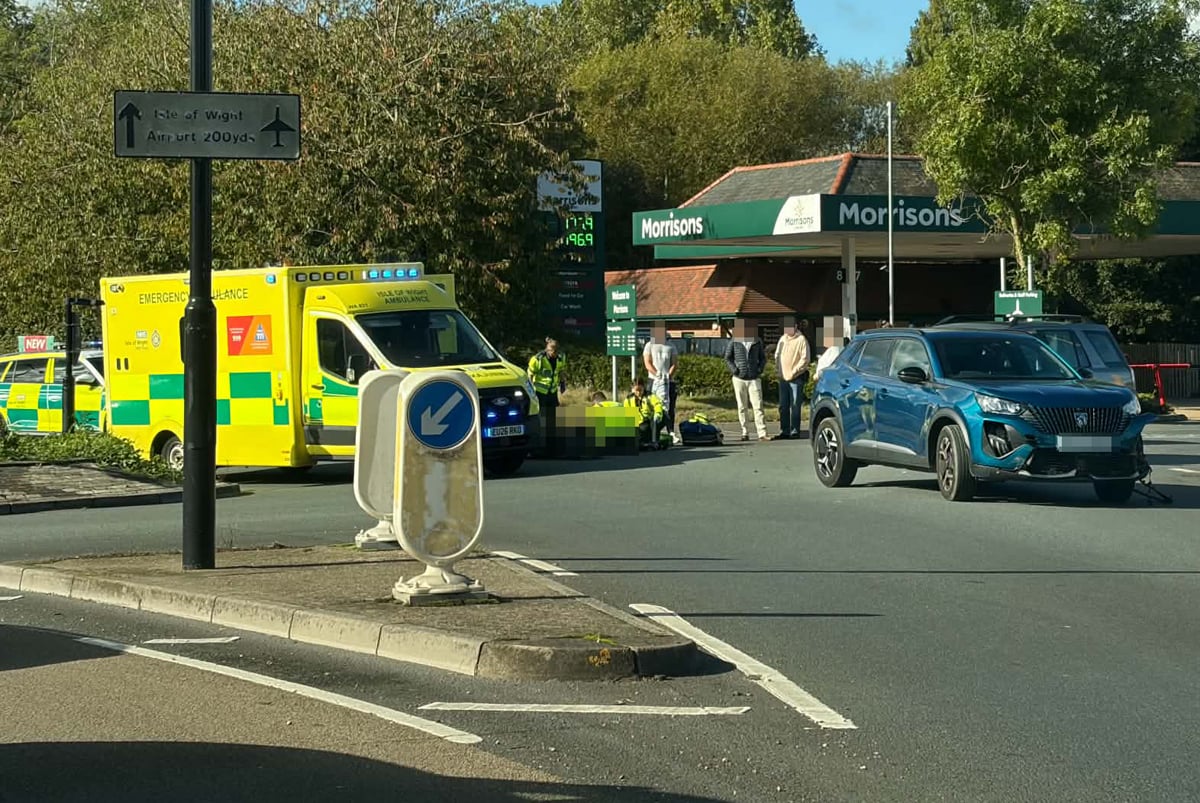
People who have been in a serious car accident and later start driving again can often be triggered by sights and sounds along their route, resulting in panic attacks, Hanaumi says. It can be something as simple as approaching an intersection or the sound of sudden braking that causes such episodes.
“On paper they are recovered, but their nervous system is still in survival mode, replaying the event and scanning for danger,” says Hanaumi.
For those who are encountering such situations, he advises them to view it as a phase, “as a continuation of care, not an afterthought.
“Seek out trauma-informed support, give your recovery a clear structure with small, achievable steps and surround yourself with people who validate that healing is not linear.”
Above all, Hanaumi says never disregard or minimise what you are going through but instead acknowledge and name it. That may be the “first powerful step towards feeling safe and in control again”.
Feeling ‘Abandoned’
Going a step further, some who are getting over their injuries may experience a complete sense of loss when their treatment concludes, according to experts like Michele LaFemina.
She is the clinical director of New Jersey-based Pathways Treatment Center and says the effects can ripple out into every aspect of a person’s life.
“People often feel a profound sense of abandonment once medical treatment wraps up, as if the safety net of doctors and appointments suddenly vanishes,” she says. “This leaves them wrestling with lingering grief, anxiety or even addiction triggers tied to the trauma, turning routine moments like family dinners or job interviews into emotional minefields.”
This lack of external structure allows self-doubt to creep in, LaFemina points out, “making it tough to trust their own resilience or rebuild a sense of normalcy”.
She gives an example of someone who has had a limb amputated following an accident. After physical therapy ends, this person may avoid looking at mirrors and make excuses not to attend social events. This is because, says LaFemina, their “confidence (is) shattered by phantom pains and unspoken fears of judgment. Daily life became a battle of isolation and irritability”.
To help in getting over these issues, LaFemina suggests people create a “recovery rhythm”, which they can do with “gentle, consistent rituals like guided imagery or support group connections”. They can see how they are progressing by talking to a counselor, she says.
“Healing thrives when you honour your emotions as teachers, not enemies, paving the way for genuine strength and connection.”
Stress of Seeking Compensation
So what about that money and getting what you are entitled to after an accident that was not your fault, whether on the road, in the workplace, out shopping or elsewhere? That can lead to its own problems, lawyers say.
“One challenge people commonly face after formal treatment ends is navigating the complex legal system to secure fair compensation while dealing with insurance companies that often delay or undervalue claims,” says William K. Holland of Holland Injury Law in St. Louis, Missouri.
The battle to get what you’re due can create prolonged financial stress as well as emotional strain as people wait for long months and even years, he says. The money is needed to cover expensive medical bills, loss of earnings and pain and suffering caused by an accident. Many injured parties are eager to learn more here about their situation and discover the legal options available to them during such a difficult time. Accessing reliable guidance helps demystify the claims process and provides much-needed clarity on the path toward recovery.
Holland had a female client who was suffering from a traumatic brain injury following a collision with a truck. The patient was cleared by doctors after six months but couldn’t get anywhere with her insurance company. Negotiations with them were “dragged out” and, unable to return to work or plan her future, the woman became buried in a mountain of debt.
Holland says “everyday activities like grocery shopping or family outings trigger anxiety because unresolved legal battles keep the trauma fresh and finances unstable.
“My clear advice is to consult an experienced personal injury attorney immediately after treatment to document everything thoroughly and file claims promptly. This empowers you to focus on healing rather than fighting battles alone, turning uncertainty into a structured path toward justice and stability.”
Brittnie Panetta, a personal injury attorney at Matthews & Associates in Santa Clara, California, agrees with this strategy. For her and her clients, it’s as much about keeping track of everything before, during and after treatment as the actual recovery itself.
“Our clients that have been exposed to toxic substances are understanding how to cope with the long-term health and financial consequences long after medical treatment ends,” she said.
“Many victims may feel physically better but still face many lingering symptoms. We had a family affected by wildfire smoke and chemical exposure, which led to respiratory issues months later.”
Panetta says that following a period of treatment for injuries from an accident, life can become a “constant balancing act between managing ongoing medical care and navigating insurance or corporate accountability.”
And so, she advises, people should document as much as possible and also get guidance early on. Make sure to keep all medical and other records and seek to fully understand your legal options before deciding on any one course of action.
“As someone who has devoted her career to helping underrepresented victims, from complex toxic torts to wildfire claims, I have seen that careful planning and proactive advocacy are critical to securing both justice and stability for affected families.
‘Not the Same as Before’
A mistake in recovery lies in thinking that you will be like you were before an accident when recovery ends, because it can be the case that you will be nowhere near that. That’s the experience of Michael Helfand, a Chicago injury attorney with law firm Illinois Lawyers.
“The biggest challenge I see is that treatment doesn’t end when you are 100% and as good as before; it ends when you are as good as you are going to get,” he says.
“The term we use is maximum medical improvement. I think most people assume they will make a full recovery and now are in worst-case scenarios dealing with a lifetime of pain.
“For people who had an active lifestyle before, that can be tough. What ends up happening is they often call other lawyers or come back to us a year or two after the case is done because they have regrets that they are still in pain.”
When injured people are trying to get their life back to what it was before, post-treatment, they may find it’s difficult to do such simple things as playing with their children or grandchildren or being able to work out, which can be “mentally taxing”, says Helfand.
It can lead to significant weight gain as well as depression, and there can also be “big financial challenges if there wasn’t enough insurance to properly compensate you”.
Helfand recommends that sufferers “lean on people in your life and accept help” because “it’s needed”, adding that they should not neglect their mental health either.
“Talking about it to someone who understands can be really helpful. But if I’m being honest, if someone is in a car accident, has a back fusion, and we can only recover a small amount for them due to insurance limits, if they were healthy before this, it really comes down to are they the type of person who can adjust to their new reality or not.”
That, he says, “sounds harsh, but it’s honest.
“I have empathy and talk to people about these challenges all of the time. But if you have bills to pay and are really hurting, that advice doesn’t help much or not as much as I’d like.”