



















































The Isle of Wight is one of the most beautiful destinations to visit in the UK, offering scenic beaches, exciting music festivals, delicious food and drink, historic attractions, and the sunniest climate in the country. For these reasons, it attracts more than 2.7 million people annually, helping to boost the local economy by 30%. Now deemed a tourism hotspot by many, its popularity across the UK helps support small and large local businesses and offers many job opportunities to residents. Continue reading to learn about the three Isle of Wight industries generating tourism.
1. Entertainment
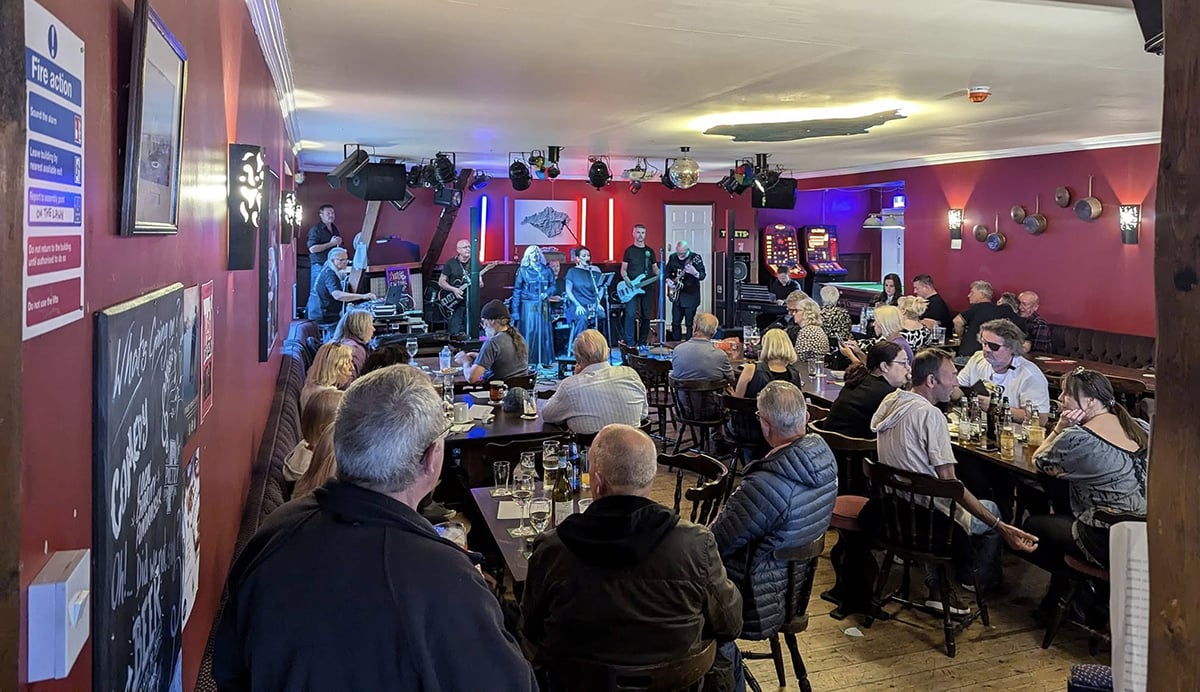
Entertainment is big business for the island, as it has become famous for its live events and festivals, such as The Isle of Wight Festival, Riverfest, Wolverton Folk and Blues Fair, and Isle of Wight Walking Festival, to name a few. The popular events have a huge impact on the local economy, helping to attract many visitors to the island throughout the year and contributing an incredible £30 million annually. Also, 100% of the smaller festivals’ expenditure is directly given to local suppliers, contractors, and businesses. In addition to festivals and events, the island has received a big economic boost following the rise of digital casino entertainment, which provides a steady revenue stream to local governments. Also, residents and tourists can access online gambling platforms during their stay, meaning they may have more money to spend at shops, restaurants, and attractions. For instance, domestic and international tourists can access a casino Swiss online site on the island, providing a fun and versatile experience for all visitors.
2. Hospitality
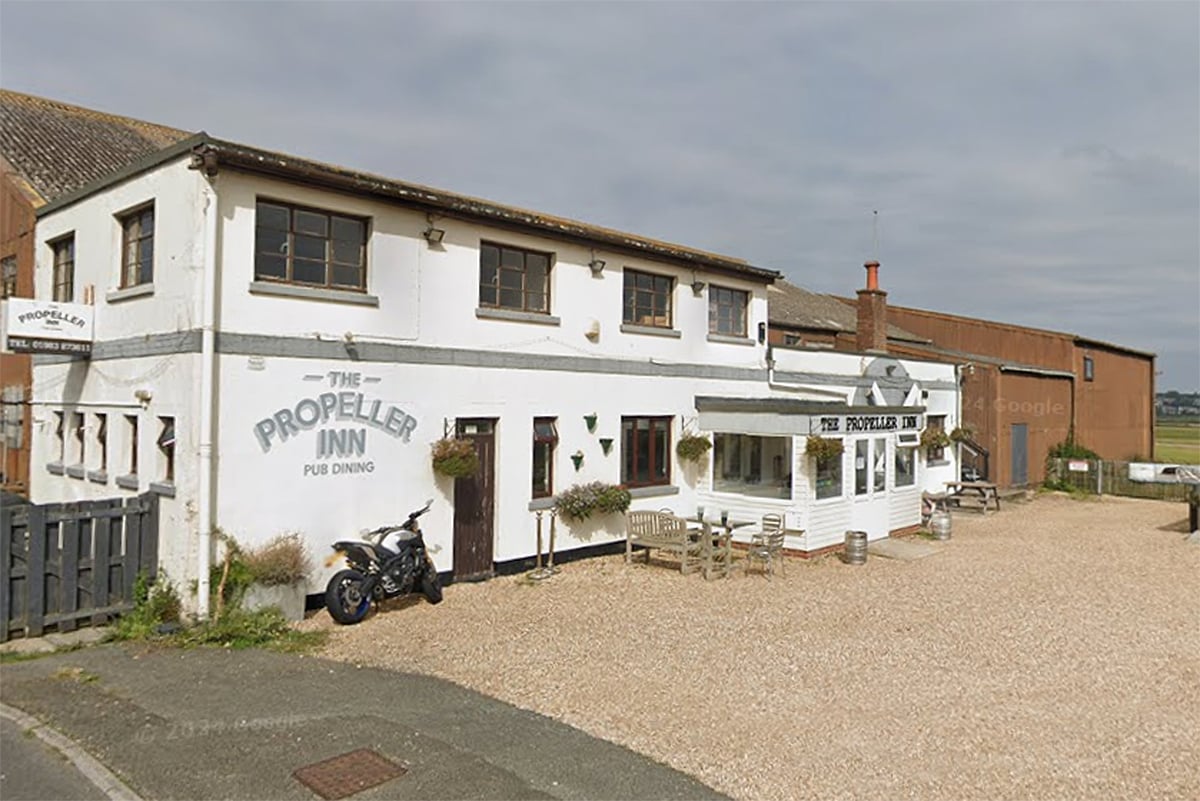
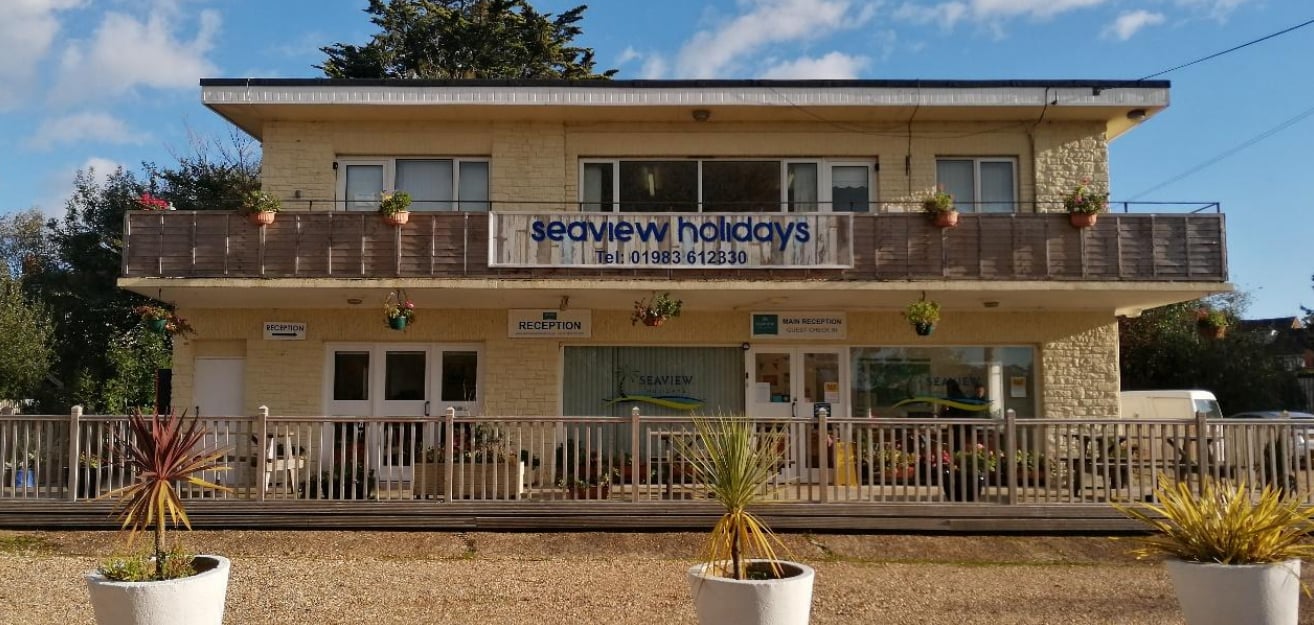
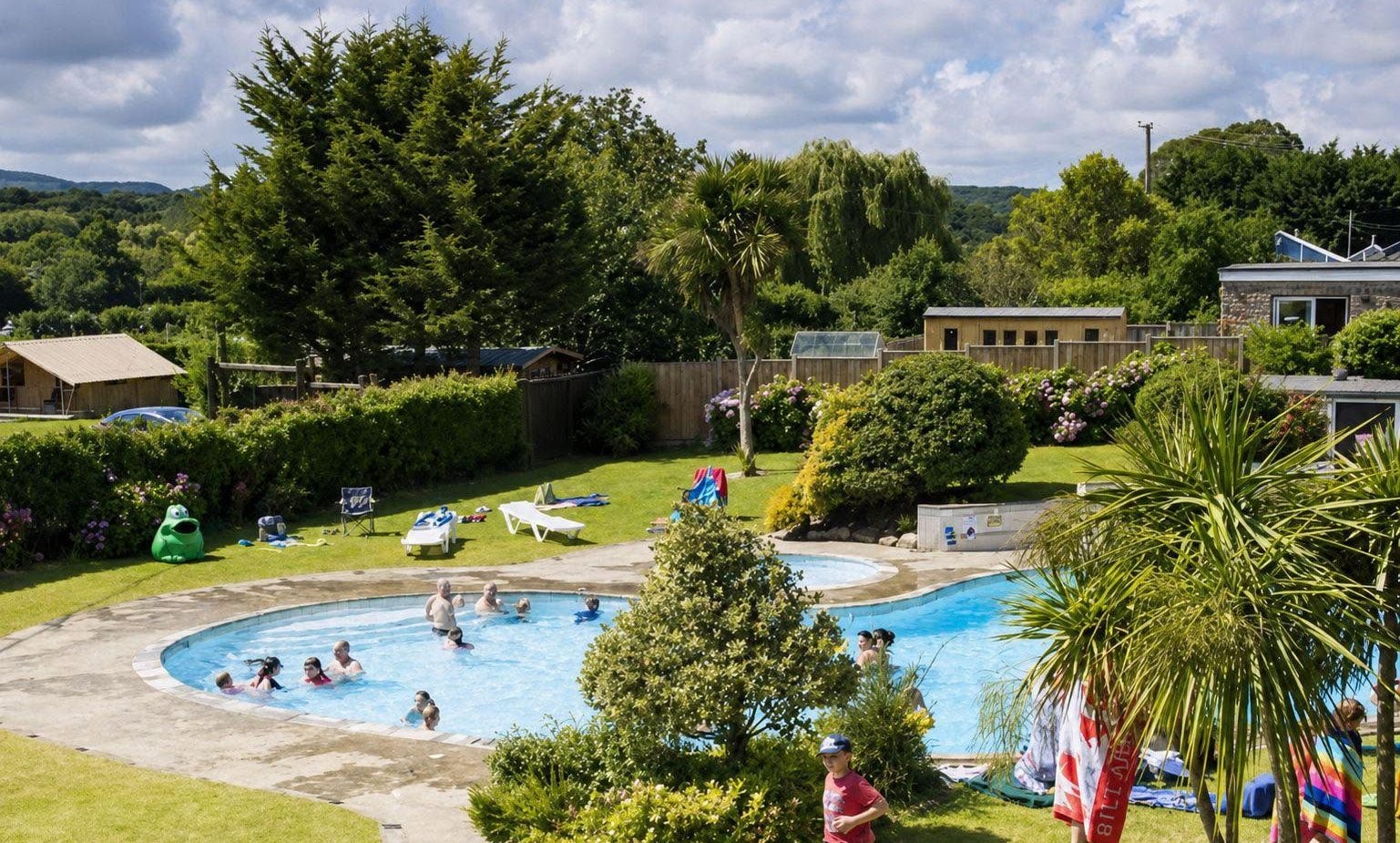
Hospitality contributes a substantial sum to the Isle of Wight’s local economy. For this reason, the council reportedly distributes an incredible £4.5 million to its hospitality and leisure businesses. It’s easy to see why, as many tourists will need to book bed & breakfasts, hotel rooms, guest houses, and holiday parks to rest and recover after a fun day of sightseeing. Also, the Isle of Wight is known for its delicious food and drinks, attracting tourists from across the UK and beyond to the island. Its exceptional restaurants for all budgets, sleek bars, and 120 pubs provide many job opportunities and contribute to the local economy.


3. Marine and Maritime
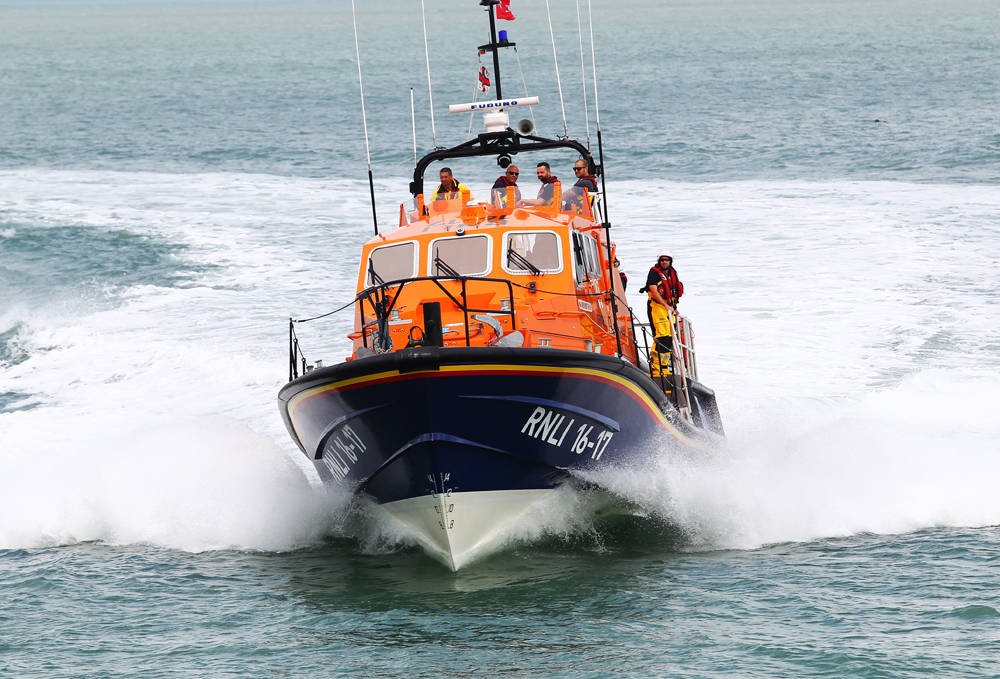
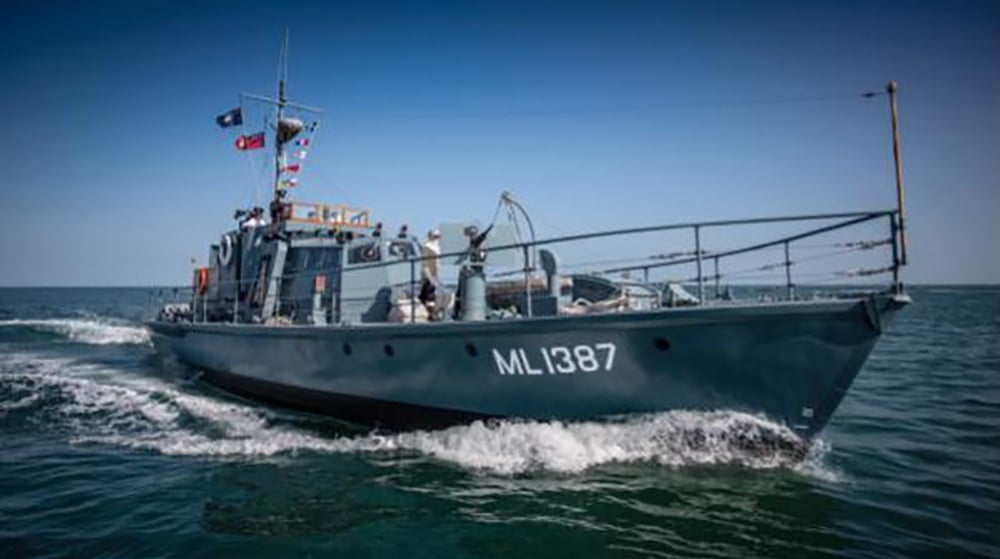
The marine and maritime industry contributes considerably to the Isle of Wight’s economy. It is one of the biggest and most productive sectors in the Solent due to maritime trading, shipping, fishing, and recreation, reportedly accounting for a whopping 20.5% of its GVA. Also, it is responsible for 40,000 local jobs and provides economic support to over 3,000 businesses. The industry is expected to grow over the coming years by at least 5% in the Solent region, too. Of course, the most common way to reach the Isle of Wight is by ferry, and there are frequent, daily crossings from Red Funnel, Hovertravel, and Wightlink. As it isn’t possible to drive directly into the Isle of Wight, the ferry plays a major role in the city’s tourism.
Conclusion
Tourism is fundamental to the Isle of Wight, as its visitors, who mainly travel from other parts of the UK, inject half a billion annually into its economy. As the tourism board is working on lowering ferry fares, holding festivals outside of peak periods, and making the island more accessible to people with disabilities, the tourism numbers are likely to grow over the coming years. As a result, it could mean increased revenue and profit for businesses in entertainment, hospitality, and marine and maritime industries, which will help the island thrive year after year by boosting its economy and providing residents with many job opportunities.