














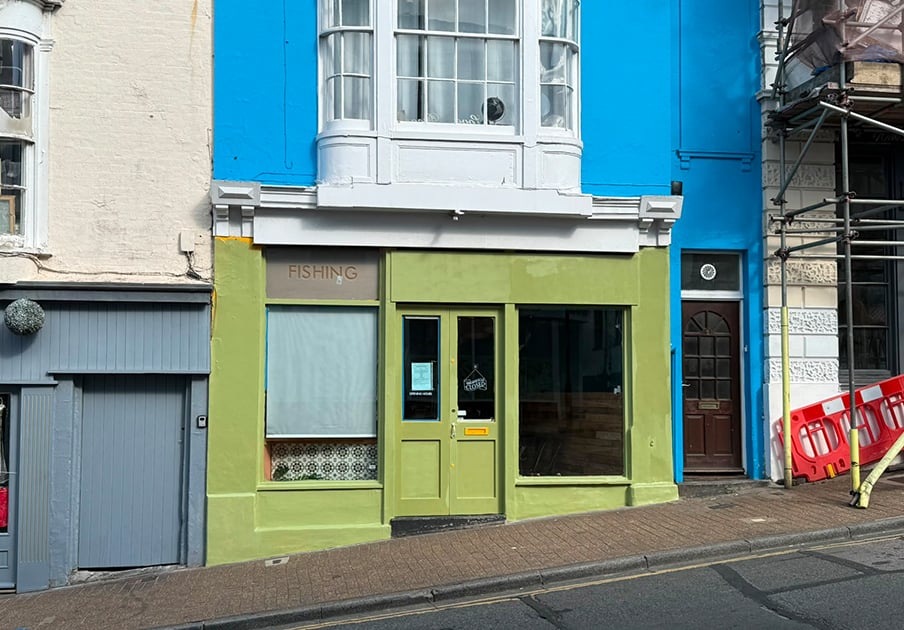



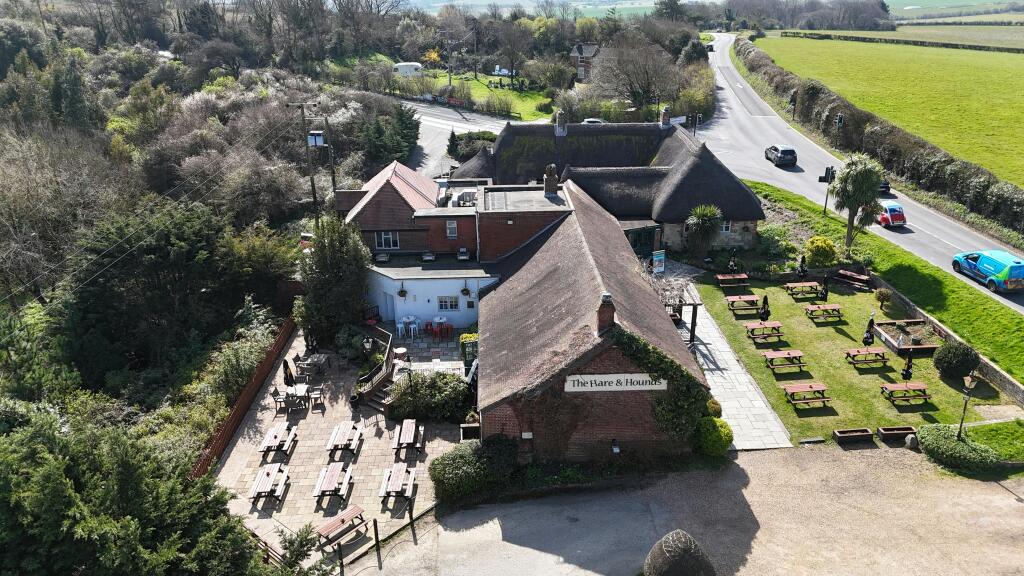
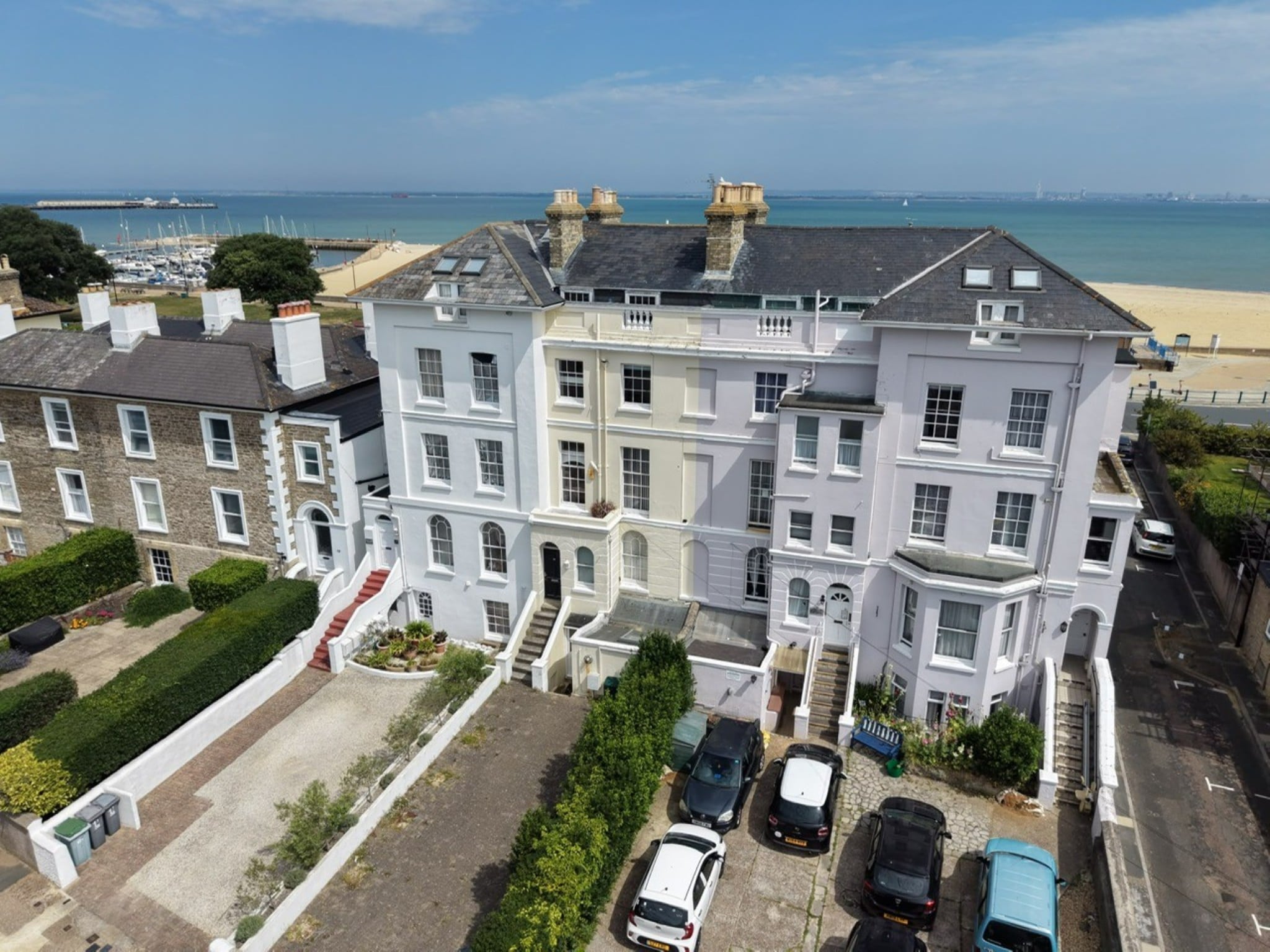















In the 5th edition of Isle of Wight pubs, Island Echo examines the history behind 4 of Sandown’s current watering holes.
Unlike, for example, Brading, Yarmouth and Newport (and Newtown), Sandown does not have a long history as a town.
Sandown grew from a cluster of fishermen’s cottages with the coming of the railway in 1864. However, the town had no more than 2,350 residents in 1871.

That said, the seaside town has never had a shortage of pubs. Most served the soldiers in Sandham Fort in what was then called Lower Sandown.
In 1869, there were 7 public houses in the Fort Street area (now called Avenue Road). These were: the Prince of Wales, The Fort Tavern (Caulkheads), The Fountain Inn, Hotel Tap (the Tap), The Star Inn, the Barleycorn Inn, and the Marine Inn. There was even a Temperance Inn for non-drinkers.
The Star Inn (present day Fort Street) was the local house of ill-repute in this part of town. Its landlords were frequently hauled before the magistrates for cases of drunkenness and the sale of beer outside permitted hours. It was also the haunt of local poachers, who were caught in the vicinity of the pub with game and illegal traps.
The Star Inn closed on 20th March 1869, when its last landlord died of a heart attack in the middle of the afternoon. The inn never reopened its doors and sadly there is no photographic record of it.
Caulkheads (previously the Fort Tavern) – Avenue Road
The Caulkheads has been around since at least the 1860s. It has also been styled as ‘Ye Fort Tavern’.
In its early days, the Fort Tavern was managed by Thomas Stone, reputedly the heaviest man on the Isle of Wight. When he died, it was said that his coffin was as wide as it was long.

Stone made the Fort Tavern into a thriving business, selling not only beer but also coal, wood, vegetables, and poultry. It was possible to stable horses in the tavern; there was a reading room for which local auctions of land and buildings were held; board and lodging were available.
The enterprising landlord also ran some events that appear ‘strange’ to contemporary readers. On 24th October 1867, Stone organised ‘A sparrow match for a pig’. The winner of the porcine prize was a Mr. W. Colenutt of Shanklin, who succeeded in shooting 5 sparrows dead.
Old Comical (formerly the Commercial Hotel) – St John’s Road
The Commercial Hotel (Old Comical) is believed to date from 1867.
In its early days at the Commercial Hotel, was possible to partake of “L. Lake’s celebrated Isle of Wight Ales, Draught and Bottled Stout, Wines and Spirits at moderate prices”. Patrons could also stable horses, hire carriages, buy the Sunday papers, and play bagatelle and skittles.
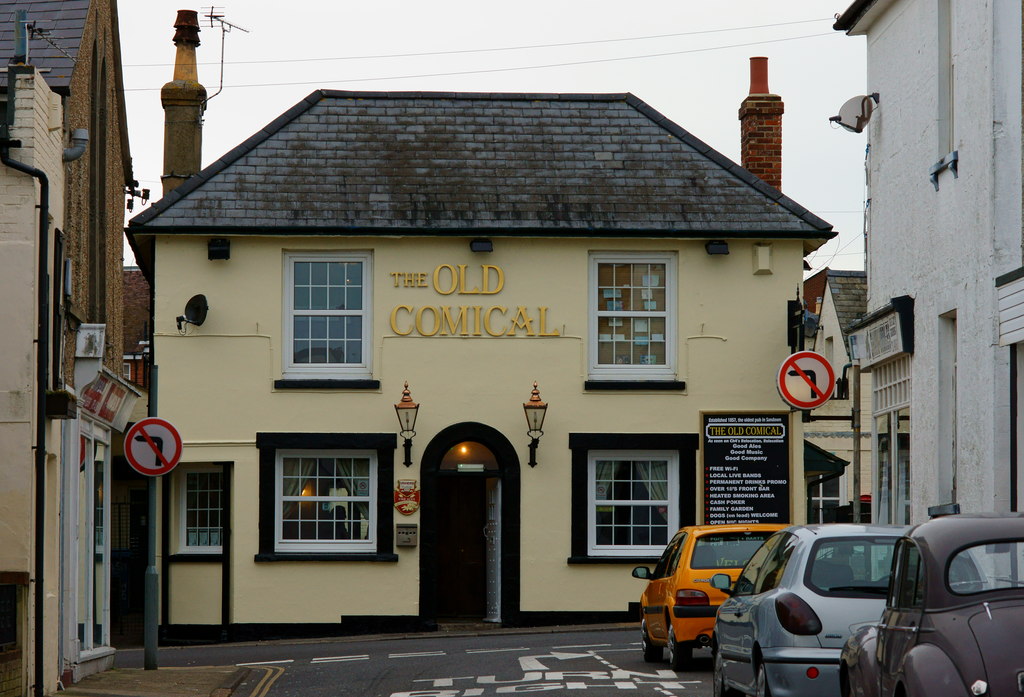
In 1888, the Commercial was put up for auction and sold for £2,000. The hotel was bought by Messrs Gale & Co., brewers of Horndean, and remained in their ownership until the late 20th century.
In 1996, the Commercial Hotel was renamed The Cask and Codpiece against the objections of many locals and regulars. The following year, this was changed to The Cask and Old Comical. Finally, the owners settled on the endearing appellation The Old Comical by which the pub has been known to this day.
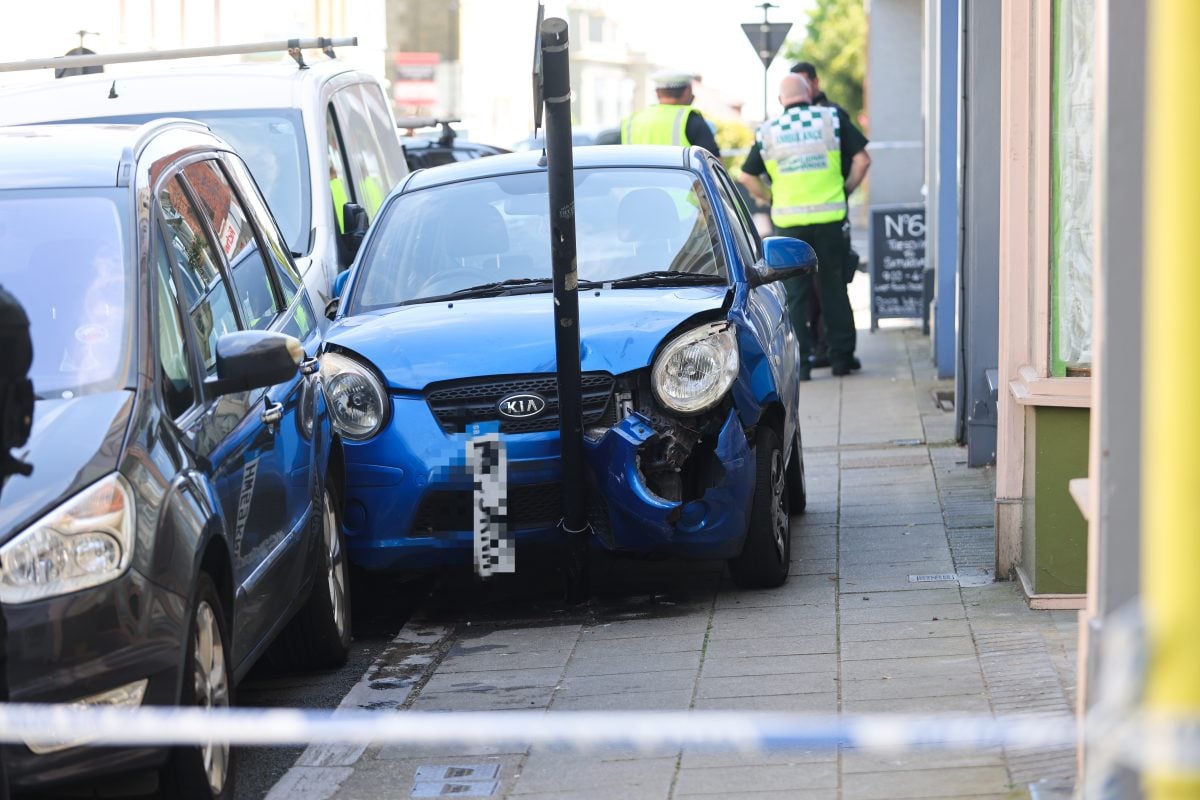
In 2018, the Old Comical was the scene of an attempted murder.
The Castle (formerly the Castle Inn) – Fitzroy Street
The Castle Inn is believed to date from 1872. It has grown considerably in its century-and-a-half of trading.
The original beer house was demolished and reconstructed in 1934. The following year, intruders broke into the Inn and made off with the paltry sum of 5s (25p) and some cigarettes.
In 1954, the public bar and cellar were extended into the cottage (No.14) next door. 2 years later, the Castle Inn was further enhanced with a Chateau bar, and illuminated beer garden was opened. In 1960, an extended L-shaped” Lounge Bar was completed.
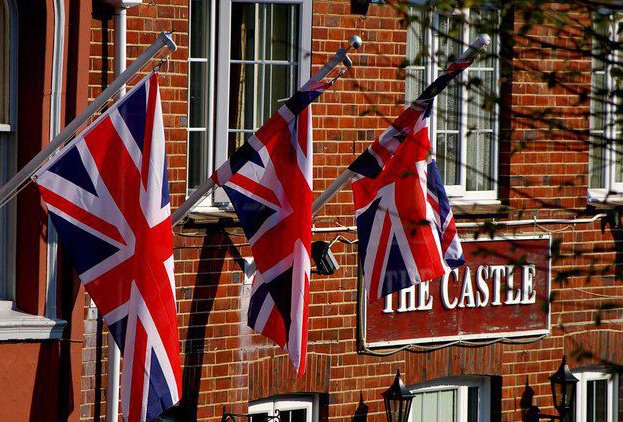
The Castle Inn continued to prosper with an ever-greater number of customers. In 1963, the eating area was moved upstairs to a small and intimate restaurant called The Turret Grillroom, which swiftly became 1 of the most popular Island eateries. In keeping with modern times – as with so many older pubs – the walls separating the inner rooms were removed to create 1 large bar.
The Castle Inn was owned by Alton Brewers Messrs Crowley & Co. before being taken over, by Watneys Brewery. By the early 1970s, the hostelry dropped the word ‘inn’ to become ‘the Castle’.
The Sandown Tap (the Tap) Avenue Road
The Tap is believed to date from 1857 and was originally known as Hotel Tap.
In 1935, Sunshine Hotels Ltd/Brickwoods Brewery took over what was then called The Sandown Hotel and Hotel Tap, simultaneously purchasing the corner property of No. 4 Avenue Road.

Brickwoods then redecorated the Sandown Hotel and building a new Lounge Bar on the side. Extensive structural alterations were made to supply the new lounge with new cellars and a new pumping system. The Tap was refurbished with oak panelling and green leather upholstery. The connection with Sunshine Hotels was marked with an electric clock of golden-sun design, appropriately marking the connection with “Sunshine Hotels”.
Brickwoods Brewery owned the Tap for most of its life until Whitbreads took over.
The above are only 4 of many present and former pubs in Sandown. No doubt we shall return to the seaside resort at a future date to cover some of those not mentioned so far…
In the following and final edition of Isle of Wight pubs, we shall examine the 8 watering holes that formerly graced Carisbrooke.