










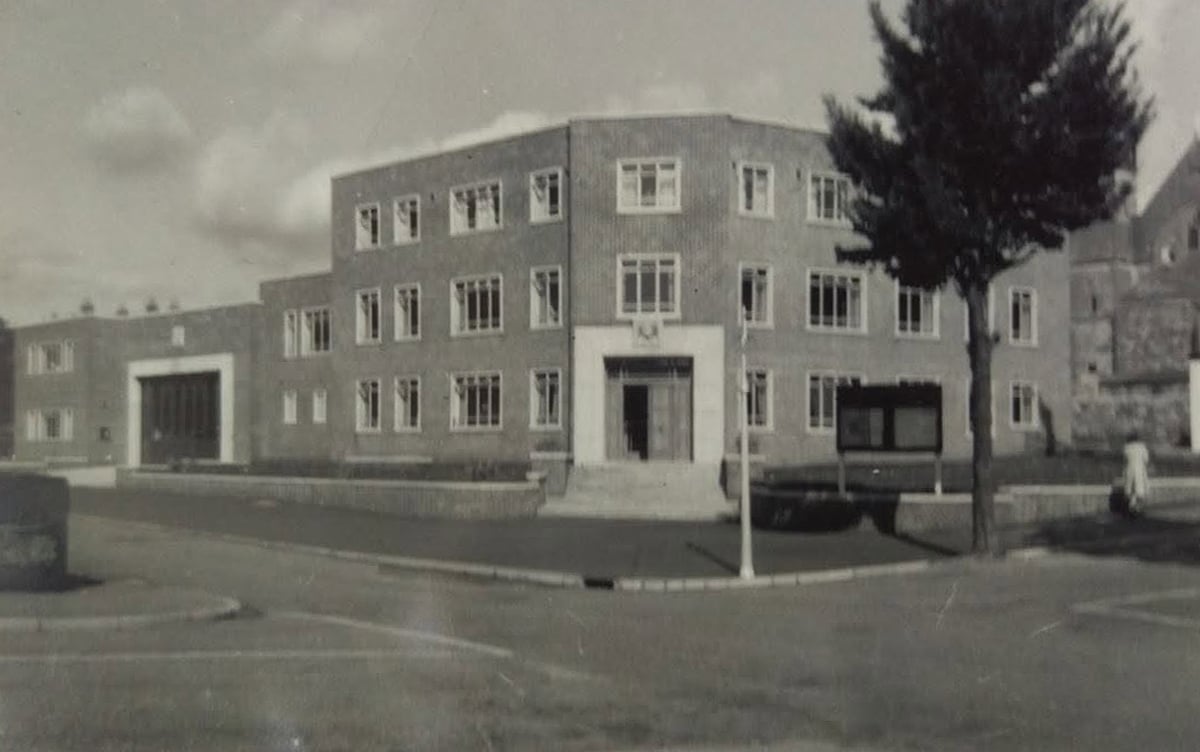
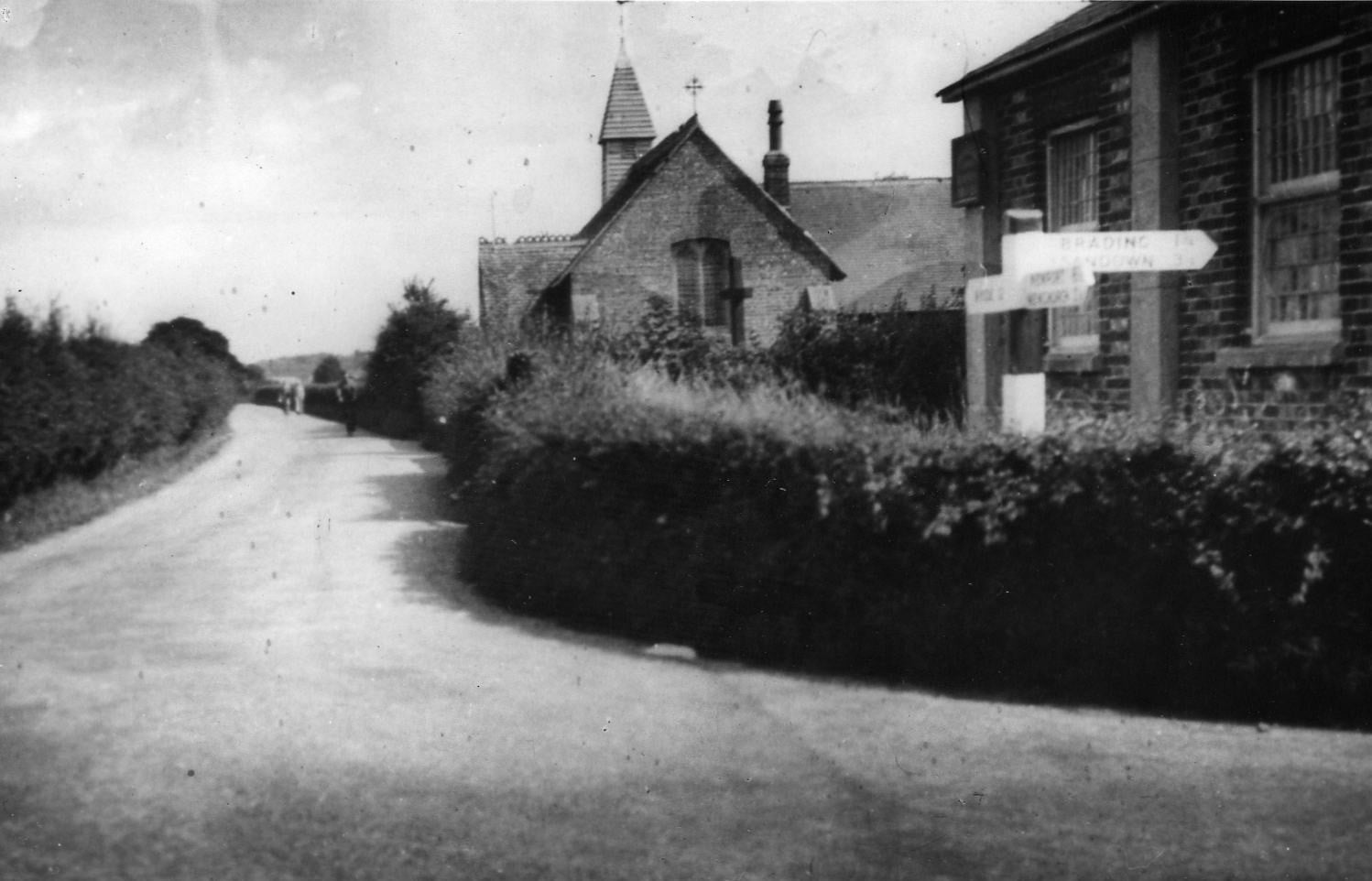





























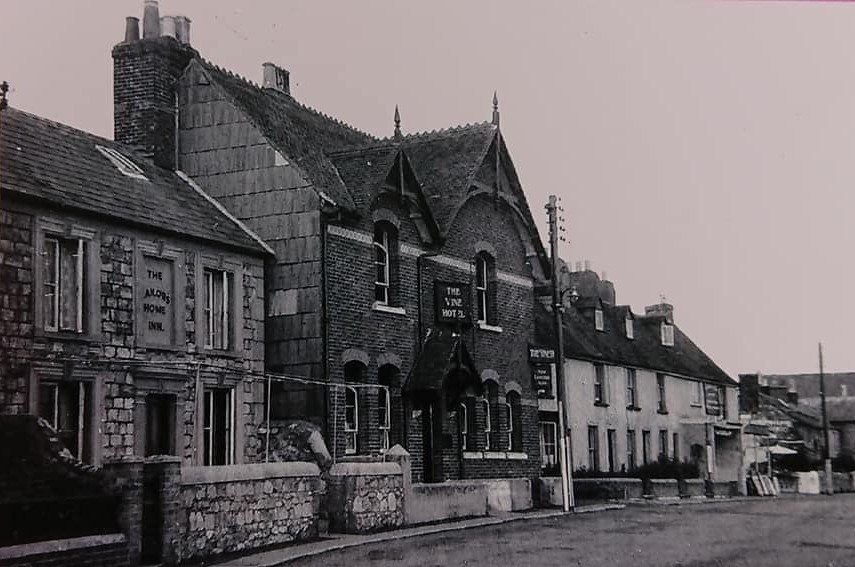

In our Isle of Wight Pubs series, Island Echo takes a closer look at St Helens – a village whose pubs grew around the Green, the tide and footfall.
St Helens has never been a compact settlement. Instead, it spread itself around wide greens and the edge of a tidal harbour, with movement rather than density shaping social life. People gathered where paths crossed, where cricket was played and where boats landed. For a time, this produced an unusually competitive pub landscape for a small village: two pubs side by side by the green, and another at the water’s edge, existing not as destinations but because people naturally passed by or had to wait.
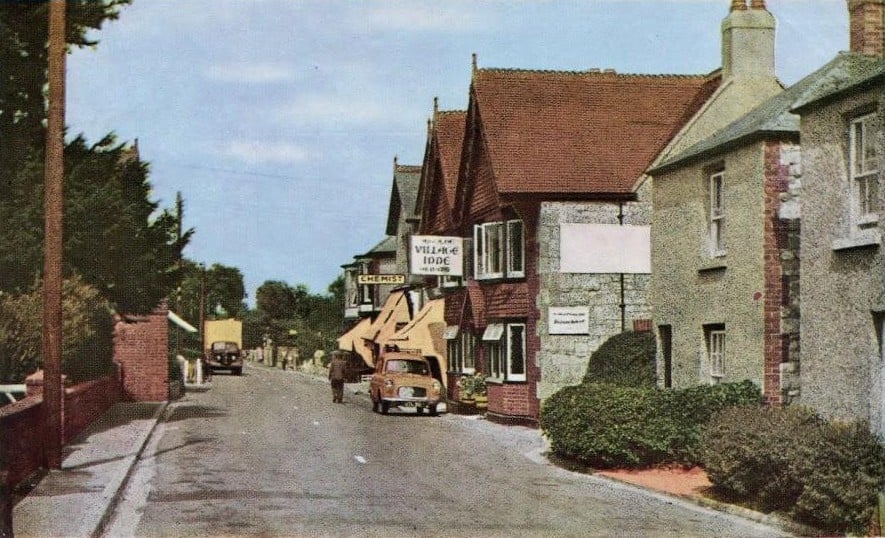
The Vine Inn (Upper Green Road)
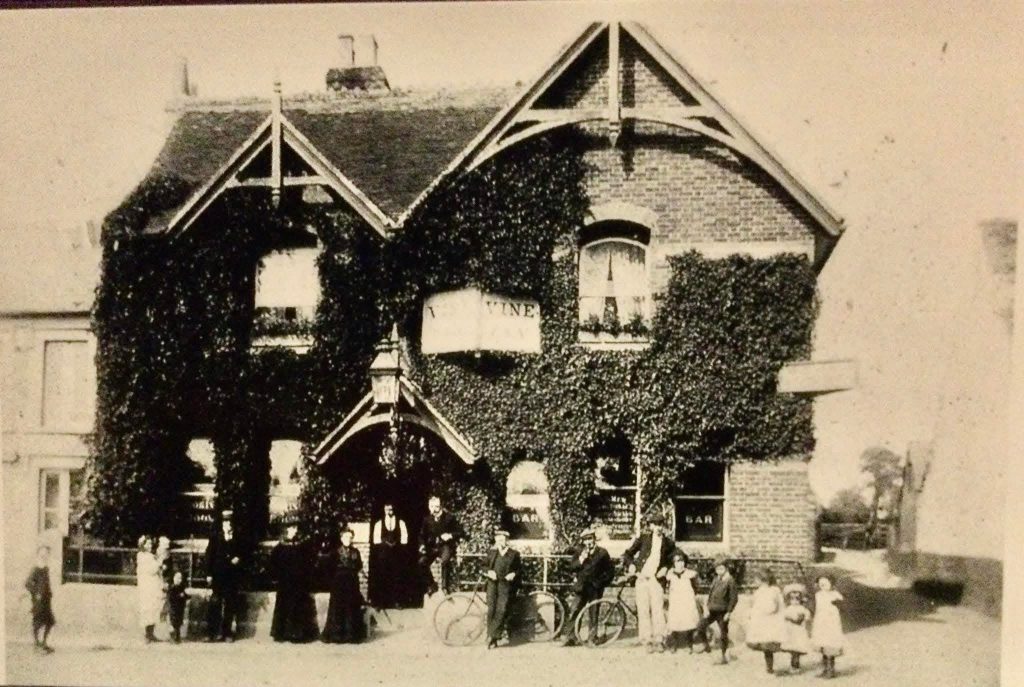
For much of the 20th century, the Vine functioned as St Helens’ main social hub.


The Vine Inn dates from the late 19th century, built around 1890. Before it existed, an earlier pub called the Sloop Inn stood at the east end of the village on the site now occupied by Sloop Cottage, showing how drinking places shifted as the village itself evolved.
Ownership of the Vine passed through several breweries, including Mew Langtons, Strongs of Romsey and later Whitbread. In 1955, Archie and Isabel Hayden took over the pub and transformed it. Archie converted the rear of the building, previously used as stores and stables, into a large bar with a dance floor and space for entertainment. What followed was a level of activity rarely matched in a village pub: rock ’n’ roll dances, skiffle nights, talent competitions and Yard of Ale events.
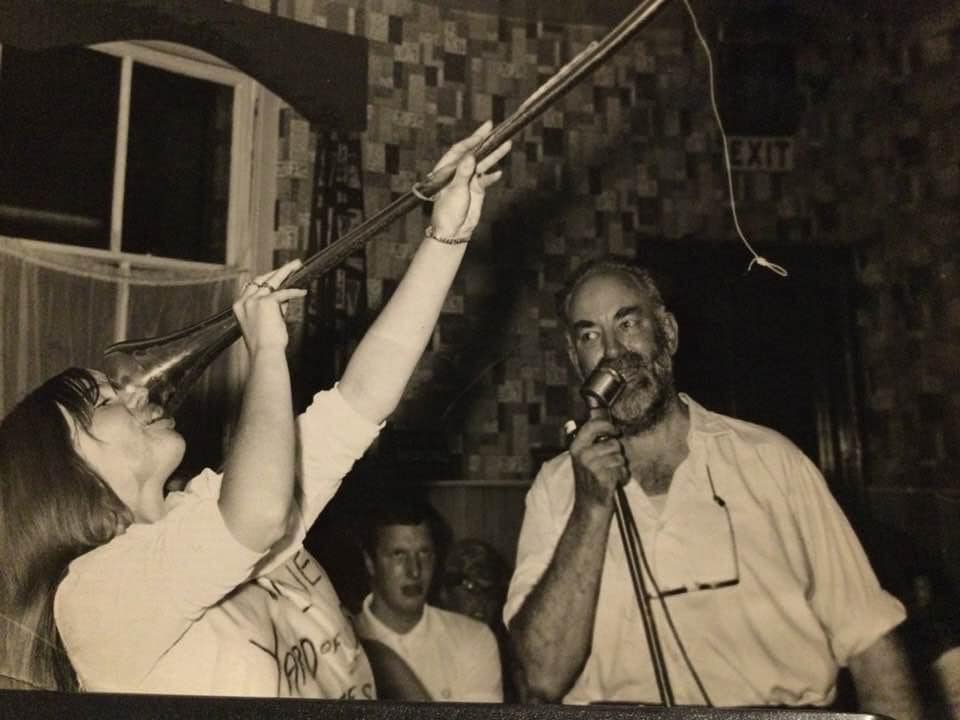
Acts were brought in from outside the Island, and Craig Douglas sang there before becoming a pop star. Archie also ran a youth club, allowed local youngsters to use his skittle alley and opened his television room at a time when few homes owned a set. In 1966, when England reached the World Cup Final, Archie applied for a special licence to open from 2.00 pm until 5.00 pm so customers could stay and watch the match. A hired 24-inch television, the largest available at the time, was set on beer crates for the occasion.
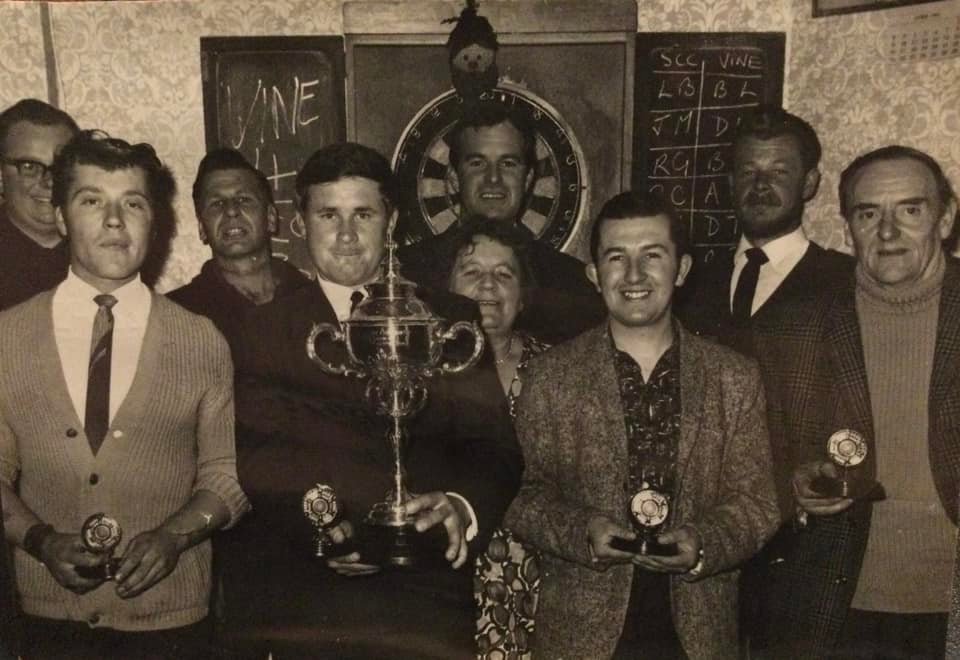
Before the Haydens, the pub was run by the Midlane family. An oil painting once hung in the Vine titled The Smuggling Gang, depicting several Midlane family members and quietly linking the pub to older coastal folklore.
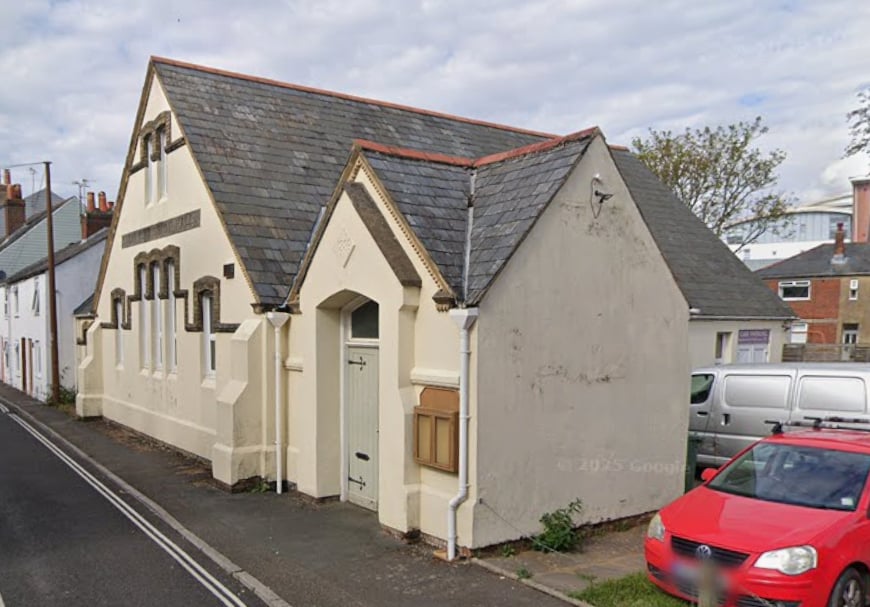
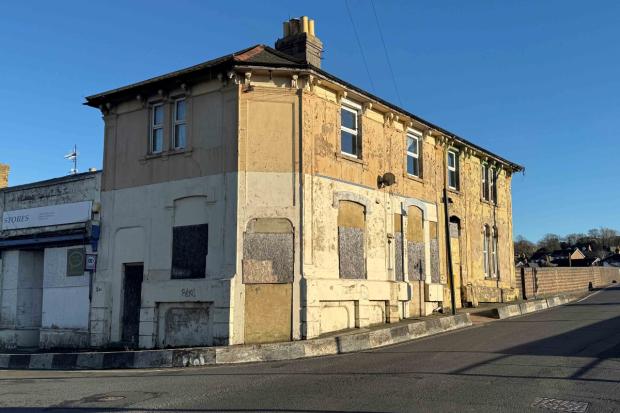
Sailors Home (Upper Green Road – closed)
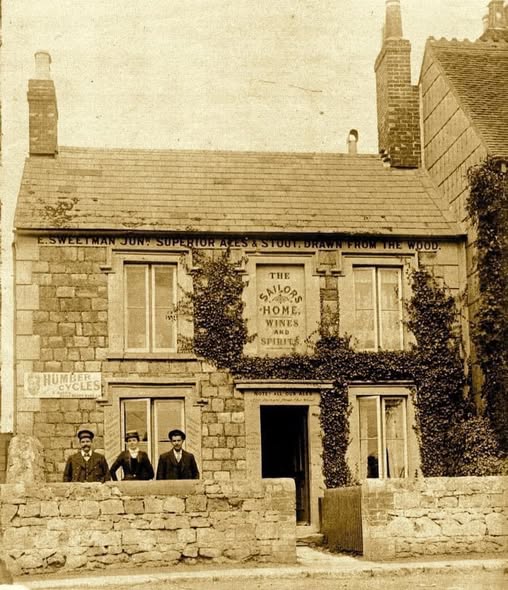

The Sailors Home predates the Vine and later stood beside it, giving St Helens a rare choice of pubs.
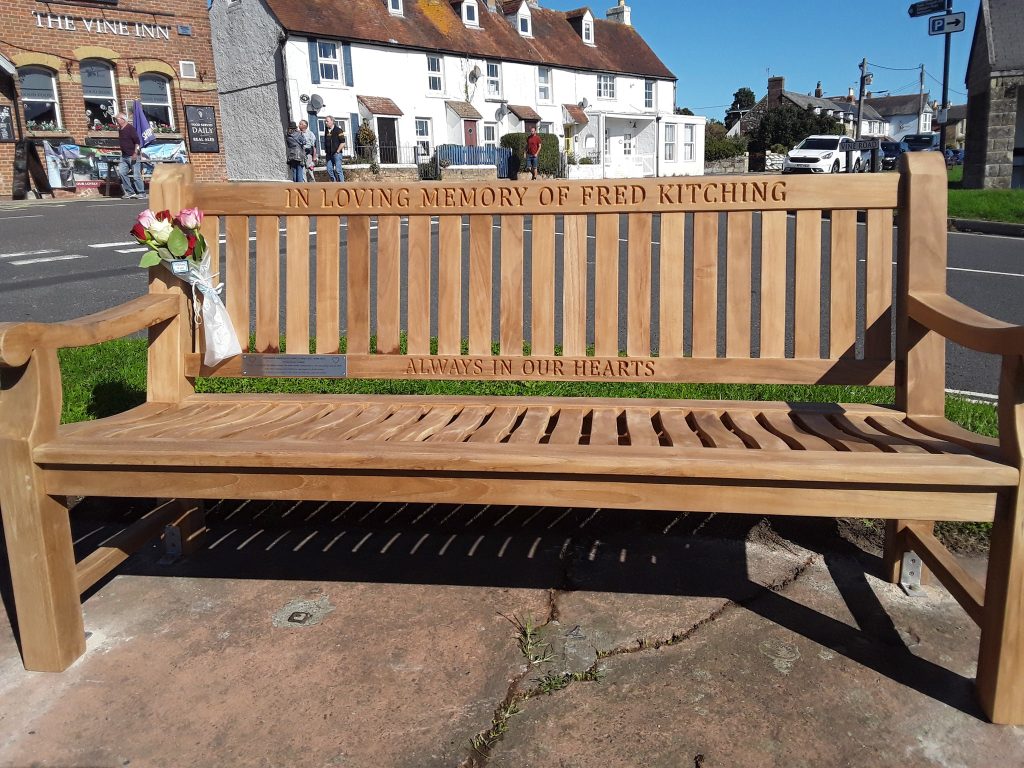
The Sailors Home was operating by the late 19th century and eventually stood directly next door to the Vine, creating an unusual situation in a small village. From around 1919 or 1920 until 1941, it was run by the Kitching family. Amy Jane and Walter Kitching were followed by their daughter Elsie and her husband Charlie, who carried the pub into the early years of the Second World War.
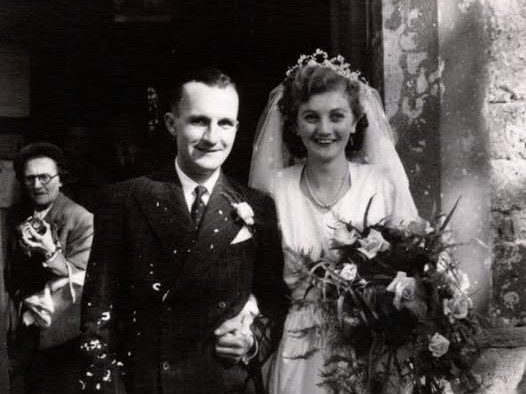
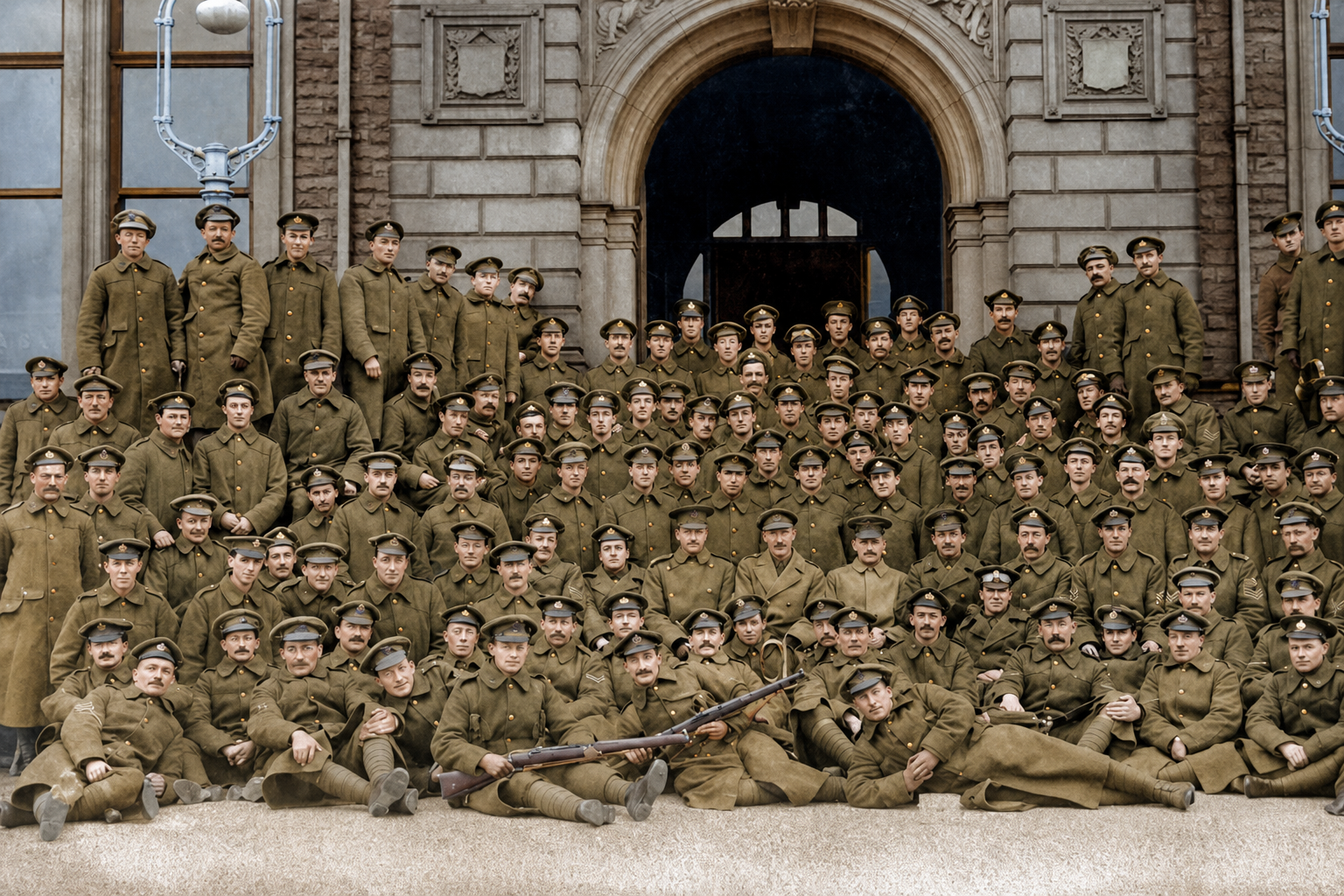
Charlie Kitching had joined the RAF Volunteer Reserve and was called up shortly before the war began. Elsie and her daughter continued running the pub until January 1941, but wartime pressures made it impossible to continue. The period was busy, with large numbers of soldiers stationed nearby, particularly those connected with Nodes Point Battery, for whom the Sailors Home and the Vine were the nearest pubs.
After the Kitchings left, the pub briefly passed to Jane Moul and her husband before she departed with a Norwegian sailor, the skipper of a motor torpedo boat built at Woodnutts Boatyard. The Sailors Home then closed temporarily before being taken over in 1942 by Jim Mantle, who ran it for around twenty years. His daughter Maisie and her husband later continued the business until 1970, after which the pub closed and was converted into a private dwelling.
The Ferry Boat Inn (The Duver – closed)
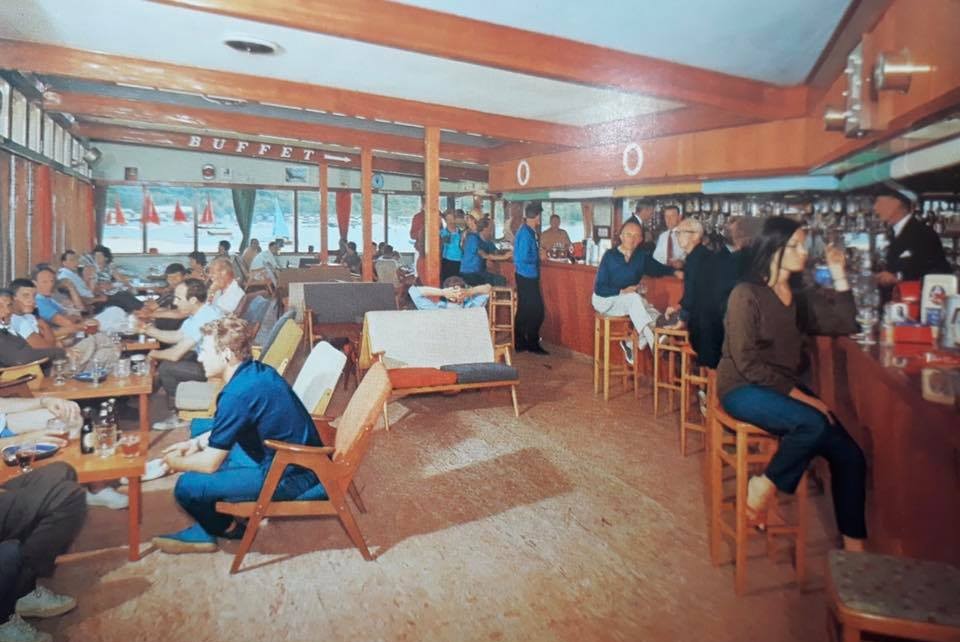
The Ferry Boat Inn existed because people had to cross the harbour and wait.
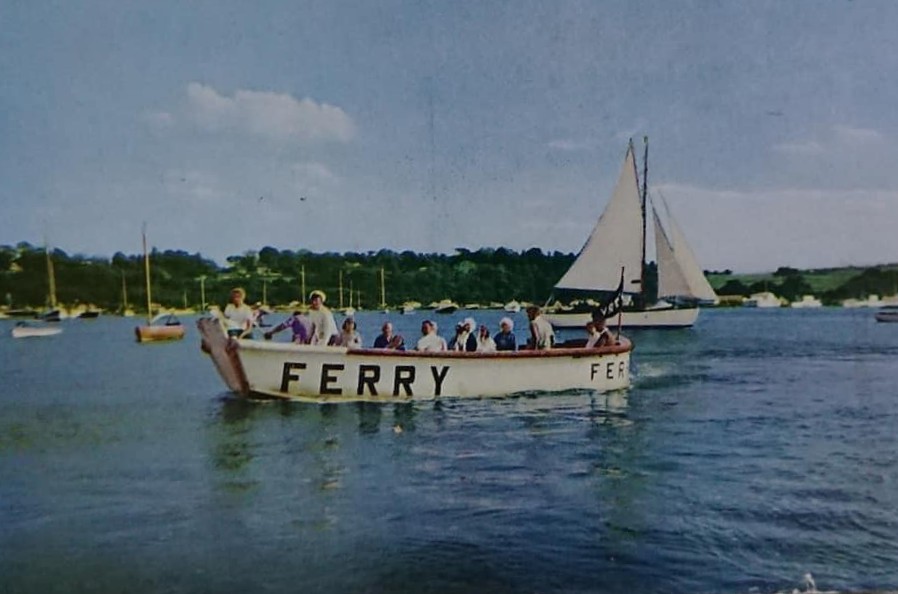
A ferry once ran across the Duver between St Helens and Bembridge, and an inn stood beside the crossing from around the mid-17th century until about 1900. Old maps identify it as the Ferry House Inn, and engravings show a building closely tied to the working harbour. Golfers were among its regular customers, travelling by ferry from the Spithead Hotel in Bembridge.
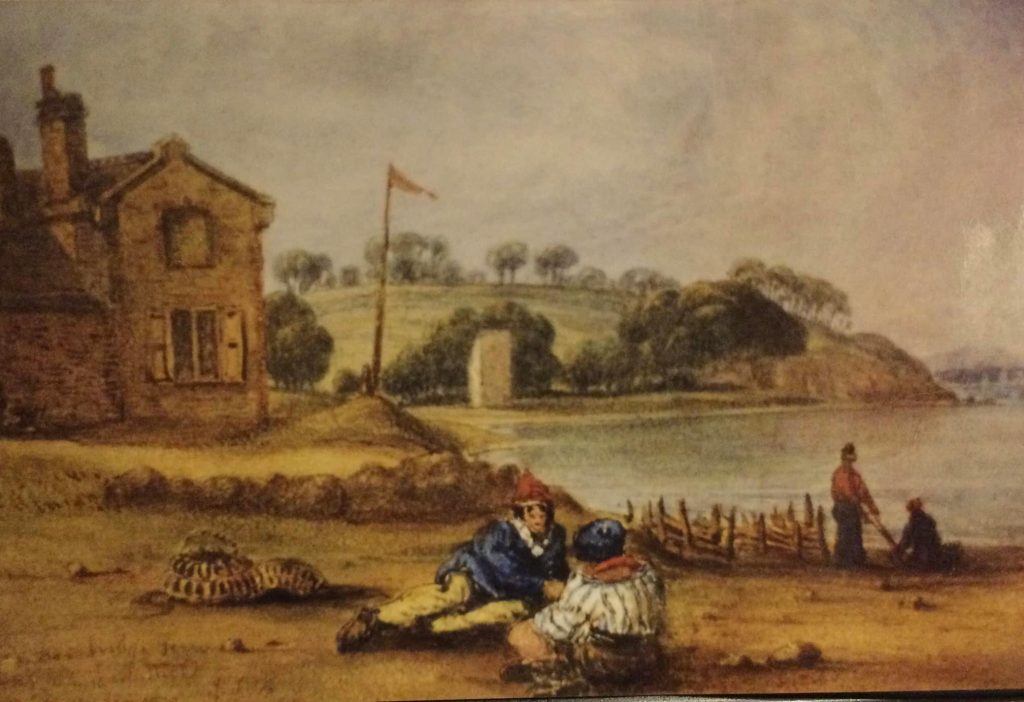
In the late 1960s, a new Ferry Boat Inn opened on the Duver, run by Kay and Mike Attrill, who also operated the ferry. Kay Attrill became a familiar local figure, and the pub provided work alongside the ferry and boatyard. As ferry use declined and harbour activity changed, the pub’s purpose faded. It was never a destination; it existed because tide and timetable demanded it.
Do you remember the Vine’s dance nights, the Sailors Home next door, or crossing the Duver by ferry? What stories of St Helens pubs are yet to be told?