








































Alfred Noyes – 1 of the best-known English poets of the 20th century – passed away on the Island on 25th June 1958.
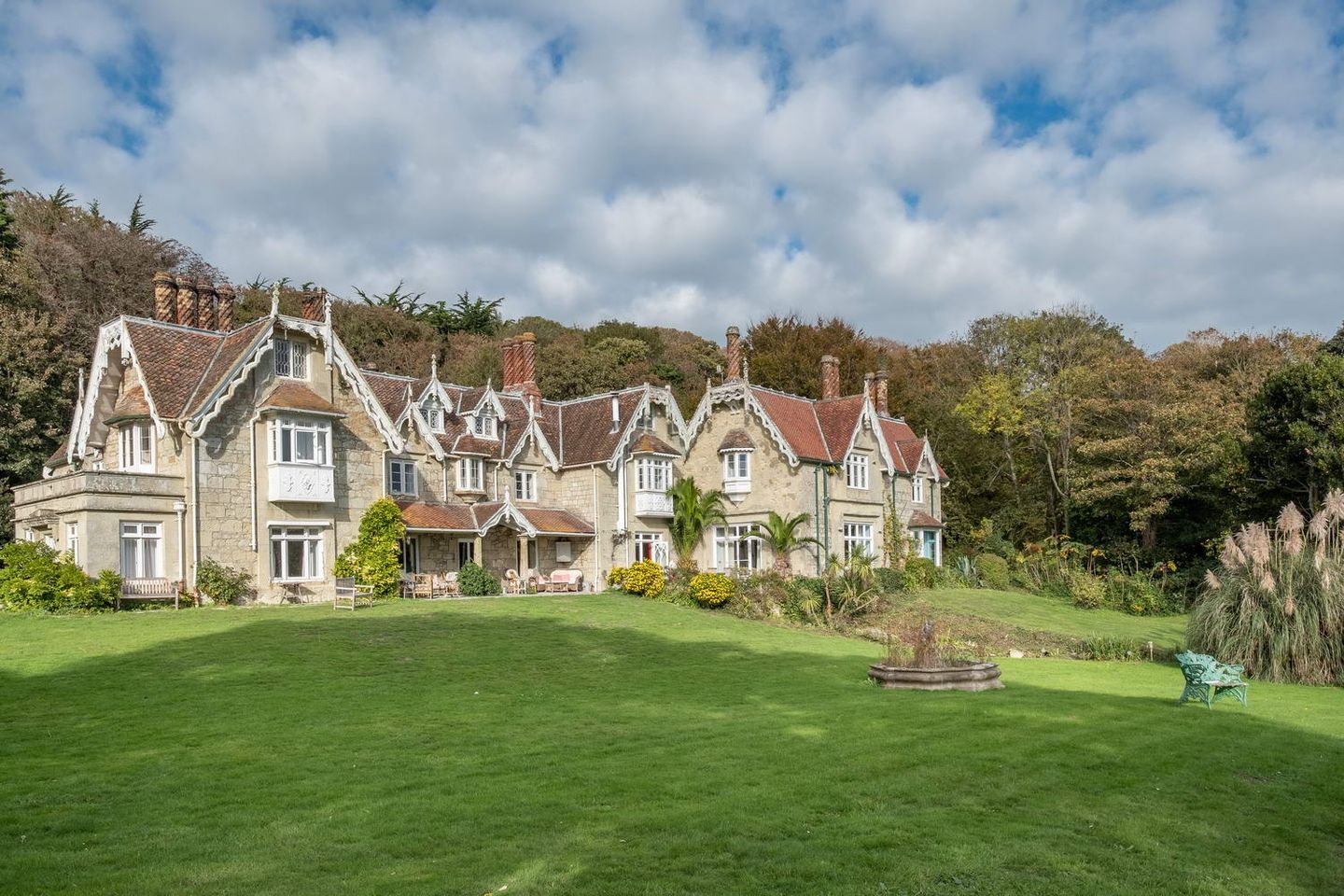
The popular poet had made his home on the Island at Lisle Combe in St Lawrence. This extensive Undercliff property is still in the possession of the Noyes family: his grandson Robert is the current owner.
Noyes was born in Wolverhampton in 1880. His father became a teacher in Aberystwyth, and the Welsh coast and mountains were an early inspiration for his work.


In 1898, he went to Exeter College, Oxford, where he distinguished himself at rowing, Hs 1st volume of poems – The Loom of Years – was published in 1902.
The poet’s most-loved work – The Highwayman – was went to print in 1907. Another famous work – Drake, an epic in blank verse – came out in 2 volumes in 1906 and 1908.
Noyes was unable to take part in active combat in World War I due to defective eyesight. He worked for the Foreign Office instead.
In 1927 – following the death of his American 1st wife Garnett Daniels – he married his 2nd wife, war widow Mary Mayne and converted to Catholicism. The newly married couple moved to the Isle of Wight in 1929. They were blessed with 3 children: Hugh, Veronica, and Margaret.
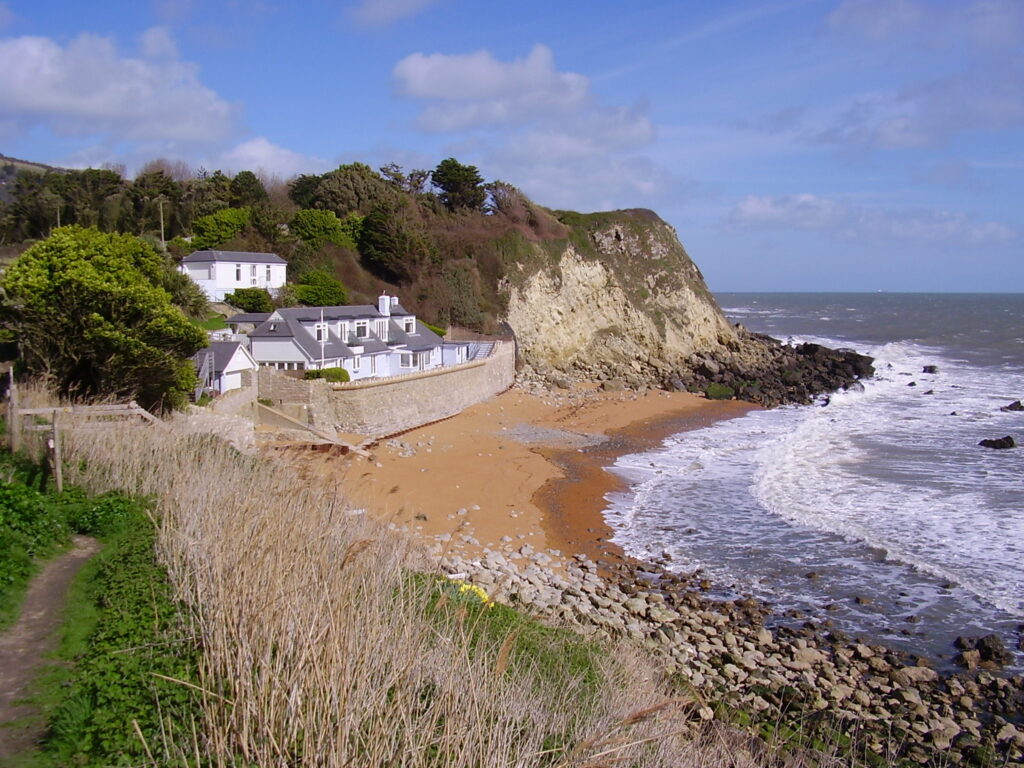
Shortly after the outbreak of war in 1939, Alfred Noyes published Orchard Bay, named after the coastline close to Lisle Combe. In this volume, he wrote extensively about the Isle of Wight.

In 1940, Noyes moved to the United States, where he encouraged his hosts to join the British war effort against Adolf Hitler. He returned to the Island in 1949.
In his later years, Alfred Noyes was increasingly affected by blindness. Hs final works were dictated. These included a volume of children’s verse Daddy Fell into the Pond and Other Poems.
Noyes’ final poem poems.– the Ballade of the Breaking Shell – was written in May 1958, a month before his death from polio aged 77.
Alfred Noyes is buried in the Catholic cemetery close to St Saviours Church, Totland.
One of Alfred Noyes poems featuring the Isle of Wight The Return of the Home Born features below:
The Return of the Home Born
All along the white chalk coast
The mist lifts clear.
Wight is glimmering like a ghost.
The ship draws near.
Little inch-wide meadows
Lost so many a day,
The first time I knew you
Was when I turned away.
Island—little island—
Lost so many a year,
Mother of all I leave behind
—Draw me near!—
Mother of half the rolling world,
And O, so little and gray,
The first time I found you
Was when I turned away.
Over yon green water
Sussex lies.
But the slow mists gather
In our eyes.
England, little island
—God, how dear!—
Fold me in your mighty arms,
Draw me near.
Little tawny roofs of home,
Nestling in the gray,
Where the smell of Sussex loam
Blows across the bay …
Fold me, teach me, draw me close,
Lest in death I say
The first time I loved you
Was when I turned away.