


















































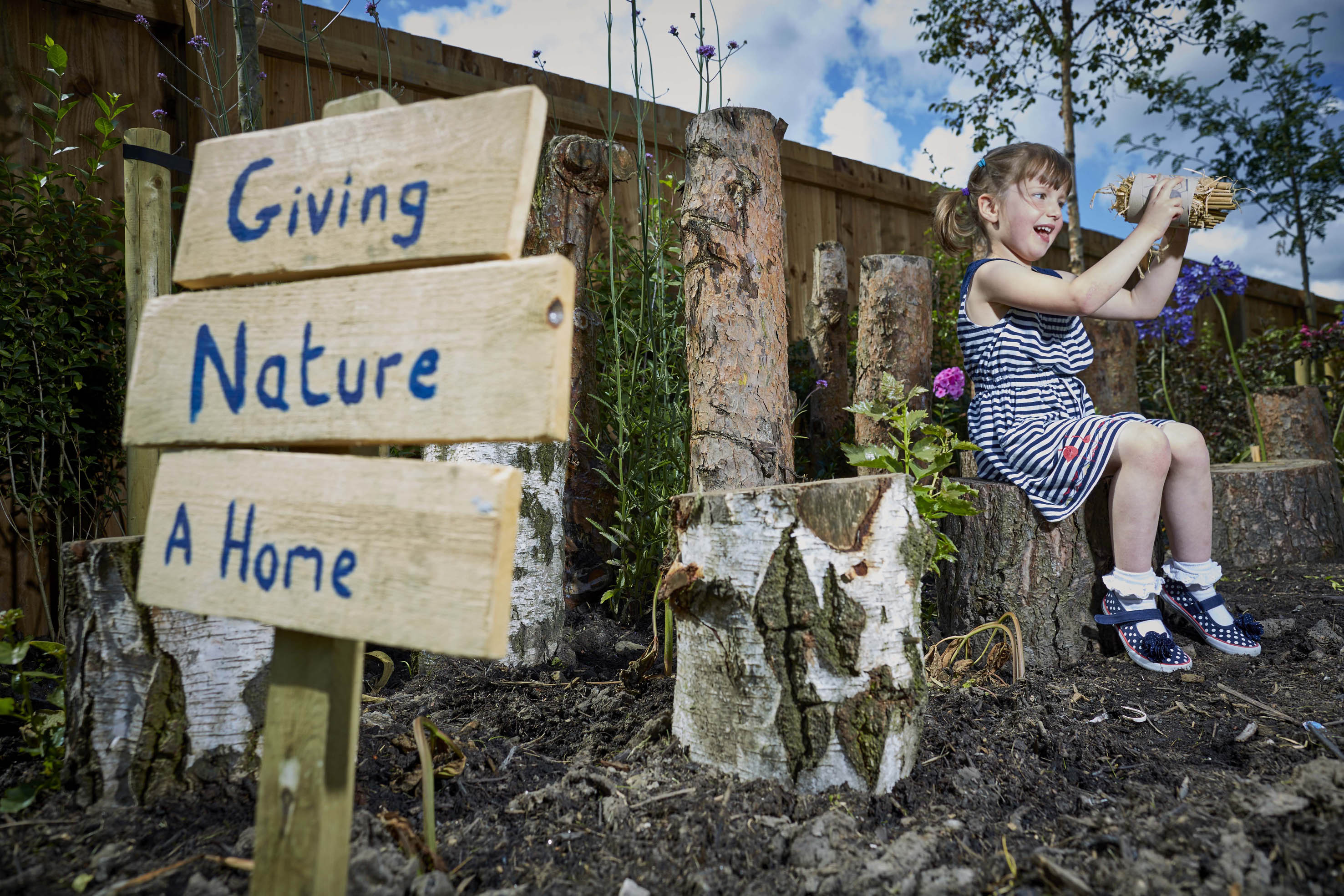

As part of its partnership with the RSPB, Barratt Homes has published a new consumer guide to making your garden wildlife friendly.
It has been written by wildlife experts from the RSPB and is packed with handy hints and top tips on how to boost the wildlife in your garden.
The guide, called “Bringing Your Garden to Life” is available for free download. It gives guidance on the basics of creating a wildlife garden such as providing food and water, making sure wildlife can move between gardens and giving shelter so that animals can stay safe and raise their young.


With 60% of wildlife species in the UK in decline over the past 50 years, and with 31% declining strongly, we all need to play our part to halt and reverse this trend. This is why Barratt Homes and the RSPB have together launched the guide.
It gives you an example of how a simple wildlife friendly garden could look, complete with features such as a deadwood pile, hedgehog highway, bat and bird boxes together with a hiding place.
It also gives examples of common wildlife friendly features that people can easily install in their gardens. These include planting wildflower turf, adding in a scented garden to attract bumblebees, using native hedgerows and installing water butts and compost bins.
Mike Clarke, the RSPB’s chief executive, said:
“Our gardens can be wonderful places to relax and escape the world, and with a little thought and effort they can play a vital role in providing a much-needed haven for wildlife. This is important because nature needs our gardens as once familiar species are being seen and heard less in our towns and countryside.
Article continues below this advertisement “However, we can all make a difference, and this free guide is an excellent place to start for getting some ideas about what you can do in your garden to help nature and enjoy the benefits from birds and other animals visiting throughout the year.”

The new guide lists the best plants to put in your garden and includes such common favourites as honeysuckle, holly, dogwood, lavender and rosemary. It also advises on those you should avoid such as water hyacinth, Japanese rose and Russian vine. Invasive non-native species pose one of the greatest threats to the natural world, costing the UK tax payer £1.7bn a year in compensation for the damage they do.
Barratt managing director Jon Green said:
“The new guide is a fantastic resource for anyone looking to bring their garden to life by making it wildlife friendly. There are lots of simple things we can all be doing and the guide gives advice on things like what to feed birds, how to install bee and bat boxes, providing homes for hedgehogs, what plants to grow and what to pull up. We all want to see wildlife looked after which is why we’re working with the RSPB to give nature a home on our developments – and this guide helps everyone to do that.”
Barratt is currently building new homes on the Isle of Wight at St George’s Gate in Shide and Hawthorn Meadows in Whippingham.