
















































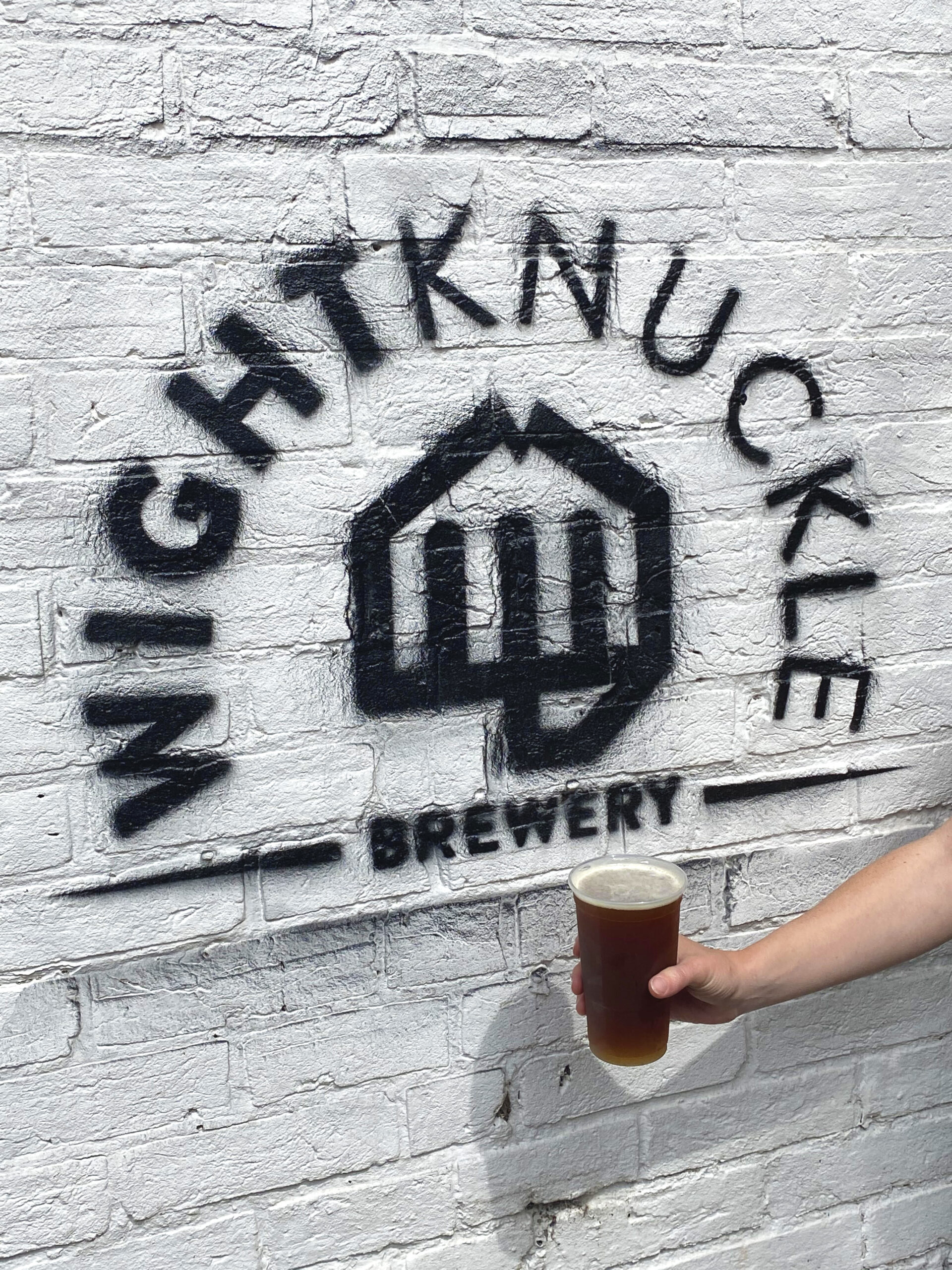

A new collaborative project bringing together local producers has launched on the Isle of Wight, with the creation of a unique beer brand designed to celebrate the Island’s UNESCO Biosphere.
The initiative, known as 33 Parishes, unites Isle of Wight Grain, Ventnor Botanical Garden and Wight Knuckle Brewery under a shared vision to highlight the Isle of Wight’s produce, biodiversity and community.
Spearheaded by Pete of Isle of Wight Grain and Ian, representing the Isle of Wight Biosphere Reserve, the project set out to create a distinctive product rooted in the Island’s natural environment. Wight Knuckle Brewery was brought on board to develop a beer that reflects the character and ecological richness of the Isle of Wight.


The first product under the brand, a ‘Biosphere Blond’ beer, has been developed using 100% Isle of Wight ingredients following 6 months of collaboration.
With each bottle sold, a donation will be made to Isle of Wight Biosphere to support ongoing work aimed at maintaining the Island’s UNESCO Biosphere status and ensuring it benefits the local community.
Martha, Spokesperson for Isle of Wight Biosphere, has said:
“We are delighted that 33 Parishes has so brilliantly captured the ethos of the Biosphere, representing the remarkable combination of people, place and nature that led to the Isle of Wight winning UNESCO Biosphere Reserve status in 2019.
“It also demonstrates the opportunities for collaboration and community-led innovation that the Biosphere inspires and enables.”
Article continues below this advertisement

The name ‘33 Parishes’ pays tribute to the 33 parishes that make up the Isle of Wight, intending to raise awareness of the Island’s unique landscape. The brand launches with six labels, each illustrating native flora and fauna found locally.
In a deliberate move, the organisations have not placed any single name at the forefront. Instead, a completely new identity has been created, focused solely on telling the story of the Isle of Wight.
33 parishes Biosphere Blond is now available from various stockists and online here.











Interesting, where are the fields of wheat and barley and where are the hops?