





































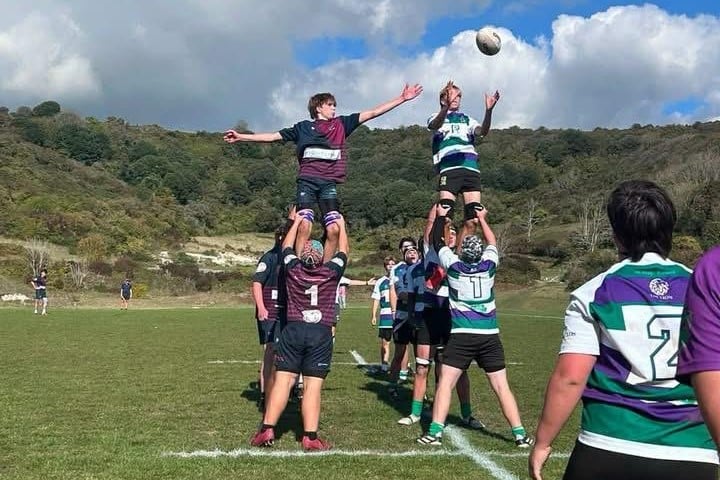
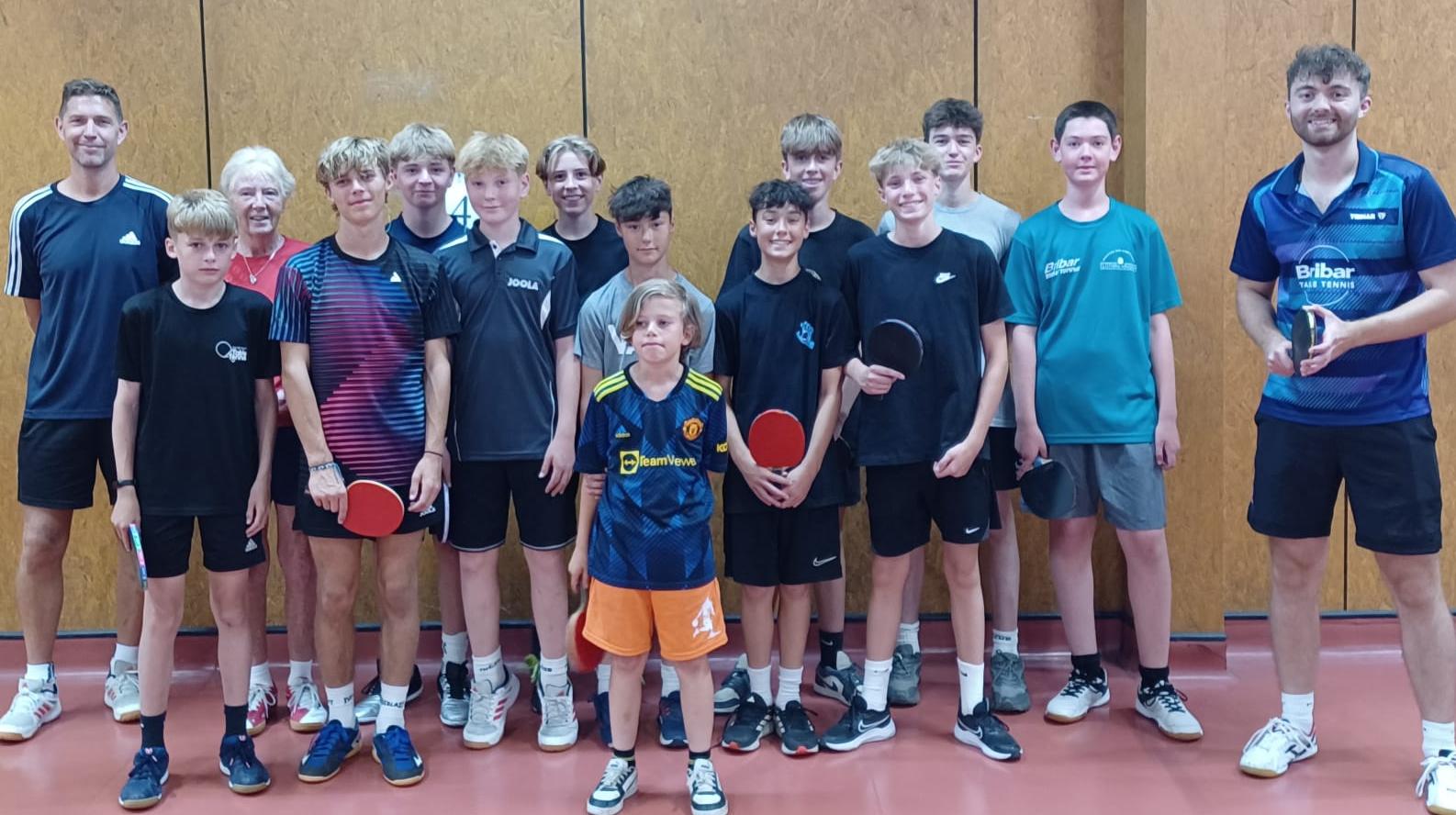





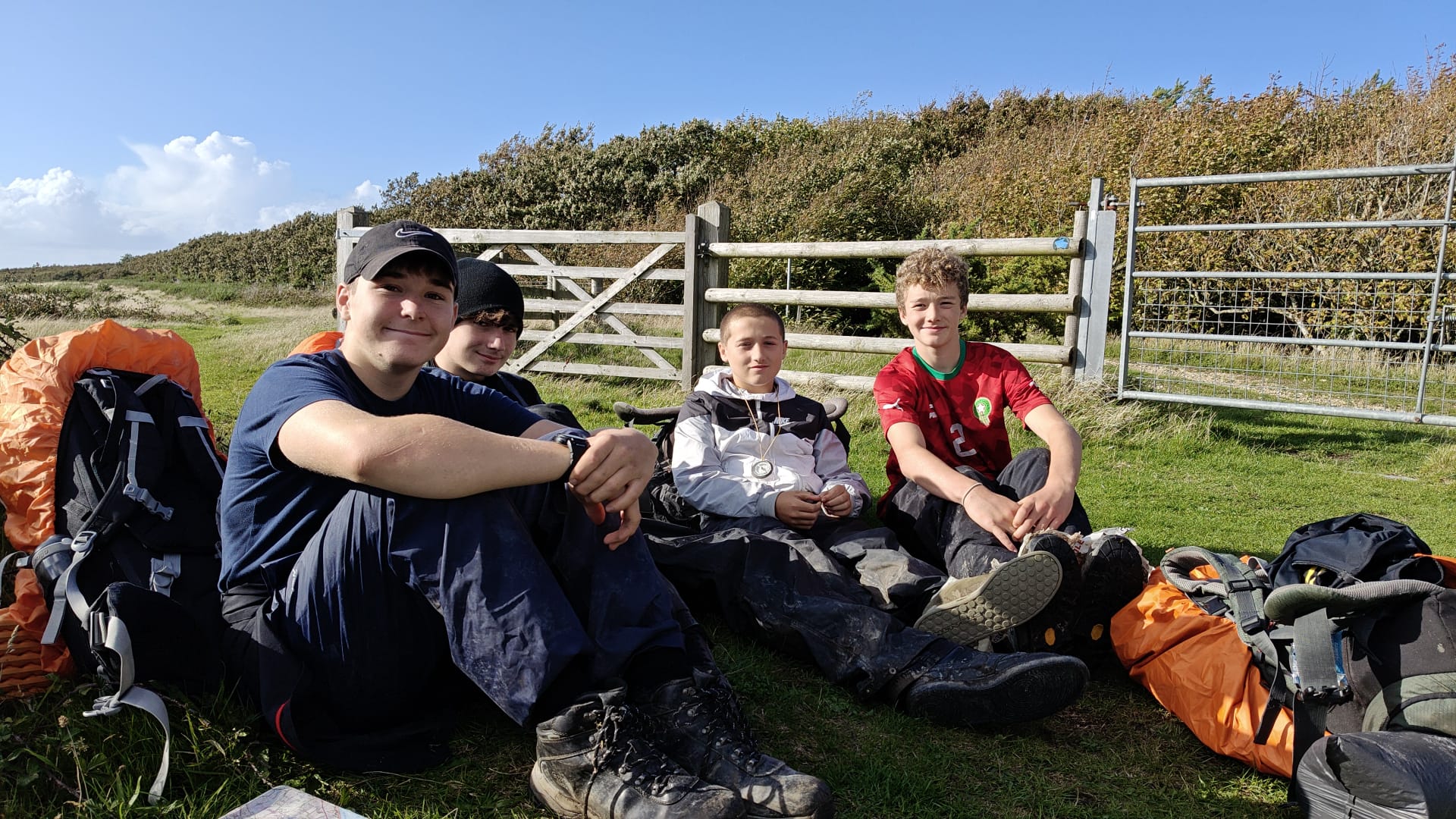

Thousands of young people on the Isle of Wight are celebrating as the Duke of Edinburgh’s Award marks its 70th anniversary in 2026.
Since launching in 1956, the scheme has supported generations of Island teenagers and young adults, helping them build confidence, resilience and life skills through volunteering, physical activity, learning and outdoor expeditions.
From youth clubs and schools to voluntary organisations, the Award has become a key part of life on the Isle of Wight, encouraging young people to challenge themselves and contribute to their communities.

The programme was introduced locally just a few years after its national launch, with the Isle of Wight Council’s Youth and Community Service taking on delivery of the scheme. Early administration was overseen by Mary Brinton, while youth leaders were trained to support expeditions and skill development.
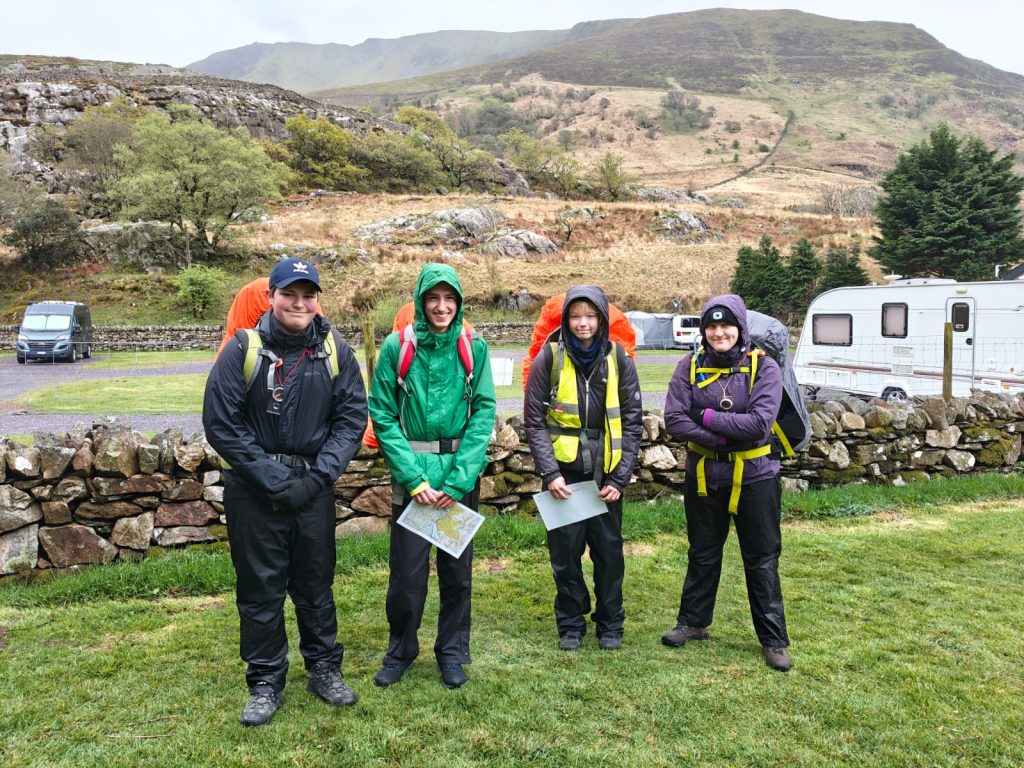
Carol Taverner, DofE Leader, has said:
“I have seen a lot of changes in the way the Award is administered, but the programme itself remains virtually the same as when I took part in 1975.
“It sets out a framework for life — encouraging young people to volunteer, take pride in their community, commit to fitness, develop skills and explore the countryside.
Article continues below this advertisement “In today’s world of instant responses and expectations, DofE teaches patience, teamwork and the value of sustained effort. These are qualities employers really appreciate.”

The Island’s first Gold Award was achieved by Michael Cooper in 1963, followed by Suzanne Whitewood as the first female recipient in 1966.
Since 2002, Isle of Wight Council centres alone have facilitated 1,154 completed Awards, with a total of 233 Gold Awards achieved since the early 1960s.
In 2015, national changes saw schools take a central role in delivery, leading to the creation of the Isle of Wight Duke of Edinburgh’s Award Charitable Association to support leaders, volunteers and fundraising efforts
Lee Matthews, Isle of Wight Council’s DofE Manager, has said:
“For 70 years, the Duke of Edinburgh’s Award has provided a high-quality, challenging and rewarding programme for thousands of young people on the Island.
“With the support of dedicated volunteers, participants are encouraged to push themselves, try new things and gain skills that benefit them both now and in the future.”
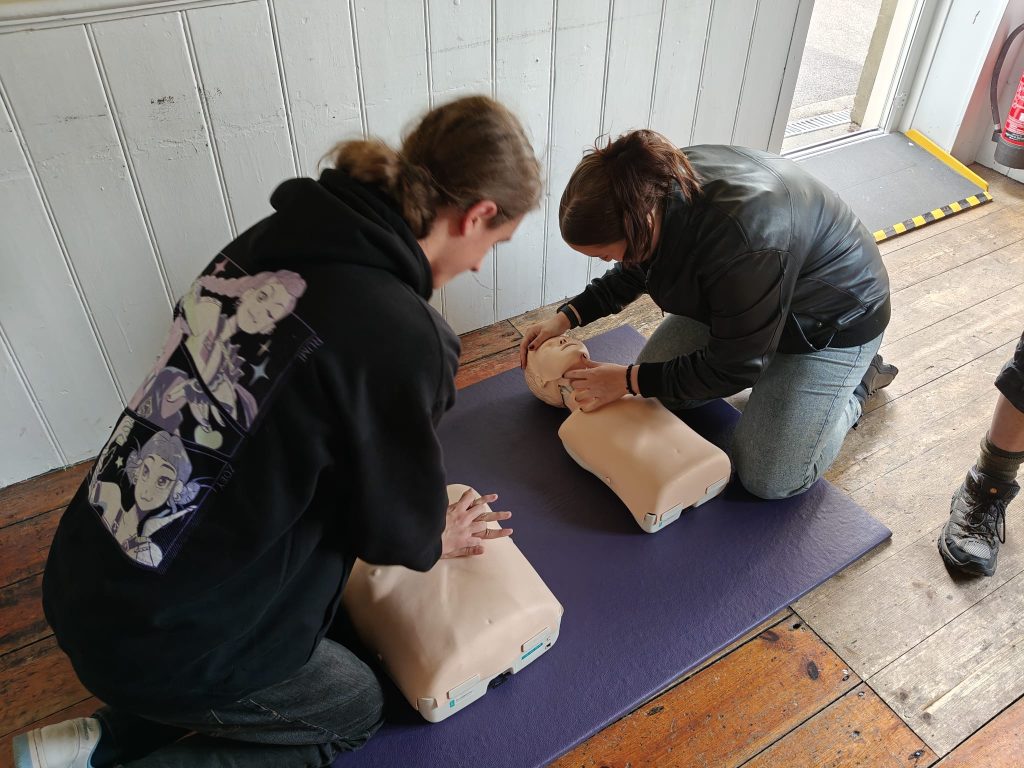
Rebecca Swan, Leader at Network Ryde Open Award Centre, has said:
“The Award builds confidence, resilience and a real sense of achievement.
“Through volunteering and practical activities, young people gain life skills and access opportunities they might not otherwise experience.
“We’ve seen participants strengthen their CVs, support university applications and move into careers such as the Armed Forces. Many also discover parts of the Island they never knew existed.”
As part of the anniversary celebrations, 5 Isle of Wight Gold Award achievers and 4 leaders will attend a national event at Buckingham Palace on Tuesday (20th May).
A local celebration is also planned at Corf Scout Camp in Shalfleet on 26 and 27 September, where young people and leaders will take part in activities including canoeing, climbing and orienteering.
Senad Adams, Brading Youth Club Leader, has said:
“I’ve known some of our participants since they were 11 — they’re now 16 to 22 and happy to talk about their ideas and career ambitions.
“They stop settling for ‘ordinary’ and start believing they can achieve more.
“For many, it’s the confidence gained through volunteering, learning new skills and overcoming challenges together that makes the difference.”
Young people aged 14 to 24 can take part in the Duke of Edinburgh’s Award through schools or Open Award Centres across the Isle of Wight.