













































Isle of Wight West MP Richard Quigley has backed calls for passengers to play a formal role in how Britain’s railways are run, after a new national poll found strong support for public involvement and fare cuts following the end of rail privatisation.
A new survey shows 58% of the public support the creation of a national passenger body with representation on the board of Great British Railways, while just 6% are opposed.
The findings come as Richard Quigley has tabled an amendment to the government’s Railways Bill aimed at ensuring passenger groups are involved in key decision-making.


The poll, commissioned by campaign group We Own It and carried out by Survation, also found that 7 in 10 people believe all savings from ending rail privatisation should be used to cut fares or open new rail services.
More than half of those surveyed said they would be more likely to travel by train if fares were reduced by between 25% and 33%, with campaigners arguing this could increase passenger numbers and generate long-term benefits for the rail network.
The Government has said that ending rail privatisation could save £150million a year in fees alone, while the rail union RMT estimates savings could reach £1 billion annually. Campaigners say reinvesting this money into fares and services could create a self-sustaining improvement in rail use and revenue.
The poll also found that 57% of the public want rolling stock brought into public ownership. Analysis by the Office of Rail and Road shows private rolling stock companies have paid out average dividends of £390million a year since 2022.
Richard Quigley MP, Member of Parliament for Isle of Wight West, has said:
“This polling demonstrates why it is so important that a strong passenger voice is so key to the future of Great British Rail – I will continue to champion any measures that ensure that the public are put first so we never face the rail situation we did under the Tories.”
Johnbosco Nwogbo, lead campaigner at We Own It, has said:
“What these important polling figures reveal is that cutting fares for passengers can create a virtuous circle in the railway.
“Cutting fares enables and incentivises more people to use the railway, which in turn would grow rail revenue, providing scope for further investment so the railway can serve more people and communities.”





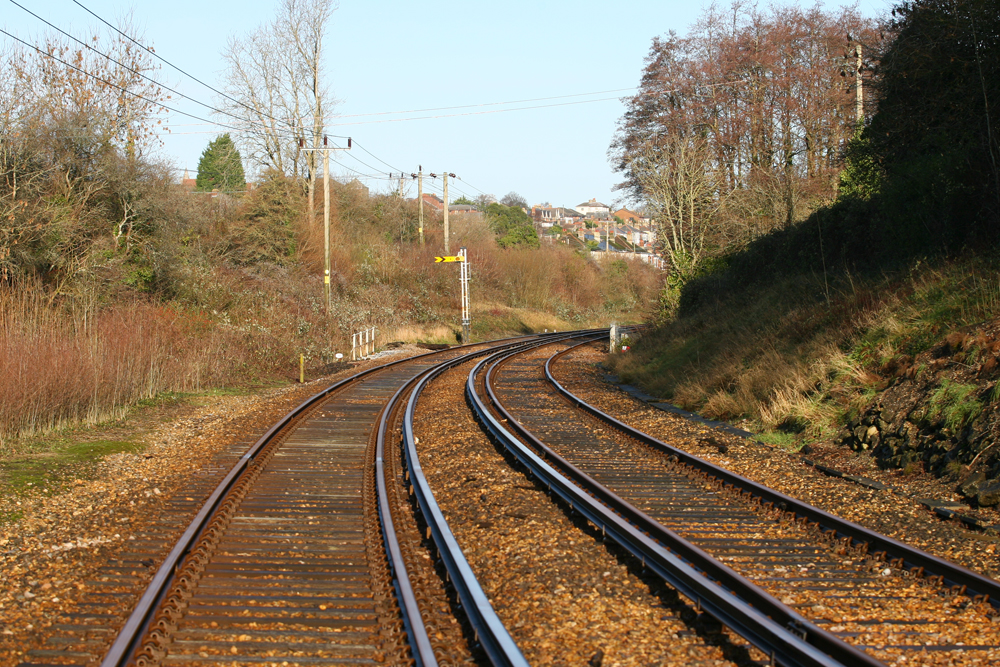
With the green climate agenda surely it’s about time
the island expanded it’s railways.
Much cleaner than vehicles polluting the island.
Why the assumption that taking the railways back into public ownership will result in savings?
It would be interesting to know what percentage of subscribers to this site actually remember British Rail. Privatisation was completely mismanaged, but operating the network requires public subsidy and that will not change.