






































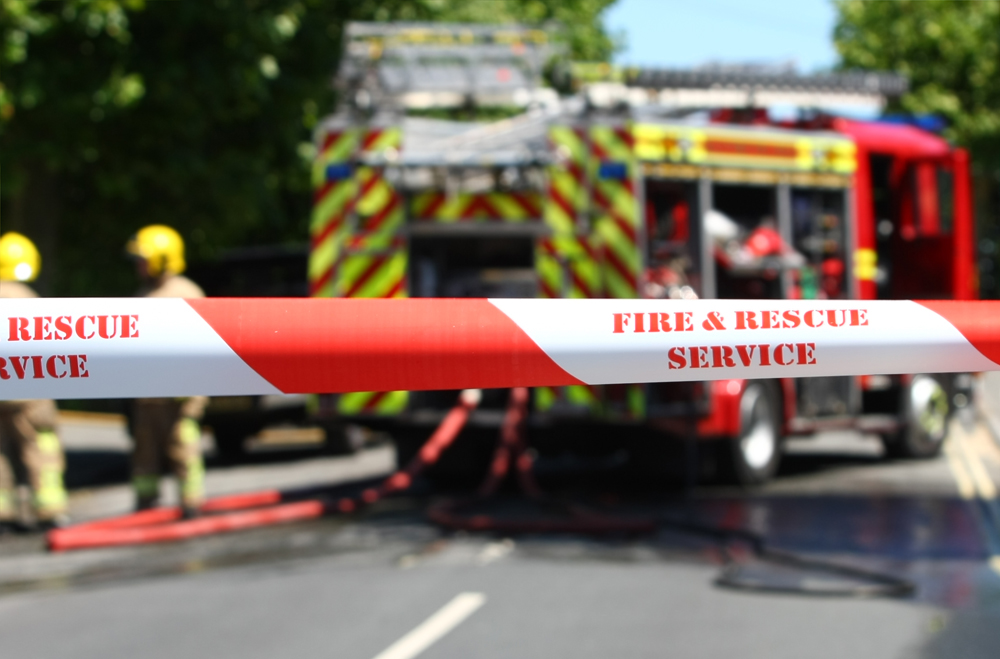

 UPDATED: The Isle of Wight Fire and Rescue Service (IWFRS) is good at keeping people safe but management styles have the potential to be ‘bullying’ and staff face lengthy delays in getting support following traumatic incidents, an inspection report has revealed today (Thursday).
Her Majesty’s Inspectorate of Constabulary and Fire and Rescue Services (HMICFRS) found the IWFRS not only responded to incidents effectively, but was also good at helping to prevent them. It is also an efficient service which makes good use of resources, with the training set-up at Ryde deemed to have excellent facilities.
The inspection – the first of its kind – has unfortunately also identified areas where significant improvements are needed, including issues around staff morale and a shortage in retained firefighters. Inspectors have raised a cause for concern saying that the Isle of Wight Fire and Rescue Service doesn’t do enough to be an inclusive employer, that there are signs of low morale in the workforce and people have little confidence that they will be treated fairly or that senior leaders have their best interests at heart.


Staff across all departments are reported to have expressed concern at the lack of information regarding the future of the service and the lack of visibility of the senior leadership team.
Other improvements needed include employing more staff to carry out inspections and ensuring that the service is fulfilling its legal duties.
The report also states that the service could do more to listen to the views if its workforce and could improve how it supports staff wellbeing, particularly after a traumatic incident. The service used to have a formal trauma risk management programme, but the contract for the service was not renewed. Firefighters do now have access to the county council’s occupational health team, however, staff told inspectors about lengthy delays in getting appointments.
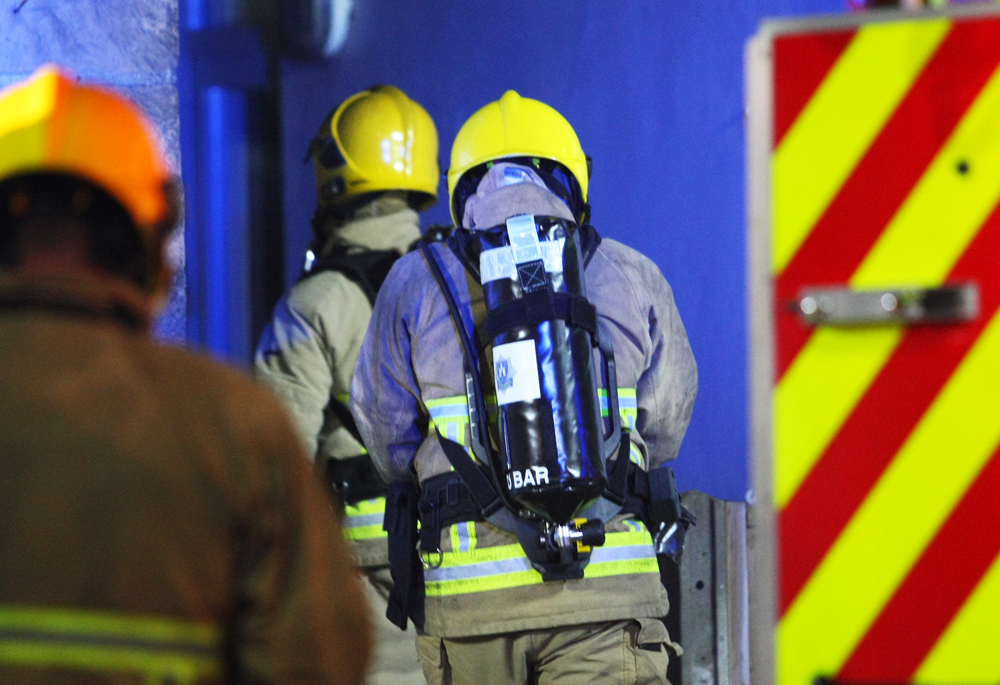
According to the HMICRFS inspection, IWFRS is not good at engaging with staff or responding to concerns and some of the service’s premises do not have the facilities to provide basic comfort and dignity in the workplace.

Touching on the culture and values of IWFRS, frontline staff do not believe there is adequate recognition for the work they do. They believe that since the senior leadership team became shared between Isle of Wight FRS and Hampshire FRS, there is a lack of focus on rewarding and honouring exemplary work and bravery. In addition, the service does not actively manage careers of staff and there are no programmes in place to support employees who are identified as having exceptional talent and potential.
IWFRS must ensure that the recruitment, retention, development and progression of staff is open and fair to all.
Councillor Tig Outlaw, Cabinet member for public protection, said:
“First and foremost, I’m pleased the report has confirmed the service is safe. While we’ve been saying this for some time, I’m reassured to hear the inspectors say our residents are well protected by our firefighters.
“As an Island-based service, we face unique challenges to make sure our service is resilient as it can be. We have to constantly assess how we can best provide the services and resources our residents rely on.
“We already have several effective partnerships to help enable this and we will continue to work with them where there is a clear benefit to the Island’s community.
“Alongside that, we’re currently working through the service review, which will better match resources with demand.”
Inspectors noted the Island’s road safety partnership and the current arrangements with Hampshire Fire and Rescue Service, which includes shared senior leadership and a joint control room.
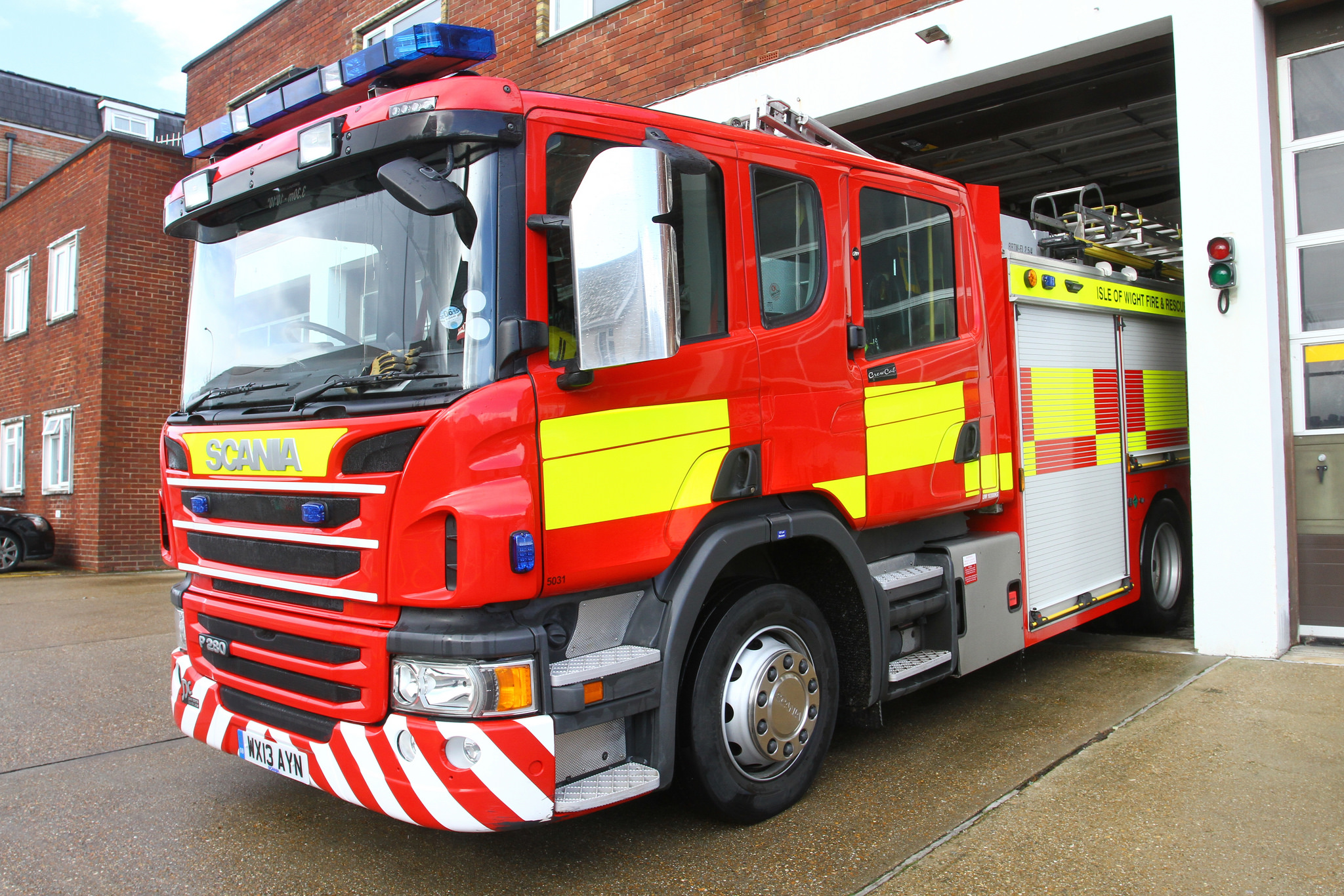
During July’s inspection, local staff told the inspecting team that they have experienced management styles that they considered to be both ‘domineering’ and ‘potentially bullying’. Rather than there being a culture of developing and nurturing, staff are often ‘belittled’ when they make suggestions. Frontline staff also expressed concerns about the fairness of the promotion system; several middle managers have been temporarily promoted and there has been insufficient communication about the positions that will exist in the future.
In response, the Island’s senior fire officer, Howard Watts, has said:
“We have a fantastic workforce who are incredibly professional, passionate and committed to keeping the Island safe. We were completely open and honest with the HMI – we know we need to do much better in showing people how much we value them.
“We are committed to creating an inclusive and inspiring working environment where staff can thrive. We still have some way to go but I’m pleased the HMI recognised we are heading in the right direction.”
Formal inspections for fire and rescue services were reintroduced by the government last year to assess their efficiency, effectiveness and leadership.
Statistics
- The total number of staff members in the workforce has fallen by 15% in 5 years
- IWFRS attended 5.9 non-fire incidents per 1000 population against a national average of 3.1
- IWFRS attends more false alarms per 1000 population than the national average (4.6 vs 4.1)
- Incidents attended by IWFRS were made up of 18% fires, 46% non-fire incidents and 36% were false alarms.
HMI inspectors visited the Island in July, the first fire and rescue service in the country to be inspected under the new regime.