










































A High Court challenge against the Isle of Wight Council’s decision to approve the Sunny Oaks Renewable Energy Park near Wootton has been dismissed, meaning planning permission for the controversial scheme remains in place.
The judgement was handed down remotely yesterday (Wednesday) following a hearing at the High Court in London on 6th May.
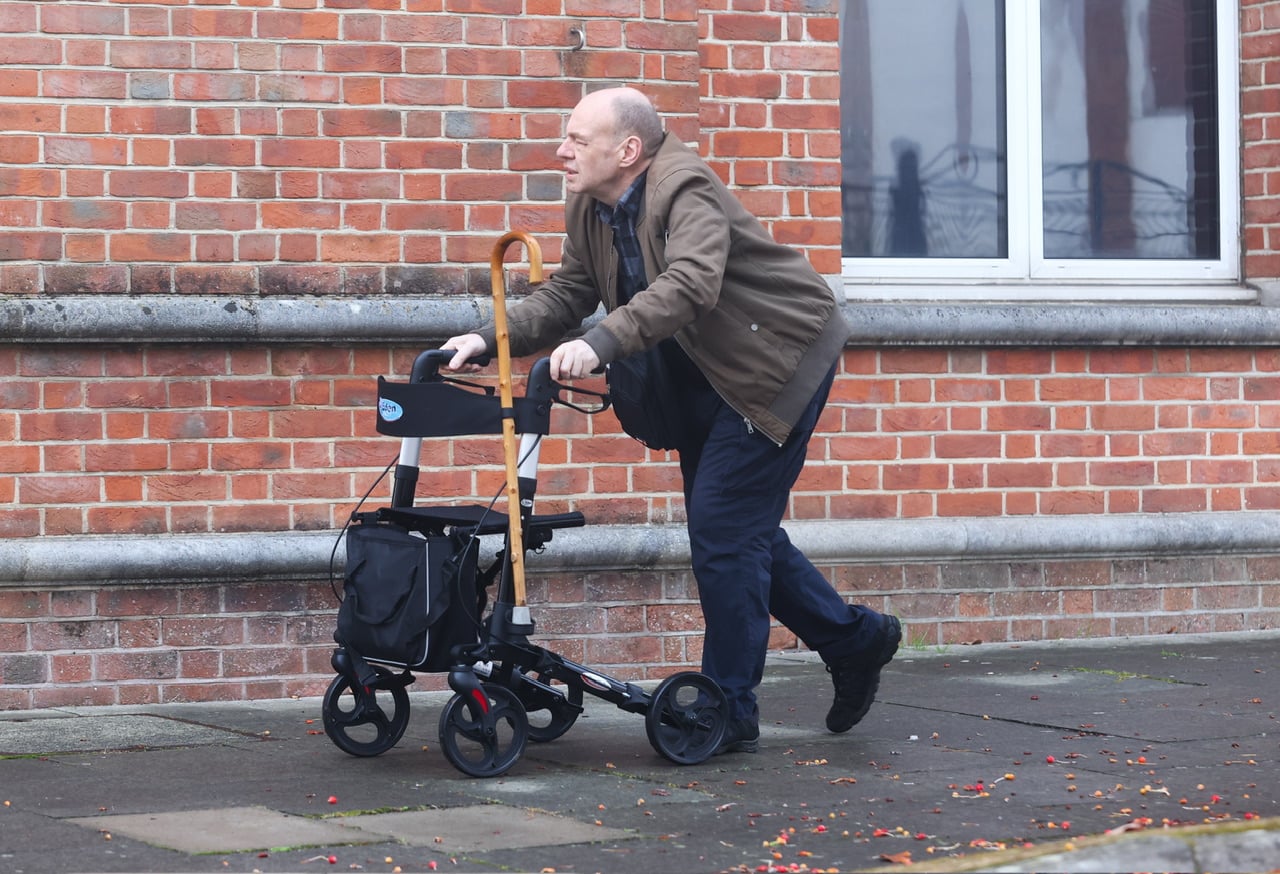
The case was brought by Luke Davis, who owns land near the proposed solar farm site and has been a long-standing opponent of the scheme.

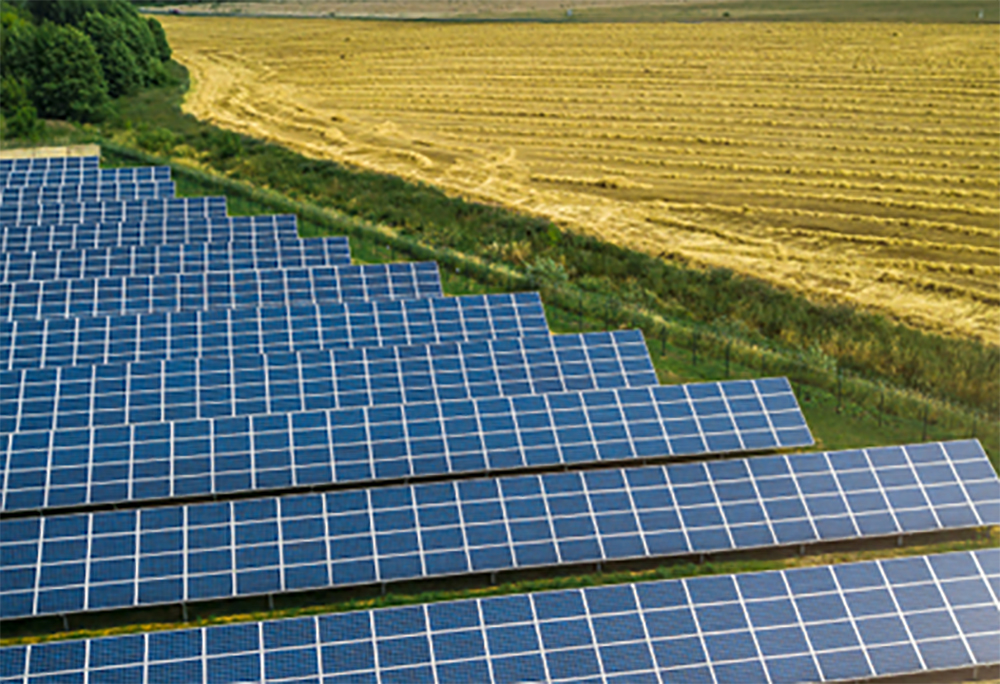
Sunny Oaks Renewable Energy Park Limited’s plans involve ground-mounted solar panels and battery storage on land around Whiterails Road, Park Road and Briddlesford Road.
As previously reported by Island Echo, an earlier permission for the scheme was quashed after the Isle of Wight Council accepted it should have provided councillors with additional fire safety information before the application was determined.
The application was then reconsidered, with the Council’s Planning Committee resolving to grant permission again on 8th July 2025. Planning permission was formally issued on 15th July 2025.
The latest judicial review centred on whether it was unlawful for a Council planning officer to privately share a draft committee report with the applicant before councillors made their decision. The claimant argued this gave the applicant an exclusive opportunity to influence the report and that 2 documents – a marked-up draft report and an email exchange – should have been published or listed as background papers.
However, Tim Smith, sitting as a Deputy High Court Judge, rejected both grounds.

The court found that, on the facts of this case, there was nothing unlawful in the sharing of the draft report and that the officer had exercised independent judgement. The judgement also found that the draft report did not include the final planning balance section, which was “demonstrably” the officer’s own work.
The court further concluded that neither the marked-up draft report nor the email exchange amounted to “background papers” under the Local Government Act 1972.
In his conclusion, the judge said:
“For the reasons I have given above, Grounds 1(a) and 1(b) are refused. This claim therefore fails.”
The judgement means the latest legal challenge has not overturned the Council’s approval of the Sunny Oaks scheme.
The development has attracted significant local debate since plans first emerged in 2022, with concerns previously raised around landscape impact, ancient woodland, fire safety, flood risk, hedgerows, wildlife and the decision-making process.








With the extreme heat we are experiencing
it akes one wonder if solar panels are safe.
So many solar panels have caught fire recently
around the country.
I read ALL news hence reading of such incidents.
You ought to read further than the headlines then….the incidence of solar panel fires if far far lower than ordinary electric installations. Less than 1 in 10,000 installations for solar, 4 in 10,000 electrical.
Well of course most probable huge back handers coming more bullshit climate bollocks …
So sayeth our resident island scientific expert (Goonus Troglodytus) who clearly also still believes the world is flat, and that world does not extend past the Solent.
Hopefully Mr Davis will be licking his wounds and looking forward to paying the not inconsiderate legal fees involved. We need all the solar we can get!
Doubt it. Mr Davis is the son of a farmer, and reliable rumour has it he offered cash to buy Briddlesfords land so he could farm it, but the owners turned the offer down because they don’t want to farm anymore, they want to develop the land into solar panel fields. You think we need all the solar, but you can’t eat panels