





























Island Echo dives into the many churches on the Isle of Wight that are dedicated to some rather obscure saints… Most churches are dedicated to saints we have heard of, for example, the 4 evangelists: Mathew, Mark, Luke and John. Otherwise, they can be named after the Virgin Mary, George the patron saint of England, or simply be called ‘All Saints’. But have you ever wondered who St Agnes, St Blasius, St Boniface, St Lawrence, St Olave, and St Swithun were? All have Isle of Wight churches dedicated to their memory.
St Agnes (Freshwater)
St Agnes was a member of the Roman nobility, born in 291 to a wealthy Christian family. The young noblewoman had many suitors of high rank but refused all due to her resolute devotion to religious purity. A spurned admirer submitted Agnes’ name to the pagan Roman authorities as a follower of Christianity. The Roman Prefect Sempronius ordered Agnes to be dragged naked through the streets to a brothel. However, any man who attempted to rape her was said to have been struck blind. Her modesty was spared through prayer as hair grew to cover her body. She was sentenced to death and bound to the stake, but the wood would not burn, so the soldier in charge of the guard beheaded her. St Agnes is the patron saint of those seeking chastity and purity. She is also the patron of young girls and Girl Scouts. 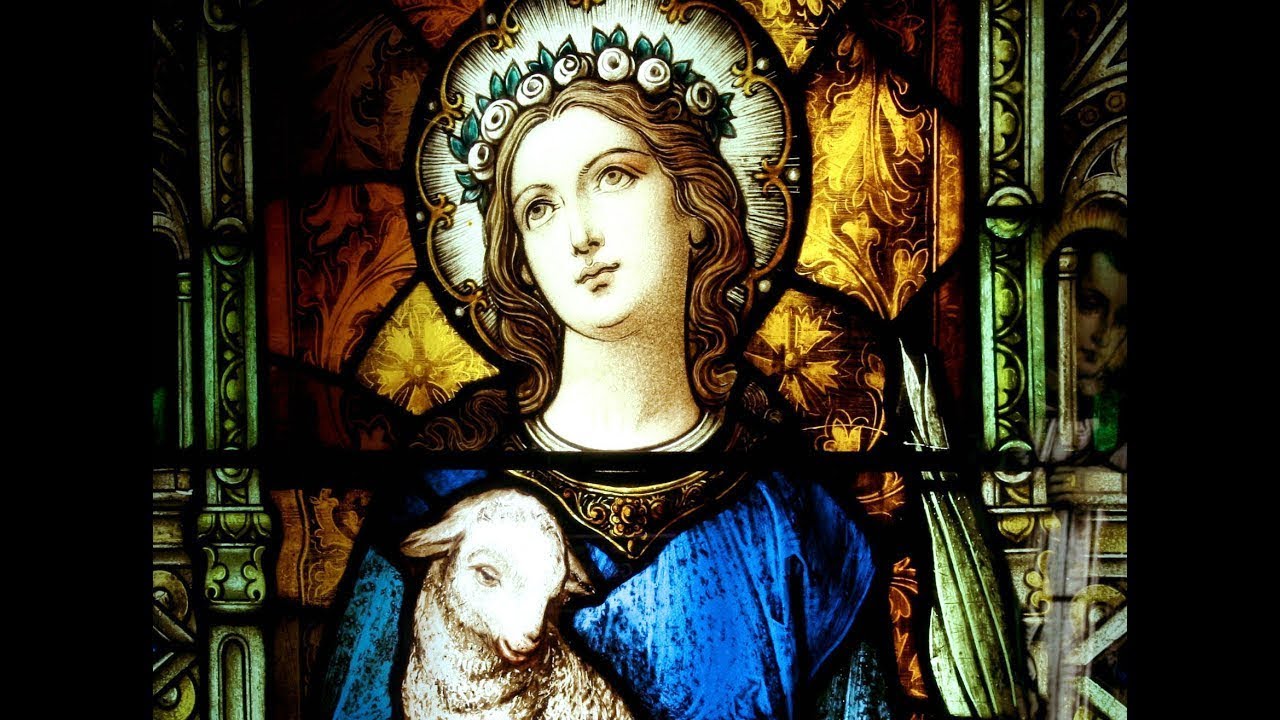
St Blasius (Shanklin)
St Blasius (also known as Blaise) was a 4th-century ecclesiastic and doctor from Armenia. He began by curing bodies before becoming a ‘physician of souls’. He retired to a cave and became renowned as a miracle worker. People from everywhere came to find cures for their spirit and body; even wild animals flocked to receive his blessing. In 316, Emperor Licinius ordered all Christians to be put to death, and Blasius was arrested. He is remembered for 2 miracles during his imprisonment. First, as he was being taken into custody, a distraught mother, whose only child was choking on a fish bone, implored his help. The child was cured through Blasius’ prayer. 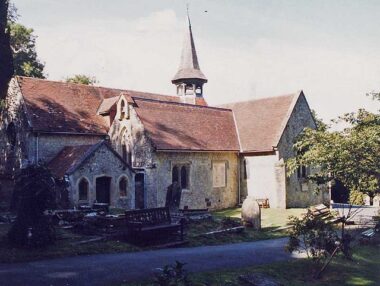


St Boniface (Ventnor)
St Boniface was an 8th-century English Benedictine monk, who converted the pagan Germanic tribes to Christianity. Boniface’s original English name was Winfrid – he was renamed ‘Boniface’ by Pope Gregory II before his mission to evangelise Germany. Legend has it that Boniface converted the Germans by felling the Donar Oak, which was worshipped by pagans. When he attempted to chop the oak down, a great wind suddenly blew it over. The superstitious tribesmen were amazed their Gods did not strike him down – and consequently converted to Christianity. St Boniface has sometimes been credited with the invention of the Christmas tree. 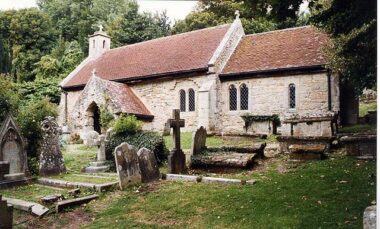
St Lawrence
The Church of St Lawrence has given its name to the eponymous South Wight village. St Lawrence was a 2nd-century Roman deacon, who was sentenced to death by Roman Emperor Valerian. The Emperor offered Lawrence clemency were he to donate all the wealth of the church to the empire. He offered to do so within 3 days. He then gathered the poor, handicapped and misfortunate and presented them to Valerian, declaring that this was the true wealth of the church. 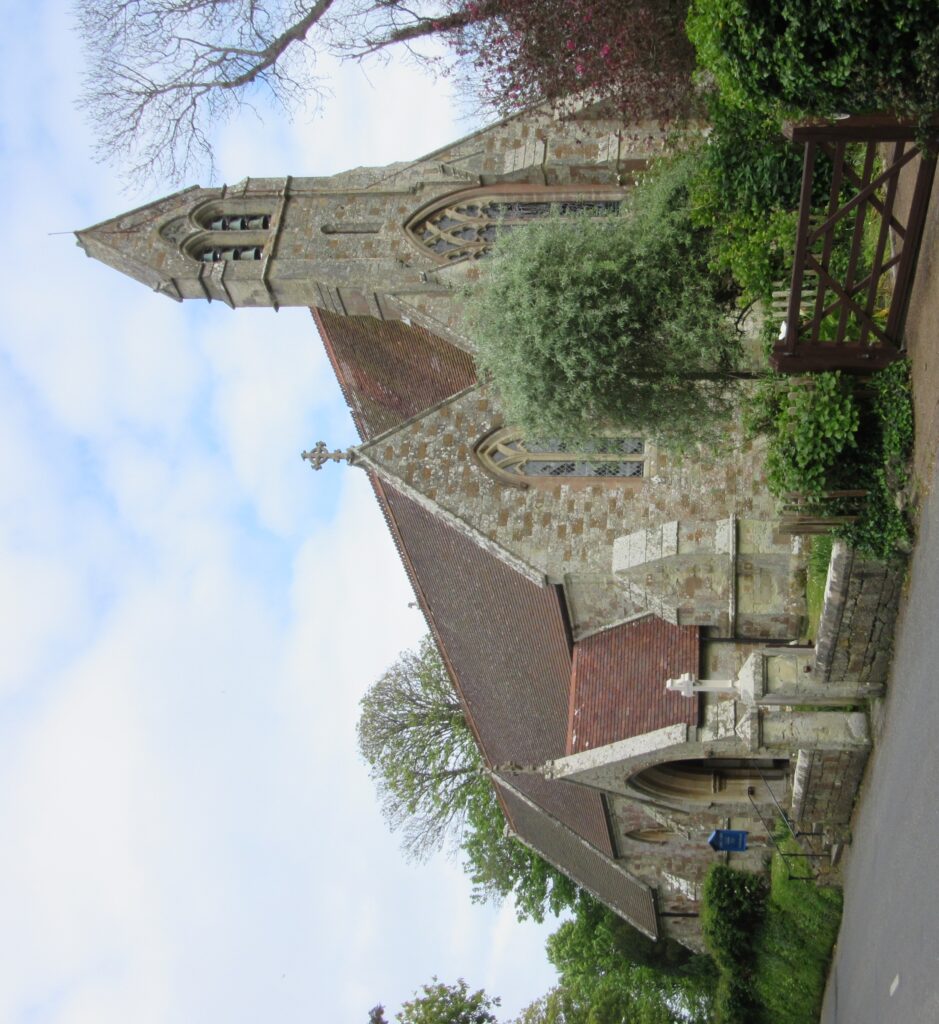
St Olave (Gatcombe)
St Olave (Or Olaf) was an 11th century Norwegian King, who was canonized a year after he died in 1031. His sainthood has been credited with encouraging the adoption of Christianity by the formerly fearsome Vikings. According to Norse saga, he led a seaborne attack that destroyed London Bridge, so dedicating an English church to his memory seems somewhat inappropriate. 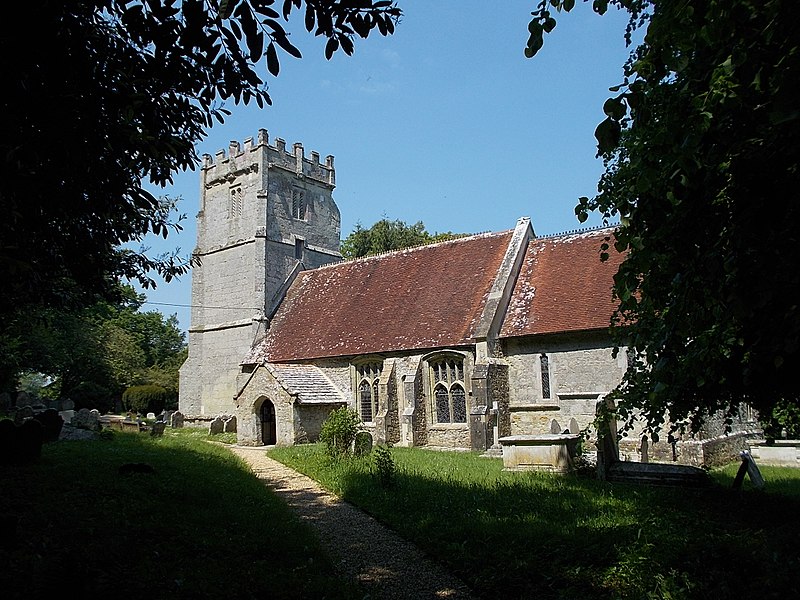
St Swithun (Thorley)
Saint Swithun (or Swithin) was a 9th-century Bishop of Winchester. He is famous for St Swithun’s Day (15th July), which – according to weather lore – if it rains on this day, it will rain for 40 days. According to the proverb: St. Swithun’s day if thou dost rain For forty days it will remain St. Swithun’s day if thou be fair For forty days ’twill rain nae mare