



























































A mixed-use development with 60 homes, 5 ‘high quality’ houses next to a former Isle of Wight train station and a conversion of a seafront hotel in a ‘very poor state of repair’ – these were 3 the most high-profile planning applications decided by County Hall in March, each attracting significant controversy and objections from members of the public.
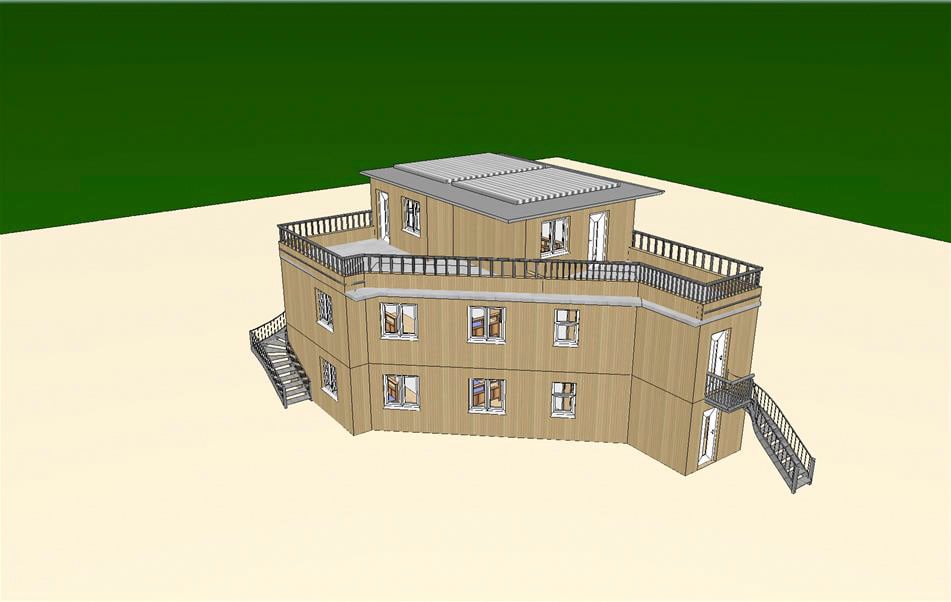
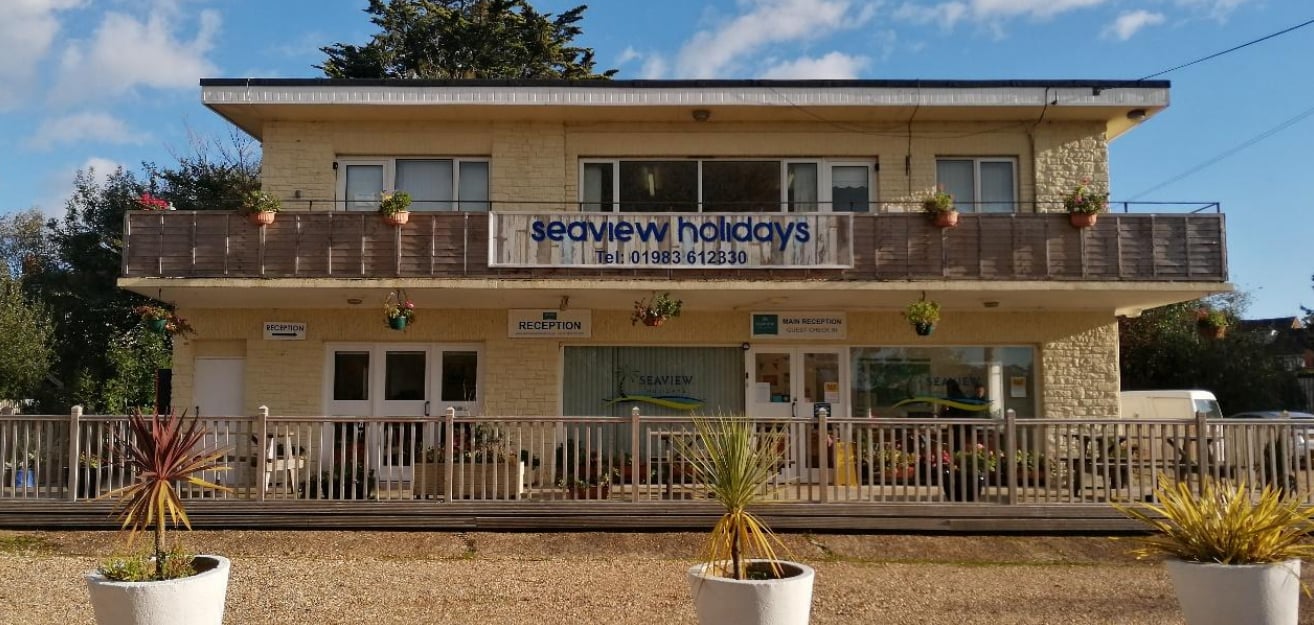
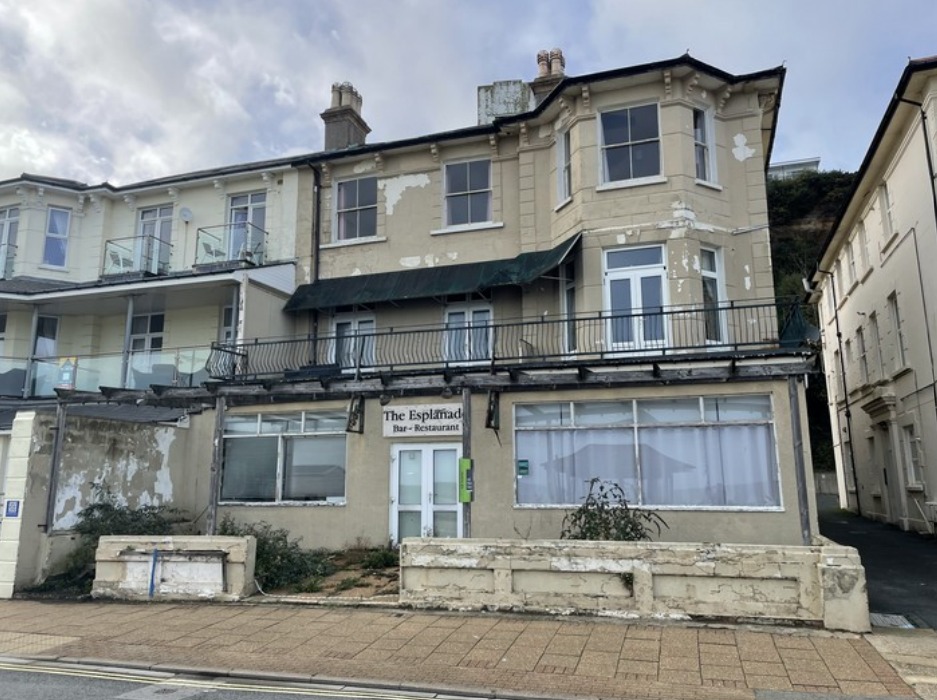
On 23rd March, the council conditionally approved Harry Roe’s proposal to transform the Esplanade Hotel, 32 Esplanade in Shanklin, into 6×2 -bedroom flats.
The ruling followed four objections and four letters to the local authority in support.


Those against the plans cited concerns such as harm to tourism from a loss of much-needed visitor accommodation, setting a precedent for other seafront holiday properties to change status and new homes on the Esplanade being almost certainly ‘out of the price range’ of most Islanders.
Arguments in favour included the building not being viable as holiday accommodation after being on the market for nearly three years and the alternative being ‘further deterioration’.
Planners have not yet issued a decision report for application 25/01844/FUL.
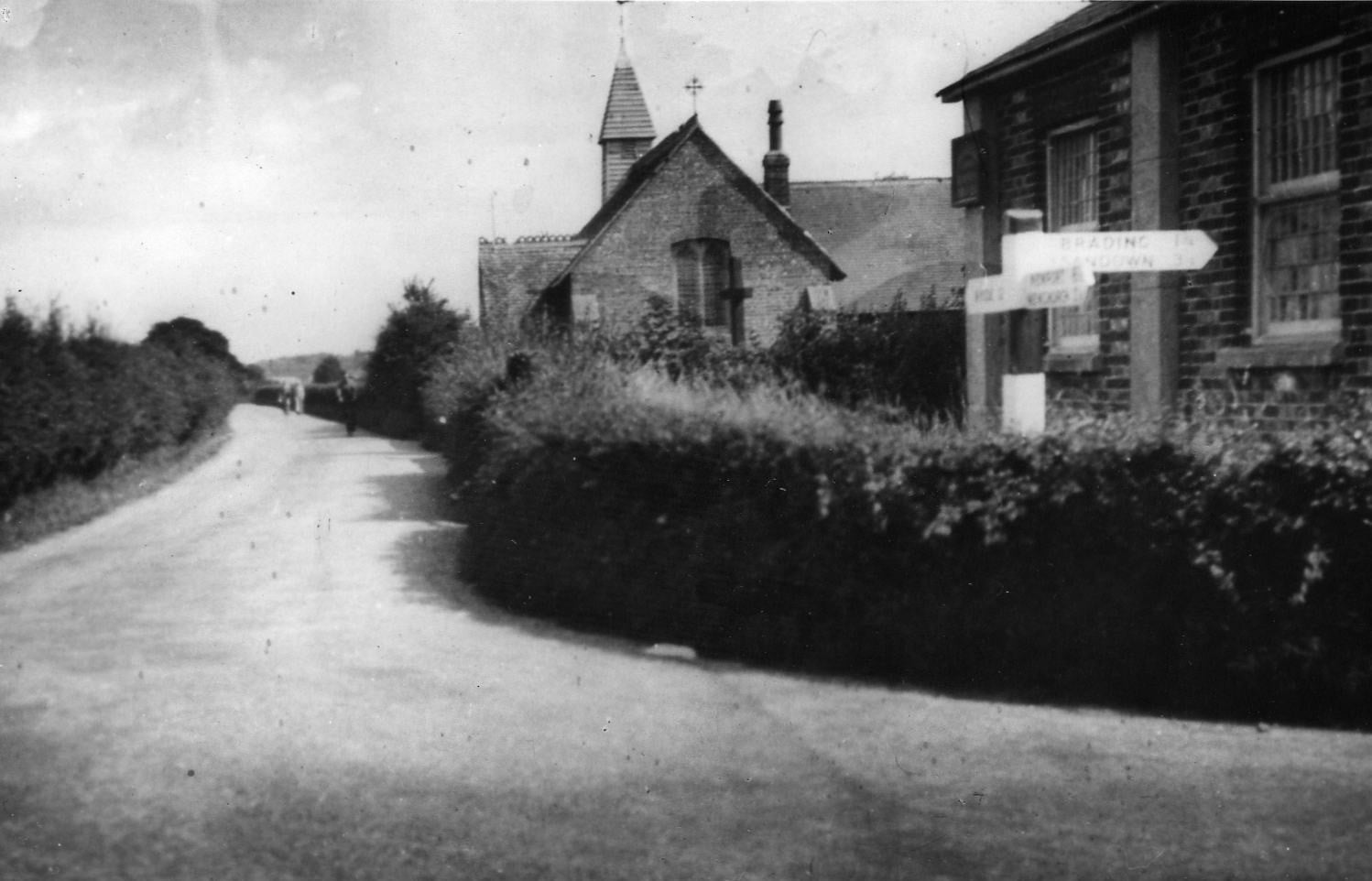
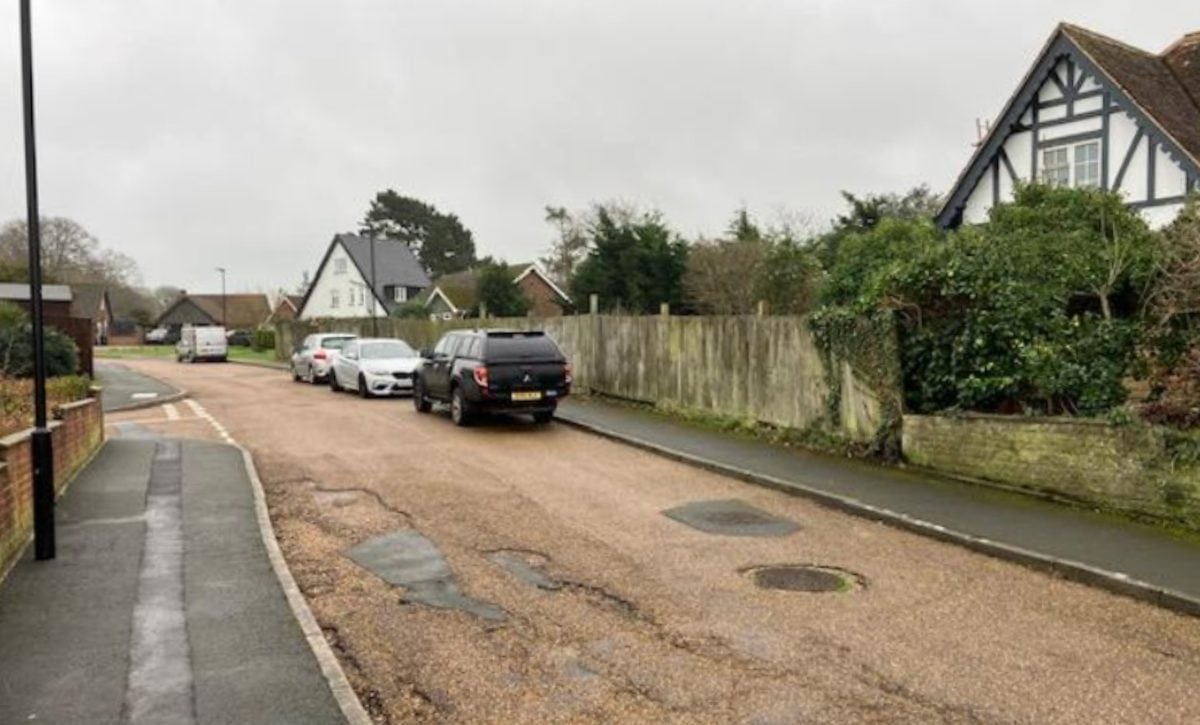
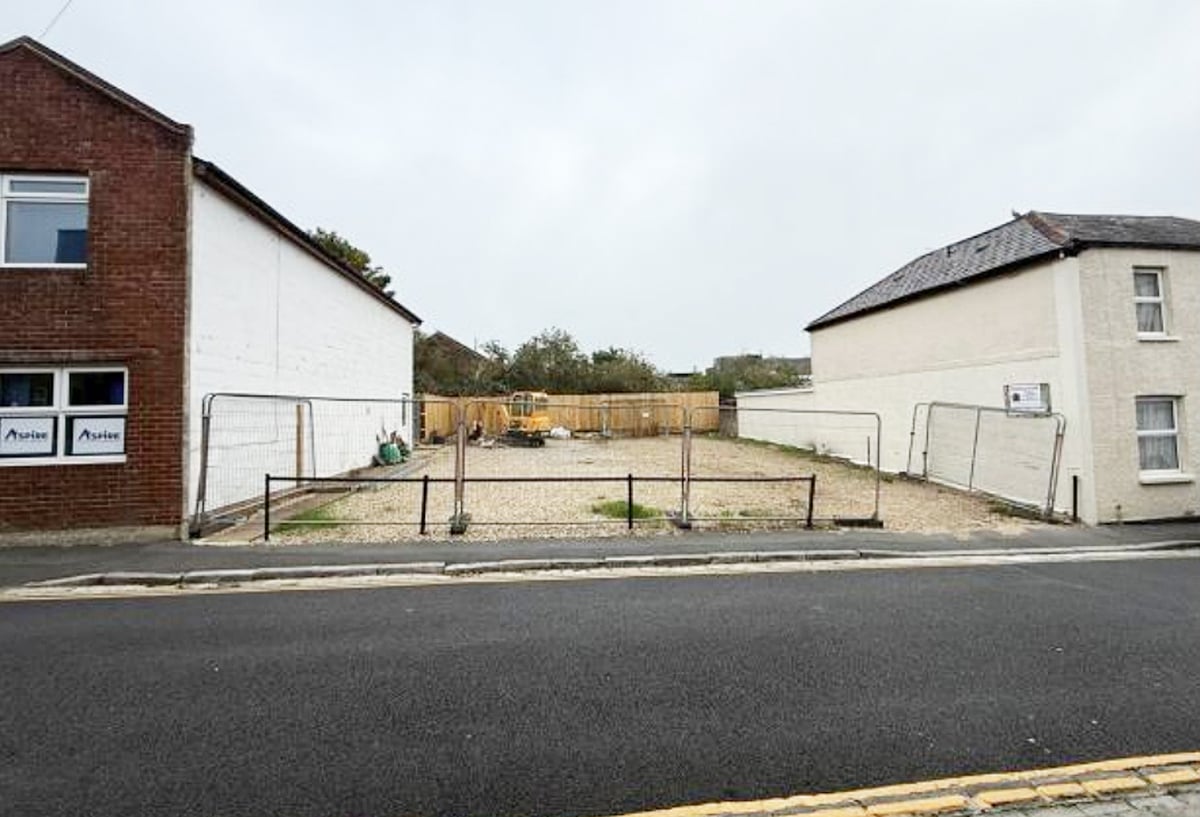
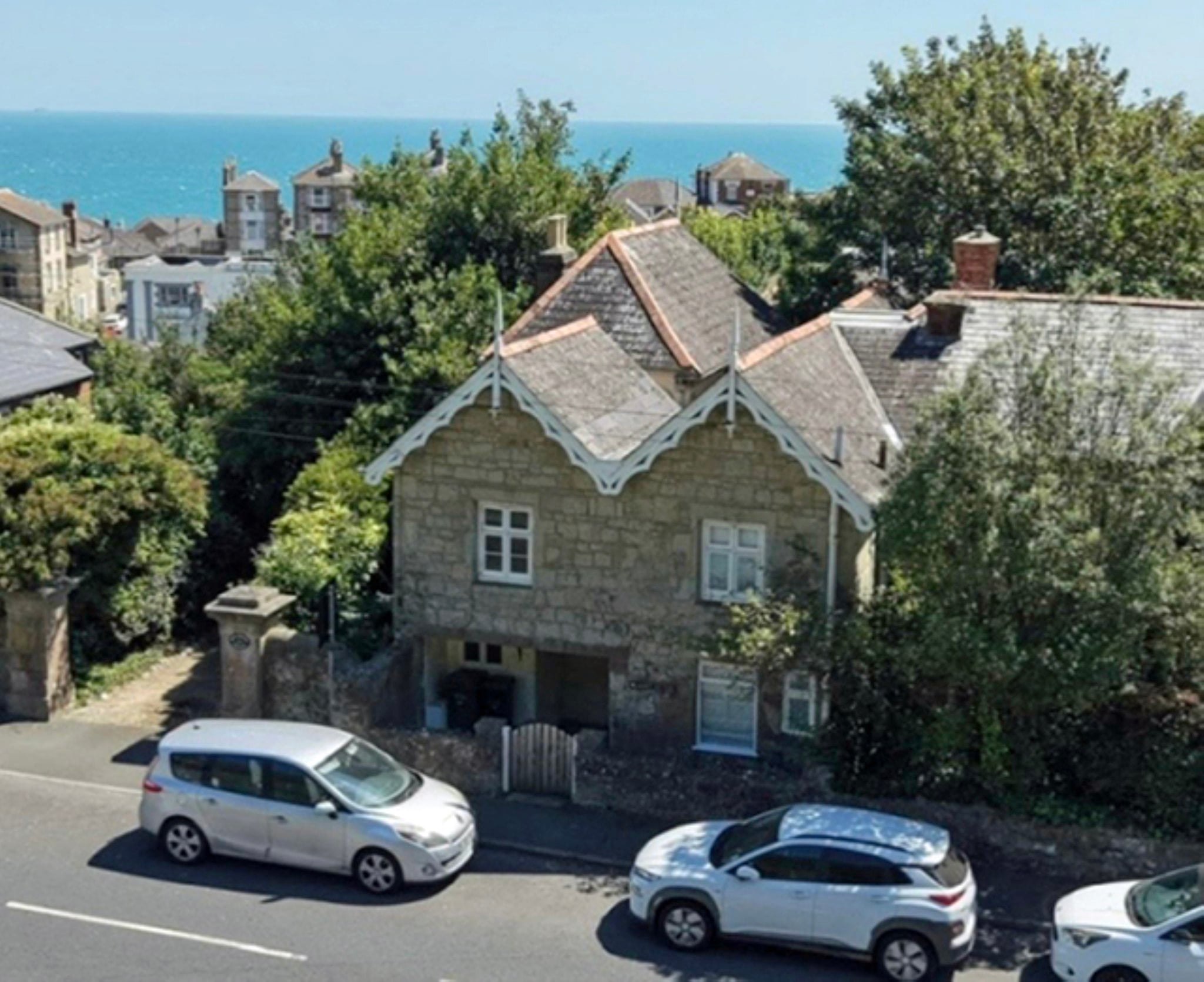
The following day, County Hall gave applicants Stratton and Raben conditional permission to build 5 homes, classed as ‘market housing’, along with an access road, garages, parking and landscaping on land next to Station House on St Helens’ Station Road.
Over 20 objections were submitted from the public, with disquiet expressed over issues including the development being out of character, overlooking and loss of privacy and encroachment into a greenfield site.

A published decision report on proposal 25/00779/FUL said the broad principle of new housing development on the site is supported by local plan policy and that the proposal would result in an ‘appropriate and spacious’ layout.
The same day, council officers refused Stephen Hucklesby’s revised outline application for residential units, a discount supermarket and associated access and infrastructure at Heathfield Campsite next to Freshwater’s Colwell Road.
It came after a total of 154 representations objecting to the scheme were made during consultation periods.
Opponents flagged issues such as inadequate drainage, the development’s effect on the area’s character, the timeliness of bat survey reports, increased traffic and resulting congestion, a lack of local services and infrastructure capacity and pedestrian safety.
The local authority concluded the ‘significant social benefits’ of application 24/00993/OUT would be outweighed by potential substantial harm to protected species and designated sites.