





















































Environment Agency objections over flood risk and ecology have added to concerns surrounding Southern Water’s major water recycling project in Sandown, with town councillors warning that key questions remain unanswered.
Sandown Town Council has renewed its criticism of the proposals, arguing that greater transparency is needed over the environmental, economical and community impacts of the scheme.
Meanwhile, the Environment Agency (EA) has confirmed that it continues to object to elements of the latest plans on flood risk and ecological grounds.


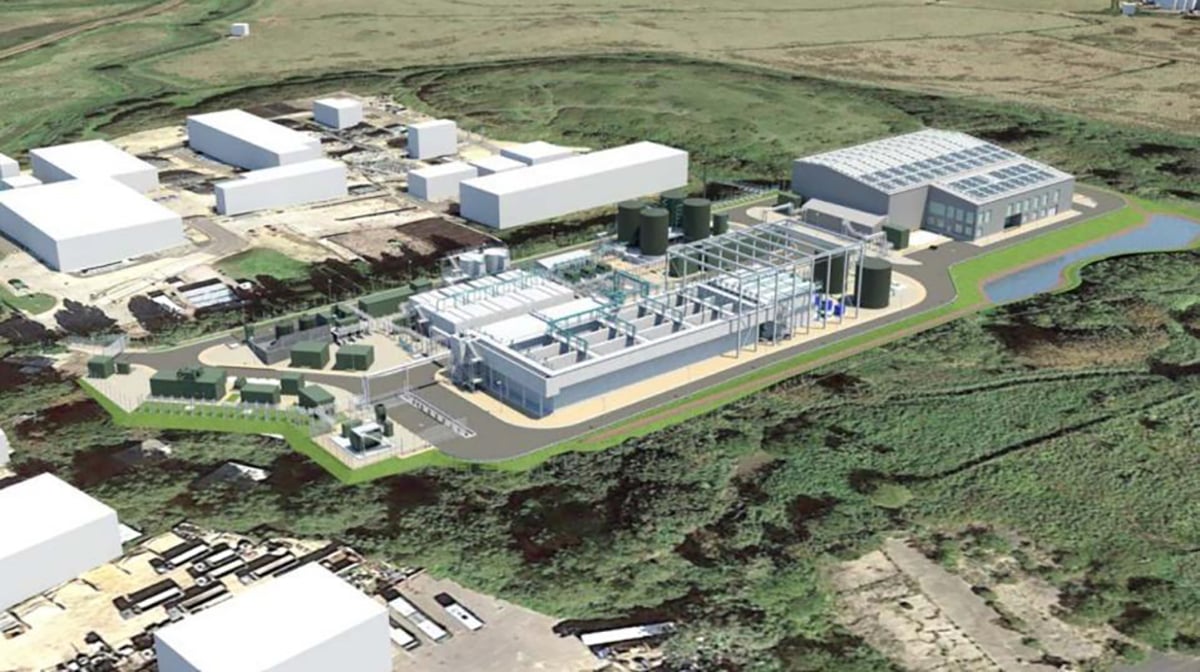
Southern Water’s Isle of Wight Water Recycling Project would use advanced treatment techniques to turn treated wastewater into 10.8million litres of purified recycled water each day.
The water would be released into the Eastern River Yar before being abstracted downstream and treated again at Sandown Water Supply Works, producing up to 8.5million litres of drinking water a day.
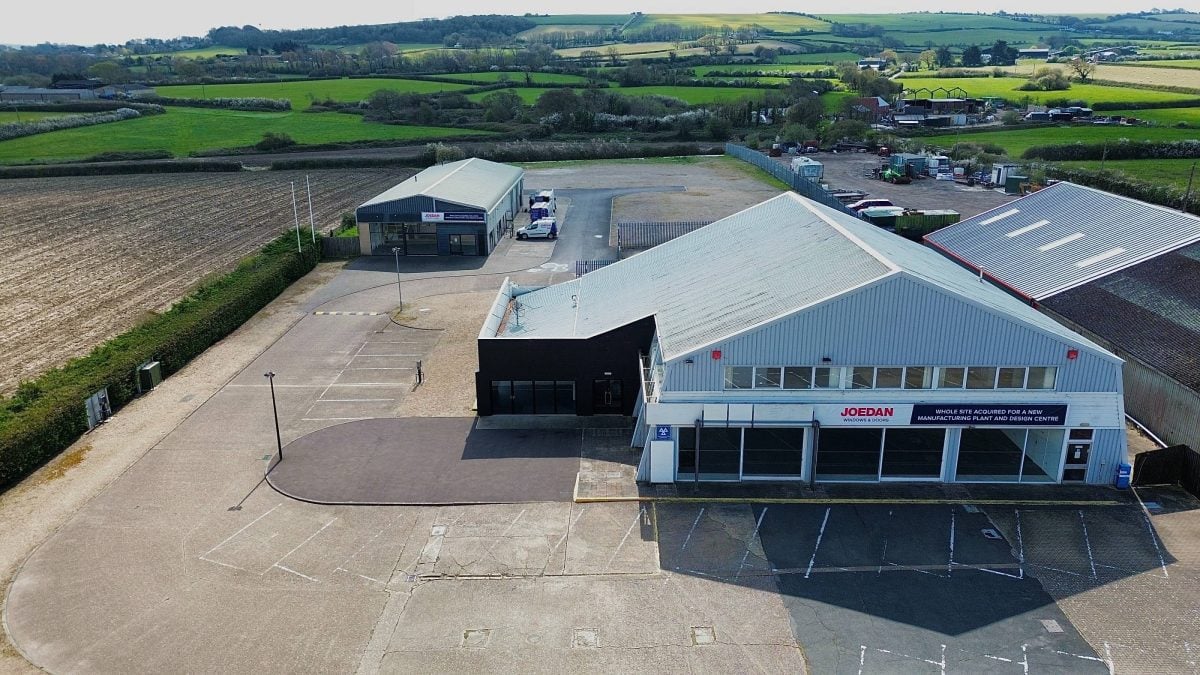
The revised plans include the construction of a Water Recycling Plant on land south of Sandown Wastewater Treatment Works, together with a pipeline to the Eastern Yar and an outfall at Alverstone.
Changes have also been made to the application boundary to accommodate power installation works, improvements to the junction of Greenwood Lane and the A3055 Morton Road and a temporary alternative footpath.
But councillors have warned that question marks remain over the cost of the project, construction traffic and its potential impact on the surrounding environment and community.
Speaking at a meeting of Sandown Town Council on 10th August, Cllr Ian Boyd said:
“There is room for improvement – this is not sufficient.
“Southern Water is hosting this incredibly critical infrastructure for the whole of the Isle of Wight – a place that is critically dependent on very fragile water sources.
“The community of Sandown should deserve every possible level of maximum information so that you can make informed decisions and maximum respect for the place that is hosting that project.
“That is not evident in the way the application’s been presented.”
Cllr Paddy Lightfoot highlighted the town council’s previous objection, which argued there was insufficient evidence to conclude that the environmental, economic and community impacts had been adequately addressed.
He said Southern Water’s subsequent response had failed to answer a number of those concerns.
“Sandown put a load of objections last time…Southern Water has come back with their response to it…they just haven’t answered the questions.
“How much money they’re spending – there is nothing. There’s nothing to say we’ve looked at desalination; it’s going to cost twice as much. There’s nothing to say we’ve looked at reservoir construction, which is going to cost X.
“You’ve got no level in which you can measure what they’re planning to spend of our money against what they’re doing.”
The town council has said the economic and environmental justification for constructing a major new water recycling facility has not been ‘convincingly demonstrated’, calling for further information, revised assessments and ‘robust, enforceable’ planning conditions.
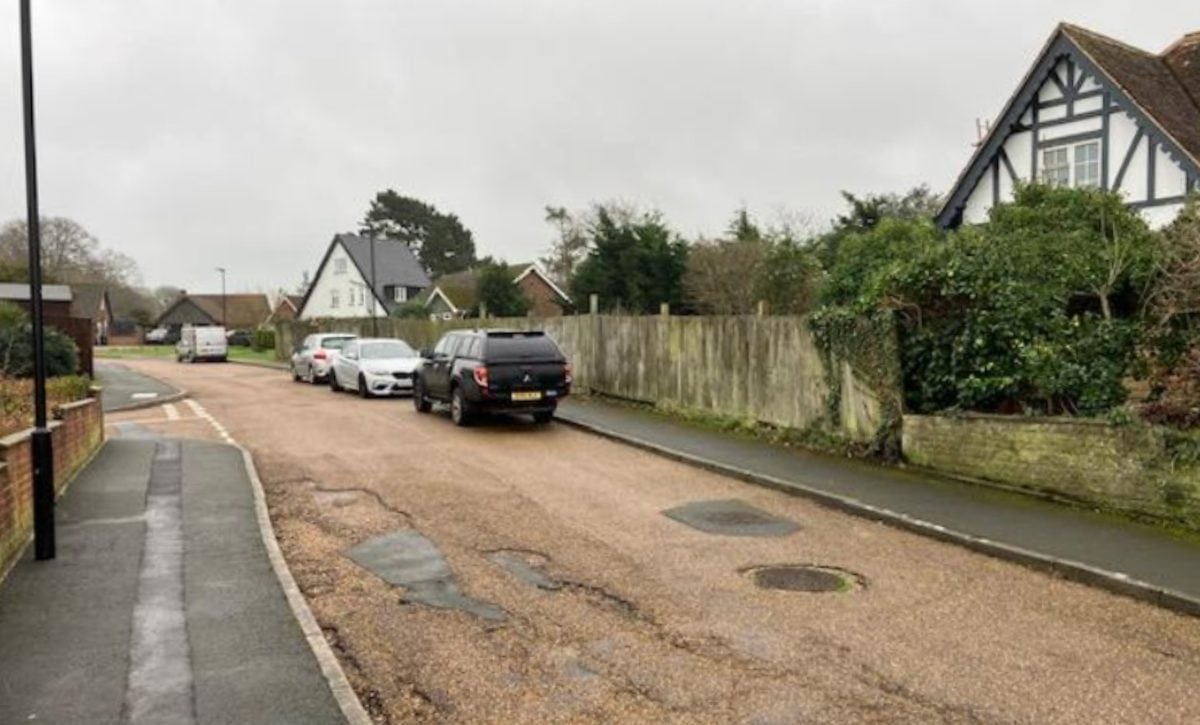
Traffic is another area of concern, particularly around College Close.
Cllr Lightfoot said:
“Traffic…they’ve pretty much said College Close is a dead-end and nothing much happens down there.
“Those who live there know that’s definitely not true…the biggest concern is the fire service being able to get in there when they actually need to.”
Concerns have also previously been raised over noise, odour, lighting and the visual impact of the development.”
Now, the Environment Agency has confirmed that despite reviewing further information submitted as part of the planning process, its objections relating to flood risk and ecology remain.
Although an objection concerning a maintenance washout can now be removed, the EA says there is insufficient information about a proposed outfall channel and a ‘protruding lip’ forming part of measures designed to protect eels.
The agency said:
“We object to the outfall channel proposed as part of this planning application due to insufficient information regarding the proposed protruding lip, which forms a key component of the eel mitigation design.
“While we support the mitigation approach in principle, insufficient detail has been provided to assess whether the protruding lip and associated mitigation measures will function as intended.”
Planning consultancy Adams Hendry has previously said outfalls are known to present a ‘low risk’ to eels and that, although the animals may enter outfall channels, they are usually able to navigate their way in and out.
The EA has also maintained concerns over the College Close temporary construction compound, saying there remains a ‘lack of clarity’ about flood risk.
Adams Hendry has previously said the compound would remain ‘operational and safe’ because it would be evacuated in advance of a flood event and would not be used again until floodwaters had receded.
Ben Ring, major projects director at Southern Water, has previously described the scheme as an ‘essential project’ forming part of wider plans to create new drought-proof sources of water.
He said the new sources would help protect Hampshire’s chalk streams, maintain supplies for customers and provide greater resilience for the Isle of Wight.
Southern Water has also said it carried out public consultation between January and March 2025, engaging with residents, businesses, councillors and community groups, with feedback helping to ‘shape and refine’ the proposals.
The company says it remains committed to engaging with the local community as the project progresses.
The Isle of Wight Council’s public consultation on the application runs until 21st August, with a decision currently due by 26th October.











































Good it’s about time Southern Water were asked real questions about a project they thought would quietly go thru and we would all be grateful,it’s money for old rope for Southern the costs for construction etc are being met by grants so no precious shareholders dividends at risk!And they have not produced any data from any reputable source to prove this would work and not destroy a delicate eco system,always good to know a whistle blower who isn’t happy with all of this!.
So all carry on and stop this project have no fucking water like we have now! stupid no future security while our bills go through the roof for less water.