






























































With forex’s fast pace of work, you can lose your investment instantly, so one fundamental principle reigns supreme: “Safety First.”
Your journey into the dynamic realm of foreign exchange begins with a critical decision – choosing the right forex broker.
This choice is not merely a matter of convenience; it’s the keystone of safeguarding your hard-earned investments.


There are many perks brokers offer, such as brokers with welcome bonus or simulated funds to help you learn the business to assist newcomers and seasoned traders alike.
The foreign exchange market, known for its exhilarating volatility, presents unparalleled opportunities but is equally rife with risks.
The Forex Marketplace
The foreign exchange market is a global decentralized market where currencies are traded, serving as the world’s largest and most liquid financial market.
An Overview of Forex Investing
Forex investing, often called currency trading or forex trading, involves the buying and selling of currencies in the foreign exchange market to generate profit.
Investors engage in forex trading for various reasons, including portfolio diversification, hedging against currency risks, or seeking short-term trading opportunities.

Successful forex investing requires a solid understanding of market analysis, risk management, and a well-thought-out trading strategy.
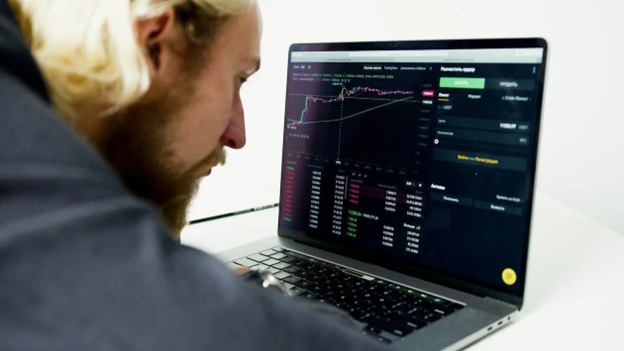
Traders use various tools, including technical and fundamental analysis, to make informed decisions.
Moreover, staying updated on global economic and geopolitical events is vital as these factors can significantly impact currency valuations.
Forex investing offers profit opportunities, but it demands discipline, knowledge, and a cautious approach to manage the associated risks effectively.
It’s a market where continuous learning and prudent decision-making are keys to long-term success.
Associated Risks
Forex investing, while offering profit potential, is not without its associated risks. Understanding these risks is crucial for anyone considering participation in the foreign exchange market:
- Market Volatility – Forex markets are known for their high volatility, which means that currency prices can change rapidly within a short time frame. While market volatility can create profit opportunities, it also increases the risk of significant losses.
- Leverage – Many forex brokers offer power, allowing traders to control more prominent positions with relatively little capital. Leverage can increase profits, and it also magnifies losses. Overleveraging can lead to substantial financial setbacks.
- Lack of Regulation – The forex market is decentralized, with no centralized exchange or regulator. While this provides flexibility, it also makes the market susceptible to fraud and unscrupulous brokers. Choosing a reputable and regulated broker to mitigate this risk is crucial.
- Interest Rate and Economic Risks – Currency values are closely tied to interest rates and economic indicators. Unexpected changes in central bank policies or financial data can lead to sudden and sharp currency fluctuations.
The Role of a Forex Broker
The role of a trader is to speculate on the price movements of currencies in the foreign exchange market, aiming to buy low and sell high or sell high and buy low to generate profit while effectively managing risks associated with currency trading.
Security and Regulation
To protect traders and maintain market integrity, regulatory bodies in various countries oversee forex brokers and enforce strict standards.
Reputable brokers adhere to these regulations, ensuring the safety of traders’ funds through measures like segregated accounts and insurance.
Moreover, robust encryption and security protocols safeguard financial transactions.
For traders, working with regulated brokers is essential, as this provides a layer of protection against fraudulent practices, ensuring a secure trading environment in an otherwise decentralized and potentially risky market.
Protection of Funds
Reputable forex brokers employ various safeguards to ensure traders’ funds are secure.
One key measure is segregated accounts, where client funds are kept separate from the broker’s operational capital.
Additionally, many brokers offer insurance coverage, providing an added layer of protection in case of unexpected events.
These protective measures aim to shield traders’ investments from financial instability or potential broker insolvency, giving traders confidence that their funds are well-protected within the forex market.
Transaction Security
Transaction security is paramount in forex trading. Brokers employ robust measures to ensure the safety of financial transactions.
Encryption technology is commonly used to protect sensitive data, making it extremely difficult for unauthorized parties to intercept or manipulate transaction information.
Secure payment gateways and stringent anti-fraud protocols further enhance transaction security.
These safeguards protect traders from financial losses due to unauthorized access or fraud and instill trust in the integrity of the forex market, fostering a secure environment for traders to execute their transactions confidently.
Overall Transparency
Generally speaking, trustworthy forex trading is built on transparency.
Trustworthy brokers offer clients clear and easily accessible information on spreads, fees, and execution policies to provide transparent trading conditions.
This openness extends to pricing, ensuring traders can see current market rates.
Brokers encourage fairness and avert potential conflicts of interest by doing this.
Knowing they are working in a transparent atmosphere where the broker’s policies coincide with the trader’s best interests, traders may confidently make educated judgments, encouraging trust and responsibility in the forex market.
Risk Management
A proficient broker offers a range of risk management tools and guidance to help traders safeguard their investments.
These tools include stop-loss and take-profit orders, margin requirements, and risk assessment resources.
The overall effectiveness in assisting clients with risk mitigation directly impacts their trading success.
A top-tier broker provides these tools and educates traders on their use, empowering them to make informed decisions and manage their exposure to market volatility effectively.
In essence, a broker’s commitment to comprehensive risk management reflects their dedication to their clients’ long-term success in the forex market.
Choosing the Right Broker
Choosing the right forex broker is pivotal because it directly influences your trading experience, the safety of your investments, and your ability to navigate the complex and volatile foreign exchange market successfully.
Factors that Contribute
Having a competent broker can be a deal breaker in some situations, so here are a few key factors that will determine their quality:
Trading Experience
A positive trading experience hinges on the broker’s ability to provide traders with a seamless and user-friendly platform.
This, in turn, reduces the stress and complexity associated with forex trading, allowing traders to focus more on their strategies and less on technical challenges.
A broker’s commitment to offering a smooth and productive trading experience is instrumental in attracting and retaining clients who seek convenience and efficiency in their forex endeavors.
Safety of Funds
Ensuring the safety of funds is paramount when selecting a forex broker.
Brokers implementing robust security measures, like segregated accounts that separate client funds from their operational capital, offer a vital layer of protection.
Additionally, insurance coverage shields traders from unforeseen events, such as broker insolvency.
These precautions instill confidence that your hard-earned investments remain safeguarded even in market turbulence or unexpected developments, providing peace of mind and financial security in forex trading.
Transaction Costs
Different brokers have varying fee structures, spreads, and commissions.
Choosing the right broker with competitive pricing can significantly impact your bottom line.
By minimizing transaction costs, you retain more potential profits, allowing you to optimize your potential in the forex market.
Selecting a broker that aligns with your cost-saving goals is essential for traders looking to maximize their returns and manage their trading expenses efficiently.
Educational Resources
Brokers that provide a wealth of educational materials, including webinars, tutorials, market analyses, and research tools, empower traders to enhance their understanding of the forex market.
These resources facilitate informed decision-making, the developing of effective trading strategies, and the acquisition of valuable insights.
A broker’s commitment to educating its clients fosters skill development and demonstrates its dedication to helping traders succeed in the dynamic and competitive trading world.
Customer Support
A customer-centric approach is the lifeline for traders in times of need.
Whether it’s technical difficulties, account-related questions, or trading assistance, reliable customer support ensures traders have the assistance they require, contributing to a smoother and more confident trading experience.
This ultimately enhances their overall satisfaction and trust in the broker’s services.
Tips and Tricks
Selecting the right forex broker is a crucial decision for your trading success. Here are some tips and tricks to help you make an informed choice:
- Demo Accounts – Open a demo account to test the broker’s services without risking real money. This allows you to assess the platform and execution speed.
- Deposit and Withdrawal Methods – Ensure that the broker supports convenient and secure methods for depositing and withdrawing funds in your location.
- Trading Conditions – Carefully read and understand the broker’s terms and conditions, including withdrawal policies, margin requirements, and slippage practices.
- Scalping and Hedging – If you plan to use these trading strategies, confirm that the broker permits them, as some have restrictions.
- Client Feedback – Seek feedback from other traders to gain insights into their experiences with the broker. Online forums and communities can be valuable sources of information.
Conclusion
The foundation of a secure and successful journey in forex begins with the meticulous selection of the right broker.
Forex investing, characterized by its volatility, offers opportunities for traders, both experienced and novice. However, it demands a profound understanding of risks, disciplined risk management, and informed strategies.
Navigating the forex market also necessitates partnering with a regulated and transparent broker, ensuring the protection of funds, transaction security, and overall market integrity. These safeguards not only mitigate risks but also foster trust and accountability.
Remember, when venturing into this exciting arena, always prioritize “Safety First.”