















































Local headlines from 30, 100, 110, 120, 130, and 140 years ago, including a ‘disgraceful’ paternity case in which a villainous Victorian impregnated his under age servant girl before returning her to the Workhouse.
30 years ago (1993)
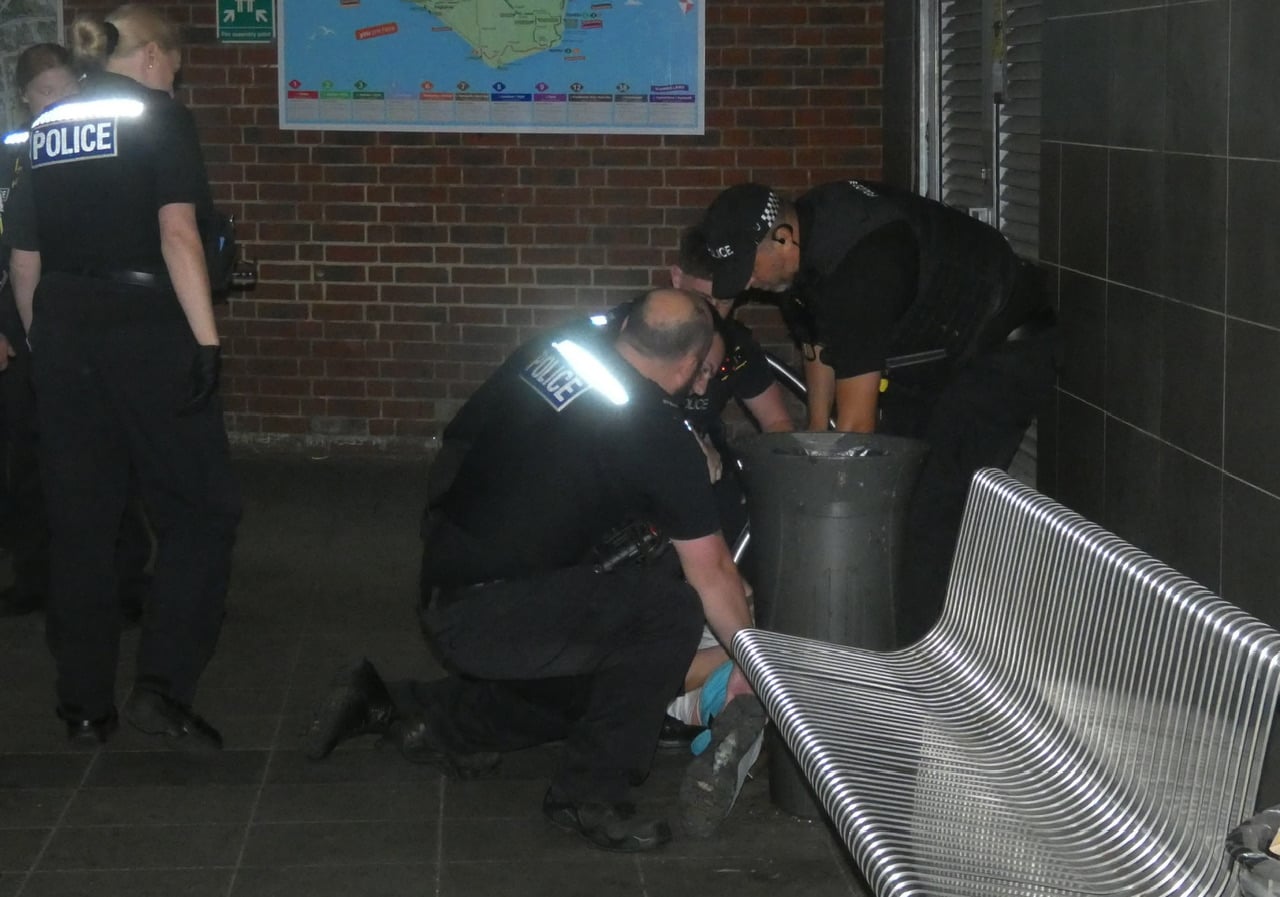
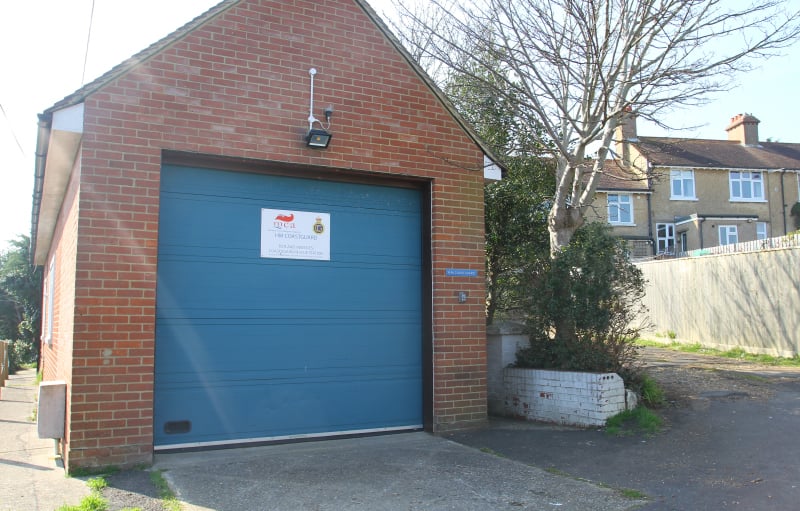
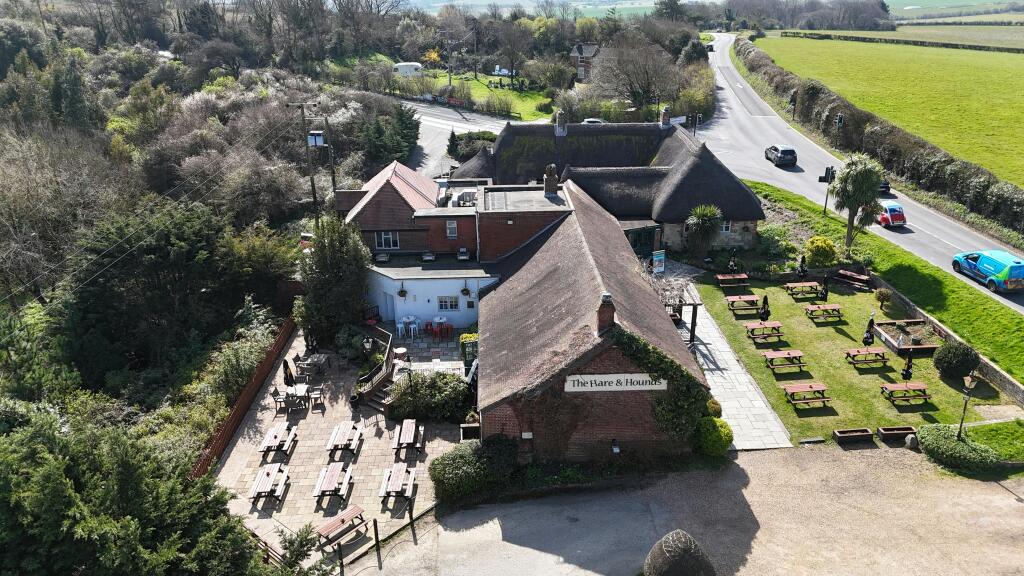
DANGEROUS TOP SECURITY PRISONER ESCAPES AFTER VISITING PUB WITH PRISON GUARD A jailed gunman known as “an exceptional security risk” went on the run after escaping his 1-man escort during a visit to the pub. 23-year-old Richard Tyres – who was described as “highly dangerous” – visited a pub with his escort during a day visit to a drug counselling centre. Tyres was serving 6 years at Albany prison after holding 5 people hostage with a gun. At the time of the offence, he was on the run from Aldington prison in Kent. The escort had with him a sealed envelope to be opened in the event of an escape. When Tyres ran away, he read the letter which stated: “This man is an exceptional security risk. He has escaped in the past and is likely to try again.”
100 years ago (1923)
ACCIDENTAL DEATH OF VANCOUVER STOCKBROKER IN SHANKLIN The Isle of Wight coroner investigated the death of stockbroker Christopher Arthur Mohun Cator of Vancouver, who had been found dead with shotgun wounds to the face at Languard Manor, Shanklin. The Police examined Mr Cator’s room but found nothing to suggest suicidal tendencies. The Coroner found that death had been caused by the discharge of a gun, possibly due to Mr Cator having tripped in the undergrowth.


110 years ago (1913)
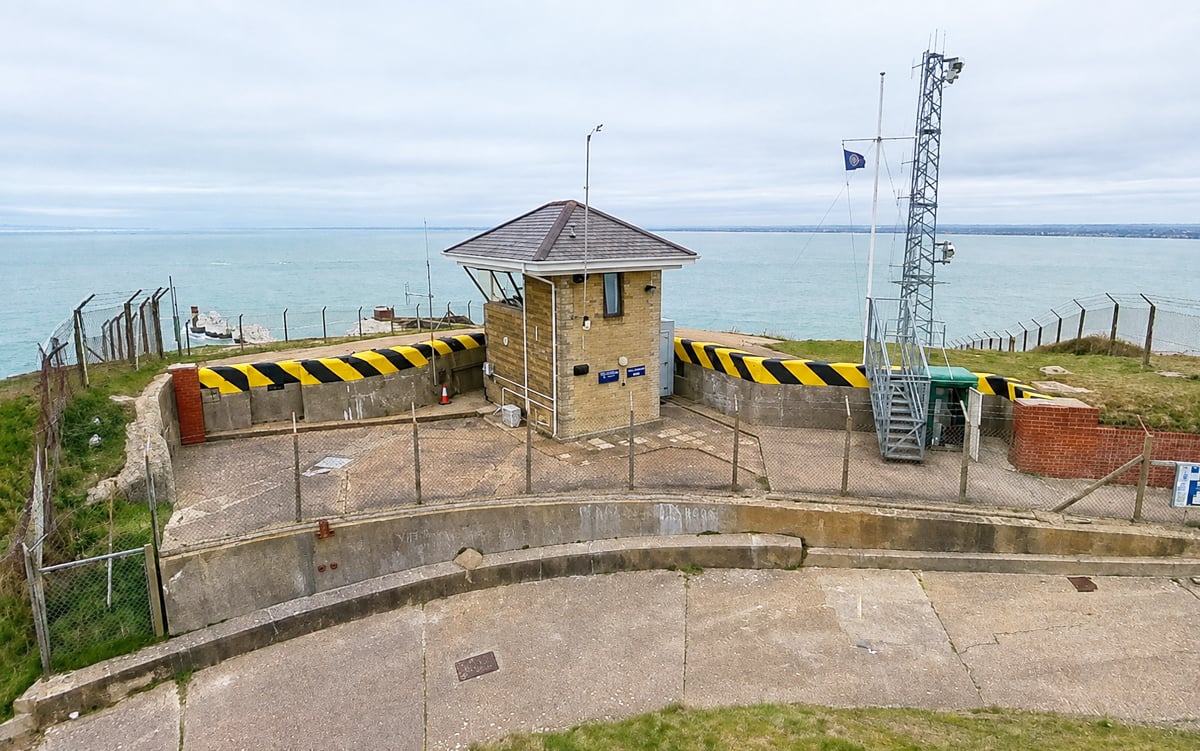
ANTI-AIRCRAFT GUNS DEPLOYED AT NEEDLES BATTERY Experiments with a high-angle quick-firing gun at Needles Battery had proved successful and it was thought further guns might be mounted there and elsewhere on the Island. This was the 1st time an anti-aircraft gun had been deployed on the Isle of Wight.
120 years ago (1903)
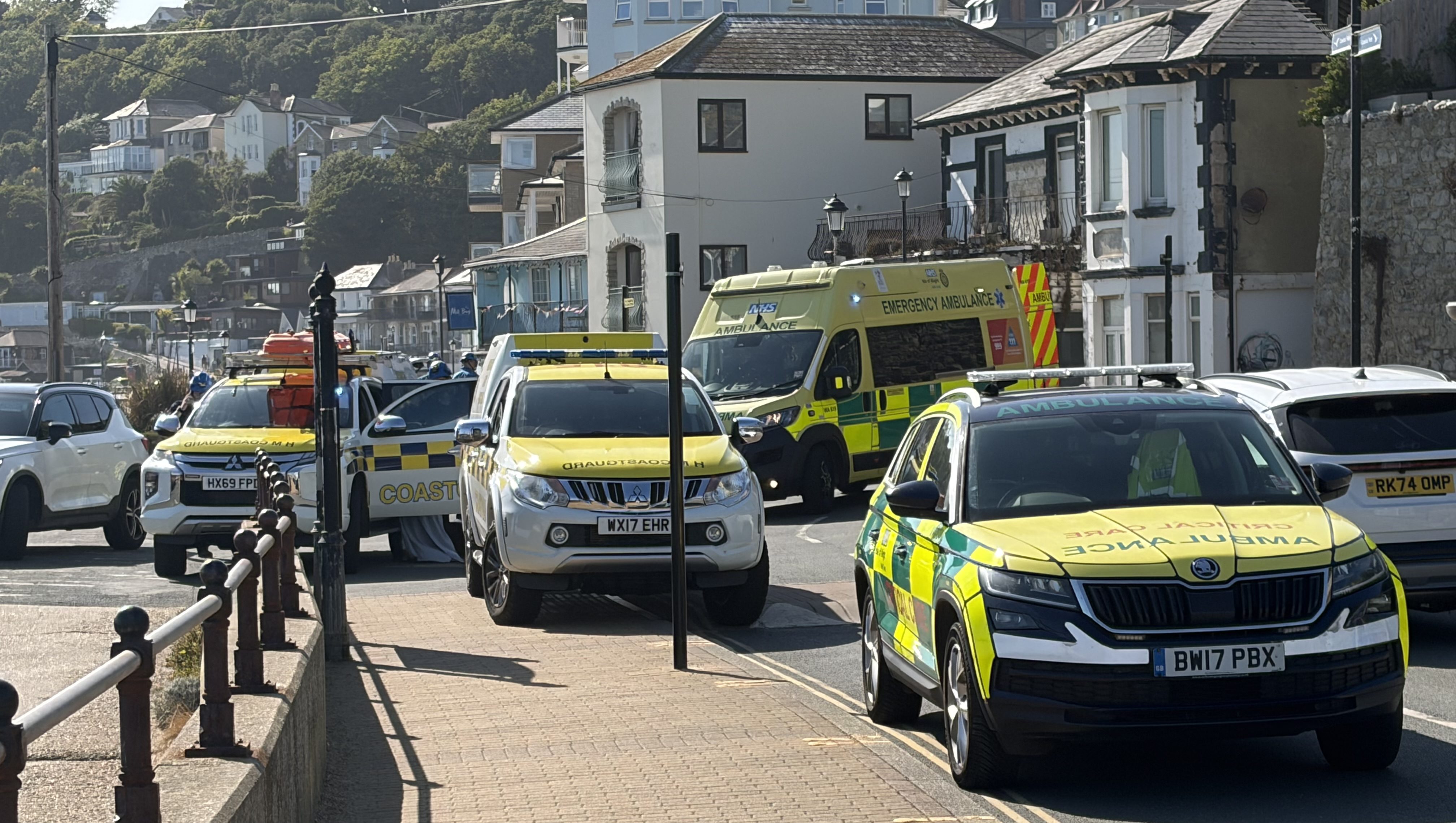
LUCKY ESCAPE FOR VENTNOR REFUSE COLLECTOR A refuse collector named Lowe had a lucky escape from death when his horse backed over a 100-foot-high cliff in Ventnor, taking with it the cart and the driver. Lowe was fortunately saved from death by landing on a soft piece of earth. His animal landed on its back and was badly injured.
130 years ago (1893)
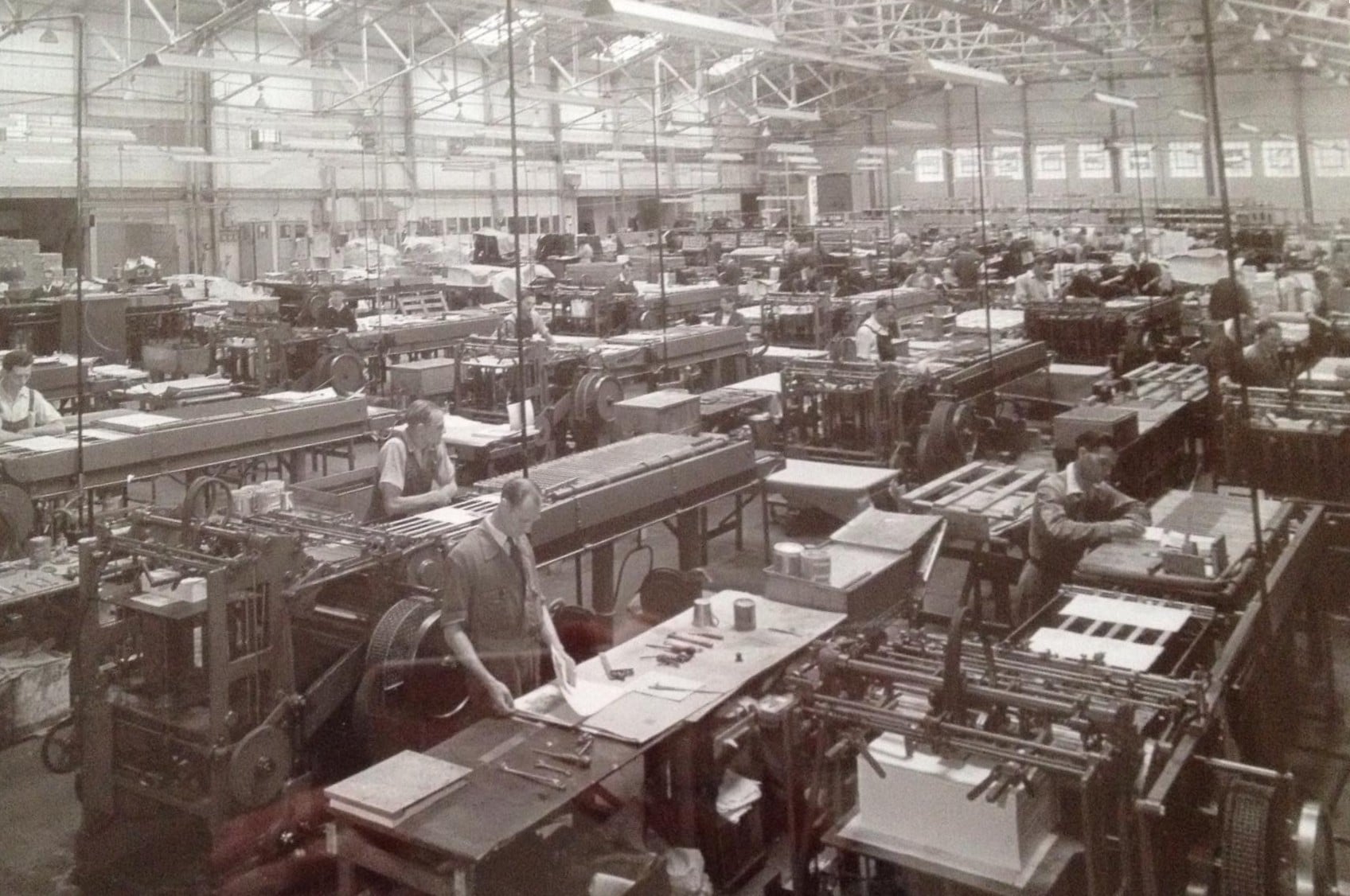
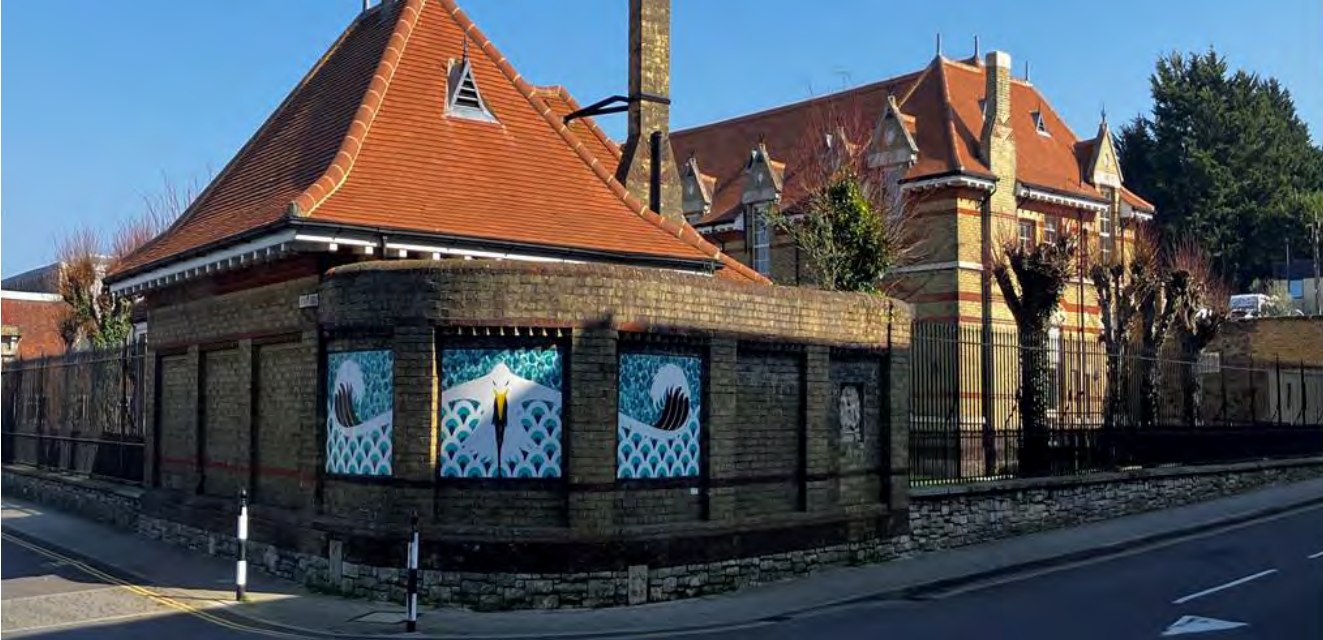
ACCIDENTAL DEATH IN WROXALL A Colchester man named Giles – who had been in search of work for some weeks – was given permission to sleep in a loft in Wroxall. He said that he would be given employment on the railway the following day. In the morning, Giles was found unconscious, having fallen from the loft, which was 10 feet high. Giles was removed to the Workhouse Infirmary at Parkhurst, where he died the following day. ‘DISGRACEFUL’ RYDE PATERNITY CASE Albert Dimmer, a printer and bookbinder of Ryde, was summoned to appear at the Isle of Wight Magistrates to show why he should not contribute to the maintenance of the illegitimate child of Elizabeth Willis, a young domestic servant, formerly in his employ, of whom he was alleged to be the father. Prosecutor Mr Bell claimed that in his long experience, he could not recall a more painful case, more to the discredit of any defendant. The complainant was 14 when she left the Isle of Wight Workhouse and was taken into Mr Dimmer’s service. She had not been in the defendant’s service for more than five months, and was still a child, being under 15, when he seduced her. The intimacy continued until she left his service, after falling pregnant. The defendant was said to have been a ‘respectable’ married man, with a daughter older than the complainant. Mr Bell claimed he could prove…
“that a more disreputable, a more heartless, and more despicable defendant than this had never been brought into court. He debauched the child who had gone into his service under circumstances which ought to have constituted him her protector and her guardian – a poor little pauper girl – under his wife’s nose, and when her condition was discovered, he sent her back to the Workhouse!”
Dimmer was ordered to pay 3s (15p) a week for the support of the boy until he was 13 years old as well as court costs amounting to £1 13s 6d (£159 in today’s values).

140 years ago (1883)
EXODUS FROM RYDE 5 families – constituting of 28 individuals – left Ryde for Tasmania. The heads of the families were 2 masons, 2 carpenters, and 1 French polisher. They were described as “sober, steady, and industrious men”, who had been compelled to leave the Isle of Wight due to a shortage of work.