














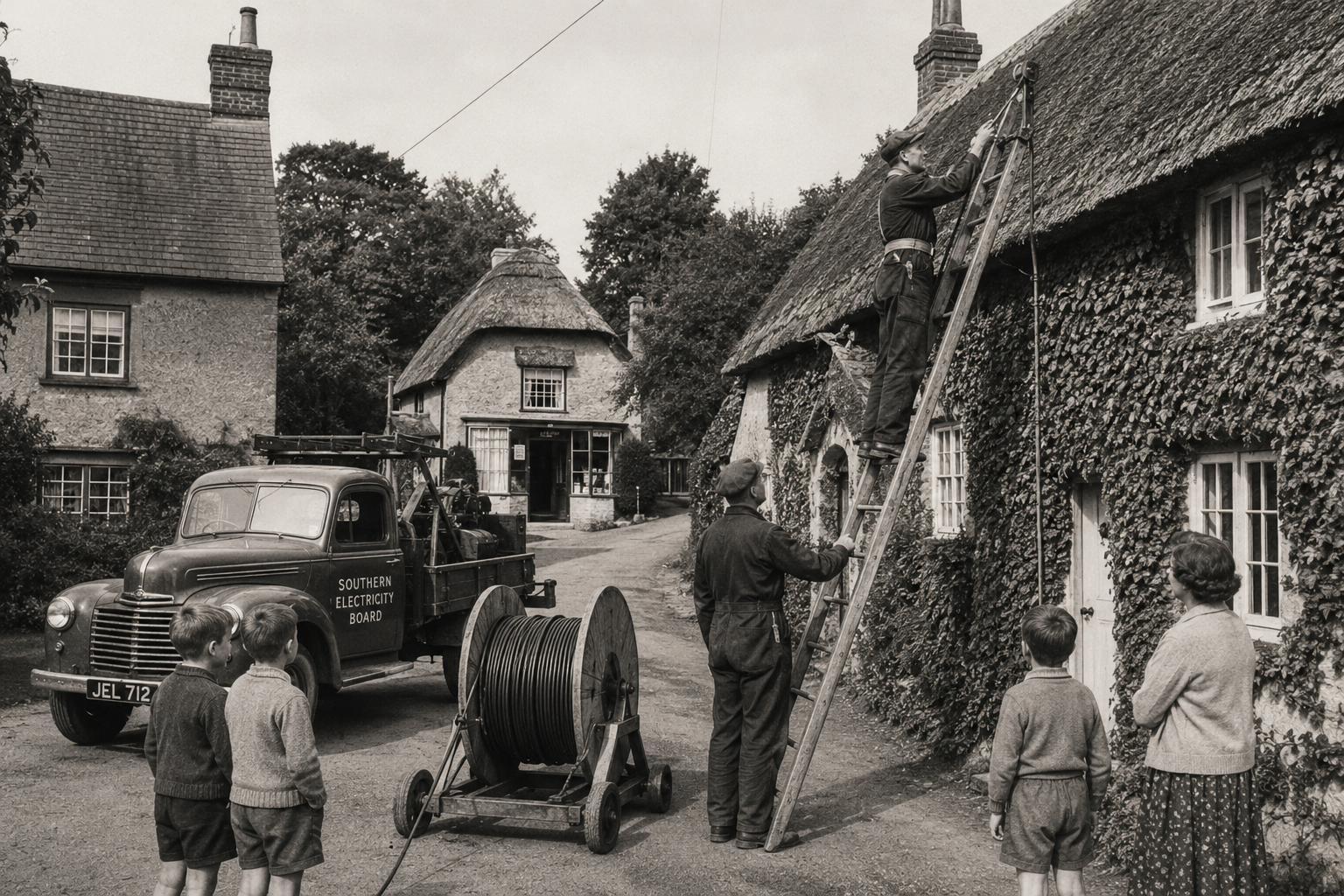
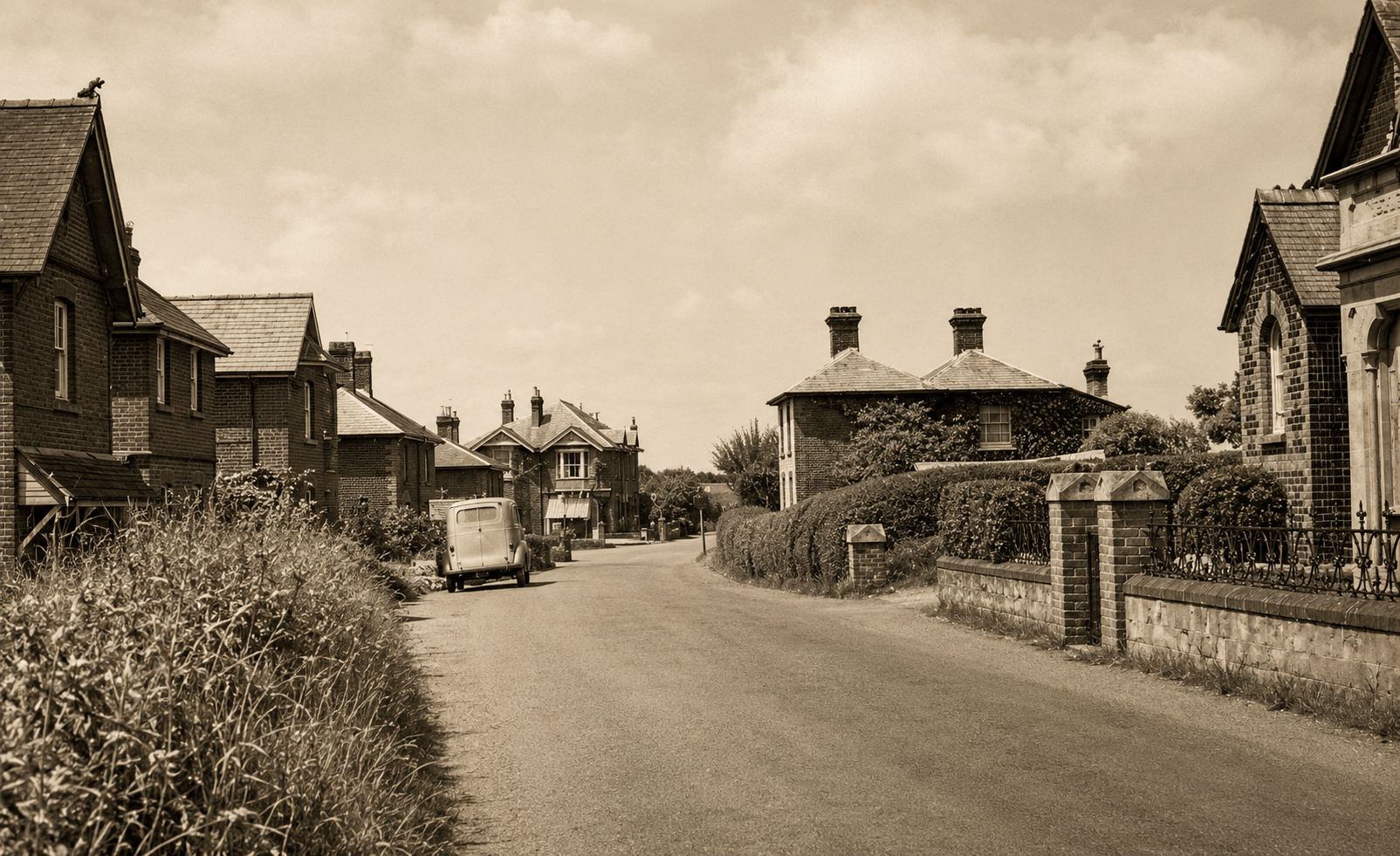




































 In this week’s edition of Isle of Wight pubs, Island Echo examines some of Shanklin’s historic inns, a few of which date back to the time when the seaside resort was no more than a small village. Up until the start of the 19th century, Shanklin was no more than a coastal fishing village. However, the patronage of literary giants such as the poet Keats attracted visitors, allowing it to grow into a fashionable seaside holiday destination. The transformation was swift. Shanklin Chine became the first paying holiday destination on the Isle of Wight in 1817, following which prestigious accommodation establishments such as Holliers and Daishes opened their doors. Tourism to the Isle of Wight was boosted by the arrival of Queen Victoria at Osborne in 1845. The economy of coastal fishing villages was transformed. Money now came from tourism rather than smuggling. The cliff top customs patrol paths became scenic walks for well-heeled visitors, who – by 1864 – flocked to Shanklin by train. Shanklin’s heyday came in the reign of Edward VII when the Esplanade’s Royal Spa Hotel – sadly lost to a World War II bombing raid – was the haunt of European royalty.
Fisherman’s Cottage Inn
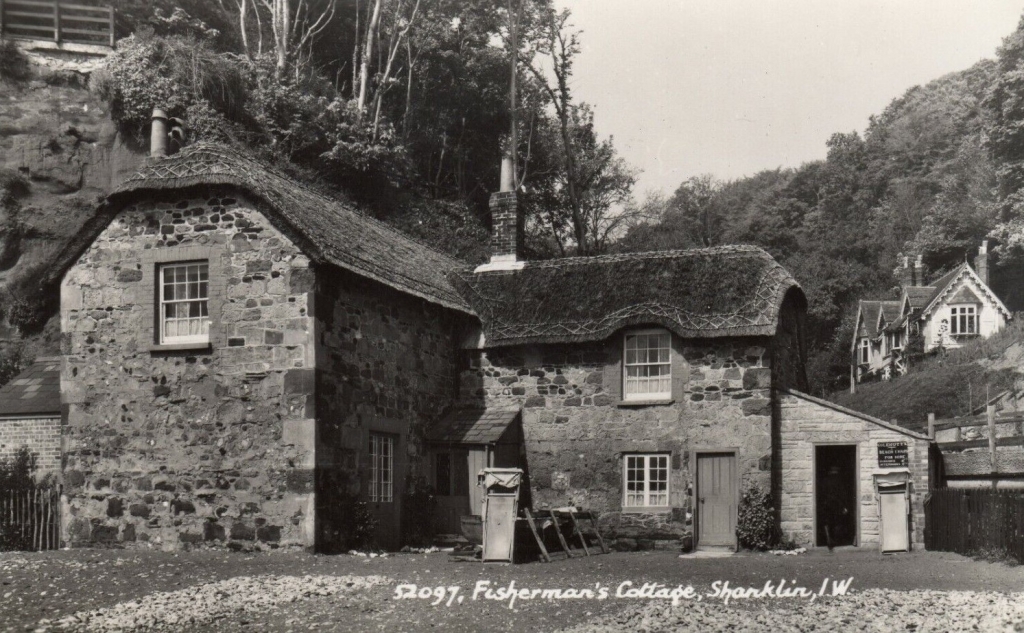 This shoreside cottage lies at the foot of Shanklin Chine – historically known as Chynklyng Chine – from which the name of the town derives. It was built by William Colenutt in 1817, the same man who made the path through the Chine and developed it as a tourist attraction. Colenutt was also the first person to operate bathing machines on the beach. Fisherman’s Cottage was once famed for its heated seawater baths, the last of which was moved to the Chine museum in 1970.
Crab Inn
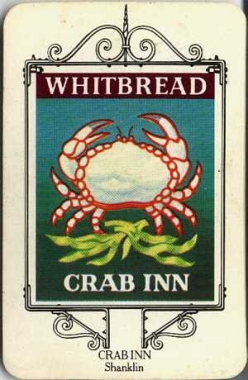
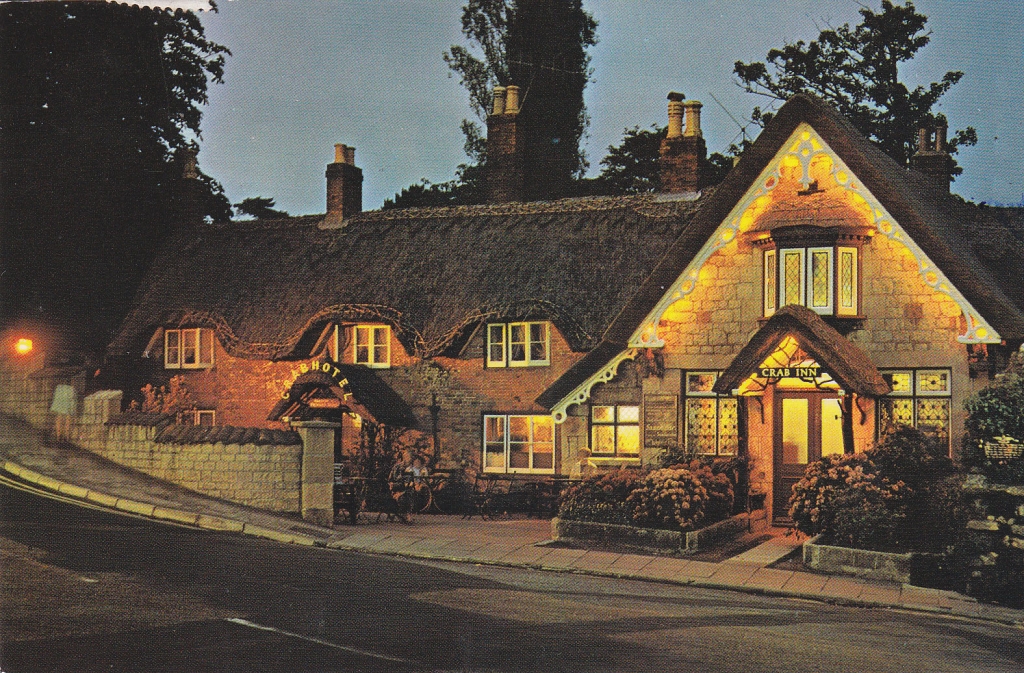 The Crab Inn is probably the most famed and photographed of all Shanklin pubs and possibly of the Island as a whole. Its name is said to derive from a fish market located on this spot to which fisherfolk brought their catches of crabs and lobsters.
 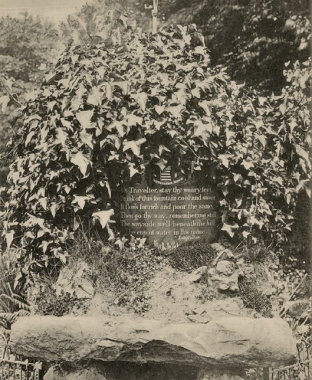 At the corner is an unobtrusive fountain, with a small shield emblazoned with the English and United States flags, and bearing the following words: O Traveller, stay thy weary feet; Drink of this fountain, pure and sweet; It flows for rich and poor the same. Then go thy way remembering still, The wayside well beneath the hill, The cup of water in His name. The reputed author of the verse was American poet Henry Wadsworth Longfellow, author of such works as The Song of Hiawatha, and the most famous 19th century poet to hail from the United States. He supposedly penned the verse while staying at the Crab in 1868, although it has also been claimed he resided at what is now known as Holliers. The Crab is said in some histories to have first begun serving the community in the 1830s when Shanklin was no more than a few cottages in this part of the village. Others claim it has been in situ for at least 400 years.


Chine Inn
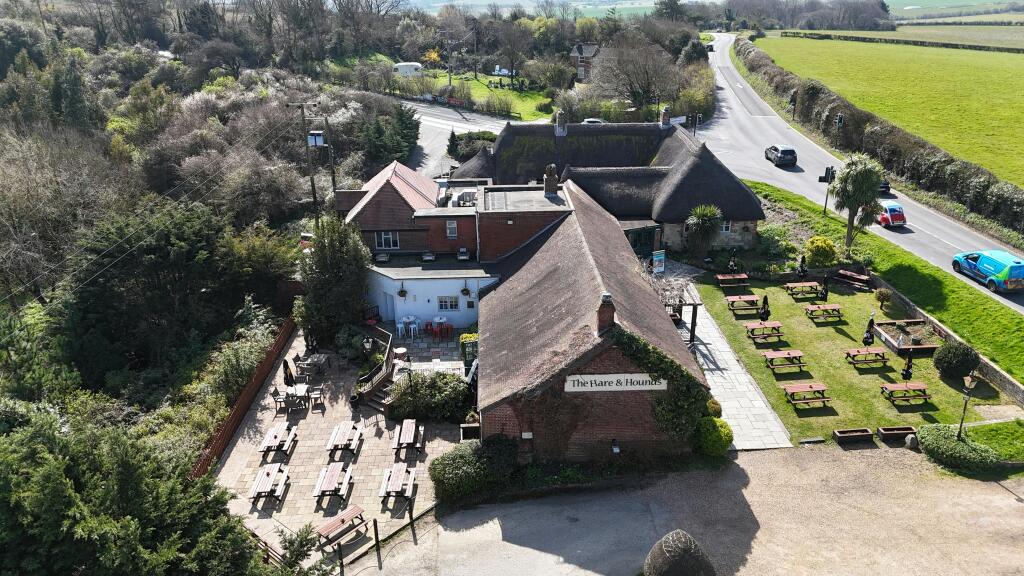
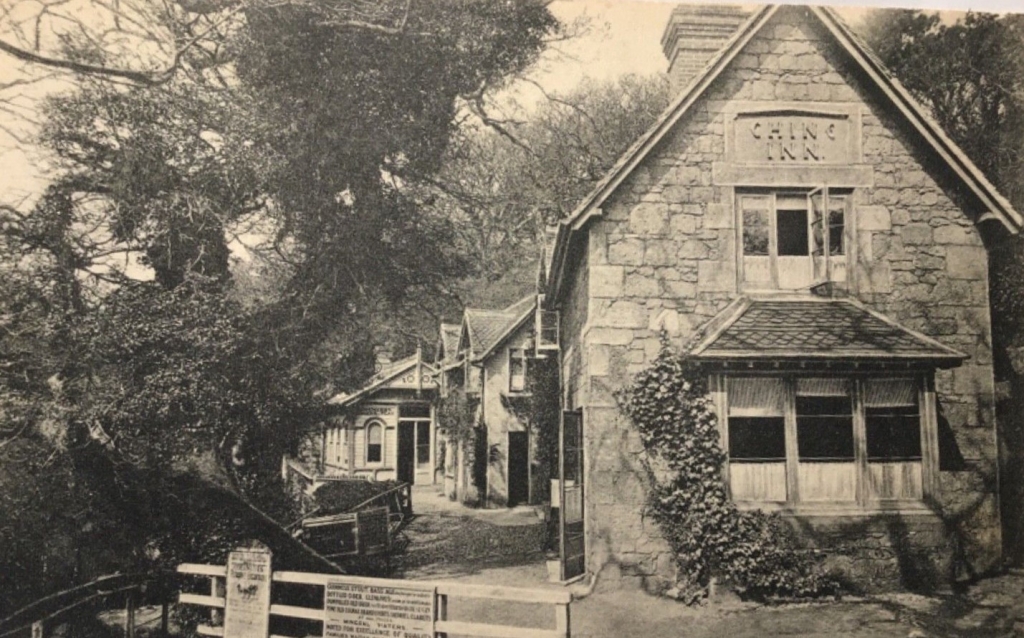 Chine Inn is believed to be the oldest pub in the vicinity, dating to 1621. It was originally thatched until it suffered fire damage sometime in the 1860s – some say 1862, others 1864, 1869 is another date given – after which the thatch was replaced with tiles. Chine Inn was described by a clergyman in the 19th century in the following words:
“The Chine is reached by road to the left, that passing a picturesque public house, nestling under the singularly twisted boughs of a venerable oak, and brings you to a locked gate, where a janitor is usually waiting to admit you on receipt of a slender fee.”
Old photographs of the Chine show some mariners reclining on the terrace of the inn with a pint of the right stuff at their elbows and the long clay pipes of the period protruding from their salty lips. There are, of course, smugglers’ tales associated with the inn. There is rumoured to be a secret passage leading from the little door in the wall under the building and as far as the car park of what was once Vernon Meadow. An earlier writer in Islander magazine fancifully suggested:
“May we suggest that efforts be made to to trace this passage today, and if possible open it to the public as an original smugglers’ passage? This could become one of the highlights of a trip to Shanklin and if a few small boys got lost underground, their bleached skulls would merely add to the atmosphere.”
Waterfront Inn
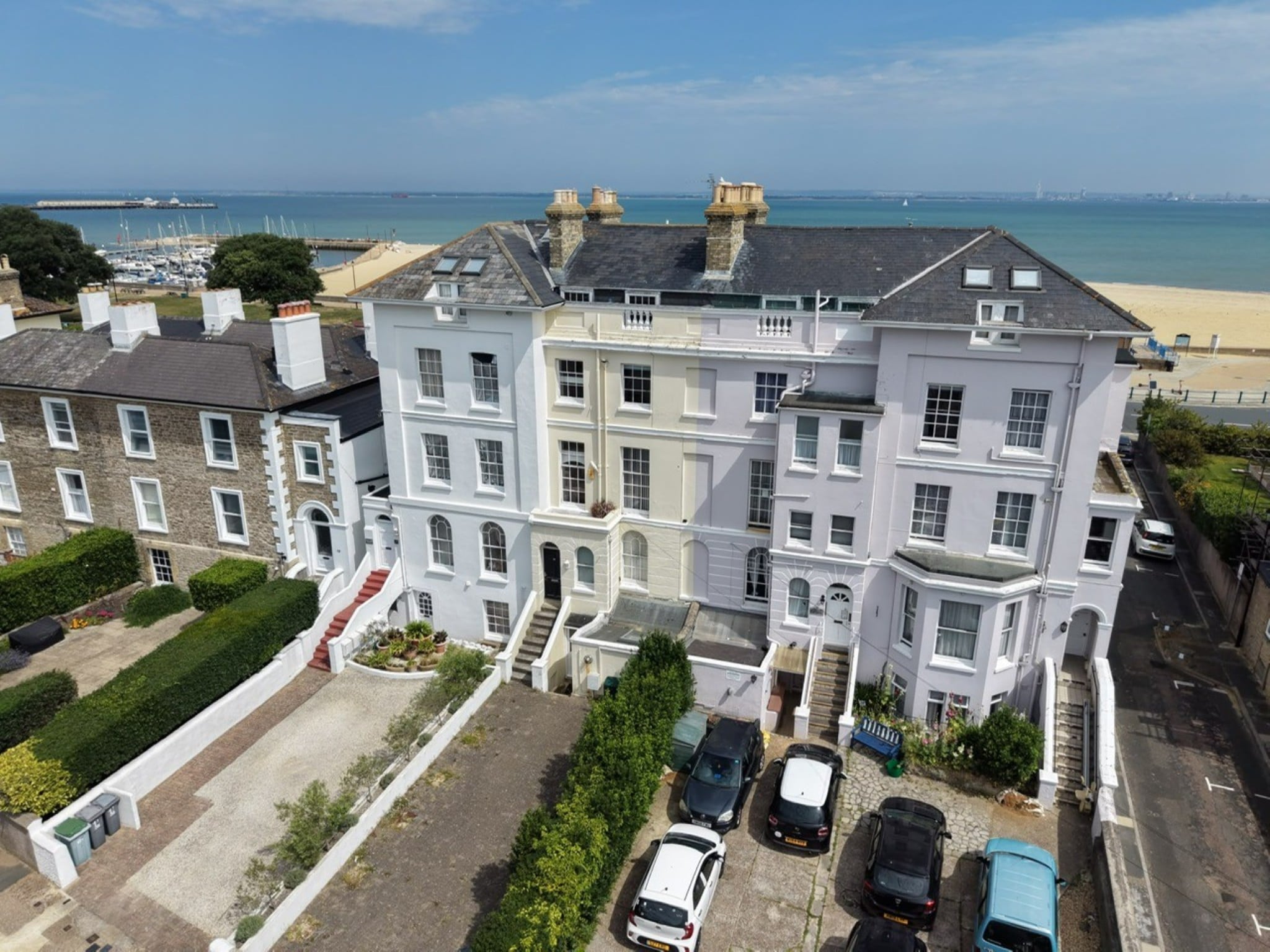
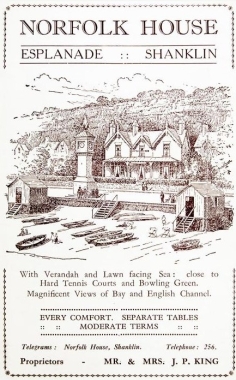 Waterfront Inn – which was once known as Norfolk House Hotel – has faced the sea in Shanklin since the early 19th century. It has one major claim to fame: it is here that Charles Darwin is said to have written Origin of the Species, a feat celebrated by the opening of a bistro in his honour. This is just a small selection of the many licensed houses that are (or were) located in the town of Shanklin. No doubt we shall describe the history of more in future editions of Isle of Wight Pubs. What is your favourite Shanklin watering hole (past or present)..?














Thank you
this was a really good read
Holliers was a great place to drink in the 80’s, as had small dance floor, and lively bar.
The Crab is good but feel it odd that the bar area is at the top level, so meaning everyone coming into the pub has to walk through the dining area. Shame the bar couldn’t have its own entrance from road.
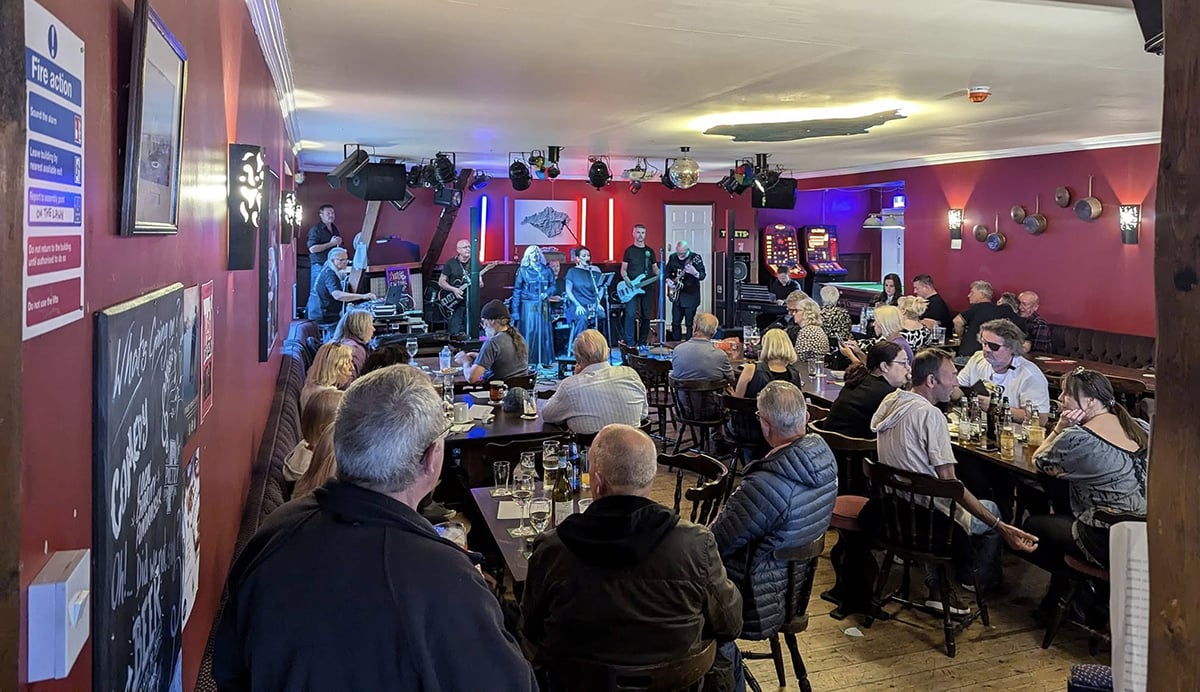
Village inn when have live music is great but very expensive.
Interesting article as always, thank you
Where’s The Falcon? by far the most frequented Public House in the town, proper establishment too!
Reformers Pub
can’t beat a bit of lefty prejudice on a Monday morning!
Great story. I use to love going to the
Fishermen’s Cottage until they started charging a
Service charge.
nothing worse than a cottage charge!
Yes, and note this doesn’t go to the staff and it’s 20 percent
That is why I no longer go to
The Fishermens cottage, even London eateries don’t charge
20%
“The cliff top customs patrol paths became scenic walks“ Thanks to the council they are now overgrown and disappearing never to return. Allowing bushes to become trees is stupid, the high winds then pull the trees away from the cliff face together with the railings, and sadly eventually the path. Extremely short sighted, need I say more.
Couldn’t agree more .
This once beautiful walk is now an eyesore with its overgrown trees.
Very sad to see .
Our Council tax goes up every year, yet the services
provided by the Council is getting worse.
It is criminal
The Western Daily Press has a report of a fire destroying the roof of the Chine Inn dated Tuesday 10 August 1869. The fire happened on the previous Wednesday (4th August 1869) at 9.45 pm. The fire is also mentioned in the London Evening Standard and many other newspapers of the time.
What happened to all the donations handed in to Pencil Cottage four or five years ago for the restoration of the Longfellow plaque outside the Crab Inn?
Charles Darwin came to the island in June 1858 to escape an epidemic of scarlet fever that killed the youngest of his ten children. He first stayed in the Ocean Hotel for ten days where he worked on the abstract that became On the Origin of Species..., before staying in the Norfolk House Hotel in Shanklin for two weeks. He had been working on parts of On the Origin of Species… since May 1856 and it was finished in November 1859. One of the most influential books ever written.
The King Harry has seen better days but it’s a very atmospheric pub with the best kept beer in Shanklin. A beautiful garden too. A shame the Chine Inn has remained closed since Bill’s death. I hope it remains a pub. It could be a great asset for the right owner & the drinkers would love to have it back