








































































Isle of Wight patients could benefit from ambitious NHS plans to cut sepsis deaths through earlier diagnosis, faster treatment and innovative wearable technology.
The NHS has unveiled a new 10-year strategy aimed at preventing one in four sepsis deaths by 2035 through earlier recognition of the life-threatening condition, faster treatment and the introduction of new technology.
Sepsis is the body’s extreme response to an infection and can cause significant damage to tissues and organs if not treated quickly. It is estimated to contribute to around 4,000 deaths every year in England, with more than 118,000 emergency admissions recorded during 2024/25.


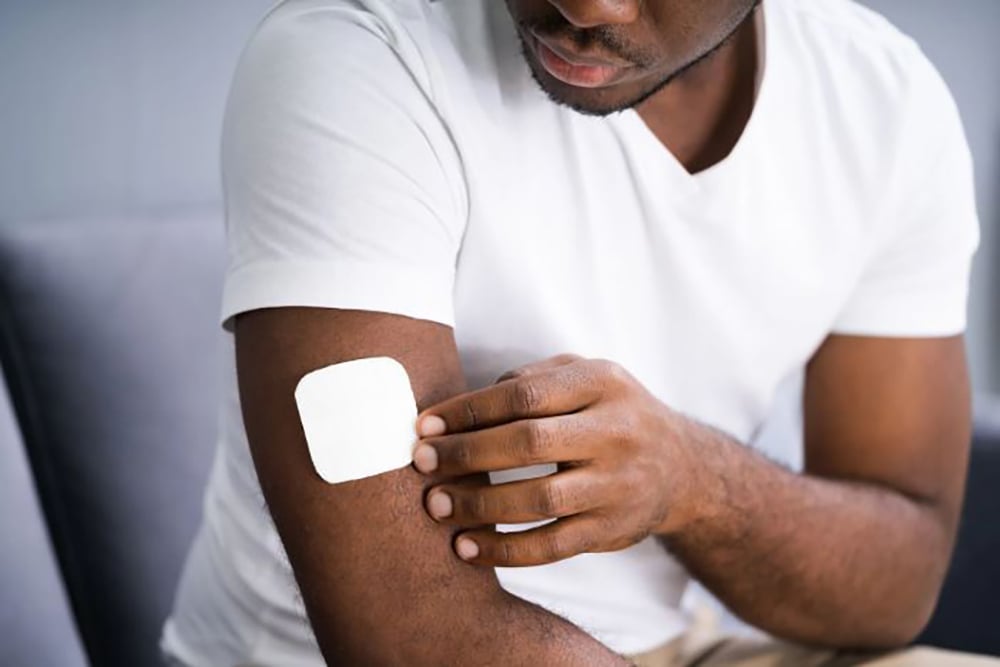
Under the new plans, the NHS will trial wearable devices capable of monitoring patients’ vital signs at home, including heart rate and blood pressure. If a person’s condition deteriorates, clinicians will be alerted so they can be tested for sepsis and, if necessary, receive urgent treatment.
The technology is expected to benefit people most at risk of developing sepsis, including cancer patients receiving immunosuppressive treatment, older people, those living with catheters and people with serious mental illness.
The announcement builds on work previously carried out on the Isle of Wight, where local NHS teams were among the first in the country to introduce pre-hospital sepsis treatment, enabling specially trained paramedics to identify suspected cases earlier and begin treatment before patients reached St Mary’s Hospital where appropriate.
Professor Ramani Moonesinghe, NHS England’s Deputy Medical Director, said:
“Every year, sepsis causes tens of thousands of deaths and leaves thousands more with long-term disabilities, so it’s vital the NHS has an ambitious plan to reduce this harm over the next decade.
Article continues below this advertisement “Key to tackling sepsis is catching it early – the longer sepsis goes undetected the less chance a person has to survive or make a full recovery.
“That’s why the NHS will be trialling new wearable devices that will allow people’s vital signs to be monitored at home, so that if they deteriorate, they can get tested and treated faster.”

The NHS says every hour that treatment for sepsis is delayed can increase the risk of death by up to 8%, making early recognition vital.
Alongside the introduction of wearable technology, the new framework includes improved training for healthcare staff, greater use of rapid diagnostic tests and enhanced support for patients recovering from sepsis.
Health officials are reminding residents to seek urgent medical help if they or someone they know develops symptoms including confusion or slurred speech, difficulty breathing, uncontrollable shivering, blue, pale or blotchy skin, or passing very little urine. Anyone with suspected sepsis should call 999 immediately.










can’t happen soon enough I speak as a mum who lost her 42 year old daughter thru undiagnosed sepsis of the lungs by Cowes Medical centre who just dishes out anti biotics and didn’t see her in two months leading to her death recently,it needs education,Gp’s to start doing their jobs and seeing patients face to face,and faster diagnosis.
Why is it suddenly such a common thing, eats happening its so unnerving
We are becoming more resistant to antibiotics and a rise in drug resistant pathogens whilst living longer with complex medical conditions. It used to be called septicaemia or blood poisoning. And of course, medics are more aware of it now.
So many things lately are a common thing.
ADHD and people dying young, so sad.
Speaking as someone recovering from sepsis in last few weeks can’t come soon enough as GP sent an ambulance whose crew decided I was safe left home alone at nearly 80. After a fall 4 hours later was rushed in with confirmed sepsis.