




















































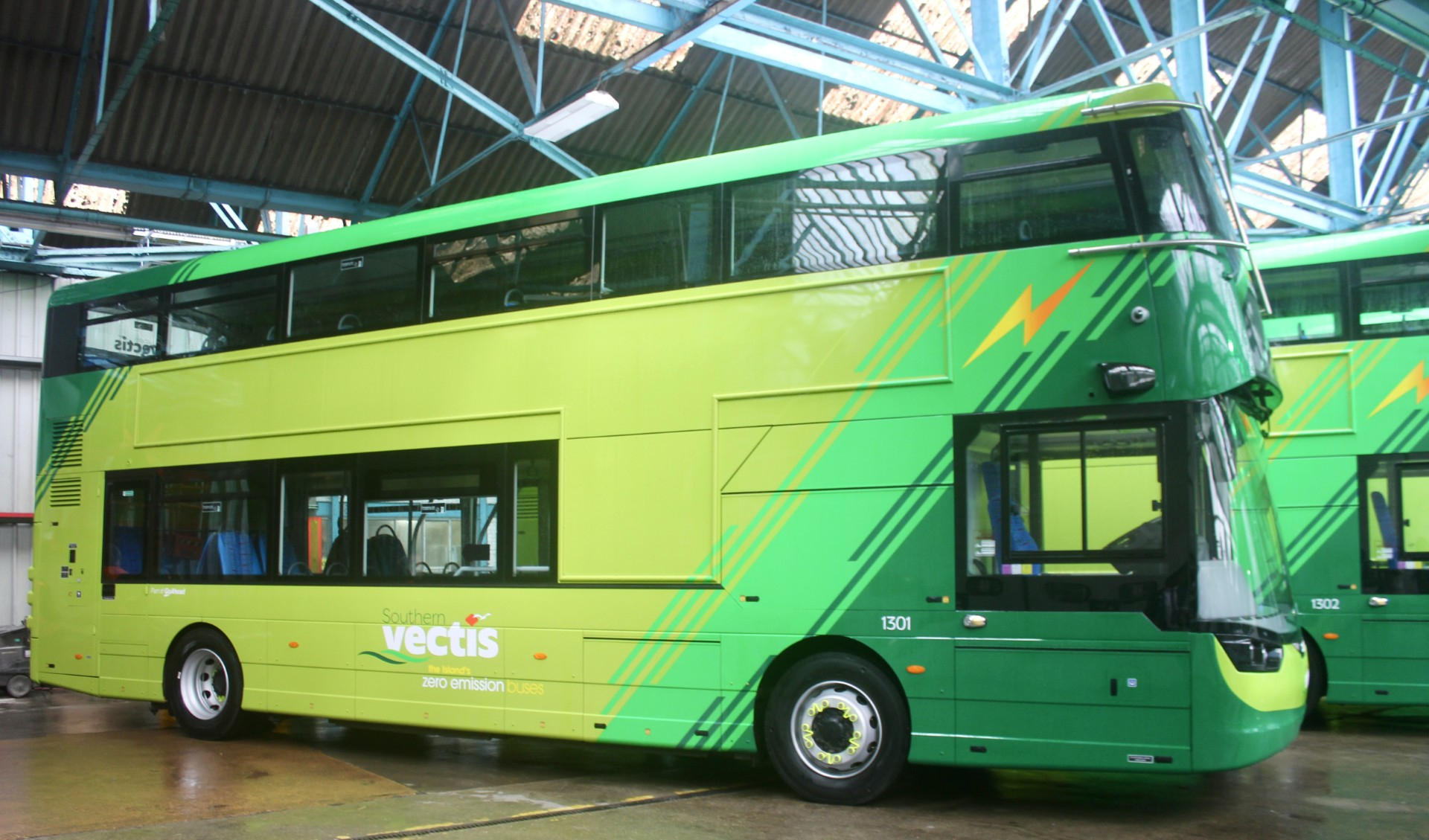

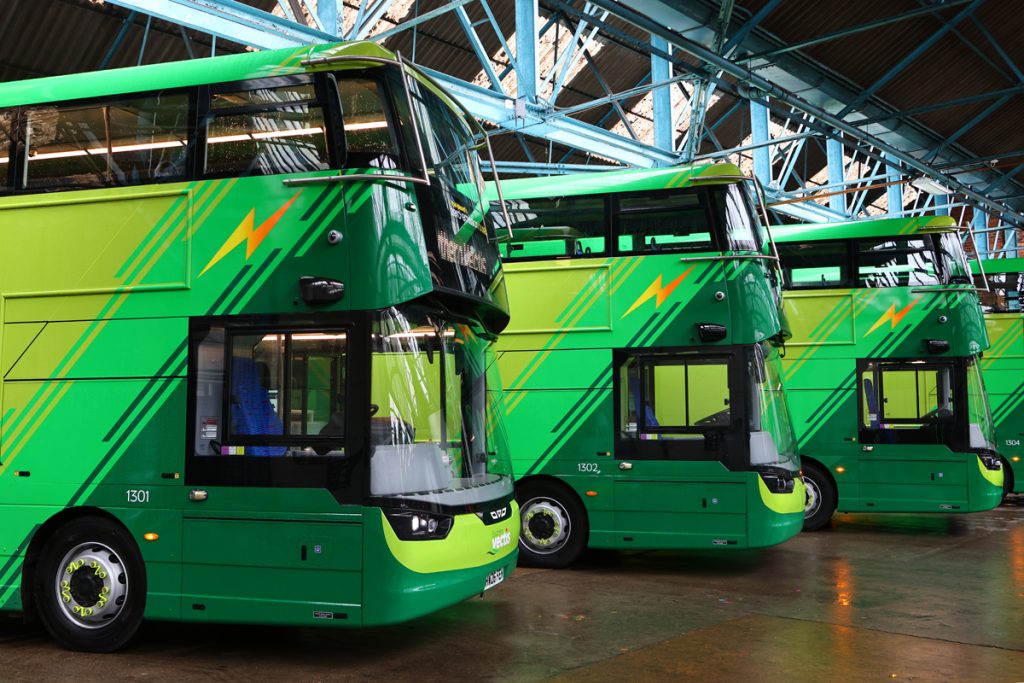
A £11.7million investment from Southern Vectis and the Department for Transport will see a further 23 electric double-decker buses introduced to the Isle of Wight, taking the total number of zero-emission vehicles in the Southern Vectis fleet to 54.
Southern Vectis, working in partnership with Isle of Wight Council, has secured £3.6million towards its new fleet through the Department for Transport’s Zero Emission Bus Regional Area (ZEBRA) scheme.
The latest investment will be matched by Southern Vectis, bringing an additional £8.1million towards the expansion of the fleet.


This news follows an earlier successful bid which delivered 31 electric buses to the Island, alongside the installation of charging infrastructure at the Southern Vectis depot – a project that has now been completed.
Managing Director of Southern Vectis, Ed Wills, has said:
“This is a significant moment for transport on the Isle of Wight, turning almost our entire main network buses into a zero-emissions fleet.
“The new investment will further drive our mission to put this ‘electric island’ right at the forefront of sustainable transport.
Article continues below this advertisement “The additional joint investment is testament to the excellent relationship we have with Isle of Wight Council, and we will continue to work together to ensure the Isle of Wight bus network remains the envy of other areas of the United Kingdom.”
Once delivered, the 23 new electric buses will serve routes 2, 3 and 38. The order will also include 3 open-top electric double-deckers, which will operate the popular Needles Breezer service.
The funding forms part of a wider £14.6million Government investment across the region aimed at rolling out more zero-emission buses. Nationally, £73.2million has been allocated to support the introduction of cleaner vehicles and the transition towards net zero.
Across the region, the funding supports four projects through expansions of existing ZEBRA schemes, including £7.53million for 90 new buses in Devon, £3million for 17 in Reading and £500,000 for 4 in Surrey.
Richard Quigley, MP for Isle of Wight West, has welcomed the funding, which is expected to see the new vehicles introduced by 2027.
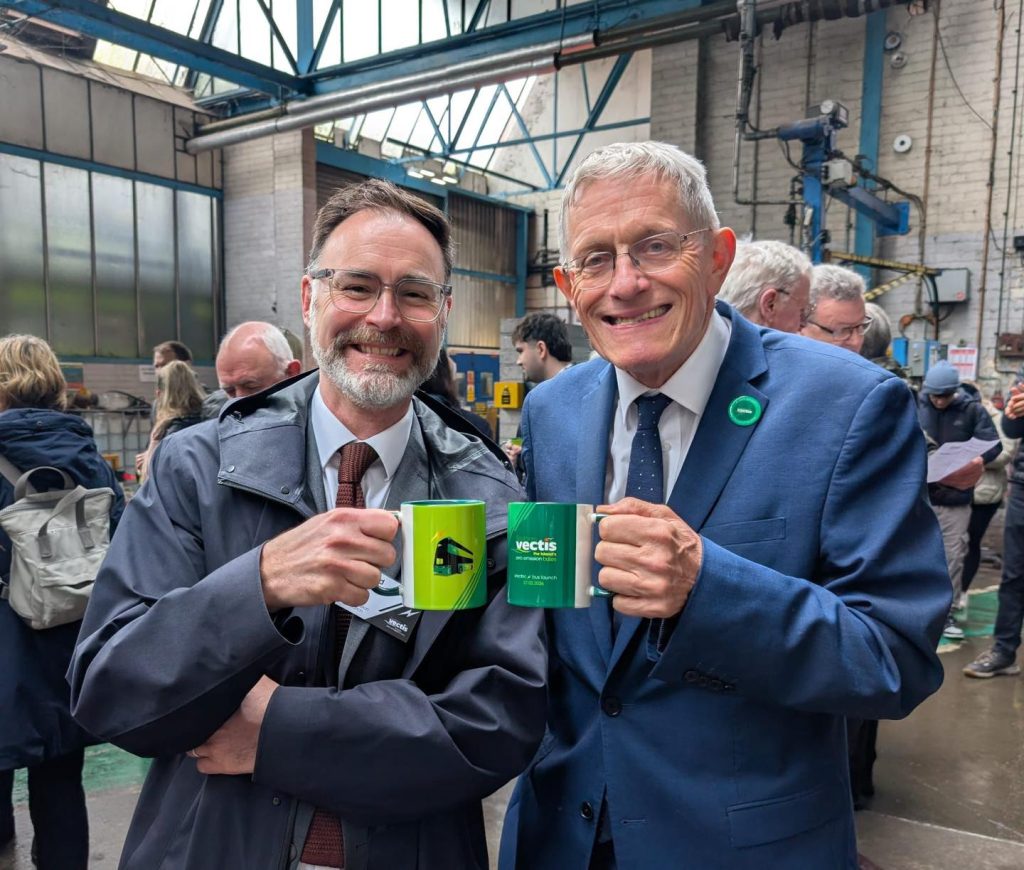
Richard Quigley, MP for Isle of Wight West, has said:
“Following the recent investment in Southern Vectis, I’m genuinely delighted that the Island is receiving yet more support for its bus network. It shows that the Government has listened carefully to the concerns we’ve raised about connectivity, reliability and air quality, and is prepared to act on them.
“These new zero-emission buses will not only help reduce pollution and improve air quality, but will also make everyday journeys smoother and more dependable for residents, students, workers and visitors alike. This is another important step in ensuring the Island has the modern, sustainable transport system it needs for the future.”
Stewart Chandler, Transport Strategy Manager at Isle of Wight Council, has said:
“I am delighted that the Department for Transport has shared our vision to bring more electric buses to the Isle of Wight.
“Once drivers are trained on the new zero-emission buses, Island residents will enjoy quieter, cleaner and more reliable journeys when travelling to work or to visit our high streets.
“This is a big step forward as part of the recently approved Island Transport Plan, that has set out a vision to address the urgent challenges public transport faces over the next 15 years, tackling congestion, climate change, accessibility and more, while planning for tomorrow’s opportunities in technology, tourism and sustainable growth.”







































How long till Southern Vectis raise the ticket prices again to ‘pay for the new buses’ we’ve already paid for?
In fact if taxpayer money paid for these new buses operated by a private company, taxpayers shouldn’t have to pay to get on them.
All very well, but the majority of private vehicles on the
Island are DIRTY Diesel and DIRTY Petrol vehicles polluting
the Island.
Absolute bollocks what decade you in? 1970s? we have the cleanest vehicles going all to mot emissions government standards..you mates with sadistic Kahn of ol london town.
Khan is doing a great job for the environment and
for road safety.
20mph is plenty saves lives.
He is now having radar based speed cameras installed
to catch numpties who break the law.
The island can do so much more to make the island a
safer place for everyone.
This is a welcome development. Can the electric buses be serviced and maintained on the Island? – I know this can be a problem with EVs and some have to go to the mainland for attention when required.
Let’s hope they have a back up plan when we have power cuts !!
15 minute cities is the back up plan, won’t need to travel.
Yes diesel generators….
Has anyone stopped to think the amount of amperage just one of these busses sets of batteries being charged would draw from the National grid? You can’t plug them into a 13amp socket, they draw hundreds of amps. This sort of load would cause constant blackouts. Apart from the extra weight because of all the batteries plus passengers,they must weigh nearly double that of an ordinary bus, thereby carving up the roads to an even worse state than they are already
i doubt that twice the weight is correct. With the engine taken out, not carrying a tank full of heavy fuel, and the lighter battery technology, it might be somewhere the same as fossil fuel powered buses. Anyone got some facts and figures?
Don’t let them travel on subsiding coastal routes.
Why is the government spending our taxes on subsidising private companies to buy new buses? Where is the return for the taxpayers? Will they buy even more for Go Ahead Group, when one spontaneously combusts inside Newport Depot and takes the rest of the fleet with it?
The plan is to get private vehicles off the road.
WE have paid for all of it through taxation great…soon higher fares to pay for it all..
Same can be said for toilets, we pay council tax etc
and we are then expected to pay to use them.