

















































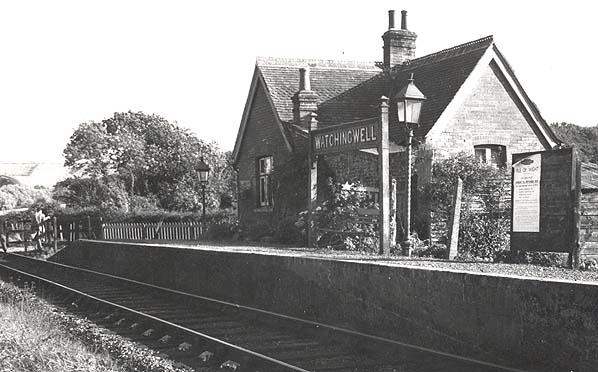

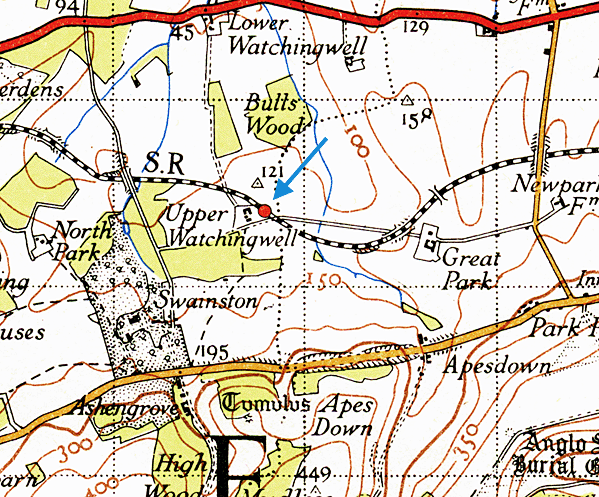
Hidden in the countryside near Calbourne lies Watchingwell Halt, a disused station once described as ‘fairy-like in its beauty’, and unique in its origins.
Opened on 19th June 1897, Watchingwell Halt was never meant for the travelling public. It was built at the insistence of Sir John Barrington Simeon, Member of Parliament and owner of the Swainston estate. He agreed to let the Freshwater, Yarmouth & Newport Railway cross his land only if a station was provided for his own household, tenants and guests.
For its first 26 years, Watchingwell was a private stop. It did not appear in public timetables and trains only stopped on request. This exclusivity gave the halt an almost secretive charm, known only to locals, visitors to the estate and railwaymen.


The station itself was modest. It had a single platform and a small building that, unusually, contained living accommodation. The post of station mistress was held by a woman, while her husband worked as a platelayer on the line. Semaphore signals were operated to bring trains to a halt, and in Summer, the platform would occasionally welcome visitors arriving to enjoy the quiet countryside.
Watchingwell was celebrated in the pages of Railway Magazine at the turn of the century, where it was praised as ‘a veritable summer paradise’. The same report described it as one of the tiniest and prettiest private stations in the country. For passengers who alighted there, stepping off the train meant stepping directly into rural tranquillity.
In 1923, the Southern Railway took over and Watchingwell finally became a public halt. It was added to timetables, but it was never a busy stop. The surrounding area was sparsely populated, and road transport was starting to grow in popularity.
A handful of villagers and ramblers used the halt, and milk churns from local farms were sometimes collected, but otherwise it remained a quiet and rarely used station.

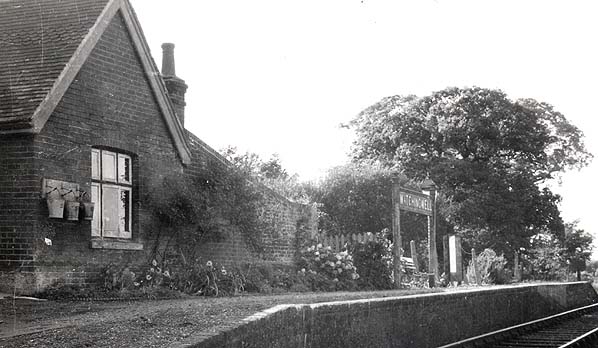
The stationmistress was a Mrs A Prouten. She was paid 7s 6d a week (37p), around £20 in today’s values. A shopping trip to Newport would cost her 3d (one-and-a-half new pence).
Her son Maurice described his family’s duties:
“Watchingwell was known as a halt and trains only stopped there if requested. You had to tell the driver or the guard if you wanted to stop there. My mother had to work a hand signal if anyone wanted to get on the train.
“One of my brothers had to climb up the signal once a week to bring the lamps down. They were then sent to Newport Office to be cleaned and refilled with long burning oil before being returned. The two lamps on the platform were cleaned and refilled every day by my mother.
“The platform edge was kept whitewashed, again mostly by my mother to make it look clean and smart.”
By 1948, it was destaffed, meaning no permanent railway employees were based there. Trains would only stop if signalled or if a passenger requested it in advance. Watchingwell had by then become little more than a flag stop, but still retained its charm for those who used it.
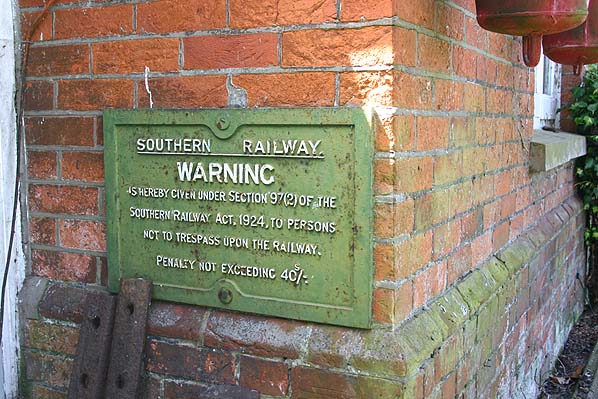
The Freshwater, Yarmouth & Newport line struggled financially for much of its life. Serving small villages, it faced strong competition from buses and lorries in the post-war years. Despite local affection, the line was considered uneconomical.
On 21st September 1953, the last trains ran and Watchingwell Halt closed forever. The final services were worked by the locomotive Alverstone, marking the end of over half a century of service.
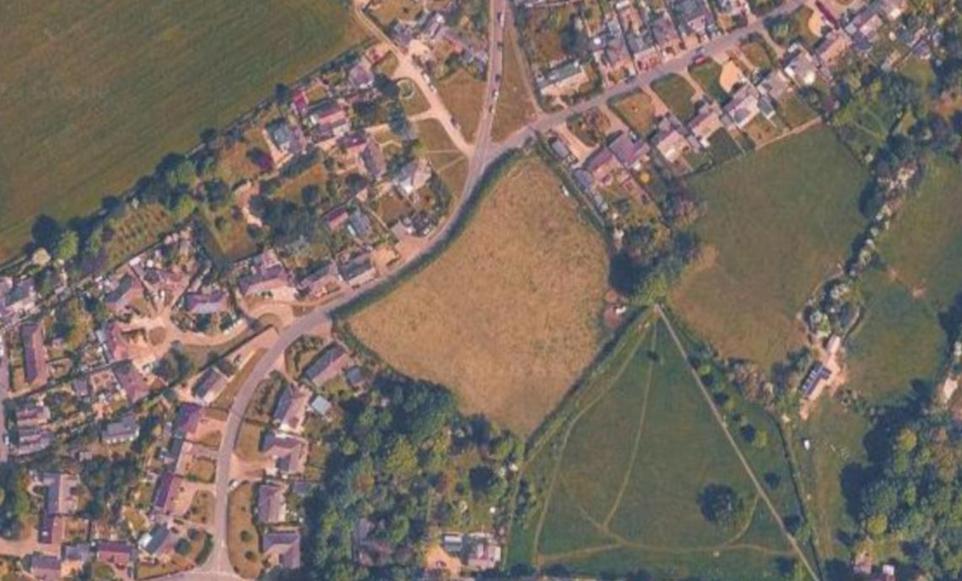
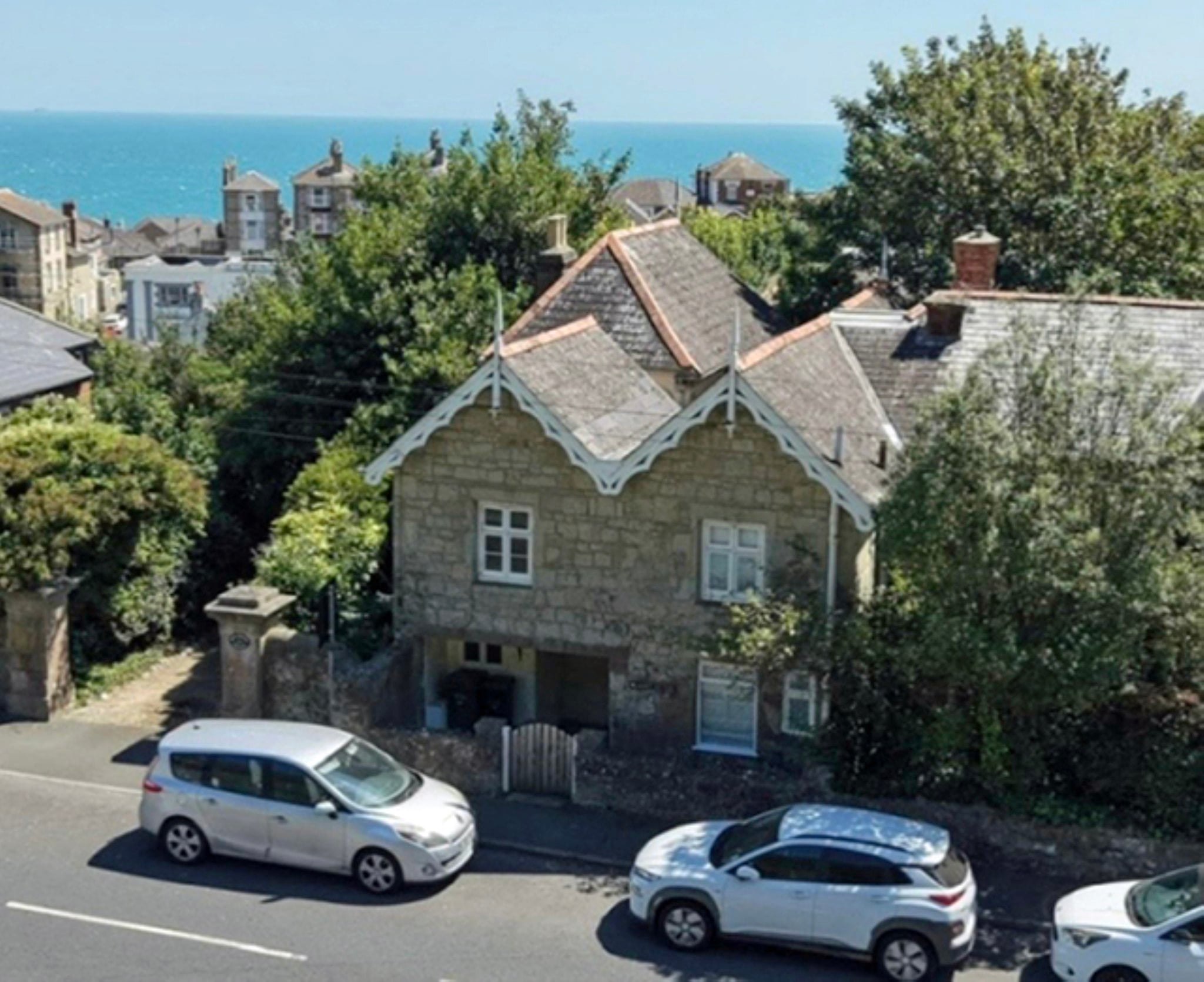
Today, the station building survives as a private home, one of the few along the route not to have been demolished. The edge of the platform can still be identified, with one ramp intact, and the course of the trackbed remains visible as a farm lane.
Walkers who pass nearby often remark on the atmosphere of the place, imagining the days when semaphore signals brought small steam engines to a gentle halt in the woods.
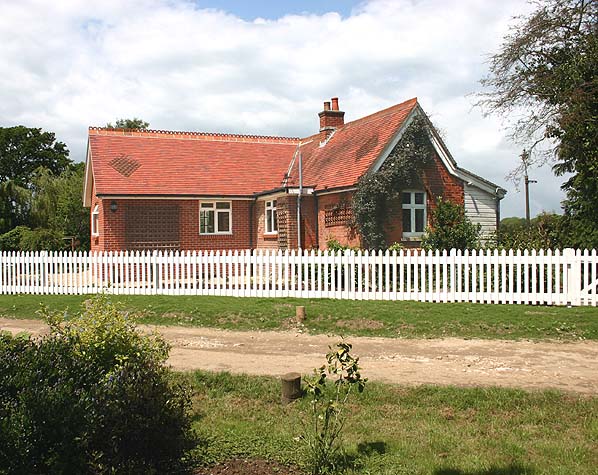
Watchingwell Halt is remembered not because it was busy or important, but because it was unique. Built for a landowner rather than a community, it demonstrates how private influence shaped parts of the Island’s railway network. At the same time, it embodies the charm of rural stations that served their countryside quietly, far from the main towns.
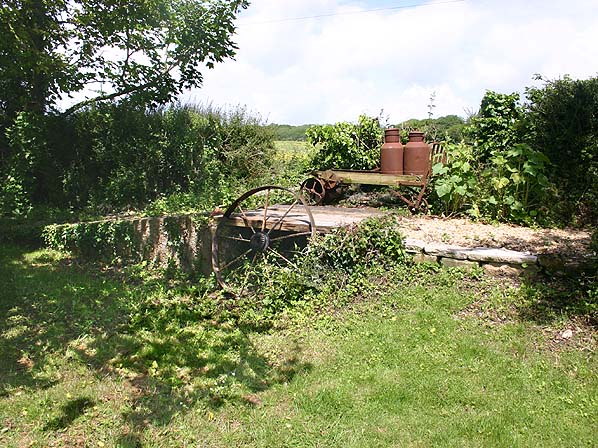
Though no trains have stopped there in 70 years, Watchingwell remains part of the Island’s heritage. Its story reflects both the ambition of the railway age and the realities that led to decline. Today, as a peaceful private residence, it continues to stand as a link to a very different time in Isle of Wight transport history.










Lovely article. Thank you Island Echo.
Great article, keep them coming.
Much better than reading about Numpty motorist
breaking the rules.
you don’t have to read the articles about motorists,..
no one forces you to.
but I’m sure you actually do love reading about them…or you’d have no excuse for your repetative, obsessive comments…
Yes. I agree and I had not heard of this place. An excellent series and especially for someone now distant in Oz! Keep the articles coming please!