





















































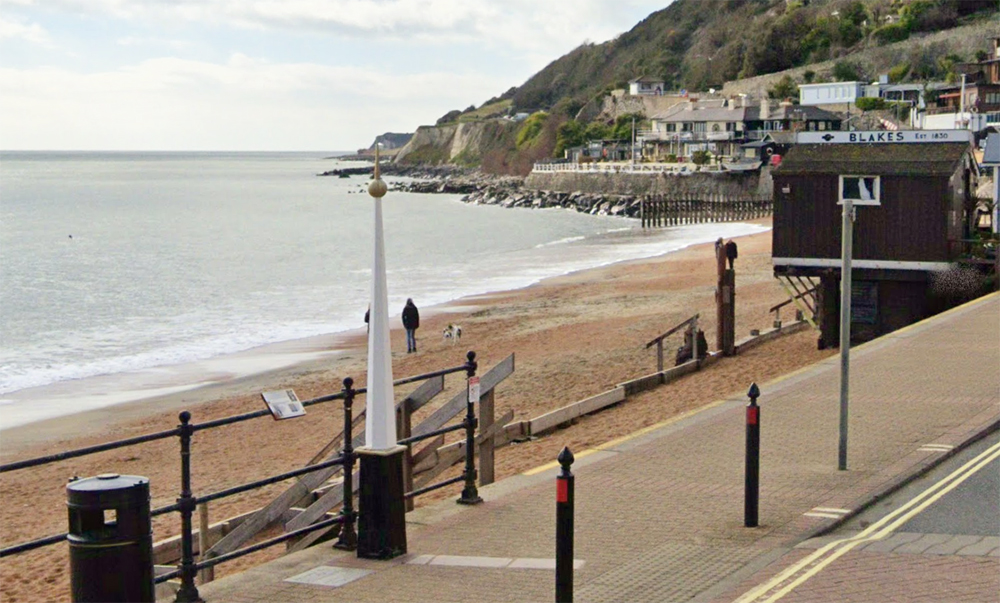

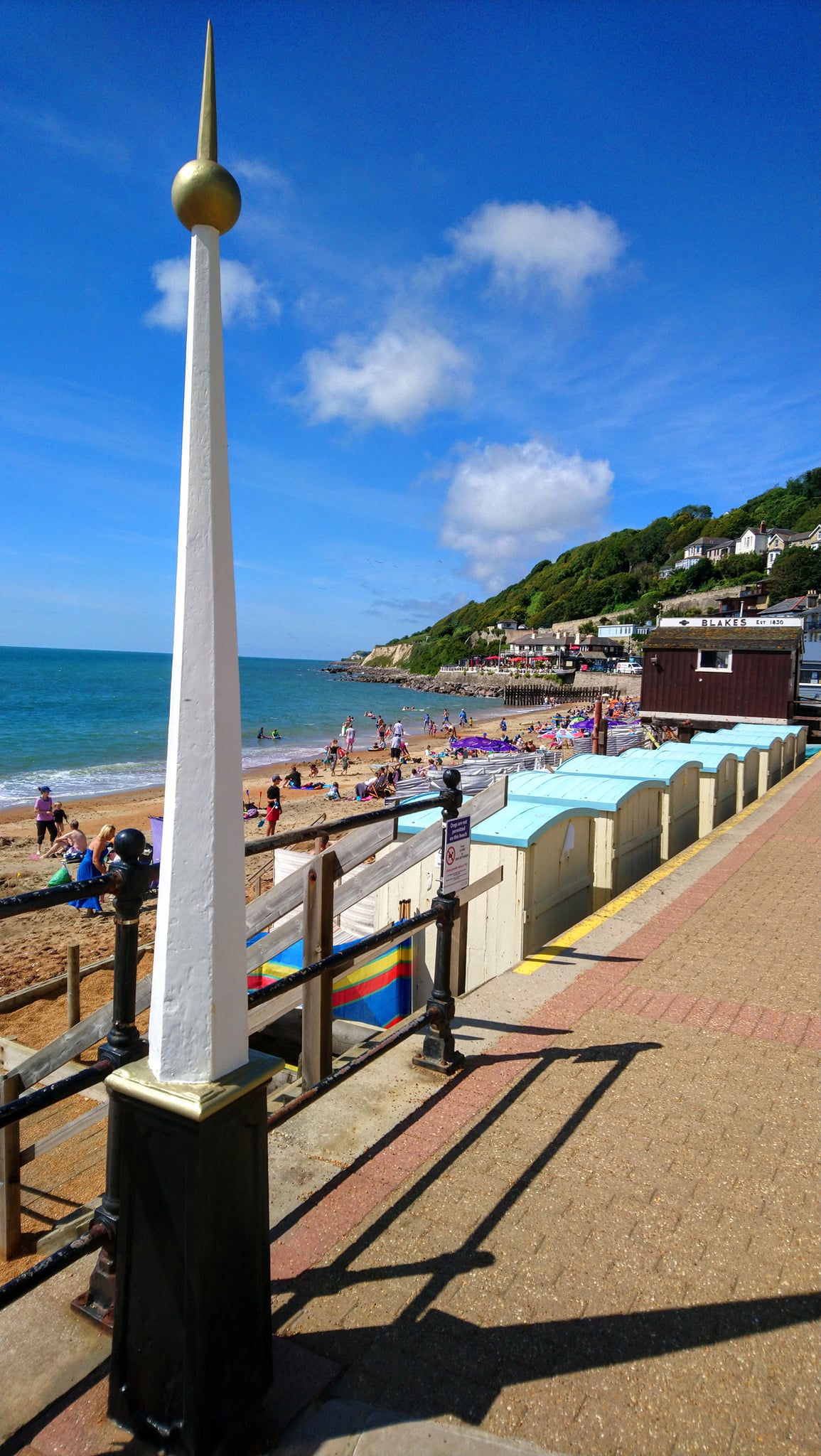
A vertical sundial that has stood on Ventnor Esplanade for 171 years – known as the gnomon – remains mysterious to many, with its connection to the Australian city of Brisbane somewhat unknown.
A gnomon (from Ancient Greek γνώμων ‘one that knows or examines’) is the part of a sundial that casts a shadow.
The 6ft sundial at Ventnor, which sits opposite the former Gaiety Amusements, casts a shadow on the line on the pavement at midday Greenwich Mean Time (GMT) – or 13:00 British Summer Time (BST) – and has stood by the shore on the Esplanade since 1851.


The Gnomon on the Esplanade at Ventnor was presented to the town by Sir Thomas Brisbane. Sir Thomas was a distinguished soldier, astronomer and governor of New South Wales, Australia, where he gave his name to the city of Brisbane in Queensland.
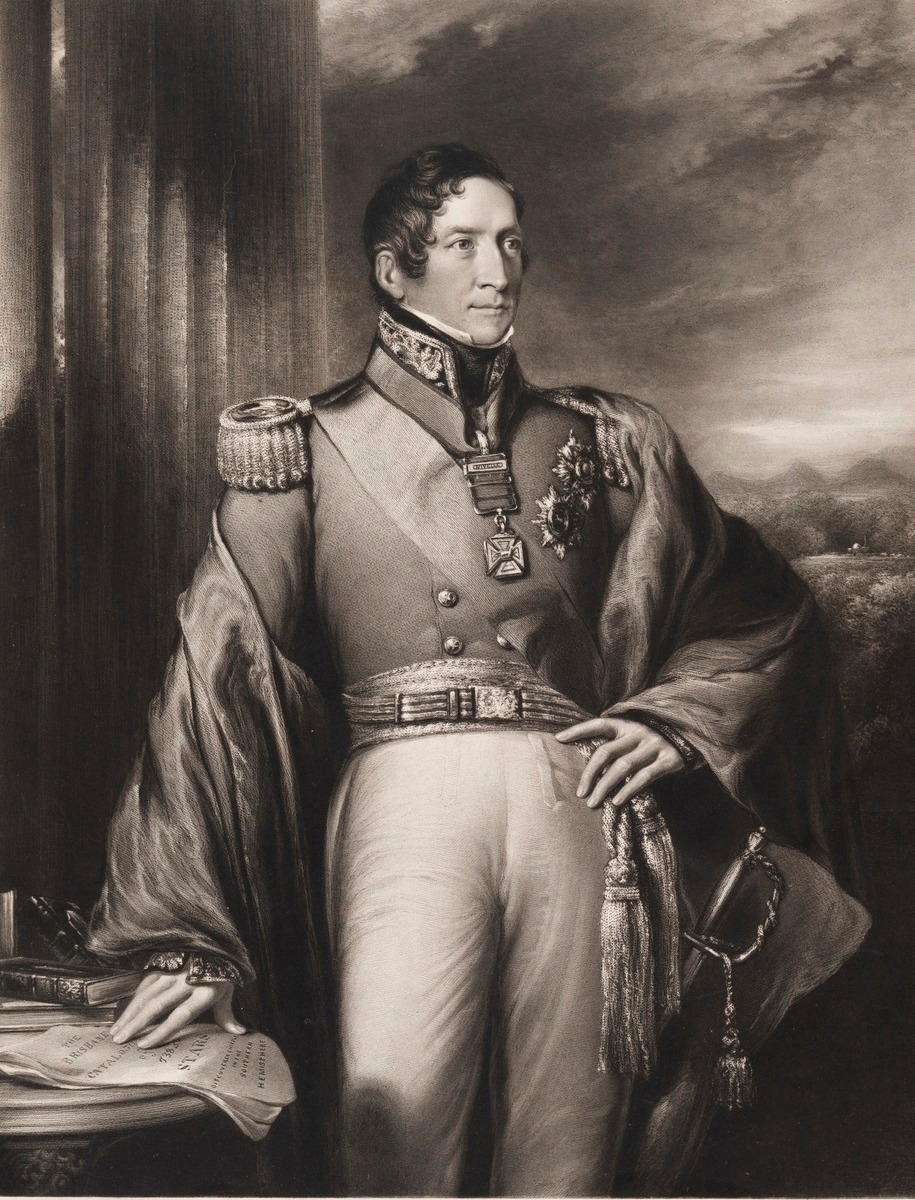 Sir Thomas first developed his interest in astronomy in 1795 when he was nearly shipwrecked. At that time, knowledge of the stars was vital for navigation at sea. In his distinguished military career, General Wellington – who commanded the British forces against the French at the Battle of Waterloo – claimed that he kept the time of the British army.
Sir Thomas’ fondness for astronomy gave rise to his interest in using the sun for timekeeping. The memorial stone set into the pavement gives the position of the gnomon as latitude 50 35.8 N, longitude 1 12.6 W.
A Meridian Stone was set in the wall of Villa Amanti, but it has now been removed and relocated to the Ventnor Local History Museum.
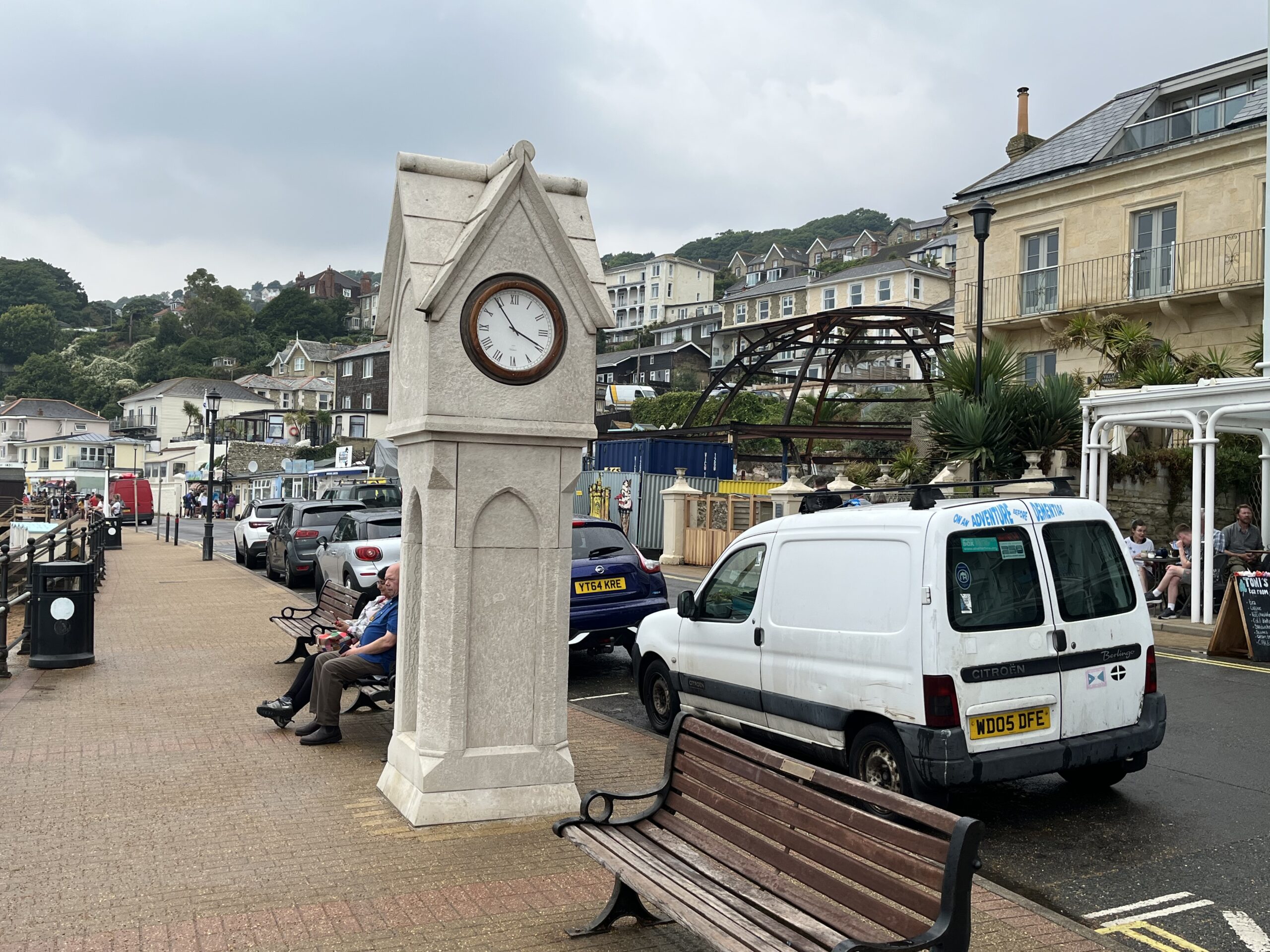
In 1870 – 19 years after the gnomon was erected – a clock was positioned nearby so that the time would be known even in overcast conditions.

Sir Thomas Brisbane was born at Largs in Scotland in 1773 and passed away in his native Scotland in 1860. However, he spent some time in Ventnor in the middle of the 19th century.
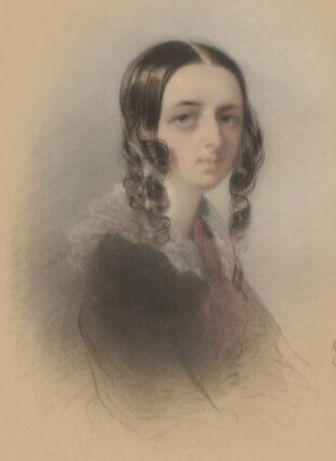
Sadly, Sir Thomas Brisbane’s daughter Eleanor Australia MakDougall Brisbane died in Ventnor in 1852 at the young age of 29. The seaside resort was renowned for its healthy climate in Victorian times, and patients with diseases such as tuberculosis and consumption were often sent there in the hope of their recovering from illness.
It is believed that Sir Thomas’ stay in Ventnor was in the hope of finding a cure for his daughter and that the erection of the gnomon on Ventnor Esplanade was a gift to the town in recognition of the care she had received during her illness.
The world’s oldest gnomon is a painted stick dating from 2300BC that was excavated at the astronomical site of Taosi in China. The gnomon was widely used in ancient China to determine the changes in seasons, orientation, and geographical latitude. The ancient Greek philosopher Anaximander (610–546 BC) brought this instrument to Europe.












Very interesting and informative.
Please can we have more articles like this.
Thank you.
I totally agree with you.
Thank you for publishing this it was a fascinating story , they do say you learn something new everyday !
How lovely to have a local interest article of which many of us had had no prior knowledge of.
Truly interesting, and breath of fresh air compared to drugs, drunks, car accidents and low life scammers, violent assaults and care in the community felon’s we read about hourly now
Really enjoyed this article, can we do more of this please just to “lift” the atmosphere of life at present, not only are newspapers, along with TV and national news depressing, something to shift our mind thoughts is much welcomed.
What a wonderful article. Let us have a history page , of the Isle of Wight.
I’ve been to Ventnor, and have never noticed them. That and the statue of Jimmi Hendrix are on my list of must-sees. Thank you.
Interesting story, worth a read
That was SO good, particularly as all the normal horrid comments and nastiness was totally abscent… this is for the more intelligent people! Thanks.