






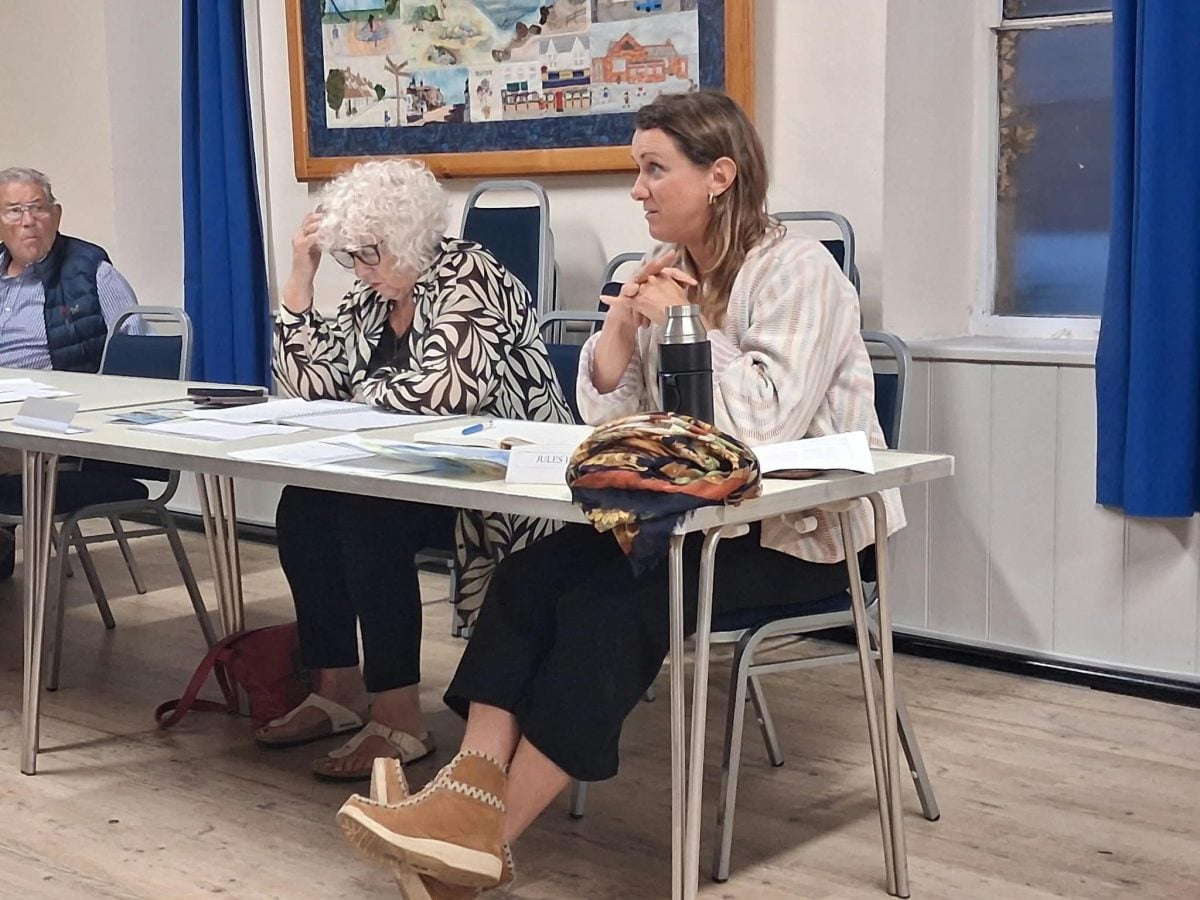










































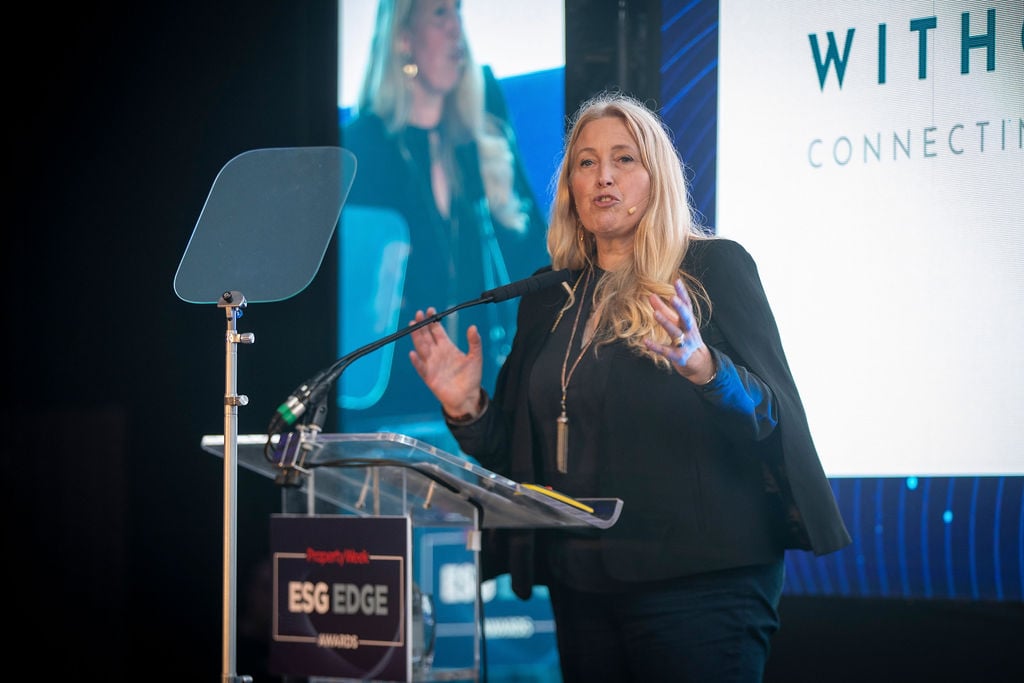




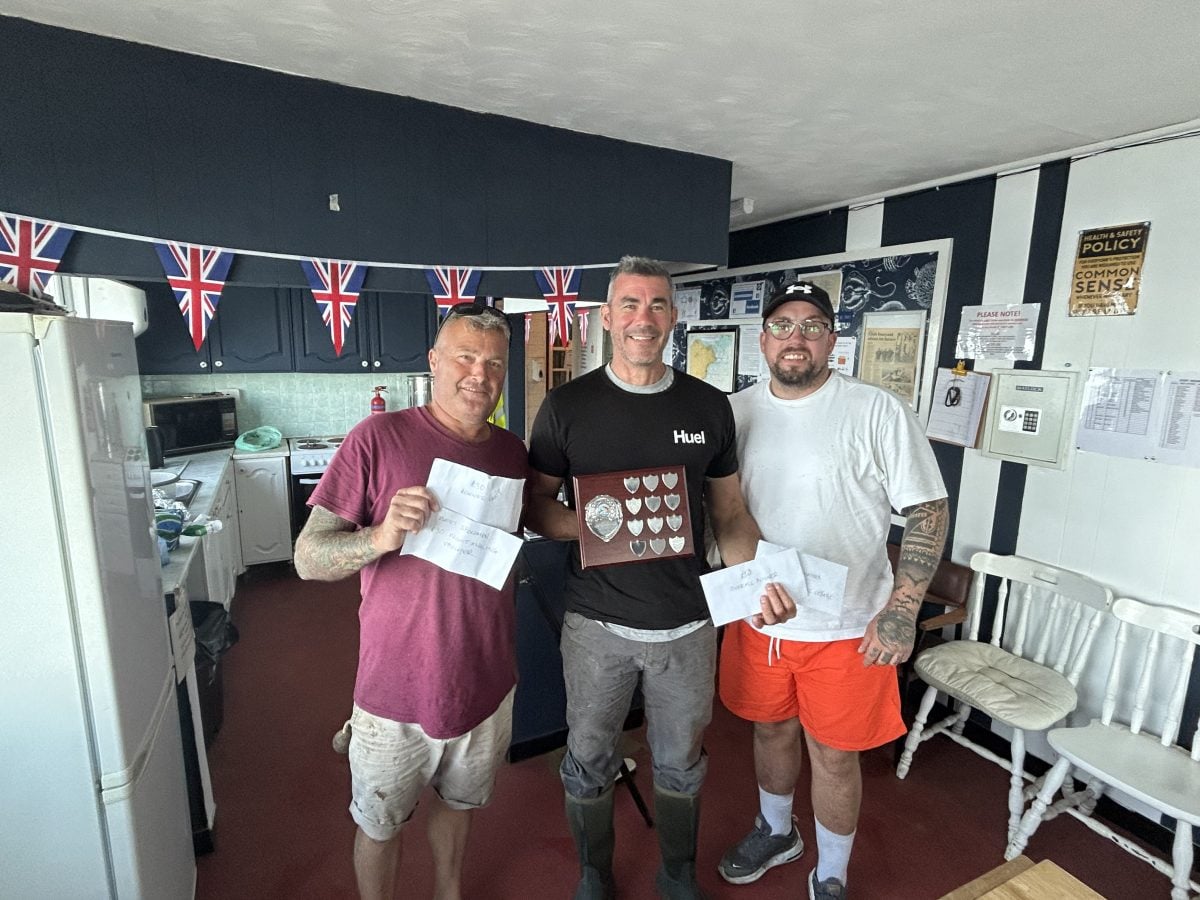







The future of green shipping was top of the agenda at a roundtable event convened by Maritime UK Solent recently. Maritime UK Solent invited industry leaders in its network to join regulators to talk about the transition from carbon-based fuels to greener options to achieve Net Zero carbon emissions by 2050. Challenges and approaches to a green transition were debated, including skills, infrastructure investment, technical challenges and how the Government could assist industry. The event was hosted by Wightlink who are leading the way on future fuels following the introduction of the hybrid cross-Solent ferry, Victoria of Wight. Wightlink provided ferry transport from Portsmouth to the meeting at the Royal Victoria Yacht Club in Fishbourne. Anne-Marie Mountifield, Chair of Maritime UK Solent, said:
“The transition to greener shipping is a key priority for the Solent’s maritime cluster and this was a fantastic opportunity to consider and compare transition plans for the maritime fuel switch, and the actions required by all involved to make it a success. The event was a concrete step towards collaboratively ensuring the Solent and the UK are well-positioned to retain our strategic position on the global maritime stage.”
Keith Greenfield, Wightlink’s Chief Executive, said:


“We are all facing the common challenge of decarbonisation, but we have got a lot of skills and expertise in the Solent maritime sector. I’m optimistic that, between us, we can find solutions both for the near-future and the long-term.”
Following the event, Assistant Director for Regulatory Innovation at the Maritime and Coastguard Agency Keith Johnstone said:
“Decarbonisation is a massive game-changer for maritime. Different shipping companies and routes will require different types of fuels so industry, academia and government need to keep talking about these issues.”
Maritime UK Solent will continue work with the DfT and the Solent maritime cluster to support the sector’s transitions to a cleaner, lower carbon future.









The simplest, quickest and cheapest carbon-reducing measure WL (and RF) could take would be to modify ship engines to accept hydrogen additive. Increases fuel efficiency (ie burn less fuel oil), improves performance, reduces maintenance (music to RF’s ears?) and the hydrogen could be produced for almost nothing here on the Island using the surplus solar power that our weak grid cannot handle.
Win, Win, Win. So why aren’t they doing it?
Because the technology has not yet been developed to use hydrogen as an additive in ship engines and hydrogen has a very bad safety record. Safely storing hydrogen is very difficult.
Hydrogen is being peddled by the oil companies because it would be them creating the hydrogen, from oil. Which is where the majority of it comes from. Generating Hydrogen and then burning it is the most inefficient way to create energy. It’s their way to derail carbon-reducing measures. There are some really big advances in battery tech coming online. One, which is now shipping in some new cars, can not catch fire. You can cut it, drill it do what you like. Will not catch fire. And has a wider operating temperature than, -50C to 70C.