





























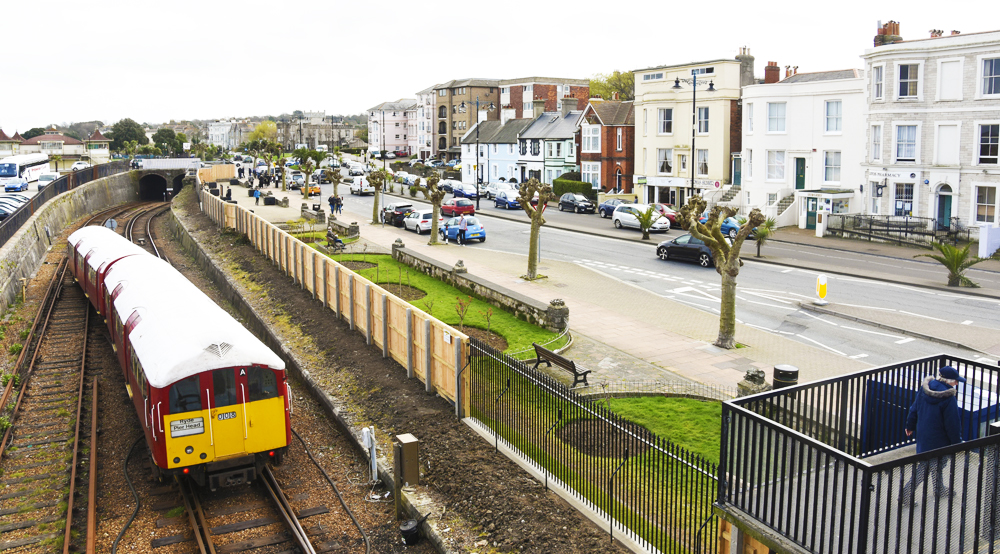

 A new report into the future of Ryde slams ferry and rail companies and describes proposals for the residential redevelopment of Ryde Esplanade as ‘cultural vandalism’.
The study, commissioned by the Isle of Wight Council, is yet to be officially published but has this week been welcomed by local pressure group The Ryde Society.
Arc Consultancy, who carried out the study on behalf of the Council, found that local people regarded the Esplanade as a public space and that its future must demonstrate investment in this character and purpose.


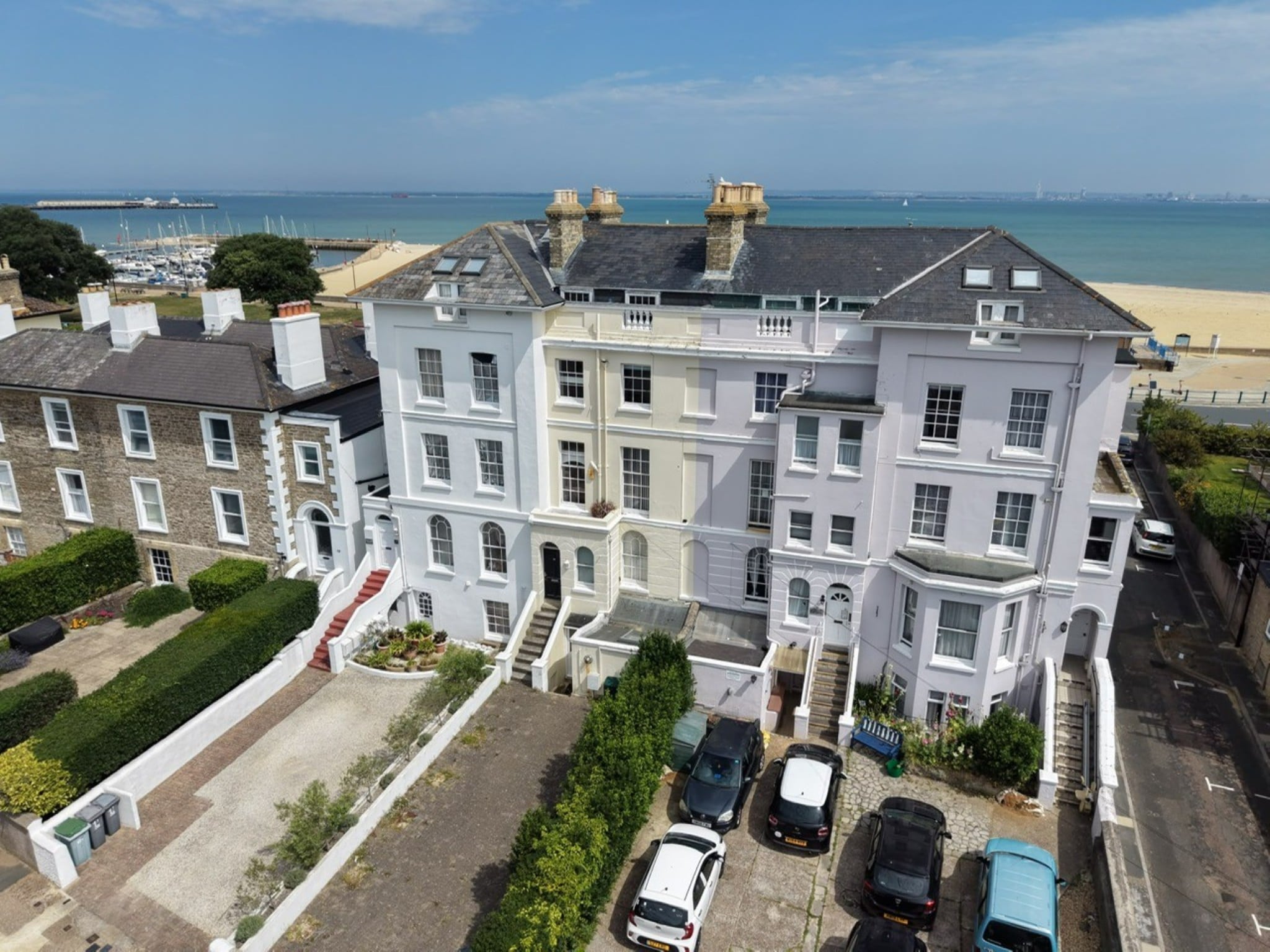
The Isle of Wight Council earlier this year suggested the development of housing in the Esplanade area, but the report by Arc states there is an almost unanimous reaction against any form of residential Esplanade development. The report states that this is partly on the grounds of ‘cultural vandalism’, and partly on the grounds that such a move would inevitably begin a process of privatising the seafront.
According to the feedback collated from local residents, there is a common feeling that Wightlink, Island Line and Southern Vectis – and to a lesser extent Hovertravel – are “failing, collectively and individually, to play their part in the positive presentation of the town to the world”. The report calls for an infrastructure working group that puts Wightlink, Island Line, Southern Vectis, Hovertravel and Island Roads at the same table as local councillors, agreeing a timetable of shared improvements to the civic spaces in and around the transport interchange.
Jonathan Dent from the Ryde Society has said that the survey appears to express many of the views of people who belong to the organisation:
“When visitors arrive at Ryde Pier they often comment about signs of dereliction. Rather than building posh flats along the front let’s spend a little time and money improving the wonderful Victorian dwellings that we have in the town.”
Key findings of the survey include:
• There is felt to be an urgent need for a clear, coherent and positive vision from the Isle of Wight Council; one that can be shared, adopted, adapted and development by the tenant stakeholder community
• The ice rink and seafront car park are seen together as the most significant, most poorly served and most emblematic location on Ryde Esplanade
• The western wall and south-west corner of Ryde Harbour are identified as a priority location for mixed, small-scale,high-quality, commercial, leisure and maritime development
• The stalling of the redevelopment of Harcourt Sands is seen as unhelpful to the town, but also as an opportunity to make better choices for its future
• There is a compelling sense of loss around the closure of the ice rink: a loss of recreational choice, affordable social space and a safe, collective meeting place
• General civic life of Ryde is controlled by cliques who would rather not have young people present
• Older groups are increasingly using Puckpool as an escape from the town centre
• Concerns around loss of trade if Upper High Street is pedestrianised
• Desire to see plaza spaces more regularly and imaginatively used for street entertainment
• Better street signage is wanted to make navigation of the town easier and more interesting
• Network Ryde is seen as an essential service, a lifeline, and there is need for more space and more opportunity to develop services and support
The opinions, experiences, suggestions and concerns of local residents, workers, visitors and community representatives were collected over 5 sessions this year. And 1,100 written comments were received.
In total 6 recommendations have been made:
• Bring together, through the RBA, a stakeholder working group to represent the needs and concerns of the enterprises and organisations based on the Esplanade as tenants of IWC, reporting directly into the IWC and Ryde Town Council regeneration programmes
• Create an infrastructure working group that puts Wightlink, Island Line, Southern Vectis, Hovertravel and Island Roads at the same table as local councillors, agreeing a timetable of shared improvements to the civic spaces and around the transport interchange
• Use the existing planned highways works to the High Street to deliver visible change tot he public realm that supports the call for more and better seating, more and better information and interpretation, better connected squares and plazas, more locally distinctive design, ornament and public art
• Create a register of small-scale improvements, including temporary and ‘meanwhile’ interventions, to the quality and appeal of publci spaces prioritised in consultation responses as Western Gardens and its beaches; the seawall and its accessible open spaces around the ice rink and skatepark; the south-west corner of the Harbour; North Walk and Simeon Rec
• Plan for the extension and expansion of Network Ryde, both services and facilities, as a permanent and embedded part of the town’s life
• Make full use of S106 allocations for Ryde, past, present and future, allowing RTC to facilitate fast-paced local improvements to public space and public life with local funding