



































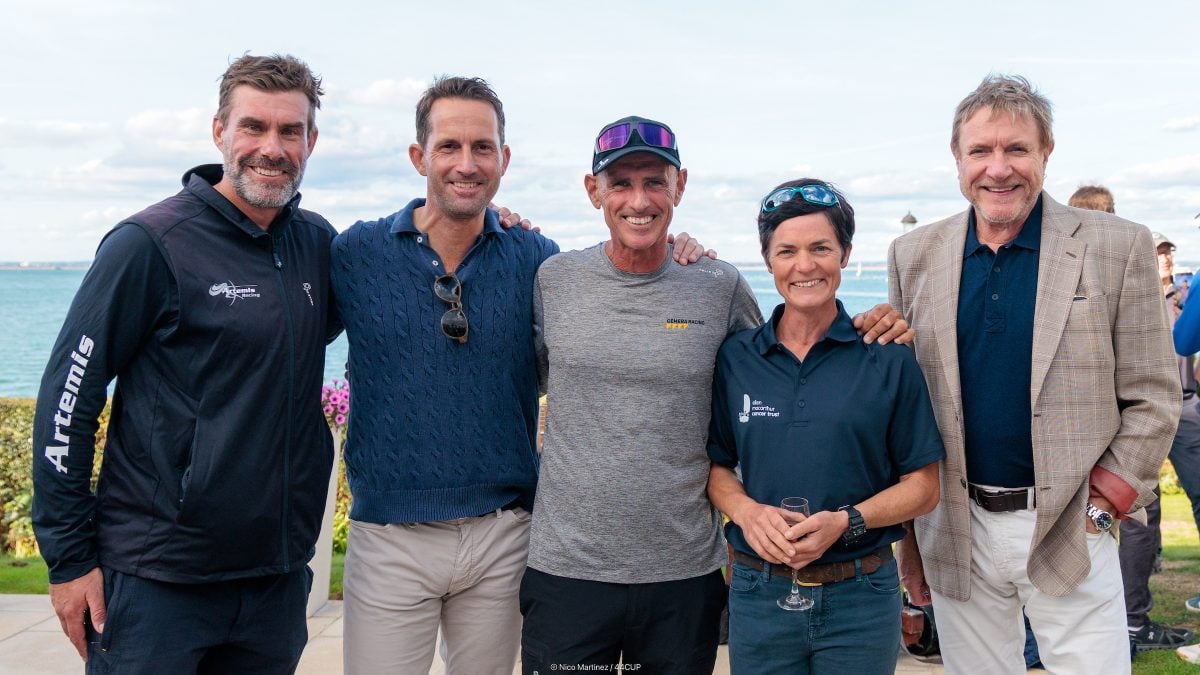








 The RNLI has been announced as the Official Charity for Round the Island Race 2024 The annual Round the Island Race, organised by the Island Sailing Club, is a 1-day yacht race around the Isle of Wight and will take place on 15th June this year. The race which began on a much smaller scale over 90 years ago now regularly attracts over 1,000 boats and around 6,000 crew members, making it one of the largest yacht races in the world and the 4th largest participation sporting event in the UK after the London Marathon and the Great North and South Runs. Safety of all the participants is integral to the smooth running of the race. RNLI lifeboats from Cowes, Calshot, Bembridge, Mudeford, Lymington, Portsmouth and Yarmouth have been involved in the running of the event for many years and are strategically positioned around the course. Dave Atkinson, Race Director said:
“The race team, RNLI and Coastguard have worked closely together since the first Round the Island Race in 1931 to operate a safe race for all the competitors. We are incredibly grateful for the safety cover and assistance that the RNLI station teams provide on race day and so are especially pleased to announce that all the donations raised will go to the seven stations involved in the race and specifically for the training of their volunteer crews.”
2024 marks the RNLI’s 200th anniversary and the charity will work closely with the Island Sailing Club. The vital funds raised will help the charity to continue to provide search and rescue services to all those on the water. RNLI volunteers are ordinary people, doing extraordinary things to help others, and volunteer crews operate the lifeboats that support the race. They are all highly skilled and motivated, and ready, and able to save lives not only on race day but 24 hours a day, 365 days a year. With the support of the Island Sailing Club, the RNLI is running an appeal to raise the funds needed to keep the 7 lifeboat stations involved with the safety of the Round the Island Race running in 2024 and for many years to come.  Mark Southwell, the Island Sailing Club Safety Officer, and Cowes RNLI volunteer Lifeboat Operations Manager said:


“If we have a safe race, we have a good race. As an Operational Manager of the RNLI, I would say the same and if I were a competitor, I would also say it. Since I’ve been involved my priority has been to ensure everyone running or supporting the race is involved, consulted, and listened to throughout the year. A key to success of search and rescue operations afloat is good communication and it’s no different ashore as we plan for the big day. “Months before the race a Port Maritime Risk Assessment is circulated to all concerned which goes beyond the above and includes HM Coastguard, RNLI stations, independent lifeboat stations, the Maritime Volunteer Service, National Coastwatch and ferry companies. Come the day we will have worked since the previous race to ensure we consider all the risk involved in getting 1,000 plus yachts off to an organised start, having records of who they are and where they are and then recording accurately those who complete the course/retire.”
The organisers of the event, have produced extensive, well thought through safety guidance documents for participants which include marked waiting areas, prohibited boundaries and clear start and finishing lines. They also highlight the importance of communication devices, insist all boats use the race tracking system, and manoeuvring guides around some of the trickier parts of the course such as the Varvassi Wreck.






great news, fund the boats!
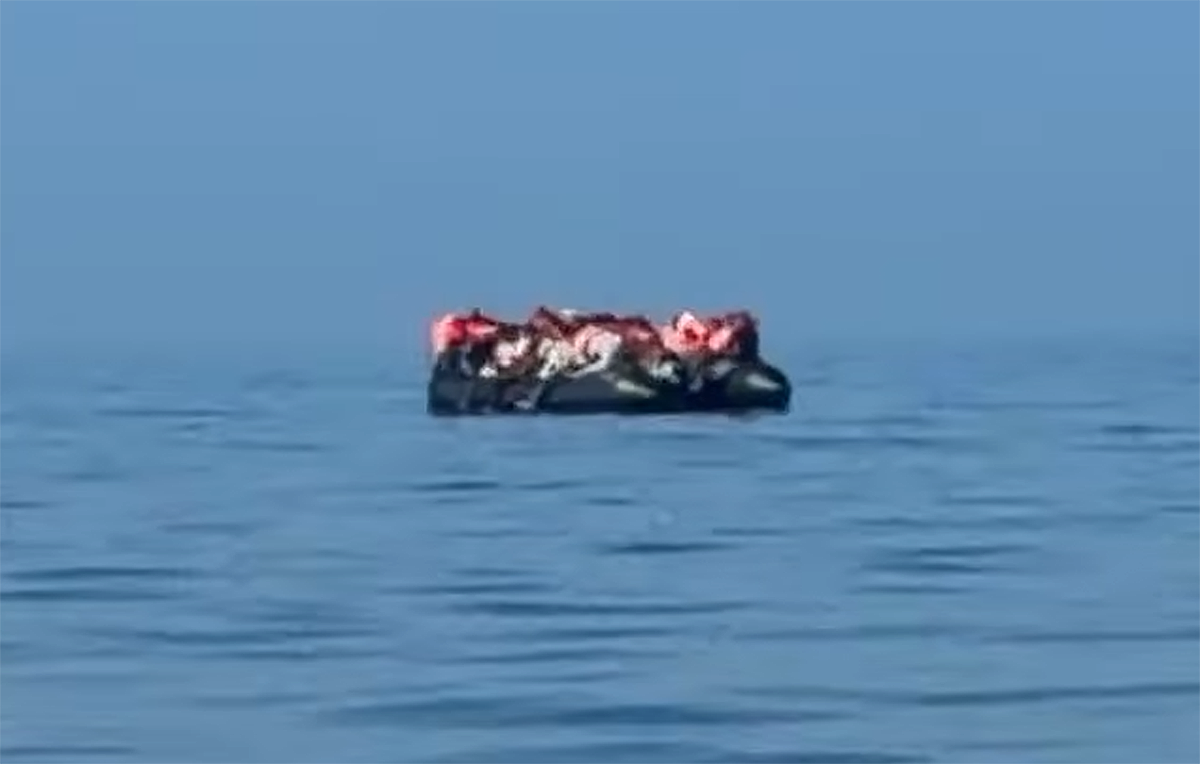
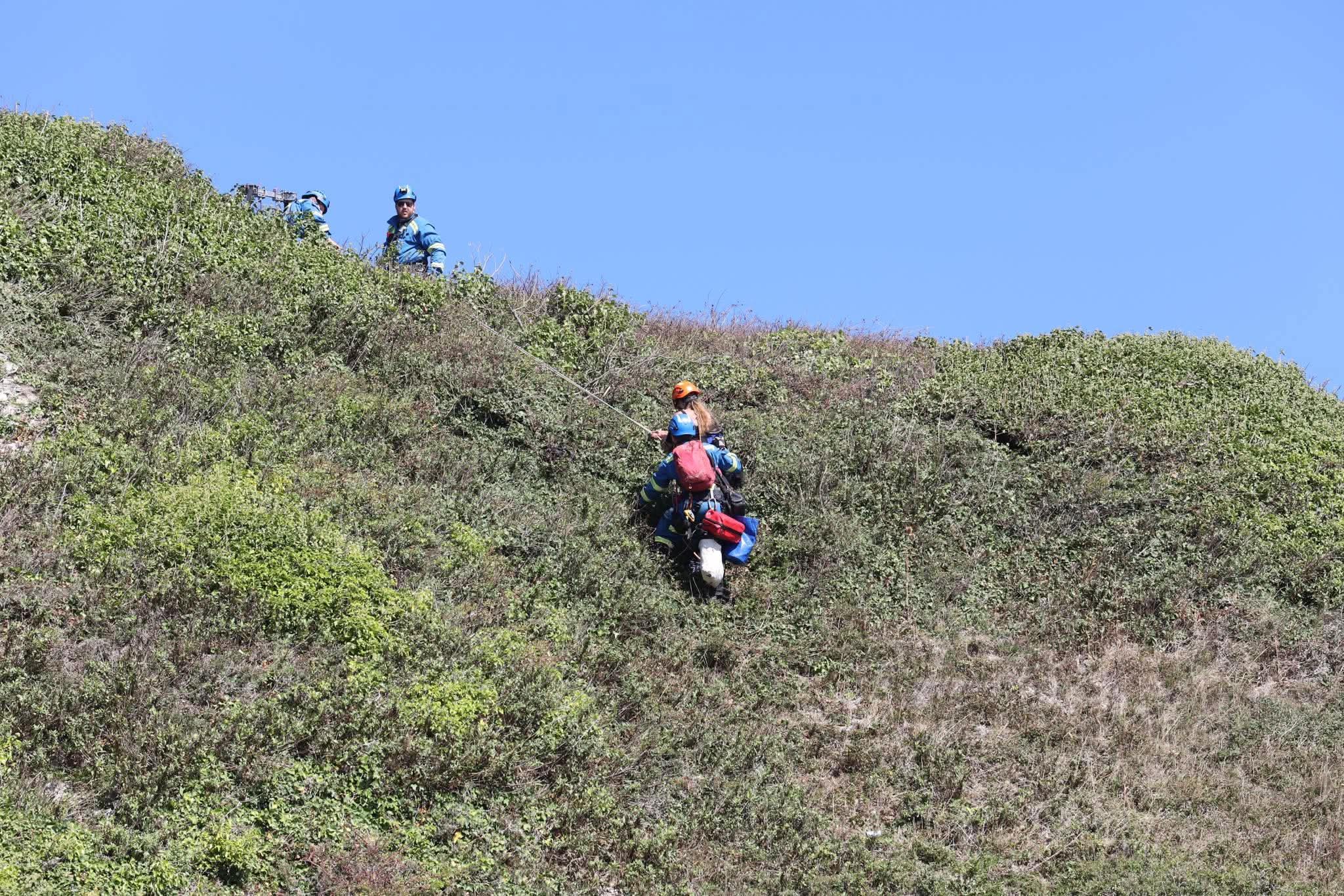
I do not think that the RNLI, who are facilitating the entry of illegal migrants into our country, should be the official ‘charity’ for the Round the Island Race. In fact, I would question why they still have charitable status at all. That is in no way intended to question the incredible bravery and selfless commitment of the men and women who serve in the lifeboat service, but to highlight the betrayal of, not only them, but the British public by those who languish in high positions in RNLI headquarters. The people who should, in my view, be investigated as to what, if any, communication they may have with the criminal people smugglers on the continent. Saving ‘Those In Peril On The Sea’, surely cannot include those who have paid to be i