




































































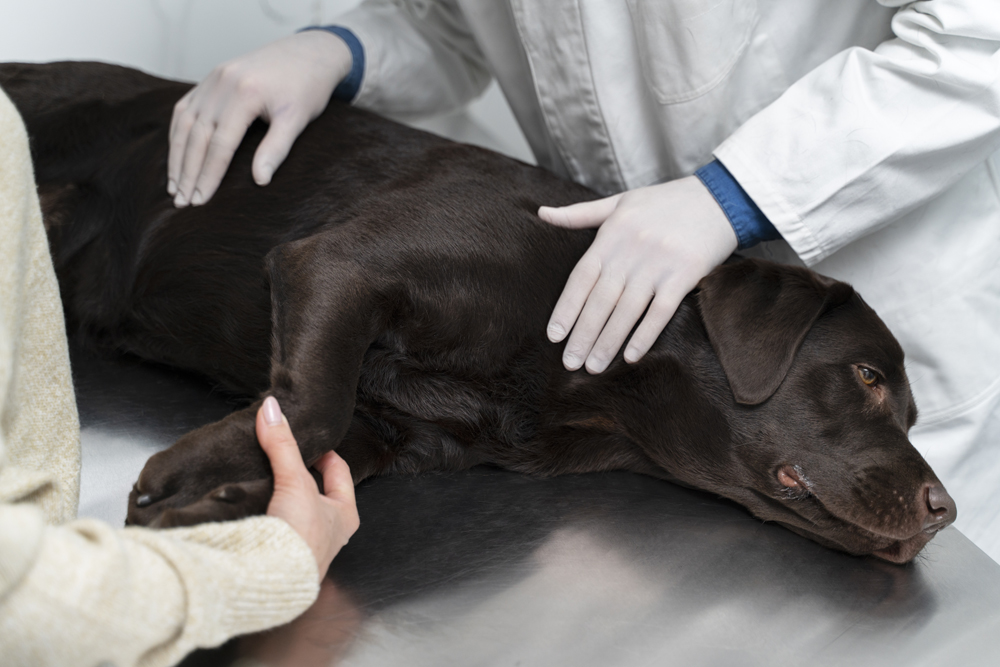

For most people, pets aren’t just animal friends, they are part of the household. Part of caring for them is knowing when to get them help and how to do it correctly. When an accident or other health emergency happens, you should be ready to take action. What does that entail?
Responding to Pet Emergencies
Regardless of how much attention you pay to your pet, emergencies can happen. Accidents and other health issues are sometimes, unavoidable. Whether you have a rabbit, cat, dog or exotic animal, you must be sure that it receives proper and timely care to ensure survival.


Call a Vet
The first step of any emergency plan is knowing where to turn. A 24-hour emergency veterinary service can save your pet’s life when urgent medical attention is necessary.
Veteris.co.uk is one service that brings urgent pet care to your home. When you have an animal in the house, you should have the number of your local vet handy. Find out if the clinic offers around-the-clock care. If your veterinarian doesn’t have after-hours services, the clinic might refer you to one that does.
Apart from your vet, keep the number of an urgent care pet service close. In an instance where you can’t reach your regular vet, you might have to go somewhere else. Urgent pet care can help manage an emergency by instructing you how to help your animal. When travelling with an animal, always check local vets and their emergency services. The last thing you need is trying to find a clinic in the middle of the night in a place you aren’t familiar with.
Stay Calm

Panic can worsen a medical crisis. An injured or sick animal needs you to stay calm to prevent the situation from getting out of control. Your cat might bite or scratch, and an ordinarily calm dog might become irritable. So, avoid adding to the stress. Assess the problem carefully to understand how bad it is. Watch out for animals with sharp teeth. If necessary, use a muzzle or towel as cover.
Administer First Aid
Applying first aid to a sick or injured animal can keep your pet comfortable until you get to the clinic or a vet arrives. However, first aid is only recommended when it is safe and helpful. Stabilising a broken extremity, applying pressure to stop bleeding and administering CPR are some actions you can take. If you suspect poisoning, call poison control.
Common Pet Emergencies
Some of the medical issues animals encounter can wait until you see your regular vet, but others demand immediate attention. The following are some of the most frequent emergencies that occur at night.
Difficult breathing in an animal is when the respiratory rate is 50 or more breaths a minute. If the breathing is noisy or exaggerated, then you know your pet has a problem. For cats, open-mouthed breathing calls for immediate action. A blockage, such as food or a small toy, can prevent your animal companion from breathing normally.
A pet experiencing trouble defecating or urinating should see a veterinarian. Watch out for diarrhoea, vomiting and pain in urination, especially if it lasts more than 24 hours.
Extreme bleeding should be a cause for concern because it might be a symptom of a larger problem. Wounds, such as bites, and trauma should also be checked out by a vet as soon as possible.
Conclusion
Proper pet care means knowing where to go and what to do in an emergency. How you respond when your animal friend is facing a medical issue might be the difference between life and death. Having the number of an after-hours veterinarian clinic is important for a pet owner. Urgent care services typically don’t require appointments, meaning your pet can get help quickly.