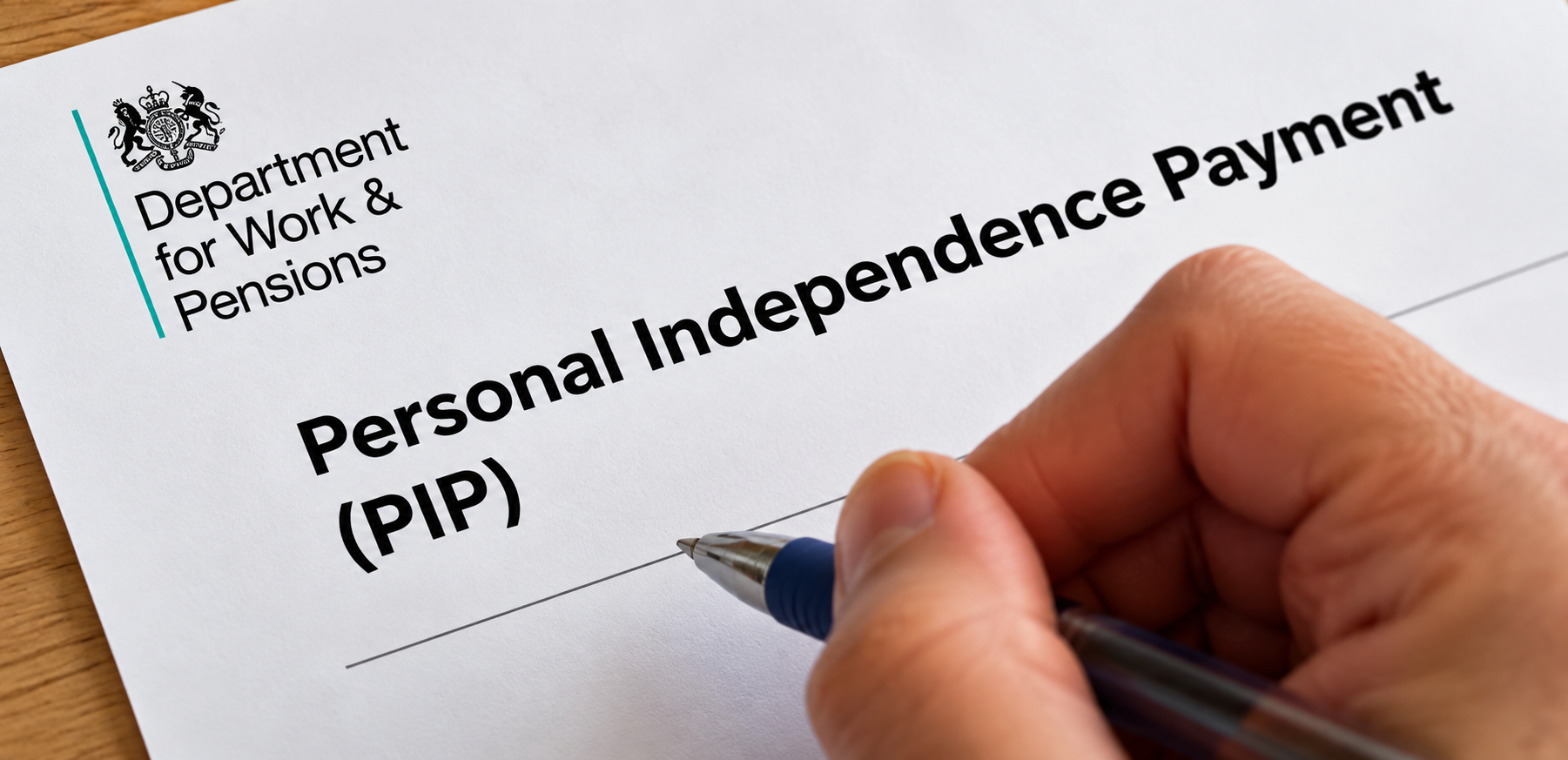



































































The number of people on the Isle of Wight receiving Personal Independence Payment (PIP) has risen by a staggering 60% in just 5 years – with the number of 16-19-year-olds receiving the benefit more than doubling.
Department for Work and Pensions (DWP) data shows that 11,405 Islanders were receiving PIP in July 2026, compared with 7,124 in July 2021. This represents an increase of 4,281 people, or 60.1%, over the 5-year period.
The rise has been particularly pronounced among younger Islanders, with 633 people aged 16-19 receiving PIP in July 2026. That compares with 261 in the same age group in July 2021 – an increase of 372 people, or 142.5%.


There have also been sizeable increases among older age groups.
The number of 60-64-year-olds receiving PIP increased from 951 to 1,588 over the 5 years – a rise of 637 people, or 67.0%. Among those aged 65-69, the caseload increased from 810 to 1,328 – up 518, or 64.0%.
PIP helps with some of the additional costs associated with long-term disability or ill health. It is not an out-of-work benefit and can be claimed by people who are working, have savings or receive most other benefits.
Nationally, the number of people entitled to PIP has also been increasing. DWP figures show there were 4.1million PIP claimants across England and Wales at the end of July 2026.
PIP has been replacing Disability Living Allowance (DLA) for working-age claimants since 2013, although DWP figures indicate that the overall growth in disability benefit recipients cannot be explained solely by people moving from DLA to PIP.

The combined number of people entitled to either PIP or DLA across England and Wales increased from 3.5million in February 2020 to 5.4million in March 2026.
DWP says trends in PIP statistics can be affected by a number of factors, including demand, staffing and resources involved in assessments and decision-making, as well as external events such as the COVID-19 pandemic.
Separate DWP research was commissioned after the department identified a sustained increase in new PIP claims in late 2021.
That research found that health deterioration, financial hardship and employment concerns were among the main triggers reported by people applying for PIP. Increased awareness of the benefit through services, friends and family was also identified.