













































The Battle of Britain ended Hitler’s hopes of invading mainland Britain, but one military historian believes it turned the Isle of Wight into Germany’s next potential target.
On 15th September each year Britain commemorates Battle of Britain Day, marking the RAF’s victory over the Luftwaffe during the summer and autumn of 1940. The campaign denied Adolf Hitler the air superiority he regarded as essential for invading Britain and forced the postponement of Operation Sea Lion, the largest amphibious assault ever planned.
According to military historian Dr Robert Forczyk, that did not end German invasion planning altogether. Instead, Hitler began examining whether the Isle of Wight could become Germany’s next objective.


A former US Army lieutenant colonel with a doctorate in International Relations and National Security, Dr Forczyk reached that conclusion after examining surviving German military records for his book We March Against England.
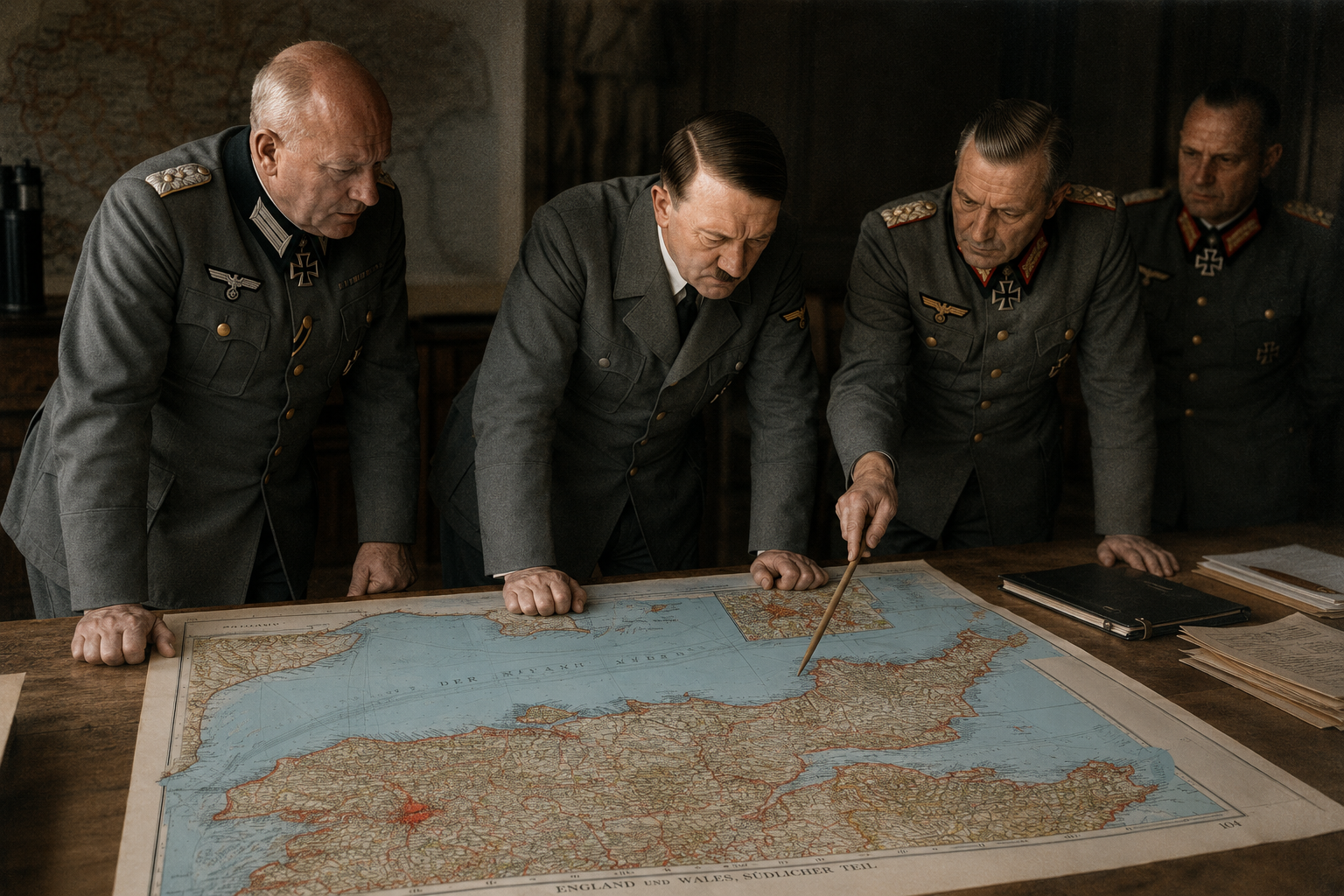
Among the documents he examined was Hitler’s Directive No. 16, issued on 16th July 1940 after the fall of France. As well as ordering preparations for Operation Sea Lion, it instructed German planners:
“Preparations should also be made for the occupation of the Isle of Wight.”
According to Dr Forczyk, the proposal originated with Hitler himself, who repeatedly returned to the idea throughout the planning process before incorporating it into Directive No. 16.
The Isle of Wight’s strategic importance was obvious. Guarding the entrance to the Solent, it overlooked Portsmouth, home to one of the Royal Navy’s principal dockyards. Dr Forczyk argues artillery on the Island could have threatened Portsmouth, while civilian airfields would have provided the Luftwaffe with valuable forward operating bases. The Chain Home radar station at Ventnor added further military value.

Dr Forczyk argues Hitler’s naval commanders opposed a full-scale invasion of southern England. Concerned by the strength of the Royal Navy and believing Britain had more troops available than was actually the case, they persuaded him that Operation Sea Lion carried unacceptable risks.
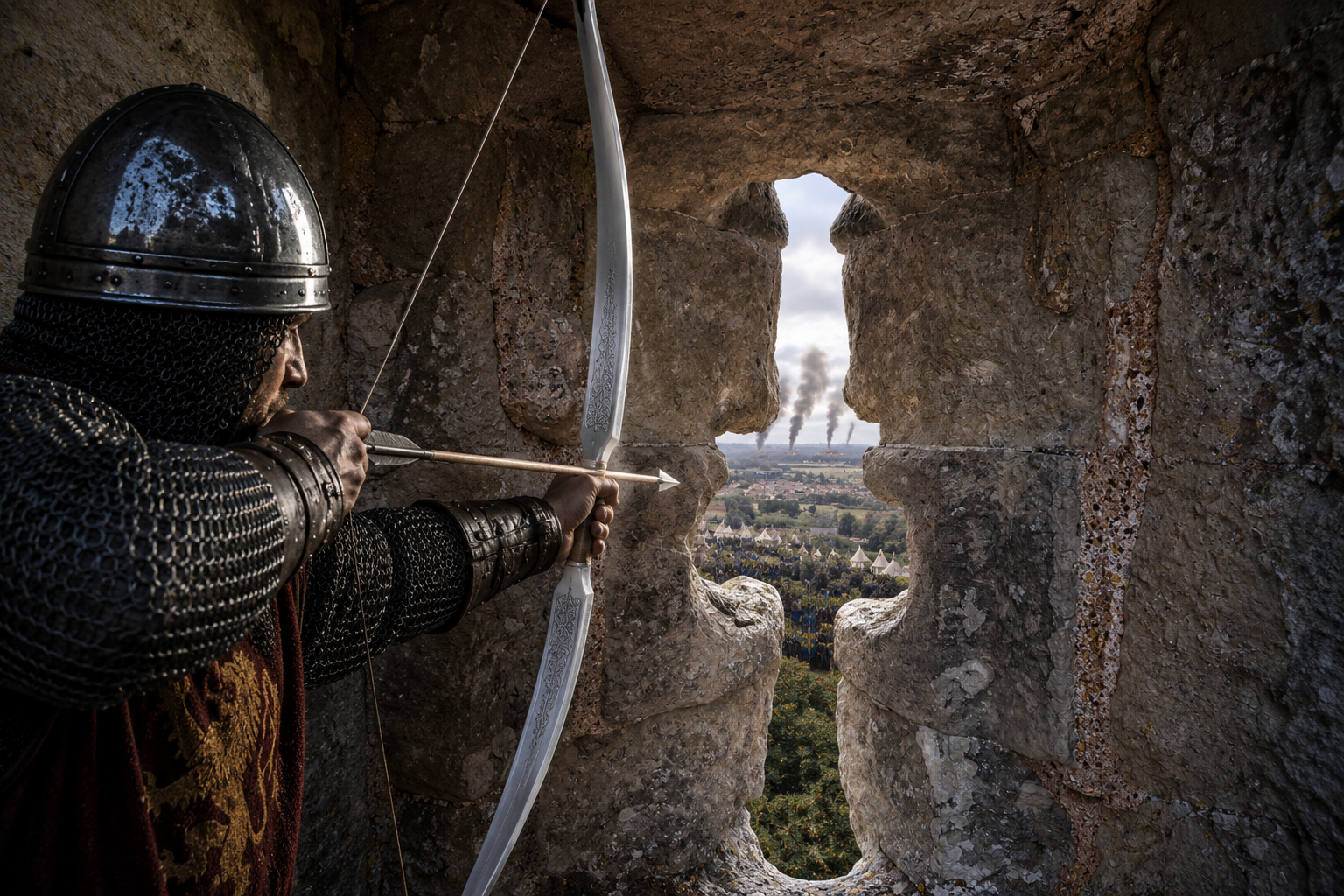
After Hitler postponed Operation Sea Lion on 17th September 1940, Dr Forczyk believes planners turned their attention to a much smaller assault on the Isle of Wight. He argues German forces could have landed around 4,000 troops within two days, giving Germany a base from which artillery could threaten Portsmouth and the Luftwaffe could operate much closer to southern England.
The Isle of Wight was far from defenceless. During 1940 it became one of Britain’s most heavily fortified areas. Regular Army units were reinforced by thousands of Home Guard volunteers, beaches were lined with barbed wire and anti-tank obstacles, pillboxes guarded likely landing places and coastal batteries protected the shoreline.
Dr Forczyk argues those defences may not have been enough. He points to the wartime diary of Field Marshal Alan Brooke, who expressed concern about the possibility of a German landing and doubts about whether British forces could prevent it. His conclusion is that German forces had the capability to seize at least the eastern half of the Isle of Wight in 1940.
Dr Forczyk further argues Hitler later regarded it as a mistake to have accepted his naval commanders’ objections to a full-scale invasion.
Whether the plan could ever have succeeded will never be known. Hitler nevertheless considered the Isle of Wight important enough to order preparations for its occupation.