










































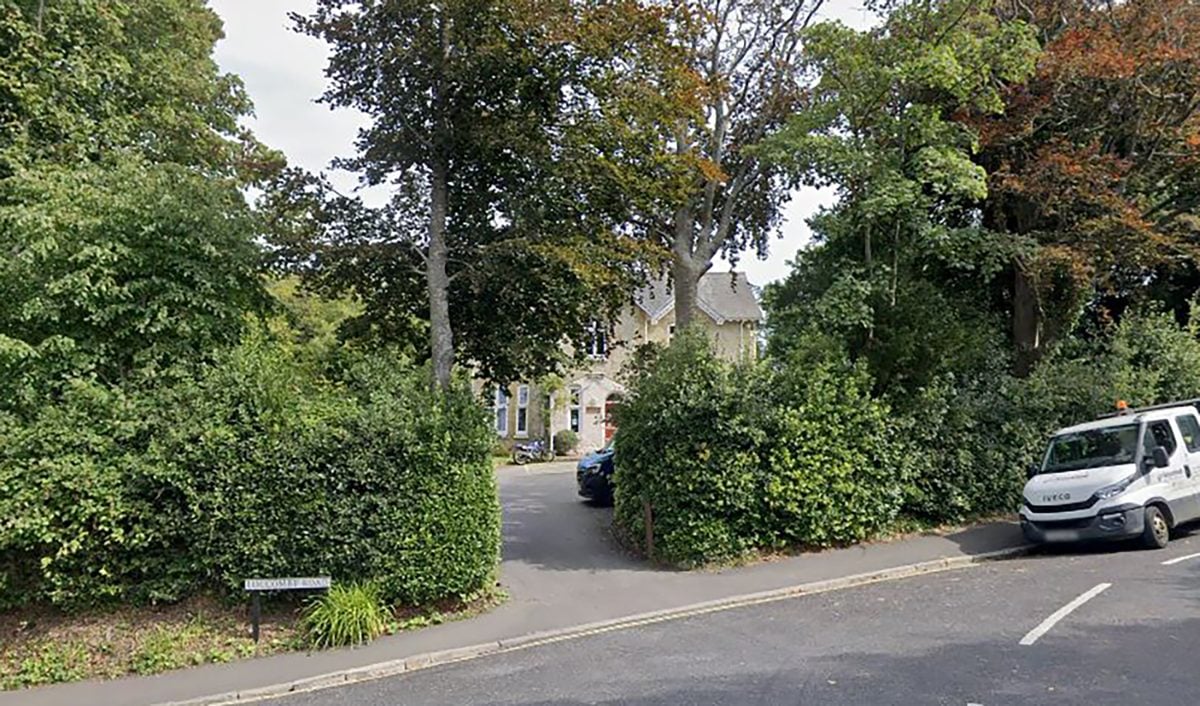

Inspectors had to step in to prevent a resident from falling at an Isle of Wight Council-run care home where they found signs of a ‘closed culture’ and failures to protect people from harm.
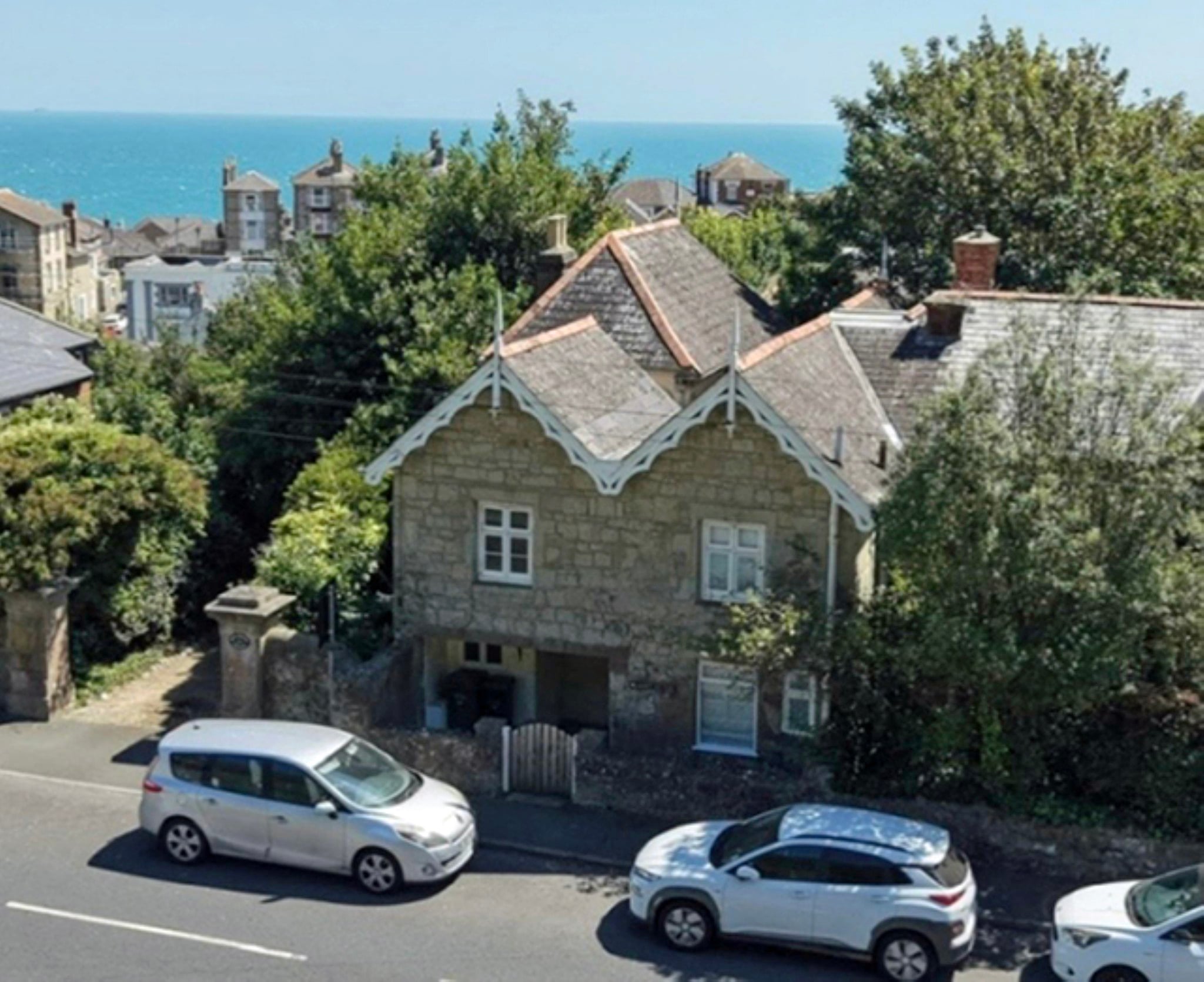
The Care Quality Commission (CQC) has rated Plean Dene on Luccombe Road in Shanklin as Requires Improvement following an assessment carried out between July and August.
The home, which is provided and run by the Isle of Wight Council, provides accommodation and personal care for people with learning disabilities and autistic people. 9 people were living there at the time of the inspection.


Inspectors found that risks were not always properly assessed or reduced and said there was an increased risk that residents could be harmed.
In one incident, a resident accessed an upper area of the garden which had steps and a steep slope.
Equipment identified in the resident’s mobility risk assessment was not available or being used at the time, and inspectors had to provide support to prevent the person from falling.
The CQC said the risk of the resident accessing that part of the garden had not been assessed.
Inspectors also found signs that a ‘closed culture’ had developed at Plean Dene, with blanket restrictions in place and some tasks and activities arranged around the needs of the service.

Residents were not always treated with dignity and respect or as individuals, according to the regulator.
The CQC found people could not always choose when they ate their meals or where they spent their time at the home.
Some residents were moved into different areas of the home without their consent or consideration of whether doing so was in their best interests.
Inspectors also raised concerns about independence, finding residents were not encouraged to cook meals or complete their own laundry.
Communication was another area of concern.
One resident used Makaton – a system involving signs, symbols and speech – but staff had not received Makaton training and sometimes failed to recognise when the resident was using it to communicate.
Safe recruitment procedures had not always been followed either, with full employment histories not obtained in every case.
The CQC rated Plean Dene Requires Improvement overall, as well as Requires Improvement for Safe, Effective, Responsive and Well-led. Caring remained rated Good.
Legal regulations relating to safe care, safe staffing and person-centred care were breached, while the Isle of Wight Council says inspectors also issued a Warning Notice relating to governance systems.
The regulator found that systems intended to assess, monitor and improve care had failed to identify a number of concerns.
However, inspectors also recorded positive feedback from relatives, observed mostly kind interactions between staff and residents and found medicines were being managed safely.
The council was responsive when concerns were identified and took action during and following the inspection.
The Isle of Wight Council says it accepts the findings and has developed a comprehensive improvement plan, with work already underway on governance, care documentation, staff training and promoting greater independence and choice.
Laura Gaudion, Director of Adult Social Care and Housing Needs, has said:
“We are disappointed this inspection did not achieve the outcome we had hoped for, and we fully acknowledge the areas where improvements are needed.
“The wellbeing, safety and quality of life of people living at Plean Dene remains our absolute priority. We accept the findings identified by the CQC and have already taken action to address many of the issues raised.
“Importantly, the report also recognises several strengths within the service, including the caring approach of staff, positive feedback from relatives, effective partnership working with health professionals and the commitment shown by the team throughout the inspection process.
“We are committed to ensuring Plean Dene provides the high-quality, person-centred care people deserve and have developed a comprehensive improvement plan to deliver the changes required.
“We will continue to work closely with the CQC, residents, families and staff as these improvements are implemented.”
The council says it will continue monitoring progress against its improvement plan as it works with the CQC to ensure the required changes are embedded.










Very poor practice obviously
I’d be interested to learn whether staff working at the Council-led home have attended the Oliver McGowan Mandatory Training in Learning Disabilities and Autism.
The elements of failure listed in the article are areas that the Mandatory Training examines. The training focuses on three elements: Ask, Listen & Do.
Oliver would still be with us today if it weren’t for the failure of Professionals looking after him. Professionals ignored Oliver’s Hospital Passport, which offered clear instructions on his communication methods, his need to stim, and what medication not to use based on previous medical explorations. Those looking after Oliver chose to ignore the Hospital Passport, giving the excuse, “How dare someone challenges my professional education and achievements”.
I find it hard to believe that a care facility that caters for those with a learning disability or an Autistic person doesn’t have the skills in Makaton. Makaton is one of the most commonly used communication methods by Neurodivergents. Anyone working in such a care environment should be skilled in that area or attend training within one week of commencing employment.
I will share this article with Oliver’s mother, Paula McGowan, as I know she will want to ensure all healthcare and social care offered on the Island fulfils the Mandatory requirements to ensure everyone receives respect and a standard level of care, with dignity and that patients, carers, and their families are listened to.