









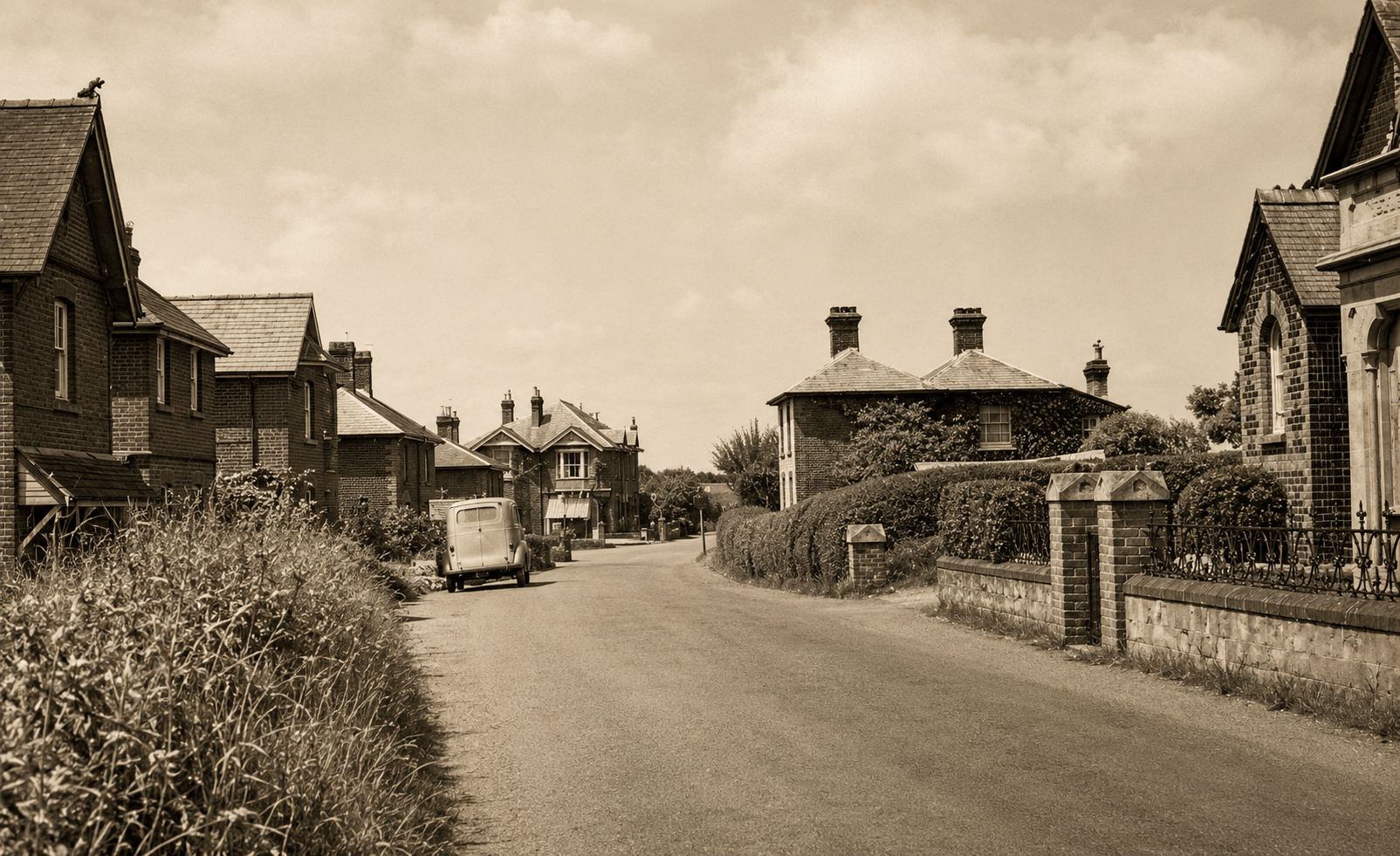





































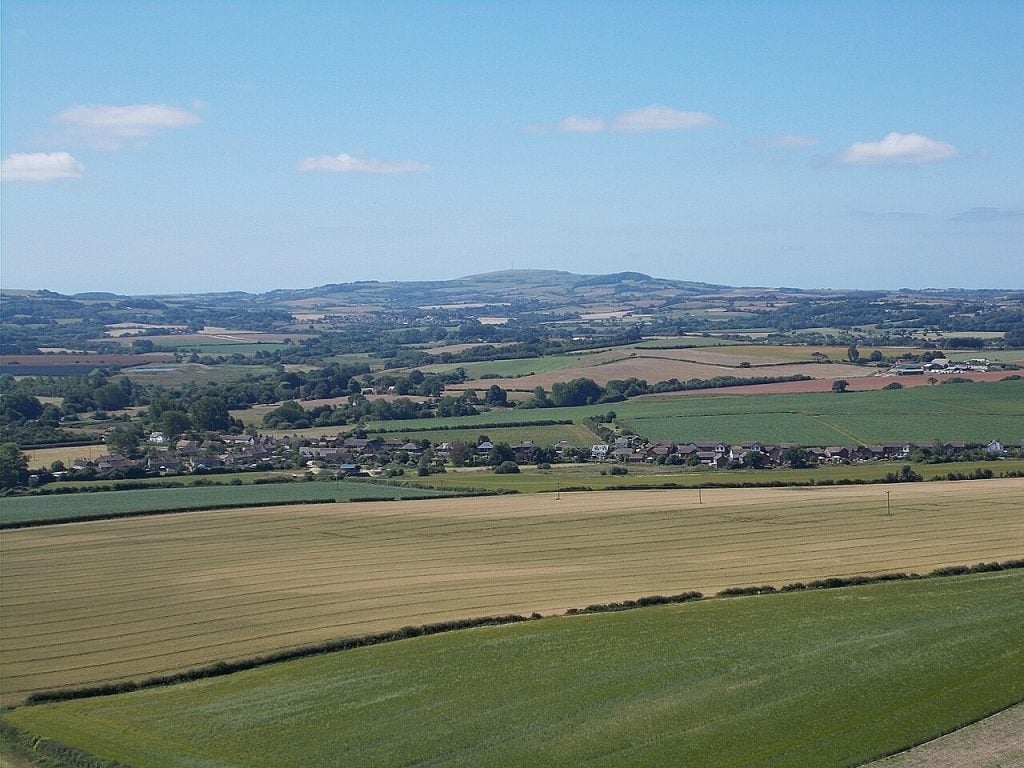
Few villages on the Isle of Wight can trace their name back to the age of King Alfred, but Arreton can.
The first known written record of Arreton appears in the will of King Alfred the Great in the late 9th century as Eaderingtune, meaning the estate or farm of a Saxon landowner called Ēadhere. More than 1,100 years later, while the spelling has changed, the village still stands at the heart of the fertile valley that first made it one of the Island’s most valuable estates.
By the time of the Norman Conquest, Arreton was one of the Isle of Wight’s principal royal manors. The Domesday Book recorded its wealth, and over the following centuries the parish grew into one of the largest on the Island. At least 14 manors lay within its boundaries, including Hale, Haseley, Budbridge and Standen, making Arreton the centre of a remarkably rich agricultural district. Shepherd’s Lane, better known as the Straight Mile, still leads away from the village towards the downs, while the presence of both the White Lion and Red Lion inns reflected Arreton’s importance as a stopping place on the main road between Newport and the east coast of the Island.


Standing at the heart of the village is Arreton Manor. The estate passed from Saxon kings to Norman rulers before spending almost 400 years in the hands of the monks of Quarr Abbey. Following the Dissolution of the Monasteries it returned to the Crown, while the present manor house, built mainly during the late 16th and early 17th centuries, welcomed distinguished visitors including King James I and Queen Victoria.
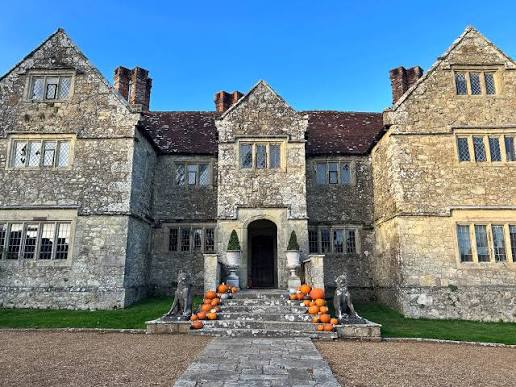
One of the manor’s best-known stories centres on Charles I. Local tradition says Charles I concealed himself in a cupboard in the manor’s Panelled Room when soldiers approached from Carisbrooke Castle searching for him. The house also has its own ghostly legend, with generations of owners and visitors recounting the tragic tale of Annabelle Leigh, a young girl said to haunt the manor after her murder in Elizabethan times.
The surrounding countryside also preserves reminders of medieval life. At nearby Haseley Manor, once held before the Norman Conquest by Earl Harold, a square meadow marks the site of the monks’ former stewpond, where farmers brought live fish to provide food during the Church’s many fasting days.
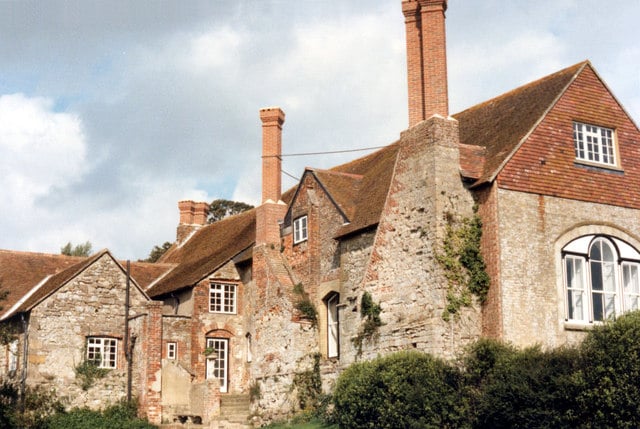
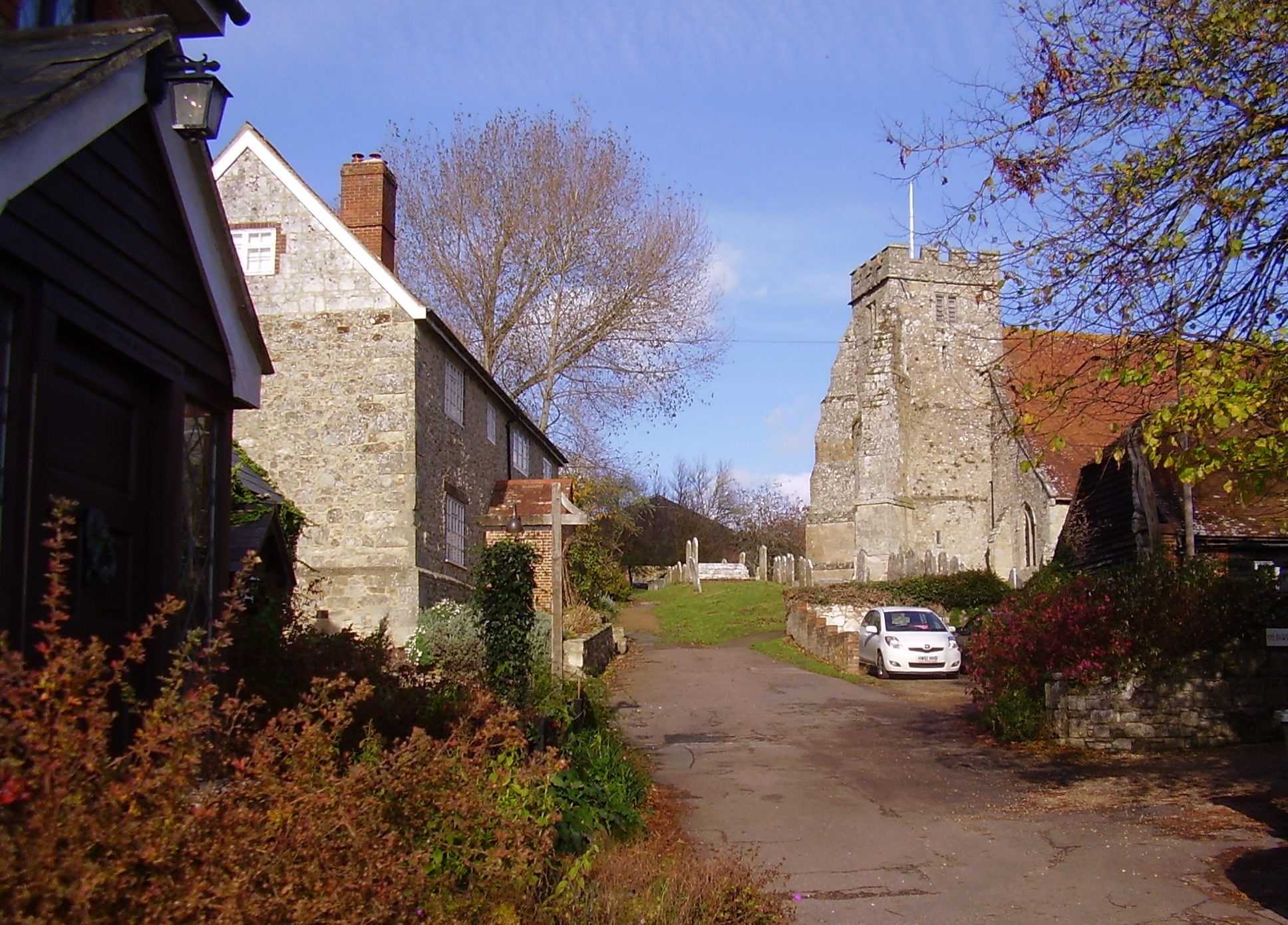
Much of Arreton’s story can be read in and around St George’s Church. Few visitors pass through without noticing the magnificent brass of Harry Hawles, Steward of the Isle of Wight during the reign of Henry V. Dressed in full armour and dating from around 1420, it bears the inscription:
Here is ybried under this grave
Harry Hawles, his soul God save.
Long tyme steward of the Yle of Wyght,
Have mercy on hym, God ful of myght.Article continues below this advertisement
Near the south porch stands the brick chest tomb of William Cromwell, grandson of Oliver Cromwell, buried in 1720 alongside his wife Martha.
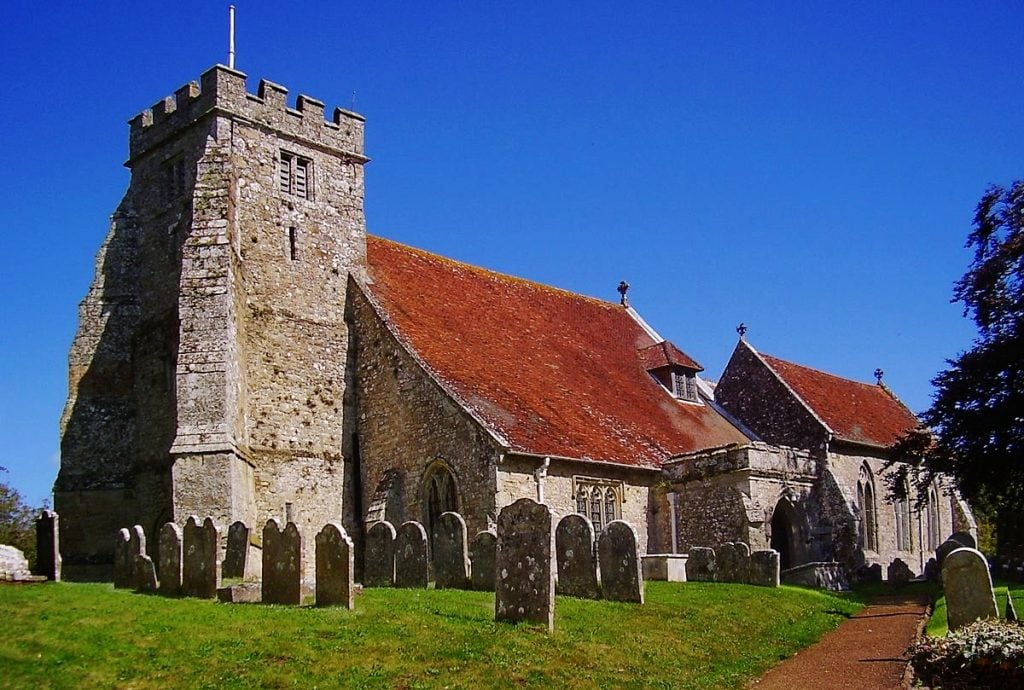
A few steps away lies James Urry of Comley Farm, who died in 1815 after being attacked by a bull he was driving to Newport. His epitaph still reads:
Death is most certain you may see,
For suddenly it came to me.
In perfect health to me was sent
By accident most violent.
More than 200 years later, descendants of the Urry family continue to farm in the Arreton Valley.
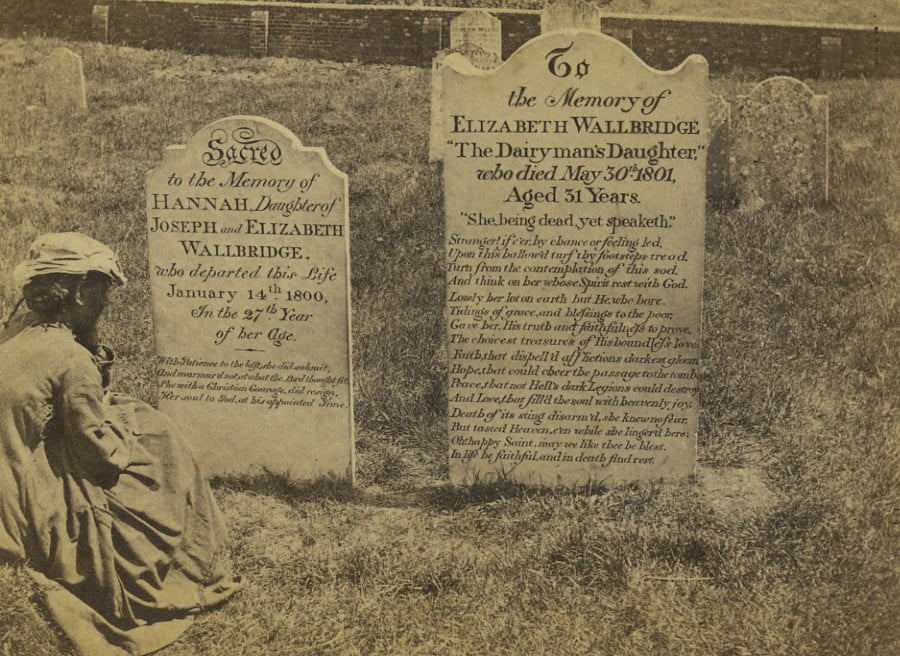
No grave in Arreton is better known than that of Elizabeth Wallbridge, the daughter of a local dairyman. She died in 1801 aged just 31, but the Reverend Legh Richmond’s book The Dairyman’s Daughter made her one of the Victorian era’s best-known religious figures. Translated into numerous languages and selling millions of copies, the book brought pilgrims from across Britain and overseas to Arreton. So famous did Elizabeth become that Queen Victoria visited her grave during one of her stays at Osborne House.
During the late 16th and early 17th centuries, the village became one of the Isle of Wight’s best-known social gathering places. Sir John Oglander recalled that twice each week “thirty or forty knights and gentlemen” gathered to play bowls with the Earl of Southampton before dining together and settling down to an afternoon of cards.
Arreton also found its way into literature. Novelist Maxwell Gray used the village as the setting for the fictional “Arden” in her 1889 novel The Reproach of Annesley.
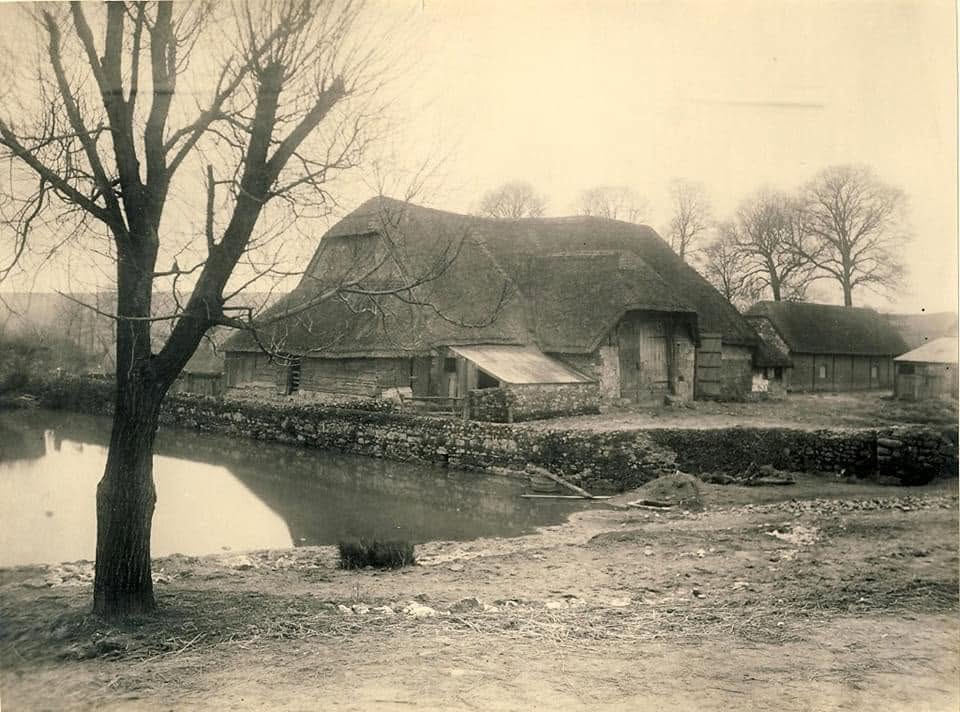
The site of today’s Arreton Barns has changed dramatically over the centuries. The great medieval tithe barn that once stood here, where farmers brought a tenth of their harvest as payment to the Church, was demolished in the 1930s, although parts of its crumbling walls still survive. Today the site is occupied by Arreton Barns, the Isle of Wight’s largest arts and crafts centre, with independent artisan studios, heritage buildings and The Dairyman’s Daughter freehouse.
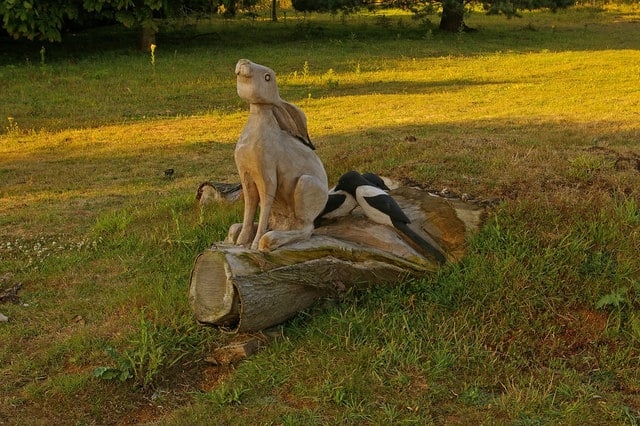
Just beyond, at Arreton Cross, Paul Sivell’s carved wooden sculpture Good Omen, created from the trunk of a storm-damaged Leyland cypress in 2008, has become one of the village’s most recognisable landmarks.
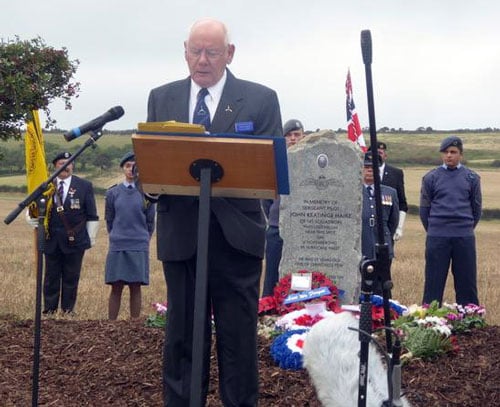
The Second World War also left its mark on Arreton. On 6th November 1940, Sergeant John Keatinge Haire sacrificed his own life by steering his stricken aircraft away from the village to avoid civilian casualties. A memorial stone near the crash site commemorates his loss.