


































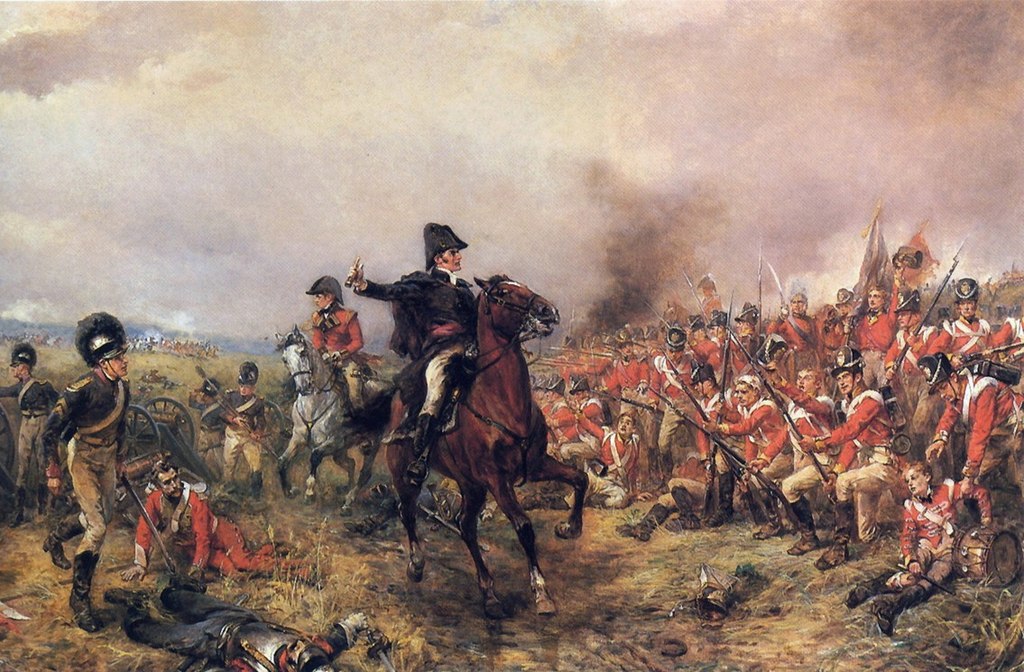

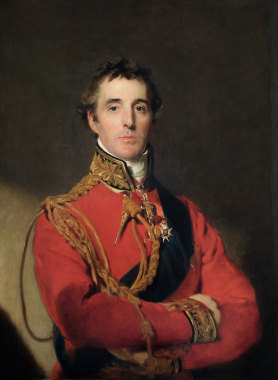
In the 2nd of our series on Isle of Wight MPs, Island Echo examines the illustrious career of Arthur Wellesley, Duke of Wellington, who represented the County Town of Newport in 1807.
Arthur Wellesley, the ‘Iron Duke’ – vanquisher of Napoleon and victor of the battle of Waterloo – was hailed poet Alfred Lord Tennyson’s elegy as ‘the last great Englishman’.
Aficionados of Winston Churchill might dispute this claim. It is often said that were it not for Churchill, Europe would all be speaking German. Had it not been for the exploits of the Duke of Wellington, we might all be speaking French.


‘The last great Englishman’ was born in Dublin in 1769 into an aristocratic Irish family. However, the future Duke of Wellington never considered himself an Irishman, claiming: “being born in a stable does not make one a horse.”
Arthur was sent to Eton, where he was a lazy and unacademic pupil. His only talent was with the violin.
A career in the army was thought the most suitable for a young aristocrat with few educational attainments. In 1793, Wellesley was galvanized into action by the French Revolution and execution of King Louis XVI. The social order of Europe was under threat and Britain went to war with France.
The young Arthur threw away his violin and took command of the 33rd foot regiment, which fought the French in a disastrous campaign in the Netherlands. His 1st experience of active service was one of defeat. He also developed a low opinion of his fellow officers, few of whom – in his opinion – were capable of commanding an army.
In 1796, the future Duke of Wellington was dispatched with the British army to India, taking with him several hundred books on military history, intending not to make the mistakes he had witnessed in the Low Countries. Military success on the field led to his promotion to Major General.

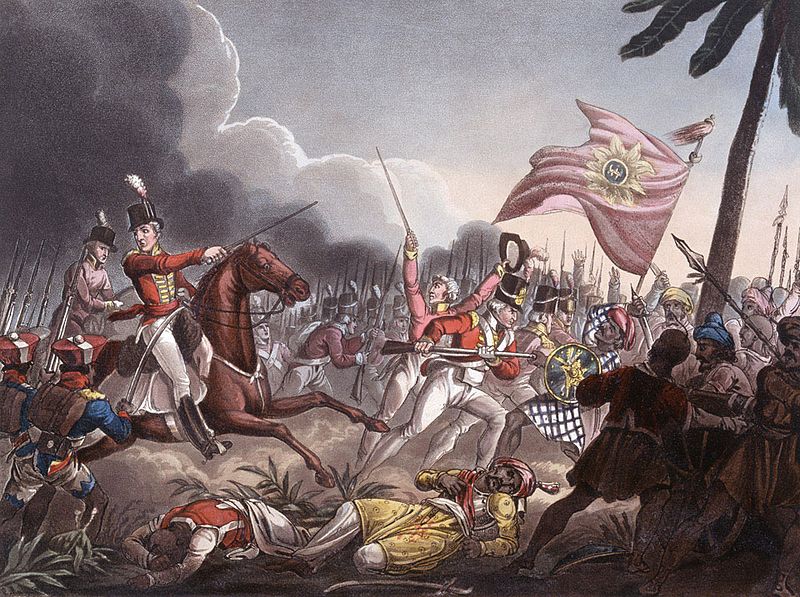
In 1803, he won the greatest victory of his military career – the Battle of Assaye – against the Maratha Empire. During the course of the battle, 2 of his horses were shot from under him.
In 1805, Wellesley returned to England with prize money of £42,000 (£3million in today’s values).
He then entered the House of Commons. In 1807, he was elected MP for 3 constituencies: Mitchell in Cornwall, Tralee in county Kerry and Newport Isle of Wight. He chose to represent Newport.
Wellesley was unable to devote himself to politics for long. When the Spanish revolted against the occupation of Napoleon in the same year he was elected MP for Newport, ministers turned to him to secure a British victory.
The Member for Newport was given command of British forces in the Peninsula War. In 1812, his forces won a decisive victory over the French at the Battle of Salamanca. Napoleon abdicated, and Wellesley was awarded the title Duke of Wellington.
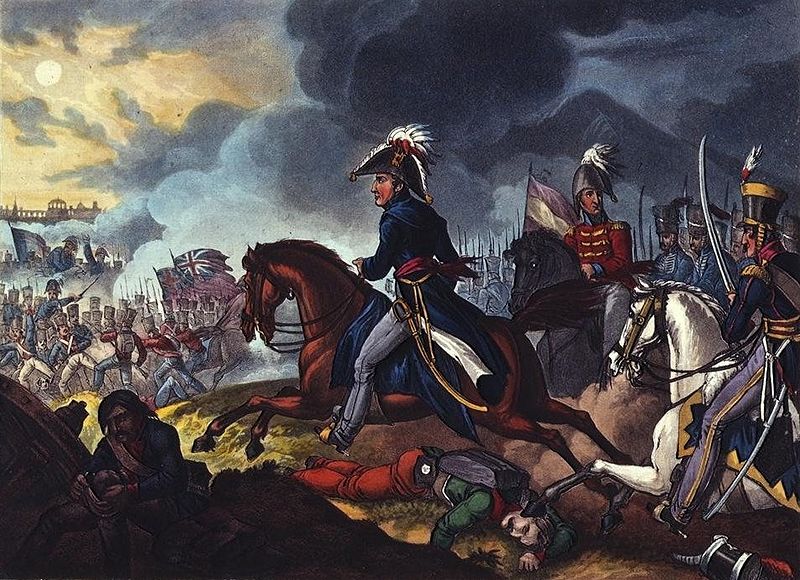
The Duke became British Ambassador to France, reputedly bedding 2 of Napoleon’s former mistresses: opera singer Giuseppina Grassini and actress Marguerite-Josephine Weimer. The actress claimed the Duke was by far the more virile of the two.
In 1815, Napoleon escaped from exile in Elba and rallied the French forces again. Wellington was called upon to save Europe for a 2nd time.
On 18th June 1815, the Duke fought the battle forever linked with his name: Waterloo. After a fierce and bloody contest, Napoleon was beaten for the final time.
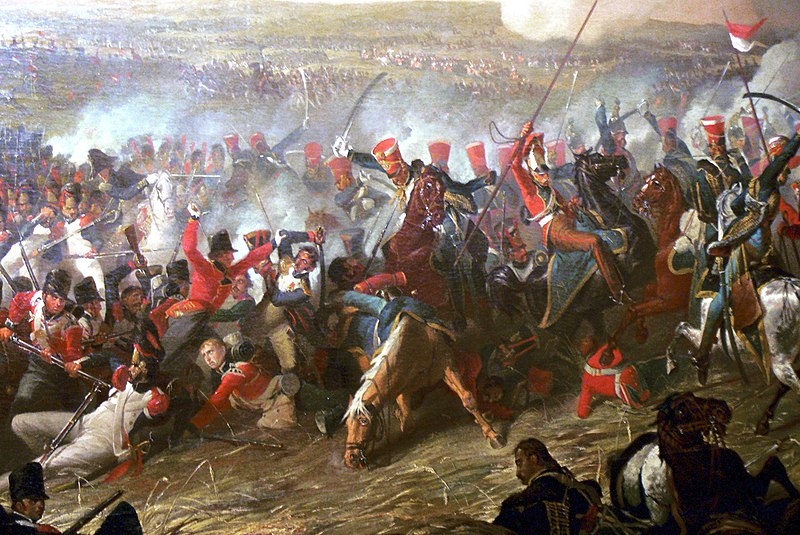
In 1828, King George IV asked Wellington to become Prime Minister. He accepted the position but found politics had little in common with leading an army. His autocratic style didn’t go down well at Westminster.
While Prime Minister, Wellington challenged a political opponent – the Earl of Winchilsea – to a duel, fought on Battersea fields. Both survived.
Wellington’s popularity plummeted in the 1830s, forcing him to place iron shutters over his windows to protect his home from the mob. This was the origin of his nickname:”the Iron Duke.”
Wellington retired from politics in 1846. He died from a stroke at Walmer Castle in Kent in 1852 at the age of 83.
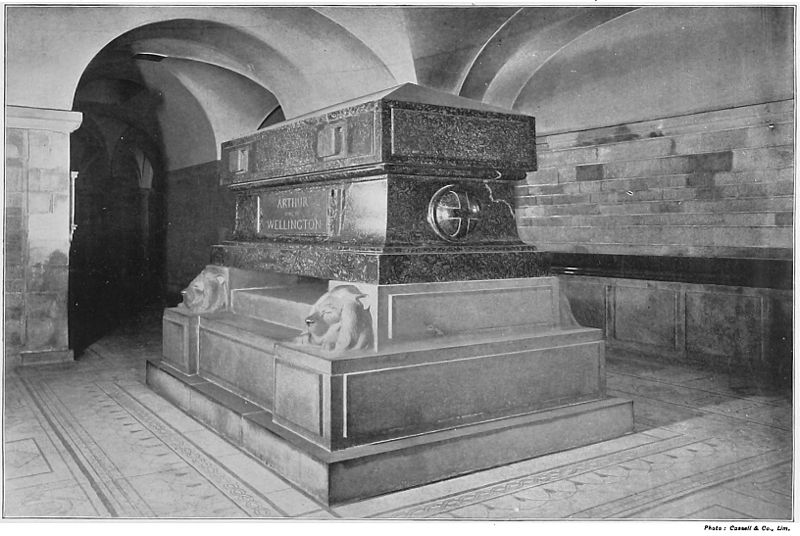
In death, Wellington the politician was forgotten and Wellington the war hero commemorated. He was awarded a state funeral. Over 1-and-a-half million people lined the streets of London to pay their final respects.
The Duke of Wellington is remembered on the Isle of Wight in the name of the Wellington Hotel in Ventnor and Wellington Roads in Newport and Binstead.
He is also remembered by the Wellington boot – at one time a style of military riding boot he wore and popularised. The name was subsequently applied to waterproof boots made of rubber.






There also used to be a pub in Ventnor named the Walmer Castle
That was a ship that sank
The wellington a lazy mans boot
The isle of wight celebrating an overner surely not hahaha.