

























































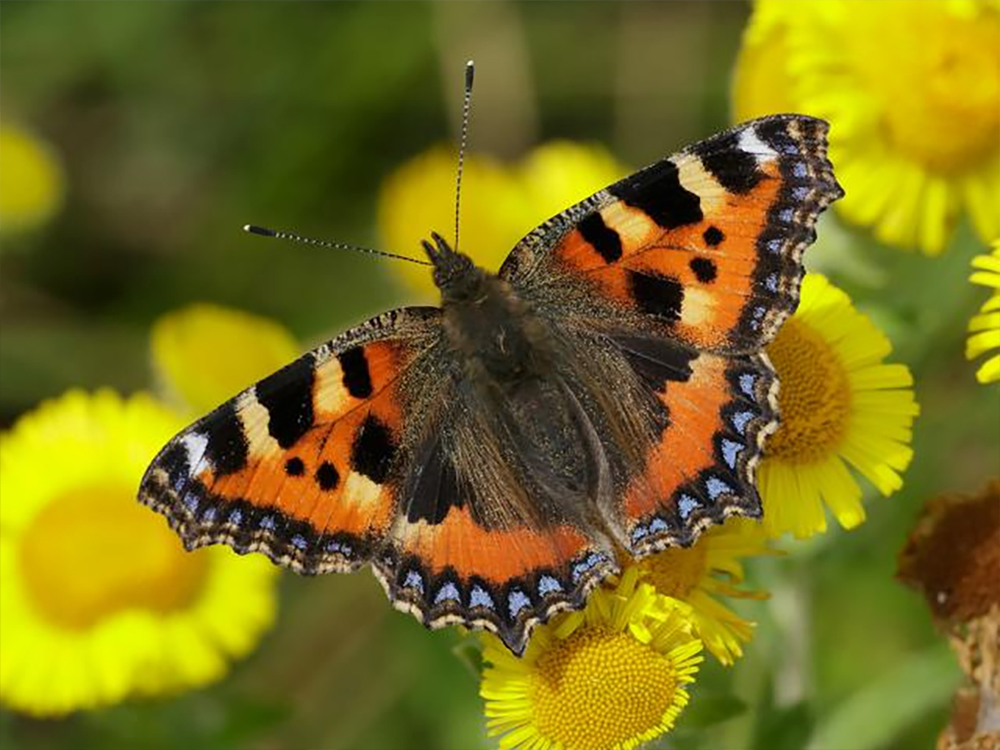

In recent weeks there have been a flurry of sightings of the large tortoiseshell in Kent, Sussex, Hampshire, the Isle of Wight, Dorset and Cornwall.
It has led Butterfly Conservation to declare the large tortoiseshell a resident breeding species in the country once again, as opposed to a migratory one.
Here on the Island, the butterfly was first spotted on 24th February by local butterfly enthusiast Nikki Kownacki in Cranmore, who has been a member of Butterfly Conservation for several years and regularly records butterfly activity across the Isle of Wight.


The sighting is particularly significant as the Large Tortoiseshell has only recently been recognised as breeding in the UK. The annual First Sightings list from Butterfly Conservation tracks butterflies that breed in Britain, and until recently the Large Tortoiseshell had not been considered a breeding species since around 1980.
Nikki has been recording Large Tortoiseshell sightings in West Wight and in her own garden since 2020, logging observations on iRecord, a UK-wide citizen science recording platform.
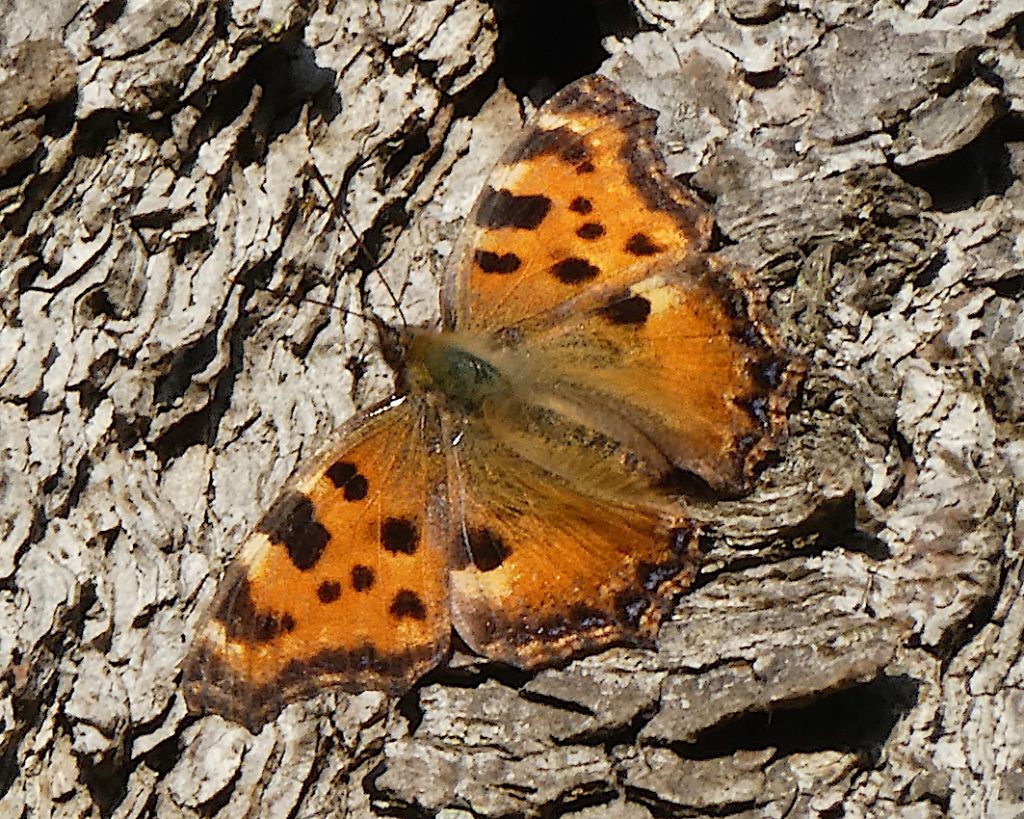
Further sightings followed in 2023, when Nikki recorded 2 individuals in West Wight and another in her garden. In 2025, she made 7 recordings of the species, all within the garden.
So far this year, Nikki has already identified 4 individual Large Tortoiseshell butterflies in the same location, with several sightings of each.
Nikki is also part of a wider group of butterfly enthusiasts who share sightings online. Several others on the Isle of Wight have also reported seeing the species in different locations this year, with some saying it was the first time they had encountered one.

The Large Tortoiseshell can sometimes be mistaken for similar species such as the Comma or Small Tortoiseshell, meaning photographs are required to confirm sightings.
The butterflies favour woodland areas and sunny glades, often resting on tree trunks where they can sometimes be seen basking high up in the sunshine.
Anyone who believes they may have seen a Large Tortoiseshell is encouraged to record the sighting and include a photograph to help confirm the identification and support ongoing monitoring of the species.









































It makes me LAUGH,that the so called ‘experts’ can’t find them,I’m a ex poacher, and can find them quite easily,& NO I’m not going to help them.The experts can go walkabout hope they enjoy their walk
Looks much better than a housing estate.