






















































According to Visit Isle of Wight’s H1 2025 tourism report, the Island saw 5.1% fewer visitors compared to the first half of 2024.
At first glance, the numbers can be worrying. However, if we look further into the data, the average spend per overnight visitor is up 17%, and the average spend per day visitor is up nearly 40%.
Improving Visitor Numbers
An effective way to grow visitor numbers is to expand the destination reach through branded entertainment. Liverpool does a great job at this.


The city has built a tourism franchise around its Beatles heritage. Over four million visitors have visited the Beatles Story museum over the last 25 years, and across all Beatles-inspired businesses in the city, they generate roughly £155 million in turnover and support roughly 5,020 jobs for the city.
The same logic applies to niche online entertainment as well. A film tie-in, a TV series, or even a licensed slot game all serve the same function. Betfair Even Bigger Bananas 2 is the second instalment of a series which engages players with a branded IP, builds familiarity, and turns passive interest into recognition.
The Isle of Wight already has the foundation to do this. They can turn their nationally recognised assets, like Cowes Week, the Isle of Wight Festival, and even Osborne House, into something travellers can engage with digitally to turn that interest into physical travelling.
What’s the Reason for Fewer Visitors?
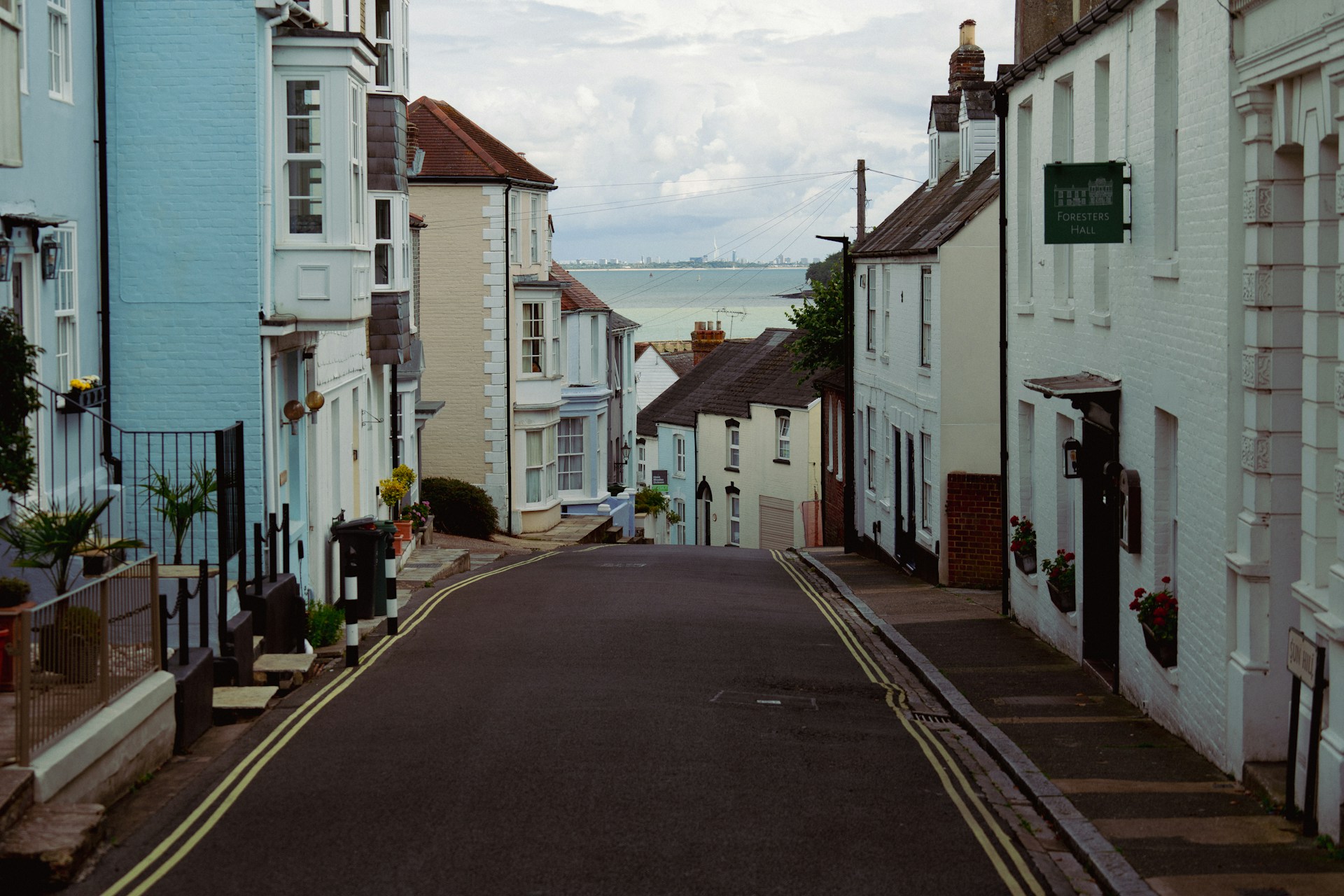
We imagine that it’s due to the cost-of-living pressure on UK consumers. Most people are cutting back due to fuel price increases, inflation, and so forth, which may be one reason why fewer visitors are coming to the Island.

Adding to this, domestic UK tourism is in decline. VisitEngland data shows a national decline of 18% in overnight stays for the April-June 2025 period. Therefore, the decline seen in the Isle of Wight is actually less steep than the general UK decline.
Why Per-Visitor Spend Is Up
One key reason is the type of brands that are now available on the Island. Luxury hotel groups, like Hilton and Marriott, have expanded onto the island, bringing in a different type of traveller.
Overnight stays are also getting longer. Visit Isle of Wight reported a 9.1% rise in visits of one to three nights. And simply, the longer visitors stay, the more they’ll naturally spend at restaurants, accommodation, and on travel.
Adding to this, the Isle of Wight is a well-known magnet for boating visitors around Cowes Week. Generally speaking, these visitors come from high-income households, and this shows through the data we’re seeing.
Is This Better?
A decrease in visitors may seem terrible for the Island. However, if we consider that more money has been generated from travellers, the numbers don’t seem too bad.
If anything, we’d say the current state of Isle of Wight travel is better. Fewer people means fewer labour requirements. Add this to the increased revenue these travellers are bringing in, and it’s the perfect environment for many of the island’s family-run businesses.
How Does the Future Look?
The outcome looks pretty positive despite the decline in visitors, mainly thanks to the spending increases from travellers.
A 17% increase in average spend per day and a 40% increase in average spend for overnight visitors are impressive. These numbers aren’t small or random; a real shift is happening with the Island visitors.
What will happen in 2026 and the years to come will likely mimic what we’ve seen in 2025. Whether they improve, though, is something we’ll have to wait to see.
However, with Cowes Week, the Garlic Festival, and the Isle of Wight Walking Festival all around the corner, travellers wanting to spend money on the Island are expected to visit.