


















































 IOW Wild Bird Rehabilitation has shared key information and short term emergency care advice as ‘baby bird’ season gets underway.
The local organisation, which helps rehabilitate orphaned, sick and injured wild birds, has also explained the differences between hatchlings, nestlings and fledglings.
Kay Ounsworth heads up the team and is assisted by her small team of caring helpers.


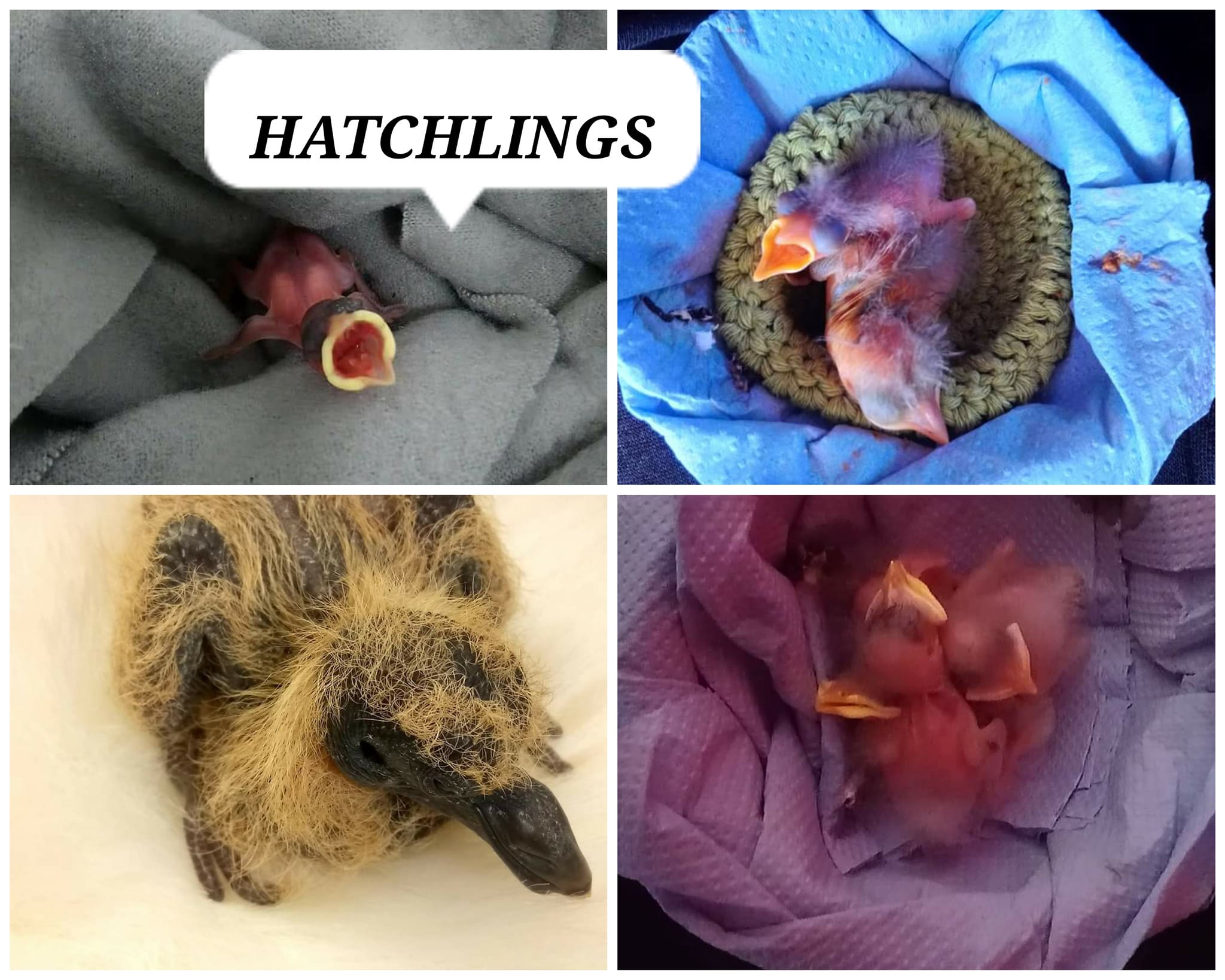
Hatchlings
Birds recently emerged from their egg at called hatchlings. They are often naked or just have a little downy fluff, with eyes sealed closed. They should not be out of their nest. If found on the ground, the nest has either: been predated, the parent has removed the baby because it’s unwell or weather events have caused the nest to become unstable.
Islanders are being reminded to never try to return these birds to their nest. They may be hypothermic, dehydrated or injured. Even if definitely unharmed, if returned to the wrong nest this would lead to death.
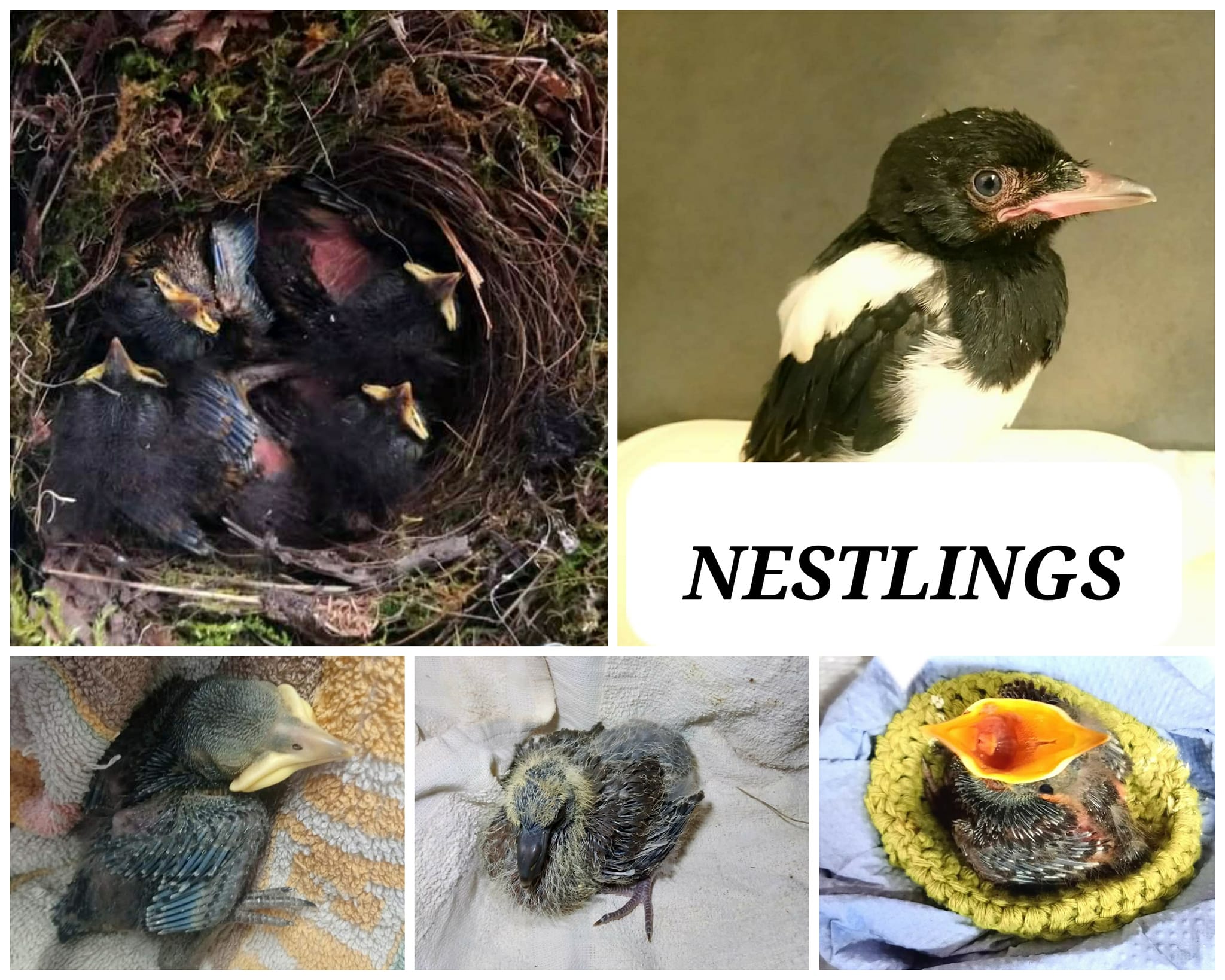 Nestlings
Nestlings are babies that vary greatly from being lightly pinned with feathers, to quite well feathered but still rely entirely on their parents for warmth and food.

If they are found out of the nest they have either been predated and could be hurt, parents predated and babies abandoned, removed from the nest because they are unwell or weather events caused the nest to become unstable. Robins, Wrens, Slylark, Dunnock and a few other birds often nest on the floor or near ground level.
Nestlings should not be returned to the nest unless you are sure they are out of the nest because of a weather event and if they are returned promptly. Others should be brought into care. They could be ill or injured and will likely be hypothermic, starved or dehydrated.
 Fledglings
Many species of bird will fledge to the ground and then be taught by their parents how to forage and encouraged to fly – these are known as fledglings. It’s an important step in their development.
IOW Wild Bird Rehabilitation take a slightly different stance to many when it comes to baby birds and especially fledgling birds – it’s what the organisation says is common sense.
Kay Ounsworth says:
“Think how many birds are nesting. Think about how many thousands of babies there must be, then think, how often do you see those babies? You don’t… or rarely.
“If you see a grounded fledgling bird that is not being guided to safety by parents, is not hopping or fluttering away from you frantically, is not trying to hide but instead is easily picked up without giving chase, then there is likely something wrong.
“If a bird is brought into care and deemed healthy, they can always be returned. It’s better safe than sorry”.
There are a few exceptions to the rules and it’s worth noting that pigeons and doves of any age should never be grounded. Fledglings leave the nest fully capable of flight but might rest for long periods on fences/branches. If they are on the ground and cannot fly they need help.
Quick guide to care for an injured bird:
1) Find a suitable sized box or container
2) Provide an external heat source
3) Place the baby in a makeshift ‘nest’ near a heat source
4) Contain the heat, ensure access to air
5) Do not feed or offer water
6) Do not directly cover or wrap up the baby
7) Get them into care ASAP