

















































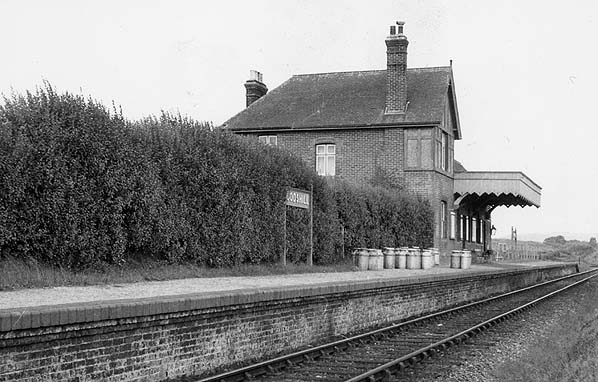

Godshill railway station served the village for just over 50 years before closing in 1952, leaving behind only memories and a surviving station building.
Godshill railway station was once a quiet but significant part of the Isle of Wight’s rural railway network, connecting a small, scenic village to Newport and, eventually, Ventnor. Though it closed more than 70 years ago, the station remains a marker of the way railways shaped local life in the late 19th and early 20th centuries.
Its story offers a glimpse of both the ambitions of railway companies and the rhythms of village life in a place that was already renowned for its thatched cottages, winding lanes, and historic church.


The Newport, Godshill and St Lawrence Railway was authorised in 1883 with the ultimate goal of linking Newport to Ventnor. Construction delays and financial difficulties meant that the line opened first to St Lawrence on 20th July 1897, with the final extension to Ventnor completed in 1900.
Godshill station was part of this initial section, providing villagers with a direct rail link to Newport and onward connections across the island via Merstone Junction, where it joined the main Sandown–Newport line.
From the start, the station was small and functional. It had a single platform, a station building providing a waiting room and ticket office, and a short siding for handling milk churns and other local goods. Freight traffic was modest, primarily agricultural: milk from local farms, coal deliveries, and occasional small produce consignments. Its scale reflected both the limited financial resources of the railway company and the rural nature of the communities it served. The station was never intended to be a hub, though it did offer an essential connection for those without other means of transport.
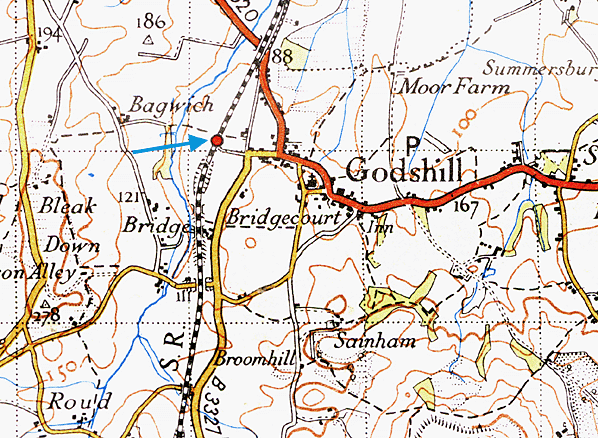
A significant factor affecting passenger use was the station’s location. Situated roughly half a mile from the centre of Godshill, passengers had to walk along quiet lanes, rising gently toward the village heart, where the church, cottages, pubs, and a handful of shops formed the focal point. While manageable in good weather, the distance could be inconvenient when carrying goods or in poor conditions.

When buses began stopping directly in the village in the 1920s, the railway increasingly lost potential passengers, as the road services were faster and more convenient.
Nevertheless, the station played a role in the life of the village for over 50 years. Schoolchildren used it to travel to Newport, shoppers and tradespeople relied on occasional market-day trains, and the station provided a link for villagers visiting friends or relatives elsewhere on the island. The half-mile walk, while inconvenient, was balanced by the charm of the journeys themselves: the branch line passed through open farmland, gentle valleys, and rolling countryside, offering views of the surrounding downs and glimpses of the island’s rural scenery.
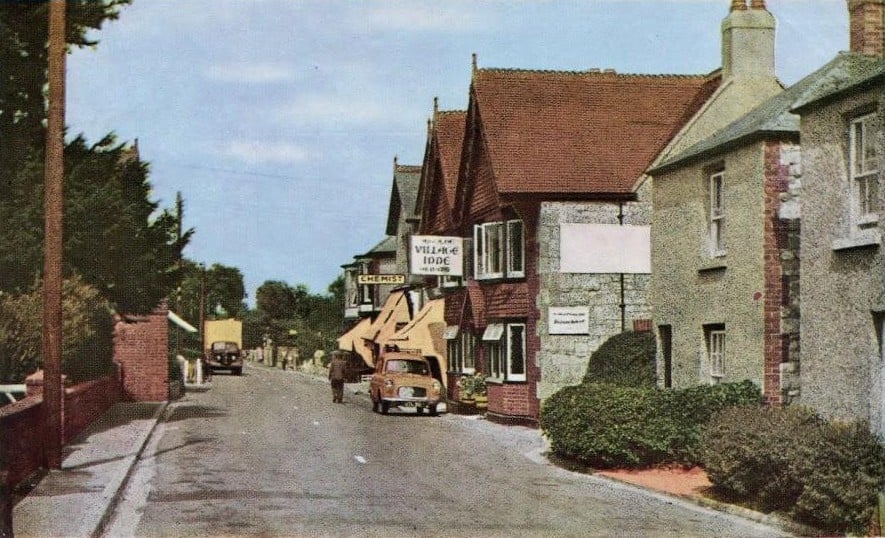
The station also allowed visitors to reach Godshill, which was already recognised for its picturesque qualities. The thatched cottages, twisting lanes, and ancient church made the village one of the island’s most photographed and admired settlements. Tourists arriving by train could enjoy the tranquillity and charm of Godshill, though the approach from the station meant a short walk to reach the centre, reinforcing the sense that Godshill remained a retreat rather than a place easily accessed by mass transport.
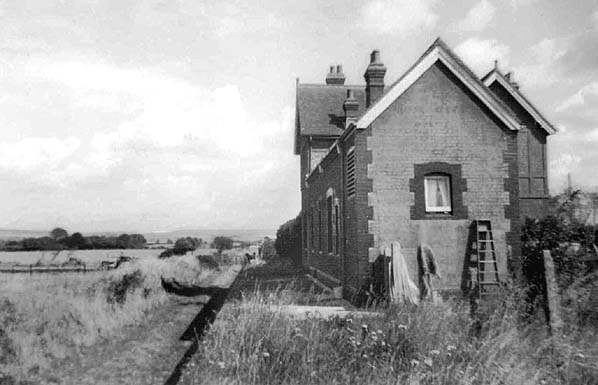
In 1913, the Newport, Godshill and St Lawrence Railway was absorbed into the Isle of Wight Central Railway, and in 1923 it became part of the Southern Railway during the national grouping of Britain’s railways. Godshill station remained a quiet rural stop under both companies, and by 1927 passenger numbers had declined to the point that the station was downgraded to an unstaffed halt, renamed ‘Godshill Halt for Sandford’. Tickets were then sold on the train, and the station building ceased to function as a staffed facility. Despite this, trains continued to stop on request, providing a limited but vital service to the village and nearby hamlets.
The rural nature of the line, combined with the station’s distance from the village, meant that traffic remained modest throughout its operational life. Freight continued to pass through the siding, particularly milk churns and small produce, while the service provided a lifeline for villagers without other means of transport. Yet the rise of buses and, later, private cars steadily drew people away from the railway, reducing its relevance and making its operation increasingly uneconomic.
Godshill station closed on 15th September 1952 along with the rest of the branch. Its loss marked the end of an era: for more than half a century, the station had connected the village to the wider island, shaping daily life in ways that are now only remembered. The station’s story — modest buildings, a half-mile distance from the village, and quiet rural service — reflects the typical experience of many small branch line halts across Britain.
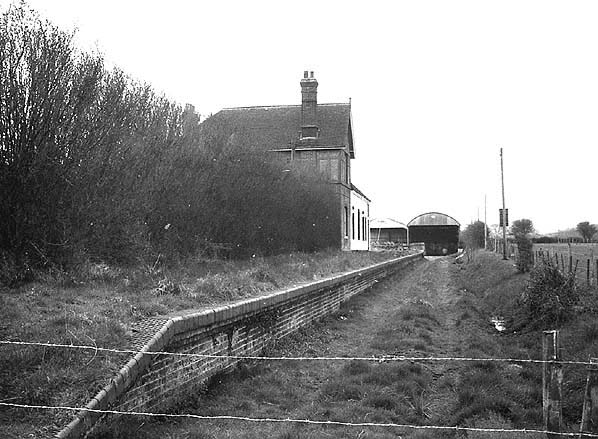
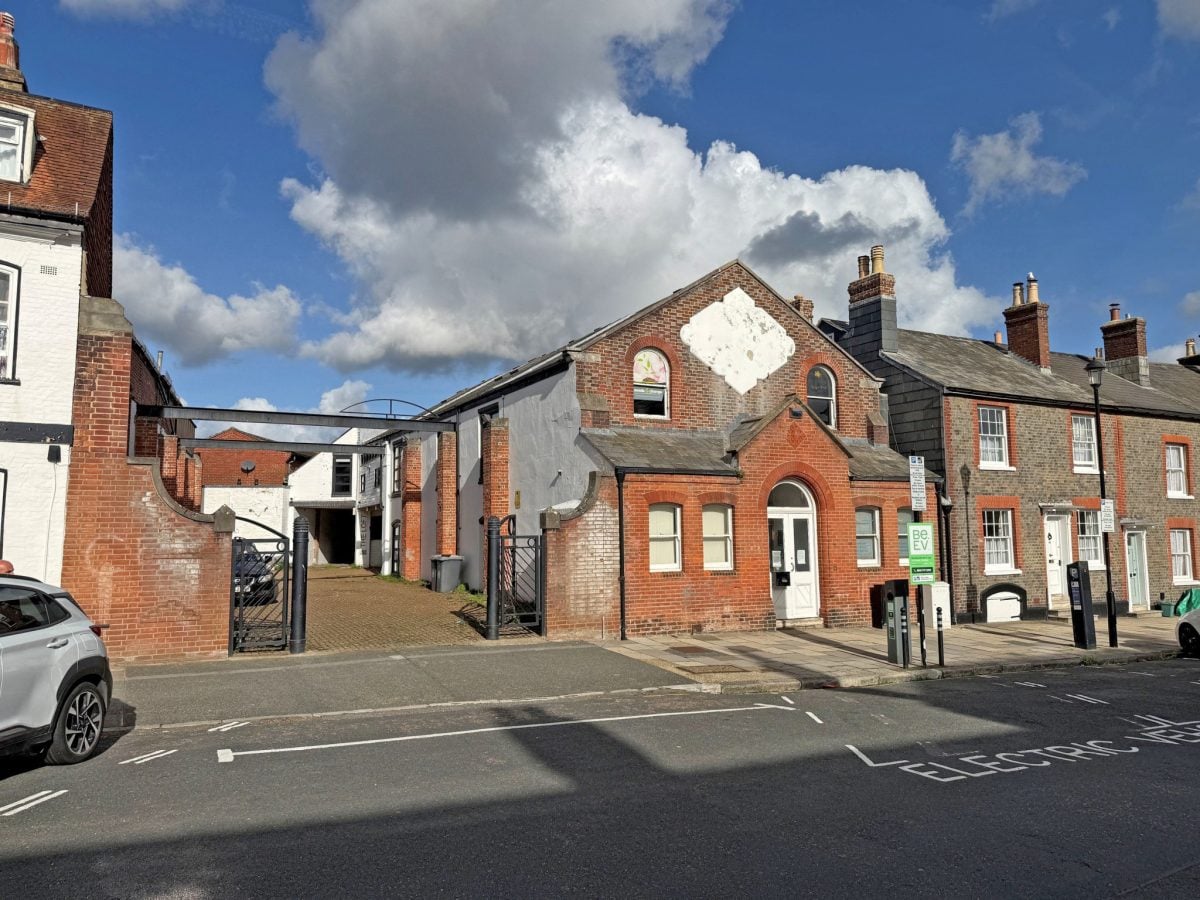
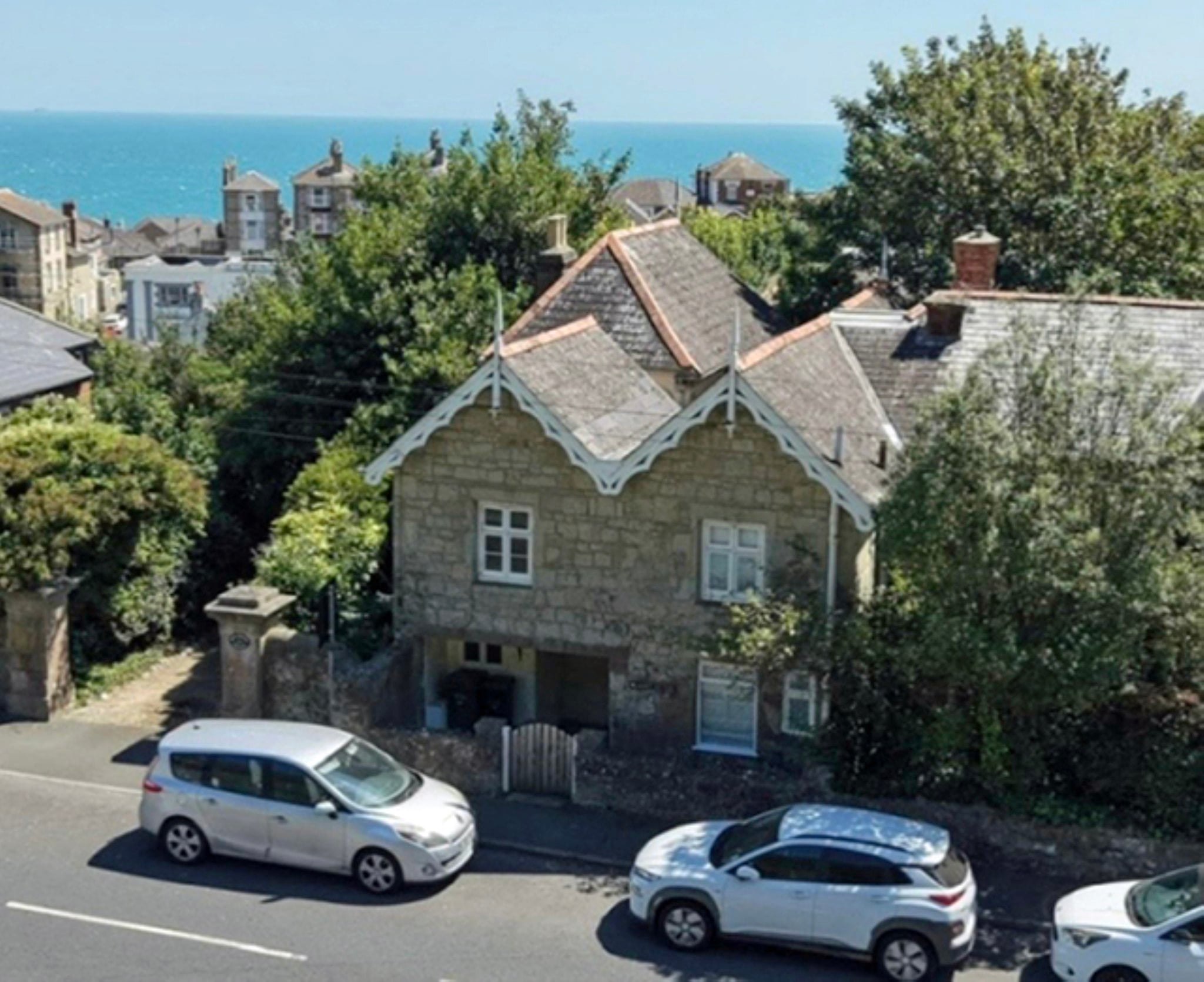
Today, the station building survives as a private residence, and the platform edge remains partially visible. Visitors can still imagine the short walk villagers once made to the centre, rising gently toward the church and the cluster of thatched cottages that have long defined Godshill’s picture-postcard character. Even without trains, the path hints at the connection the station once provided and offers a tangible sense of the countryside it served.
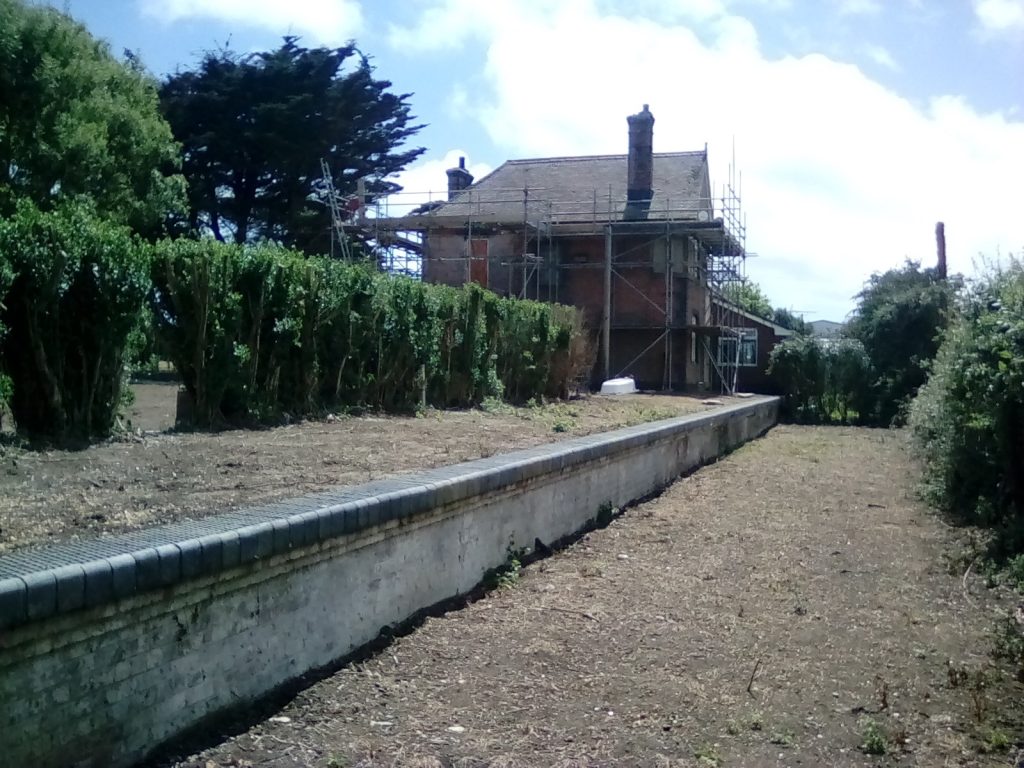
Godshill station was never a grand or busy place, but it mattered. Its presence, modest though it was, helped shape village life, supported local travel and commerce, and contributed to the enduring charm and heritage of one of the Isle of Wight’s most celebrated villages.








Time to re-open the railways.
Compulsory purchase the old stations,
job done.
Great for tourism and business and for the climate.
A bit pointless if tourism is declining ,too expensive too get here now that’s when the transport actually functions ,build a link too the mainland is more important
Another excellent article, Warren. I especially liked the map. Very evocative of rural life in Godshill.
Another excellent history article – thanks! Before moving to live on the Island in March 1955 we holidayed there ’49-’51 then ’53 and ’54 In that first date set, the owners of the place we stayed at in Shanklin used to drive us around quite a bit and often to Godshill – we loved the Essex Tea Gardens – anyone remember them? I had no idea that there was a train station or line there! I suppose that the walk mentioned in the article contributed to that. Yes, I too miss the old railways. I recall reading an article some years ago claiming that lines should stay open or be re-introduced (even if it cost) because railways tended to support ‘community’ far more than buses and definitely more than cars.