



























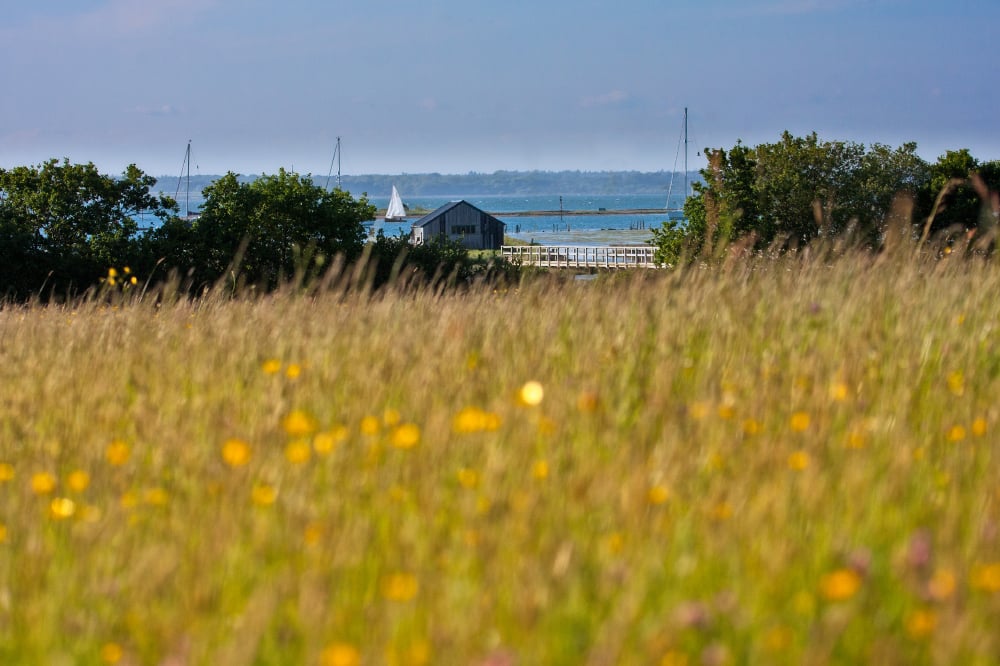









A key County Hall forum will decide on whether to approve a 5-year plan for the Isle of Wight’s nationally important landscape today (Wednesday).
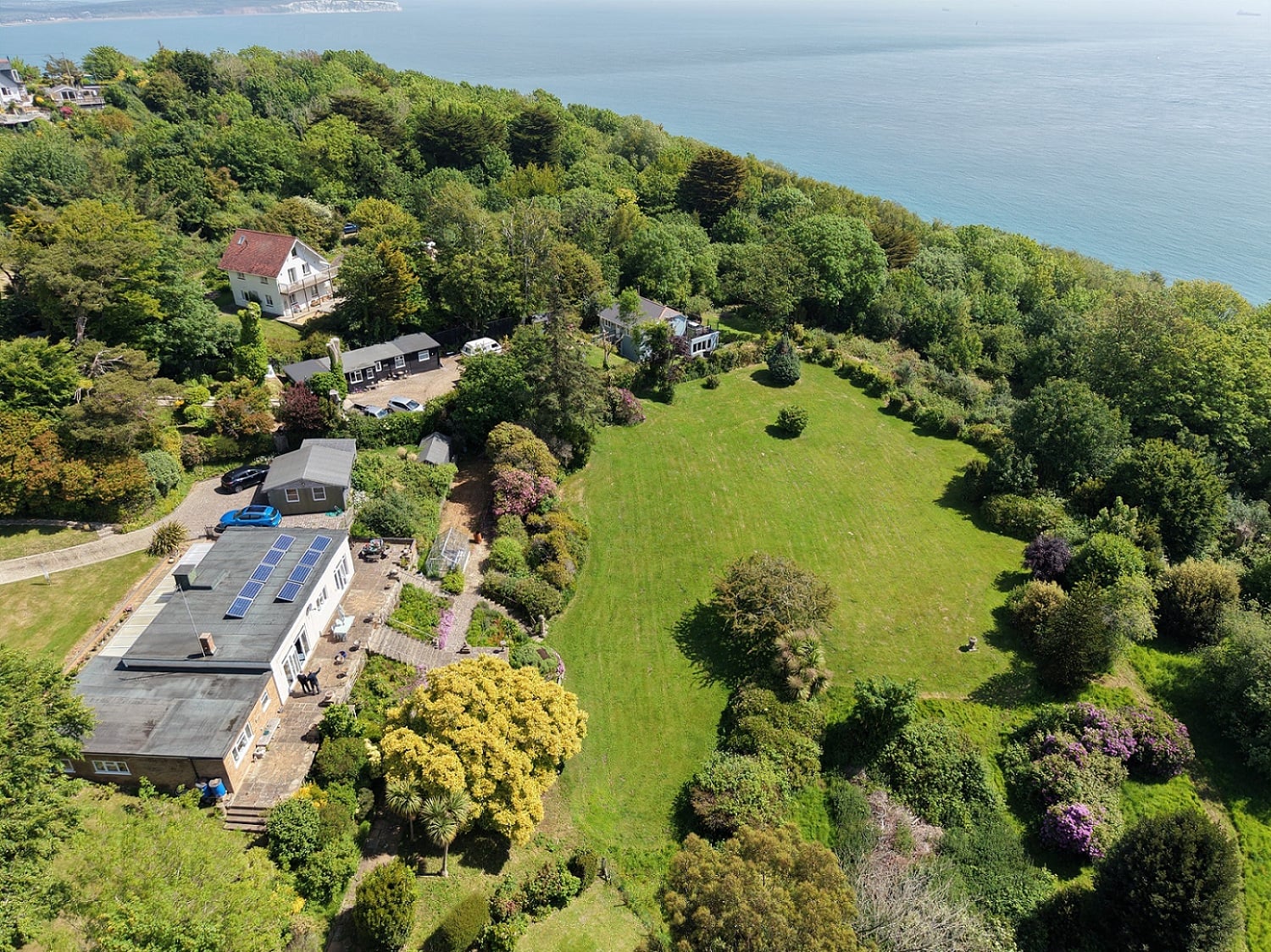
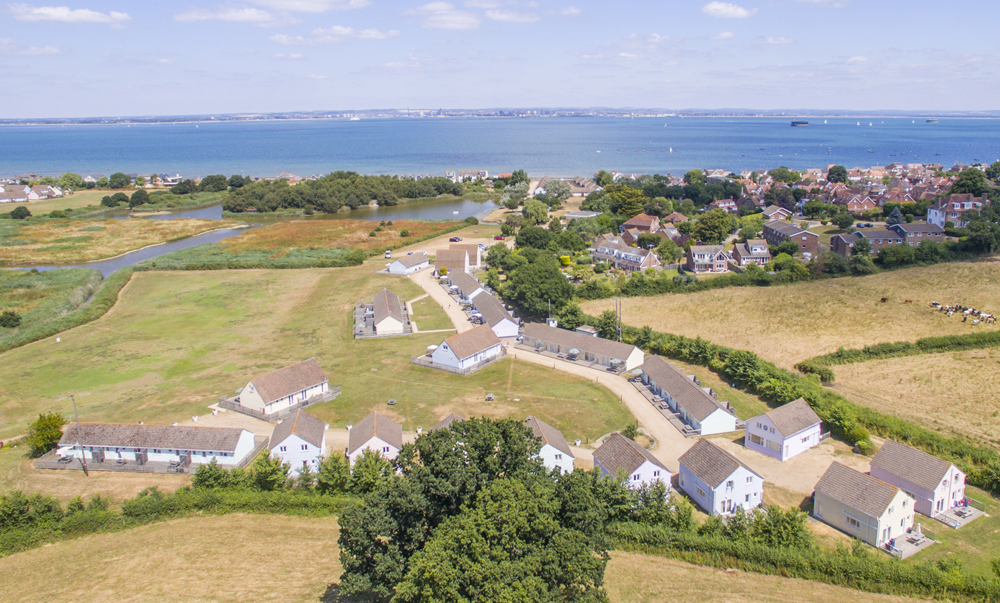
Full Council, a meeting of all 39 councillors, will vote on a 157-page management plan for the Island’s National Landscape, formerly called an Area of Outstanding Natural Beauty (AONB).
Along with national parks, AONBs are considered to be some of the finest examples of the British countryside and have special legal protections to conserve and enhance natural beauty.


The DEFRA-funded Isle of Wight National Landscape Partnership’s document sets out an introductory vision:
“Policies and the decisions taken, based on sound evidence around the natural and historic environment and landscape, have conserved and enhanced the special characteristics of the Island’s finest landscapes, giving the AONB a strong identity and ‘sense of place’.
“Anthropogenic climate change has, and continues, to take place in a way which threatens the conservation and enhancement the natural beauty of the area as well as the needs of local communities, rural businesses and the land use sector. Mitigation of these influences are an important part of this Plan.
“Farming and woodland management remain central to the continued conservation and enhancement of the beauty of the landscape.
“New technologies have been appropriately accommodated through careful consideration and mitigation for their impact upon the AONB, bringing economic and social benefits and retaining the intrinsic special qualities of the environment.
Article continues below this advertisement “Economic benefit has been brought directly to local communities through sustainable tourism and business activities.”
The plan is divided into 4 focus points: place, climate, nature and land use and people.
Linked to each of these areas are overarching aims including upholding the statutory purpose of the AONB, taking opportunities to enhance its landscape and seascape and promoting and raising awareness of the area.
Other priorities involve increasing understanding through guidance documents and publications, monitoring ‘forces for change’ that could affect the AONB and fostering rural economic development which conserves and enhances the landscape.
Geodiversity is the variety of rocks, minerals, fossils, natural processes, landforms and soils that shape the Earth.
- ‘Place’ relates to protected landscapes and coastal areas within the AONB, geodiversity, the historic environment and tranquillity and dark skies.
- ‘Climate’ includes climate change and mitigation solutions, minerals and soils, air and water and energy.
- ‘Nature and Land Use’ involves wildlife, farming and forestry and woodland management.
- ‘People’ divides into arts and culture, sustainable communities, the visitor economy and access and recreation.








The island is doing nothing for the climate
unlike other parts of the country.
Many places charge drivers of Dirty Diesels
50% extra to park their filthy beasts.
What is the point owning an Electric Vehicle
if all motorists are treated the same!
Is it time to ditch my EV for a dirty diesel!!
Modern diesels are probably cleaner than petrol versions. As for electric vehicles, you have to cover over 47,000 miles in one before the carbon produced falls below that of a fossil fuel one. And I drive a clean diesel.
Nissan leaf is the way to go.
Yet the council happily allows our beautiful island to be destroyed by evermore houses. they can’t have it both ways
Rather than keep building new homes they should do
up the derelict ones that are available.