



















































The family of a Ryde man who died more than 6 years ago has finally heard the outcome of his inquest at the Isle of Wight Coroner’s Court in Newport today (Monday), after not 1 but 2 NHS investigations found deficiencies with his care at St Mary’s Hospital.
Alfred Douglas Goddard – of Argyll Street in Ryde and known as ‘Doug’ – was just 54 years old when he was initially admitted to St Mary’s Hospital on Thursday 3rd August 2017 after he suffered a prolonged bout of diarrhoea.
Following his admission to hospital in Newport, his condition deteriorated over the weekend before he suffered a serious cardiac arrest on Sunday 6th August. It then took 25 minutes for him to be resuscitated, which caused further medical complications from which he never recovered. On 16th August 2017 he was transferred to the Mountbatten Hospice where he passed away 3 days later.


After he died, the matter was referred to HM Coroner who then ordered that a post-mortem be carried out which found the death to be from natural causes. However, Mr Goddard’s family raised concerns about his treatment and the Isle of Wight NHS Trust launched a Serious Incident investigation.
This internal investigation was led by Dr Michael Terry who was asked to review Mr Goddard’s care between the time of his admission to St Mary’s and his subsequent cardiac arrest. Alarmingly, in his 2018 report, he found that if Mr Goddard’s care had been different, then he may have survived. In particular, he criticised staffing levels, inadequate record keeping and ward staff being unwilling to escalate concerns to senior doctors.
However, the Isle of Wight NHS Trust then rejected his findings and asked for an external investigation to be carried out. It was at this point that the Coroner paused the inquest while the 2nd investigation was carried out and which was finally submitted on 23rd March 2019.
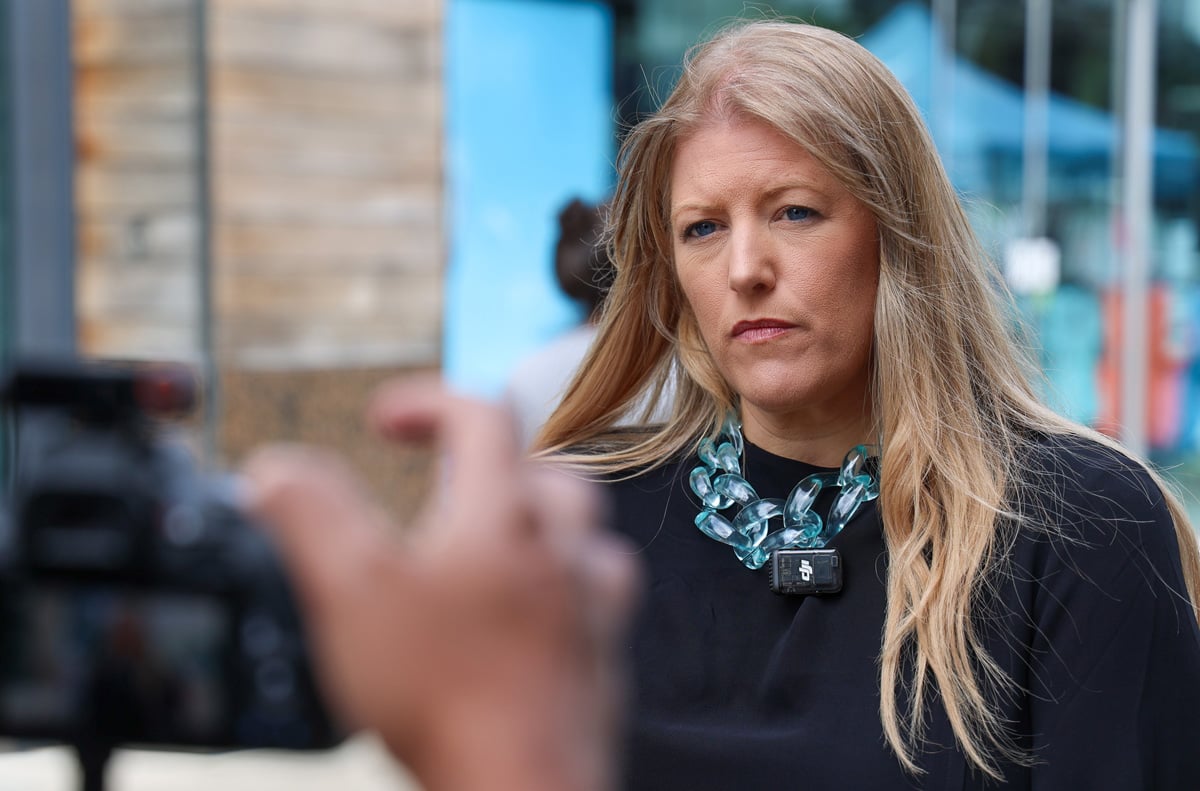
HM Coroner Caroline Sumeray said in court that this was the 1st time she had encountered a case where a Trust had requested an internal Serious Incident investigation and then rejected its findings in order to get a 2nd external investigation.
Asking Mr Terry why he thought that the Trust had rejected the report, Mr Terry replied:

“The Trust thought I was too candid in my findings.”
The subsequent report by Dr Chris Roseveare also found overall deficiencies in the time between Mr Goddard’s hospital admission and cardiac arrest saying that the care was below the standard he would consider to be reasonable.
However, he concluded that different management would not have avoided the same outcome and that, while the death was possibly avoidable, it was less than a 50% chance of being so.
It was acknowledged in court that around the time of Mr Goddard’s death, the Isle of Wight NHS Trust went through a ‘rocky phase’ and was placed in ‘special measures’ for around 4-and-a-half years but that it was now rated as ‘good’ after major improvements were made.
Present at court were Mr Goddard’s widow along with his sister, who said:
“It’s appalling that my brother had to die. Why weren’t these basic levels of robust monitoring and nursing care in place?”
Summing up, Ms Sumeray said that she had considered whether neglect contributed to Mr Goddard’s death but had concluded, on the balance of probabilities, that there was no ‘gross failure’ by medical staff. She therefore recorded a verdict stating that Mr Goddard died of ‘natural causes’.
Mr Goddard’s widow described her husband as her closest friend for over 28 years who she had lost prematurely in a ‘banal set of circumstances’ following the hospital’s ‘casual approach’ to his care.
The length of the inquest was extraordinary due partly to the circumstances outlined above – as well as the effects of the pandemic – but the average wait for grieving families on the Isle of Wight is still among the longest in the country, as previously reported by Island Echo.











I’m appalled by the care received by my mother during the pandemic. The ‘care’ on the ward she was on was disgusting and as we couldn’t see her it went from bad to terrible very quickly. She couldn’t speak up for herself. After much debate and constant questioning and asking and calling we got to see her by which time she’d been moved to another ward. She’d been left in a room in her own and the state of her was shocking! I’ve not experienced pain and disappointment like it in my entire life, seeing a loved one in such despair. Sadly she never really recovered from it all, or returned home and died in care months later. It was all unnecessarily so as her original diagnosis was never confirmed or resolved.
So so sad