















































 2 Islanders who suffered cardiac arrests outside of the hospital, but beat the odds to fight another day, have met the paramedics who saved their lives.
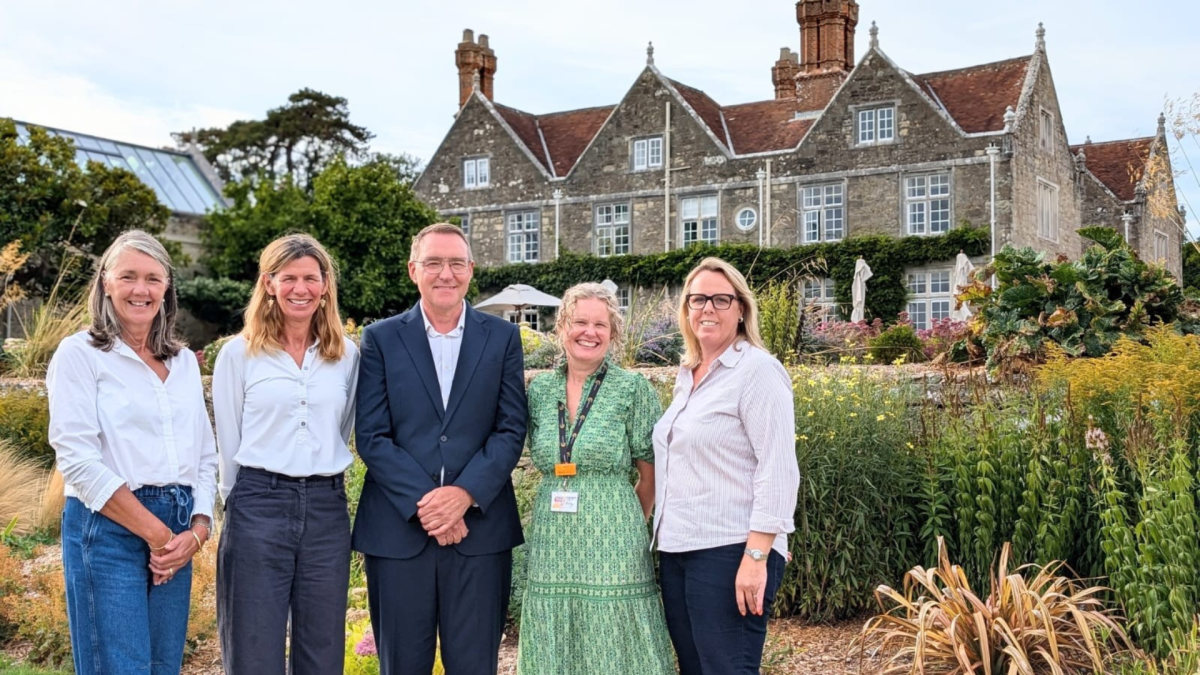
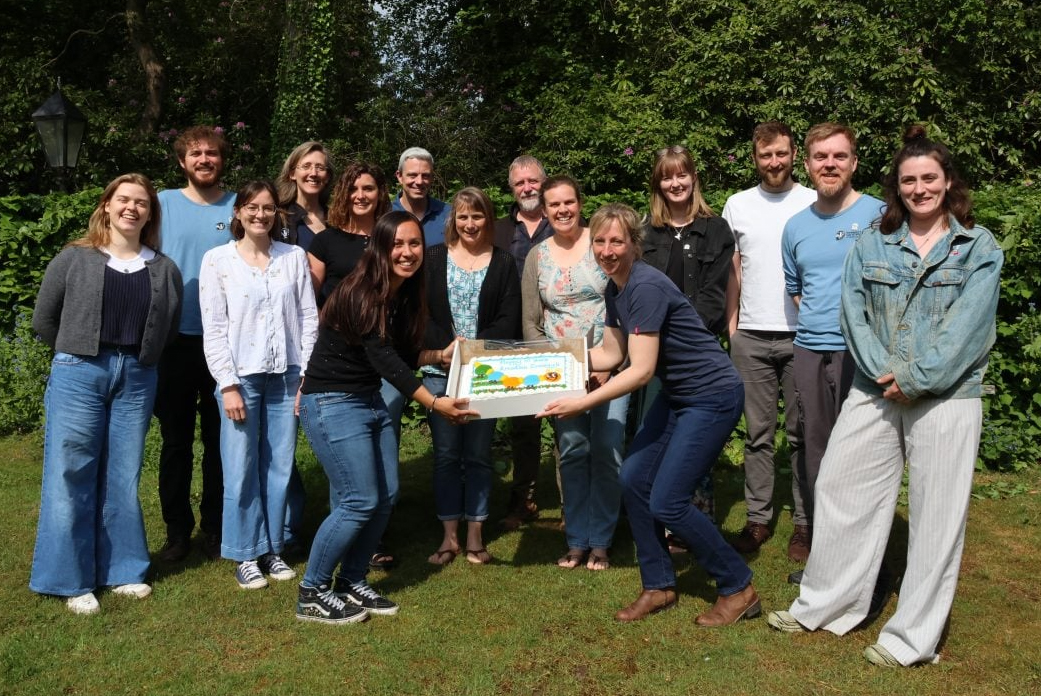
Families gathered at St Mary’s Hospital yesterday (Sunday) to mark Restart a Heart Day, giving them an opportunity to meet the paramedics who gave them another chance at life.
Survival rates from out-of-hospital cardiac arrest remain worryingly low in the UK, with fewer than 1 in 10 people surviving.


Each year, an alliance of partners from all over the world come together to increase public awareness of cardiac arrests and increase the number of people trained in life-saving Cardiopulmonary Resuscitation (CPR) through organising and facilitating training events.
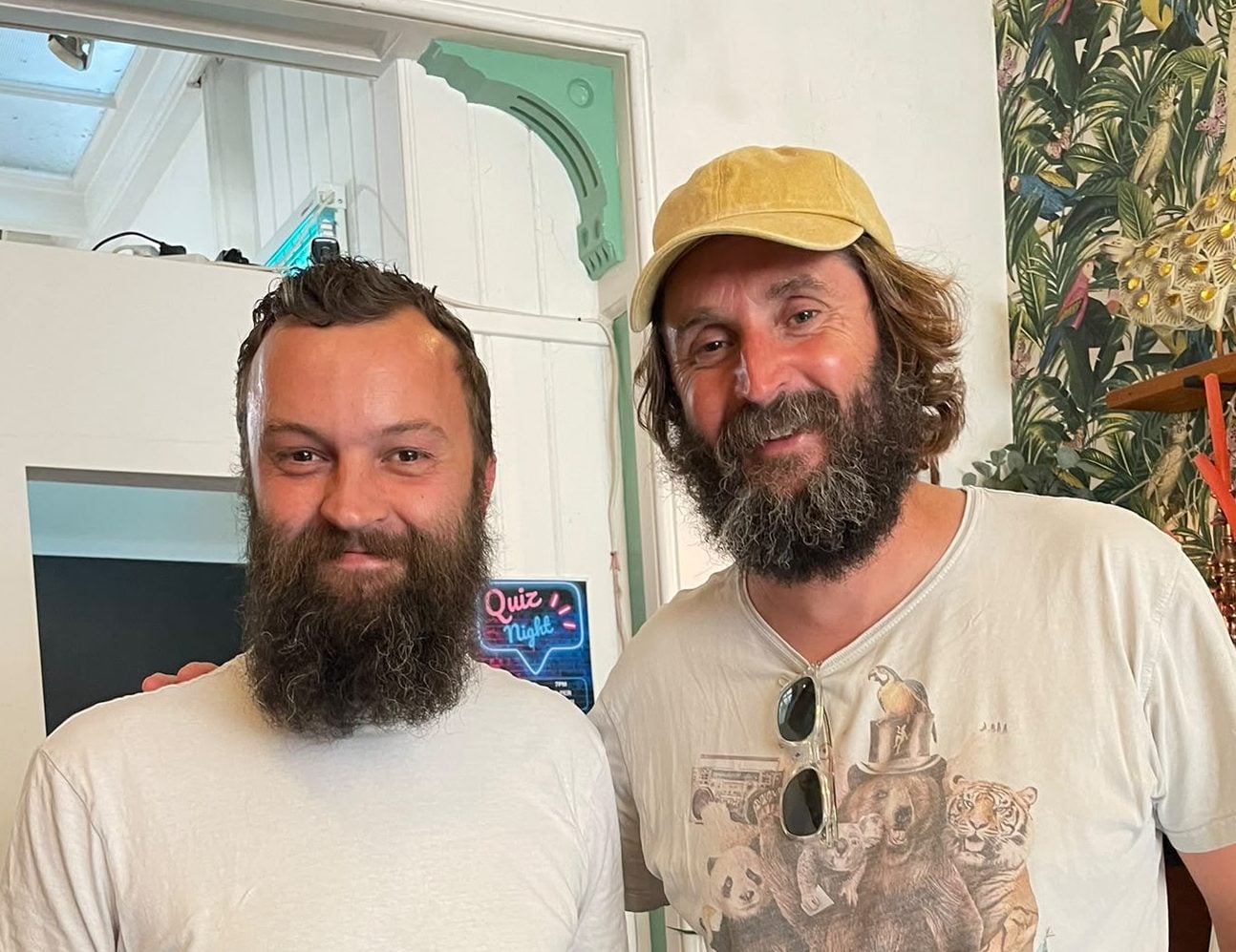
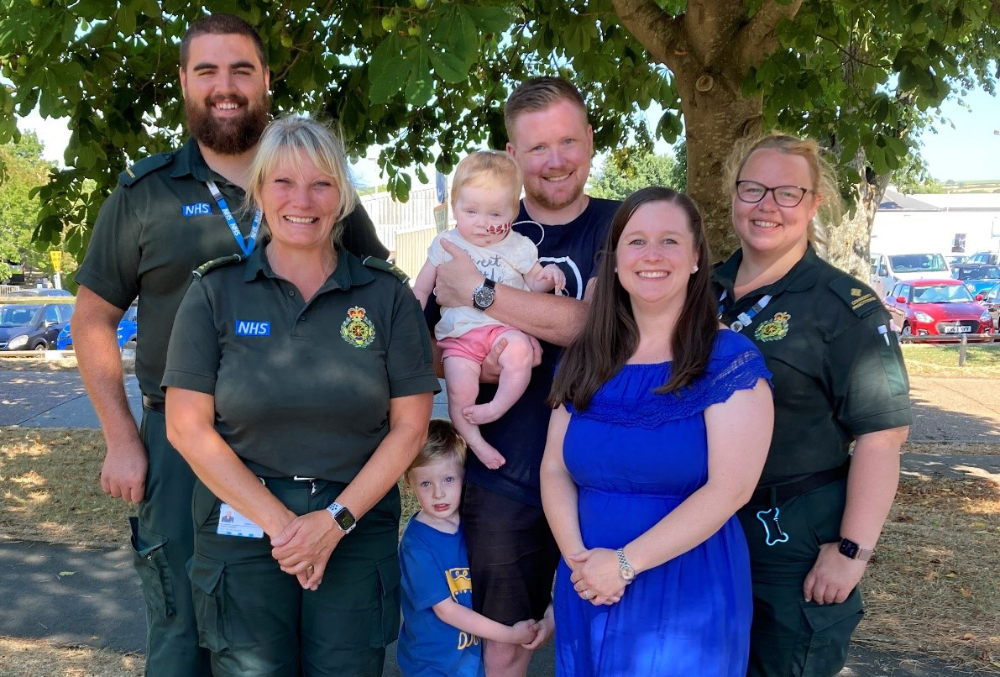
Layla West was just 9 weeks old when she suffered a cardiac arrest in November last year. Almost a year on, Matt Colson, who was the first paramedic to attend the scene, has been able to meet Layla and her family.
Matt said:
“It was incredible to see how well Layla was doing. If filled me with joy to see her smile and interaction with her doting brother. She is doing fantastically well, and I am acutely aware that this is a result of the efforts of the whole system, from early CPR to specialist hospital care as well as the recovery process and hard work from her parents.
“My immediate response was able deliver lifesaving treatment and it fills me with great pride to know that my actions had a direct and positive impact on the outcome of this incident.”
Article continues below this advertisement

Layla’s Mum, Clare, said:
“We are so grateful for the expert skills and fast response from the paramedic team. Layla may not have been with us today if it wasn’t for the efforts of the emergency services and hospital team.”
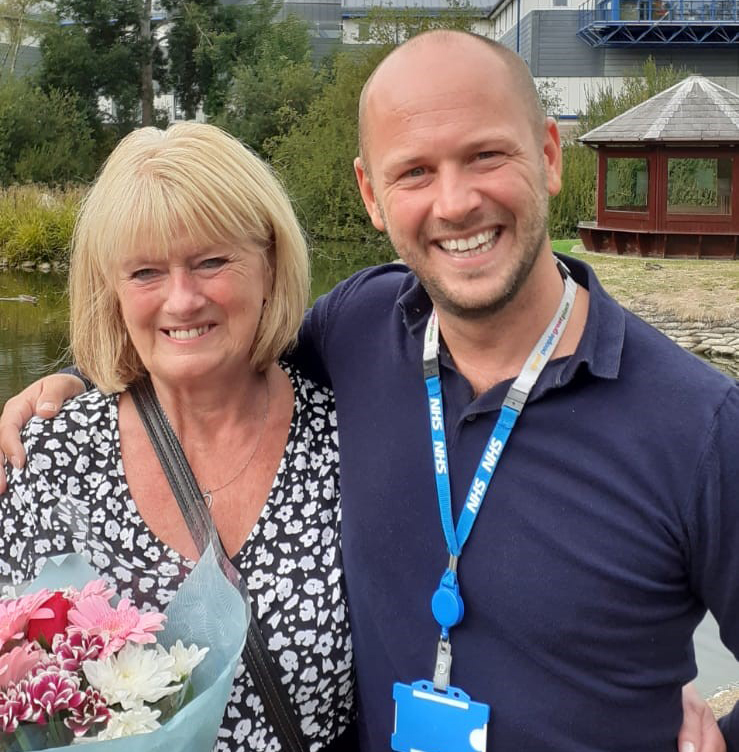
Angela Wright was 74 years old when she suffered a cardiac arrest at her home. Her husband had to give CPR under direction from control room operators.
Jason Hall, Specialist Paramedic, was the first paramedic on scene. He said:
“I feel privileged to be part of the team who helped Angela survive an out of hospital cardiac arrest. To come face to face with someone who’s life you helped to save is a very surreal and heart-warming experience.
“It’s very rare for pre-hospital staff get to see the raw emotion of those we have helped following their recovery. Being able to meet Angela again and to see how well she had recovered made me feel an immense sense of pride.”
Angela Wright, cardiac arrest survivor, said:
“I survived thanks to the outstanding care that I received. Starting with the 999 responder who guided my amazing husband through the first stage, next came Jason the paramedic first responder, without whose excellent skills I wouldn’t be here today and then the ambulance crew who assisted Jason in fighting for my life.
“I was then taken to St Mary’s Hospital and the next team who continued the life-saving treatment, from there I was taken by the Air Ambulance to the QA hospital at Portsmouth for the final part of my treatment.
“No words can express the gratitude that my family and I have for all those concerned and thanks will never be enough, we are all so very lucky to have you all.”
Louise Walker, Ambulance Education, Training & Engagement Lead, has said:
“Reuniting families such as Angela and Layla with the Ambulance Crews that helped to save their lives was wonderful, this is one of the best parts of my job.
“One of the worst parts however is knowing that a cardiac arrest victim’s family will soon be told their loved one is no longer alive when the outcome could possibly have been different if there had been someone trained in CPR on the scene.
“If everyone could spare a small amount of time to learn CPR, one day it could make a big difference and save a life.”
The Isle of Wight NHS Ambulance Training and Community Response Service (ATCoRS) team has been busy delivering CPR training and defibrillator awareness sessions to hundreds of Year 6 children across the Island as part of their pledge to make every child a lifesaver.