























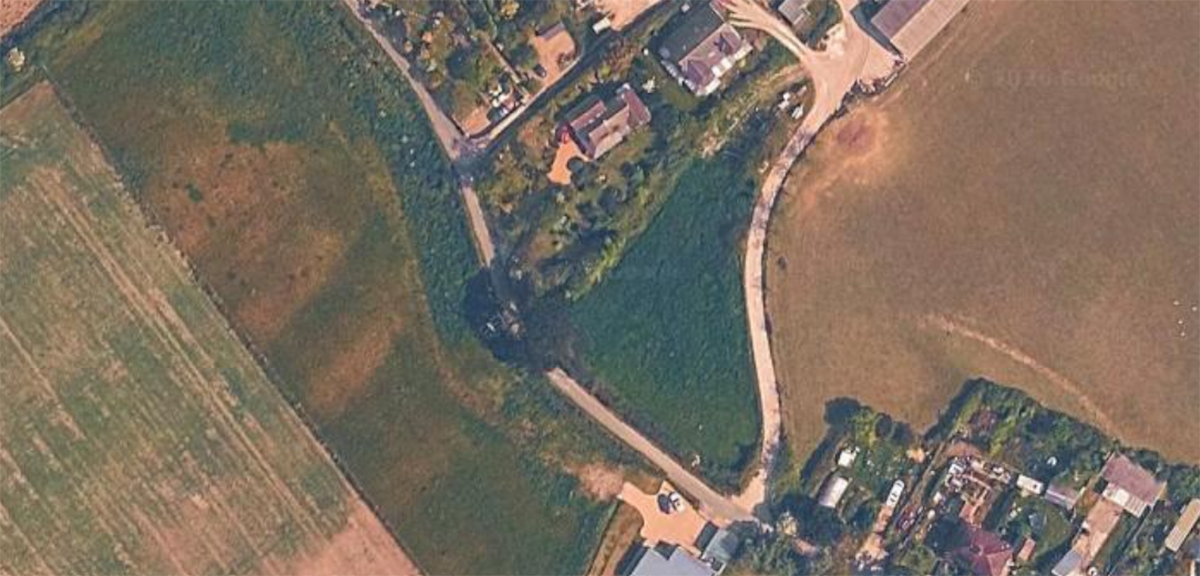
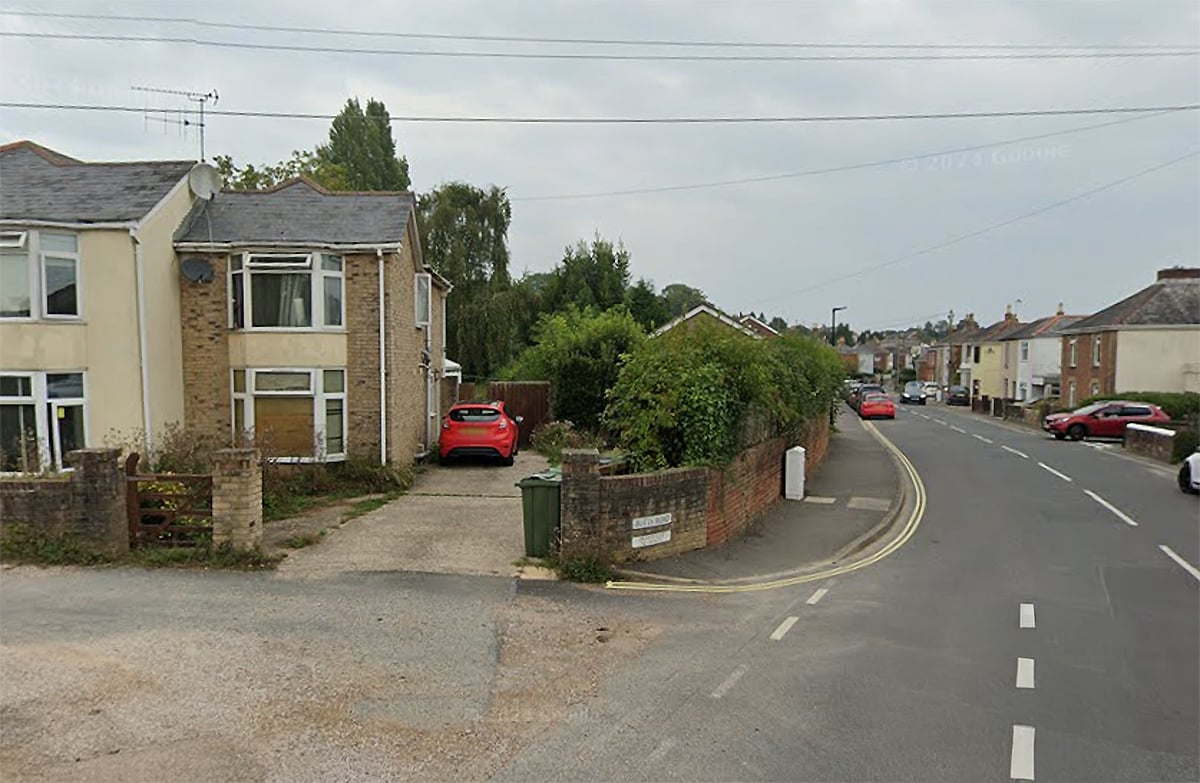


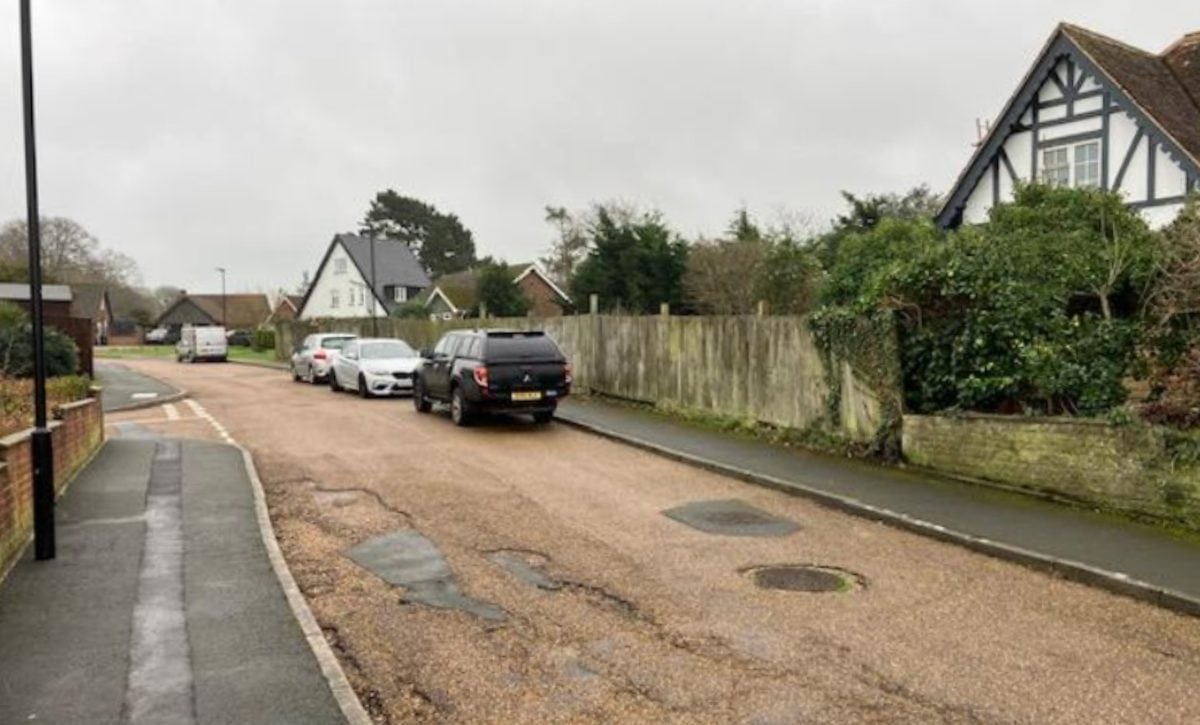



























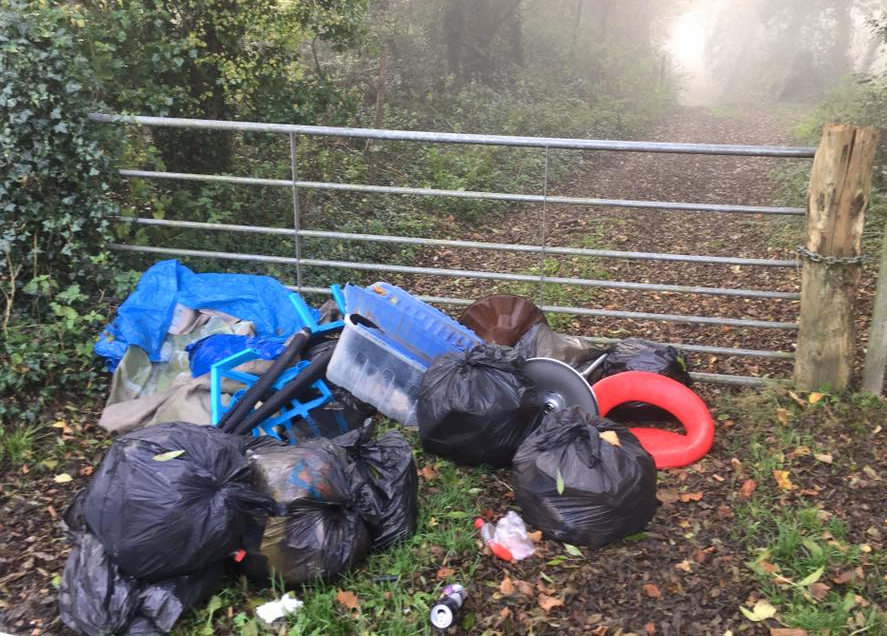

 New figures show the number of fly-tipping incidents remains alarmingly high, with nearly 1 million cases recorded by local authorities in a single year.
Out of 997,553 fly-tipping incidents nationally in 2017/2018, just 137 vehicles were seized (down from 197 in 2016/2017), and out of 2,243 prosecutions, 1,938 fines were imposed, most commonly between £200-500.
The true figures for fly-tipping are likely to be significantly higher, however, as the latest statistics do not include incidents on private land, where the landowner has responsibility to oversee the clearance and cost for waste removal. The Country Land and Business Association (CLA) estimates it costs a farmer or landowner an average of £844 to clear up each incident.


Businesses and landowners are now calling for stronger enforcement of legal action to help combat the fly-tipping that is blighting the countryside.
CLA South East represents thousands of landowners, farmers and rural businesses in Kent, Hampshire, Surrey, Sussex, Berkshire, Buckinghamshire, Oxfordshire and the Isle of Wight.
Regional Director Robin Edwards said:
“The reality is that overall, the true figures are considerably higher than these latest official statistics, as many incidents go unrecorded and unreported. Private landowners are liable for any waste dumped on their land and are fed up of having to clear up other people’s mess, and paying for the privilege.
“It is vital that more prosecutions are brought forward successfully to encourage people to do the right thing and dispose of their rubbish through proper legal channels. Councils must send a clear message to fly-tippers that they will face financial consequences.
Article continues below this advertisement “But to really combat this crime against the countryside we need to see tougher penalties which act as a true deterrent. Imposing and enforcing stiffer penalties which better reflect the seriousness of the crime is crucial, along with seizing the vehicles used to fly-tip.”

Meanwhile the CLA welcomed an independent review published earlier this week that identified fly-tipping as a key element of serious and organised waste crime. The review mirrors a recommendation put forward by the CLA in its five-point action plan to tackle fly-tipping by calling for a Joint Unit for Waste Crime (JUWC) to tackle the most serious cases.
Mr Edwards added:
“It is good to see the review recognises the importance of working collaboratively to tackle this anti-social behaviour. We advocate the appointment of a tsar to co-ordinate with national agencies, monitor the scale of the problem across both public and private land and benchmark enforcement performance.”
Click here to read the CLA’s five-point action plan for how to tackle the blight of fly-tipping in full.