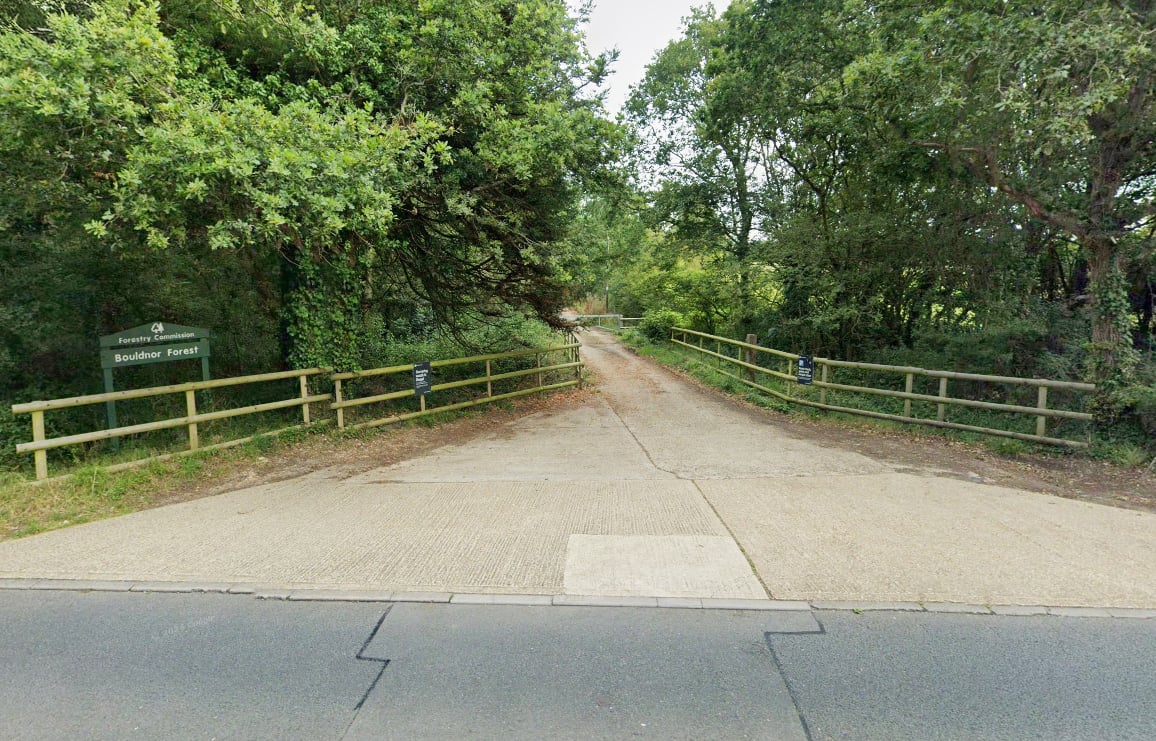
































































The ongoing row over plans for overnight accommodation in Bouldnor Forest will reach County Hall tonight (Wednesday), with councillors asked to challenge what campaigners say is a loophole that allows development in sensitive landscapes without normal planning scrutiny.
Shalfleet Parish Councillor Jonathan Hill has renewed his criticism of the system Forestry England and its commercial partner, Unyoked, are using to pursue accommodation within the woodland.
The proposals, first revealed earlier this summer, have faced opposition from Shalfleet Parish Council and the Bouldnor Forest Group over concerns surrounding wildlife, wildfire risk, noise, lighting and the use of a Caravan Exemption Certificate.


Councillor Hill says the Isle of Wight National Landscape has refused permission for the proposal under Paragraph 5 of the Caravan Sites and Control of Development Act 1960.
According to Councillor Hill, the organisation concluded that Bouldnor Forest was unsuitable for unsupervised overnight accommodation and raised concerns about lighting, noise, unrestricted access and wildfire risk.
He also claims it concluded that the placement of units by Unyoked would breach exemption conditions and that the development should instead require planning permission.
As previously reported by Island Echo, Forestry England unveiled plans for cabins at Bouldnor Forest in July as part of its partnership with accommodation company Unyoked.
Opposition subsequently grew, with campaigners raising concerns about protected and rare wildlife said to be present within the woodland, including red squirrels, nightjars and great crested newts.

Earlier this month, Shalfleet Parish Council escalated the matter to DEFRA, seeking an investigation into the exemption certificate, clarification of statutory responsibilities and a review of monitoring and compliance arrangements.
Councillor Hill now claims Forestry England has said the scheme is driven by income generation and says a Habitat Regulations Assessment, which he says Forestry England claims to have submitted to Natural England, has not been disclosed.
He has also criticised Natural England’s oversight of the exemption system.
According to Councillor Hill, Natural England has confirmed in writing that it does not check whether applicants for exemption certificates are genuine, verify information submitted, police the use of certificates or monitor compliance.
The parish councillor has, however, defended Isle of Wight Council planning officers, saying they are constrained by existing legislation and cannot act until physical development takes place or a planning breach becomes evident.
Concerns about wildfire remain central to the campaign against the proposals.
Councillor Hill says wild campers were found with a campfire in Bouldnor Forest around 10 days after the wildfire at Headon Warren had been extinguished.
He claims Police were notified but did not attend because of other urgent demands and says the Police and Crime Commissioner is now investigating.
The Bouldnor Forest Group previously told Island Echo it had reported overnight wild camping involving campfires and barbecues within the woodland.
Councillor Hill has also criticised DEFRA and Dame Angela Eagle over what he describes as a lack of response to correspondence from Shalfleet Parish Council.
He says Isle of Wight West MP Richard Quigley has acknowledged correspondence relating to the issue but has not provided a substantive response.
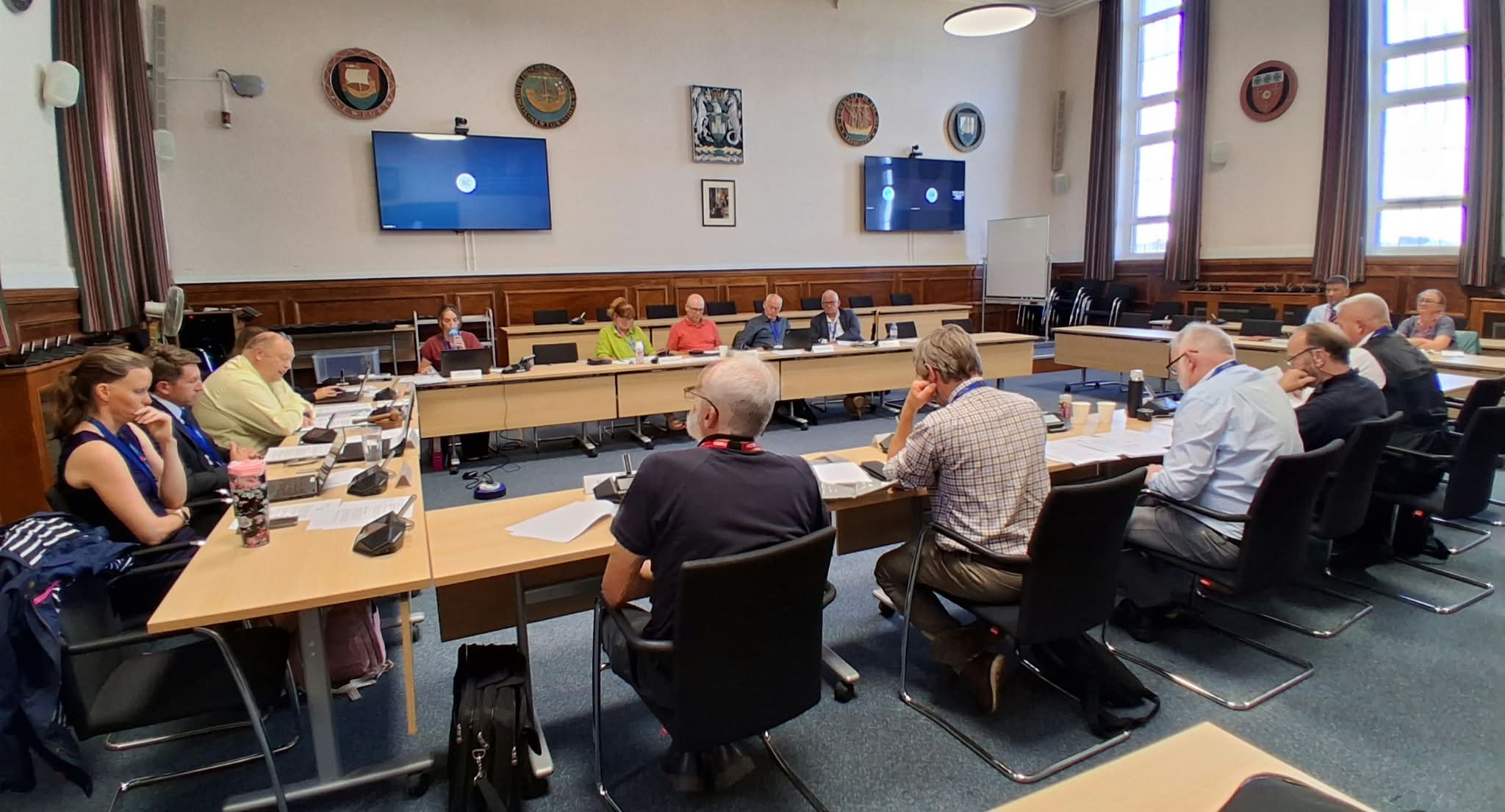
Attention will now turn to County Hall, where a motion from Councillor Andrew Garratt is due to be debated by Isle of Wight Council tonight.
The motion calls for council officers to challenge the alleged misuse of the 1960 Act, make legal representations, engage with Government and Parliament and seek to ensure developments of this nature face appropriate planning and environmental safeguards.
Councillor Hill says Shalfleet Parish Council, the Bouldnor Forest Group, Councillor Debbie Conlin and senior Isle of Wight Council planning officers have been among those working on the issue.
He argues that the wider controversy raises questions about how developments in environmentally sensitive areas are scrutinised when exemption legislation is used instead of the conventional planning process.