



















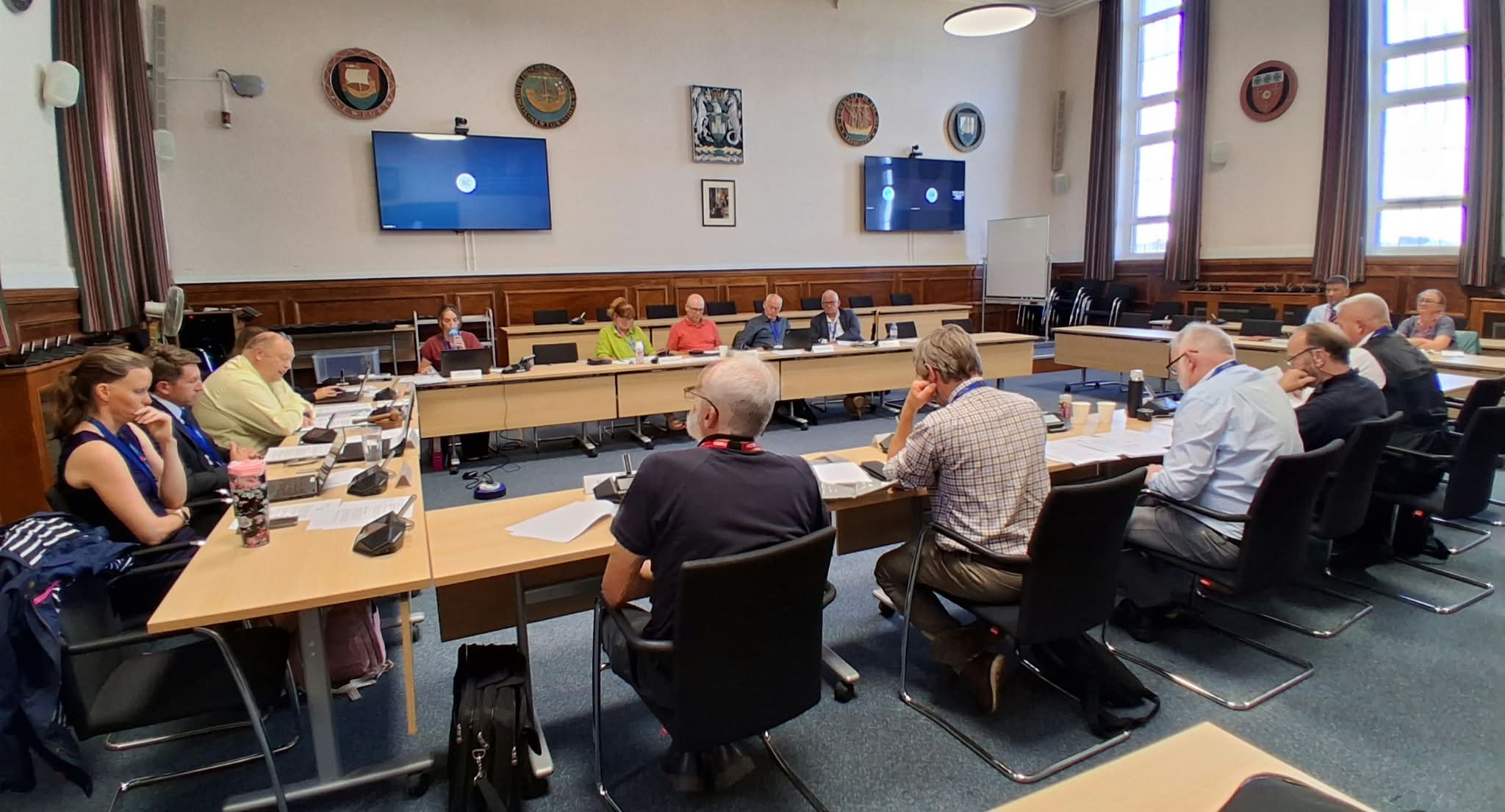












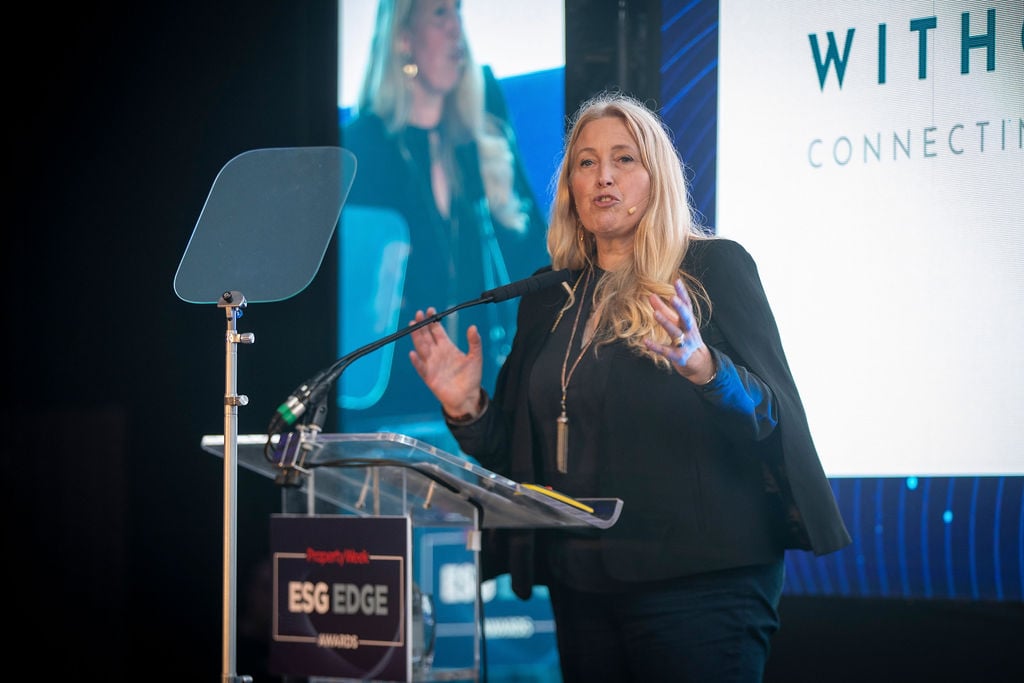














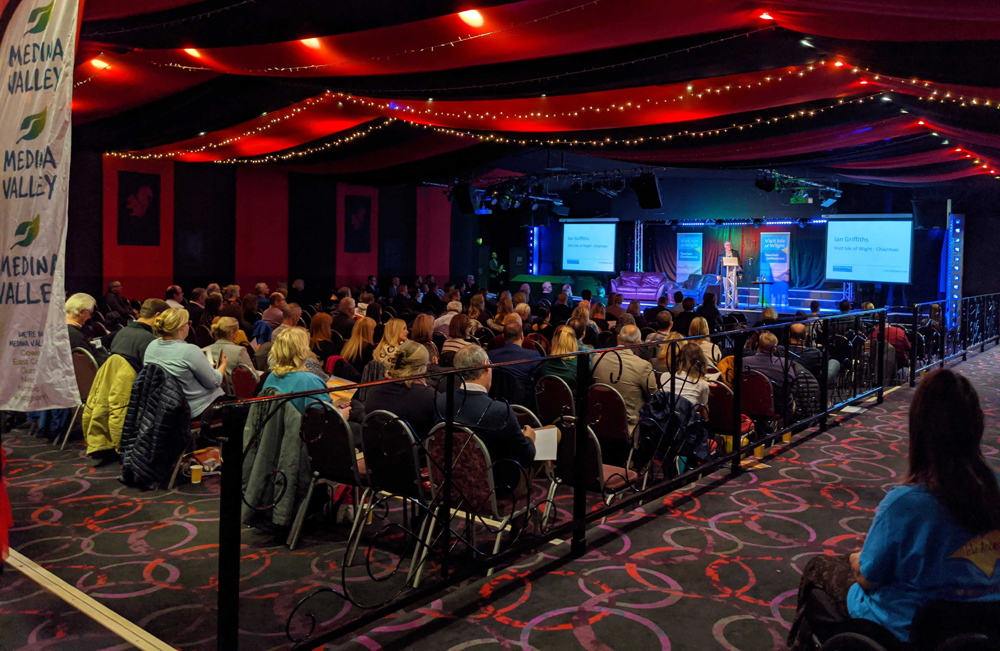

 Visit Isle of Wight (VIOW) held its annual tourism conference at Lower Hyde, Shanklin on Wednesday, with Tom Stroud as compere.
Will Myles, Managing Director of VIOW, gave an overview of the 2020 marketing creative for the Island. Next year’s campaign will be a subtle development of the current model, with more emotive subjects employed in the new version.
Will stressed that the Island had a number of outstanding and unique attractions such as Osborne House, Cowes Week, the Round the Island Race and now, SailGP. He pointed out that tourists’ holidays started as soon as they stepped on a ferry.


Now, the Island can boast the accolade of being a UNESCO Biosphere Reserve, one of only a few in the whole country. Food and drink will feature heavily in the advertising campaign while potential visitors will be invited to discover that the Island is the perfect antidote to mainland life.
Will was amused when he read that results in one survey showed that the Island had no beaches and he said that misunderstanding needed to be addressed in the 2020 advertising. London Underground and railway stations would probably be targeted again for adverts.
John Heather, senior agent on the Island for NFU Mutual Insurance, gave a presentation on cybersecurity. Cybersecurity poses a larger threat to businesses than terrorism, with 20% of small businesses falling victim, claimed John. In fact, there are some 10,000 cyber attacks every day, and the hospitality industry is the fastest growing area of this criminal activity.
South East England experienced the second-highest incidence of cyber attacks by criminals. Many of these involve phishing with some very carefully put together and individually targeted and known as spear phishing.
Other cyberattacks to look out for involve ransomware involving malicious threats for money and Point of Sale scams involving the targeting of victims’ cards. Typically, this activity occurs over a Bank Holiday weekend, just when those in tourism are most busy. Rogue software is brought into use on the Saturday and removed late on Monday leaving no evidence until the innocent party’s bank make a call.

Dark Hotel is a relatively new scam whereby criminals pose as hotel guests only to target the hotel’s Wi-Fi to steal data and identity details.
John concluded by saying security is not only an IT matter, but all staff must be made aware. After all, disgruntled or dismissed staff can cause havoc.
Other speakers covered various topics of interest to the tourism sector and there were workshops for conference delegates to take part in. Several tourism businesses had stands and displays including those promoting ‘Green’ transport.