











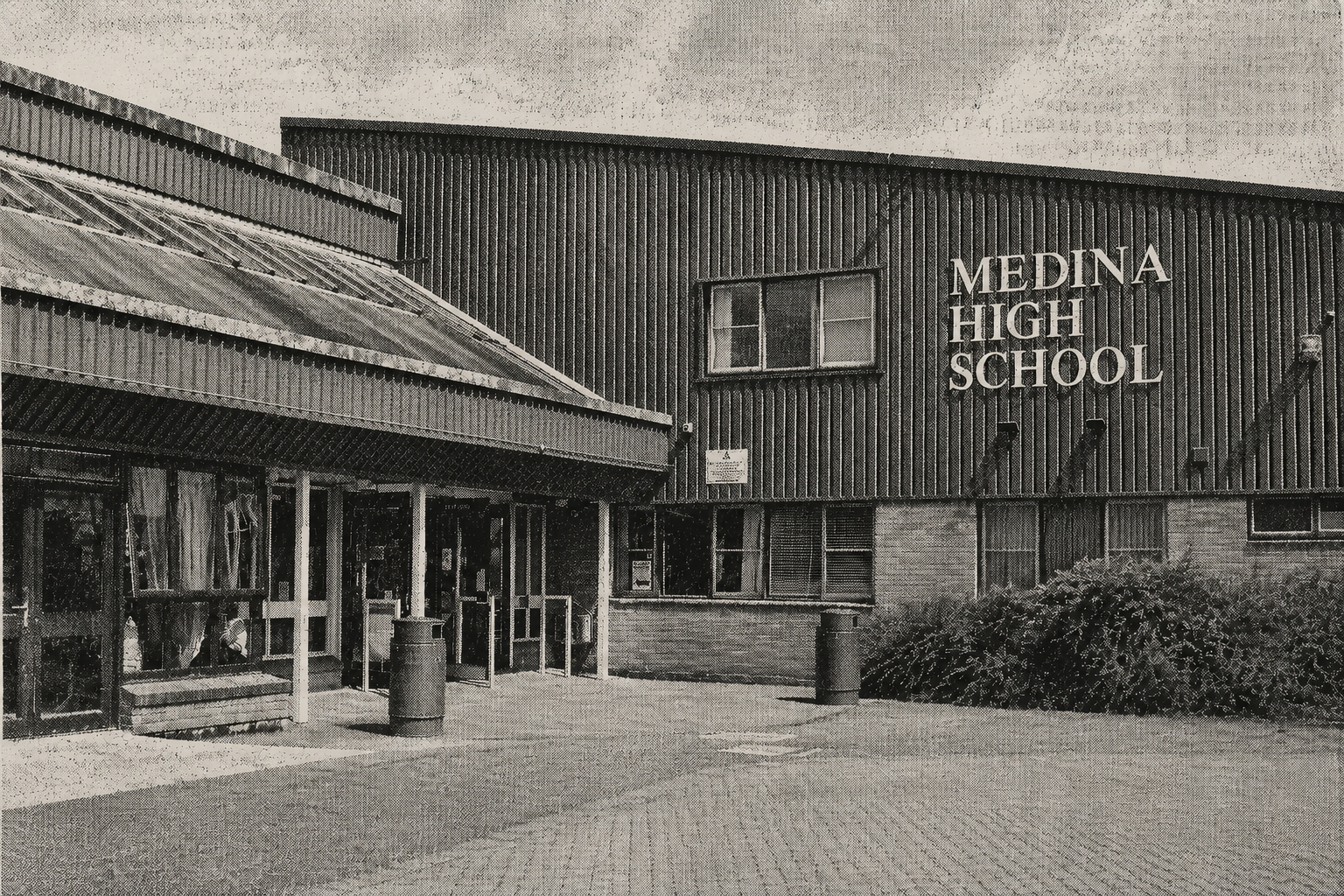


































 Schools across Hampshire, the Isle of Wight, Sussex and Kent are playing their part in preventing the region’s sewage system from taking on too much rainwater too quickly – by installing water-slowing technology for classroom roofs and playgrounds.
Almost 50 schools are set to take part in this innovative new £1.6million project, jointly funded by Southern Water and the Department for Education. The project aims to remove or slow the flow of excess rainwater runoff from hard surfaces.
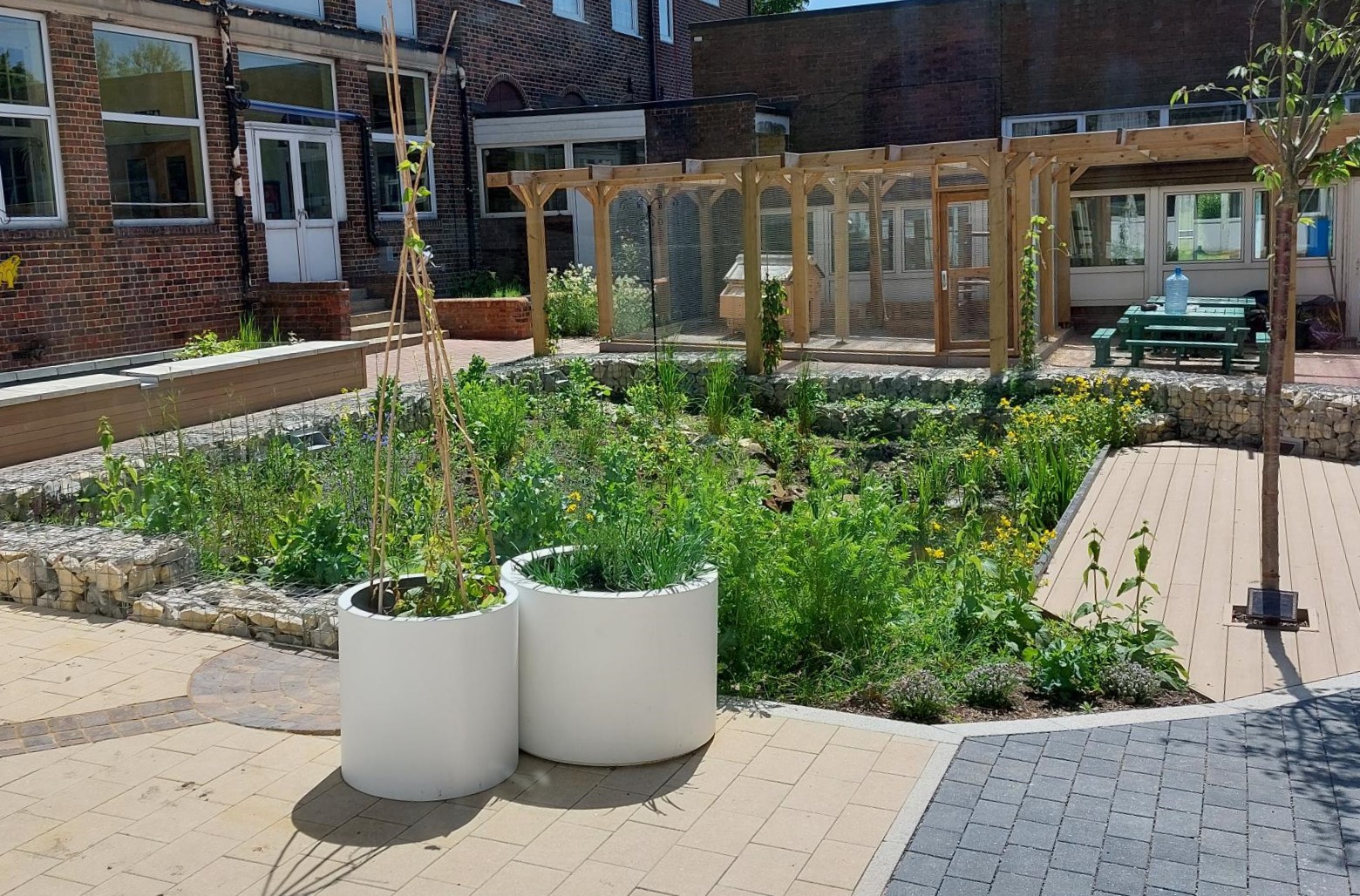
Sustainable Drainage Systems or SuDS will be installed, including a mixture of rain harvesting and nature-based systems, such as rain gardens and rain planters. All are designed to slow the flow of surface water into the existing combined sewage systems during periods of heavy or prolonged rain.


When there is more rain than the system can handle, it can lead to localised flooding, and the use of storm overflows into rivers and the seas via combined sewer overflows (CSOs) – the pressure release valves that are designed to work to avoid flooding to homes, schools and businesses.
Nick Mills, Head of Southern Water’s Clean Rivers and Seas Task Force, says:
“We are delighted to be working with the Department for Education in delivering this major project in helping schools with sustainable drainage and slow-the-flow measures.
“Rainwater runs into the sewage network which can overwhelm the system and lead to storm overflows further down the line. We know these are not acceptable and are working hard to significantly reduce them, and a key element is working with partners like schools and local authorities to improve the collective drainage system holistically.”
A Department for Education spokesperson has said:

“Our work with Southern Water to protect schools from potentially damaging and disruptive flooding will be hugely valuable – both in preserving buildings and facilities, but also children’s education. The project also creates a unique educational opportunity for pupils to engage in the importance of saving and protecting water, and the impact of doing so, as we all work to do more for the environment.”
Work to install SuDS will start in the New Year and will be carried out by the charity Groundwork South.








Rather than address the obvious reason we have so much water run off, which is from the huge amount of extra homes being built in the UK, many of which will cater for the massive influx of newcomers from abroad. Who are the ones who have the most offspring, meaning future building will only ever increase and add to the issues.
Our waterboards toy with a few schools, but the huge amounts of once beautiful green fields, woods and scrub, a natural soakaway, is covered by tarmac, concrete and tiles to house vast amounts of people who shouldn’t even be here.
Yet as the race card is now more powerful than common sense or fact, we all have to pretend to blame, anything and everything else but, Politicians are afraid to say the truth.
Can you share the data to validate your opening paragraph?
Of course they can’t. Ivy is one of a bunch of far-right extremists who regularly subvert any article into a platform for their xenophobic hate.
Yes, you research how many acres school buildings cover in the UK, then you add up how many people who have ‘chosen’ to come here to better their life have arrived in the last decade alone. So as few live in tents, eventually all gain a home, with a roof, in a road, taking such from indigenous people, so YOU add that acreage of tile, slate, tarmac, concrete up and it will be vastly more than a few school rooves.
So you share the data of the trifling sum of water captured from the rooves then compare the two.
In your blinkered eyes newcomers can do no wrong, cause no harm, and are beyond blame, yet you are wrong.
We have a right to be here and the UK coped before inorganic population growth amounts arrived
But it is OK for the UK to got into other countries, and start up businesses for our benefits, we have multiple multi billion pound businesses in Africa, the diamond trade and oil trade, we have none over here so go over there and rely whst isn’t ours, maybe if we left things like thst to where they where originally from, people then would maybe be happier to stay where they are.wait till putin drops a bomb on us, then we will see how many from this country will make a run for it to the next safe place, no different from what must of these people are doing coming to the UK.not all of them are Sponges, some are just trying to get away from death, and get there children to safety
It is a fact that all of the population growth on the Isle of Wight is in those aged over 65. It is YOU who are afraid to say the truth.
Are you one of those who moved here to retire, Ivy?
It is also a fact that if you speak to many of those who have come here to make the Island their retirement home, that they did so to escape from Cities, towns
and villages that they no longer felt, or were, safe in, where they then felt the outsider due to droves of newcomers arriving and changing their lives for the worse that they up sticks and move here.
So indirectly of course mass incomers have added to people moving here far more than ever before.
I wish you would take in an unvetted family and see honestly how you fair.
Not your responsibility?, nor have the room?, nor can afford to?, nor feel uneasy of differing cultures and religions getting on?. Well, ditto, ditto, ditto, ditto and ditto for the UK residents too,.
So very true Ivy, one of the best posts seen on the Echo.
Well said, and don’t be put off by the few who cannot validate their desire to repel in war time those outsiders who wish to change the way of life in our country forever, yet happily allow in those whom arrive without weapons (yet often seem to find some soon after), and change our culture for ever by stealth.
In 2011, there were 61,100 households with at least one resident on the Island, and by 2021 this had risen to 64,800 households with at least one resident (figures are rounded to the nearest 100).
perhaps val, you should look at the census data and iow population figures which are readily available online where the above can be verified – it is even on the IOW councils website.
the above shows that Ivy’s assessment of the extra homes being built. In ten years the island has increased the above figure by 3,700 homes.
what does that tell you – less green areas for water run off and much more pressure on the existing sewage system.
In reply to Ivy, I agree building for the sake of building there are lots of places for sale why are they not bought before building more, also the number of gardens paved over for car parking, add to the problem.