














































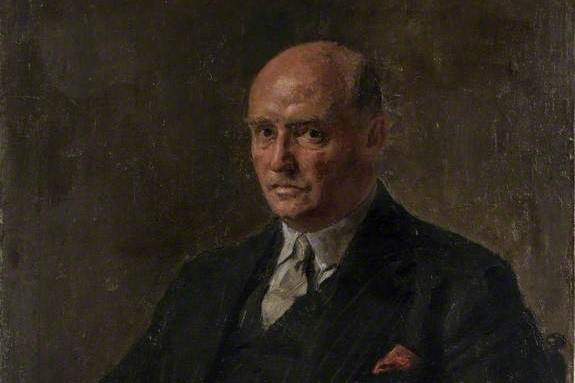

Cowes-born Sir Arthur William Street – one of the most powerful figures behind Britain’s air war during the Second World War – died 75 years ago today on 24th February 1951, aged 58.
Arthur William Street carried immense responsibility throughout WWII as Permanent Under-Secretary of State for Air, the senior civilian official at the Air Ministry. While RAF aircrew fought in the skies over Britain and occupied Europe, Street worked at the nerve centre of the nation’s air war, helping to direct strategy, intelligence and production during a conflict in which air power proved decisive.
The Royal Air Force was central to Britain’s survival, from the Battle of Britain through the bomber offensive against Germany and the preparation for D-Day. As secretary to the Air Council, the RAF’s governing body, Street was involved in decisions that shaped the conduct of the war in the air.


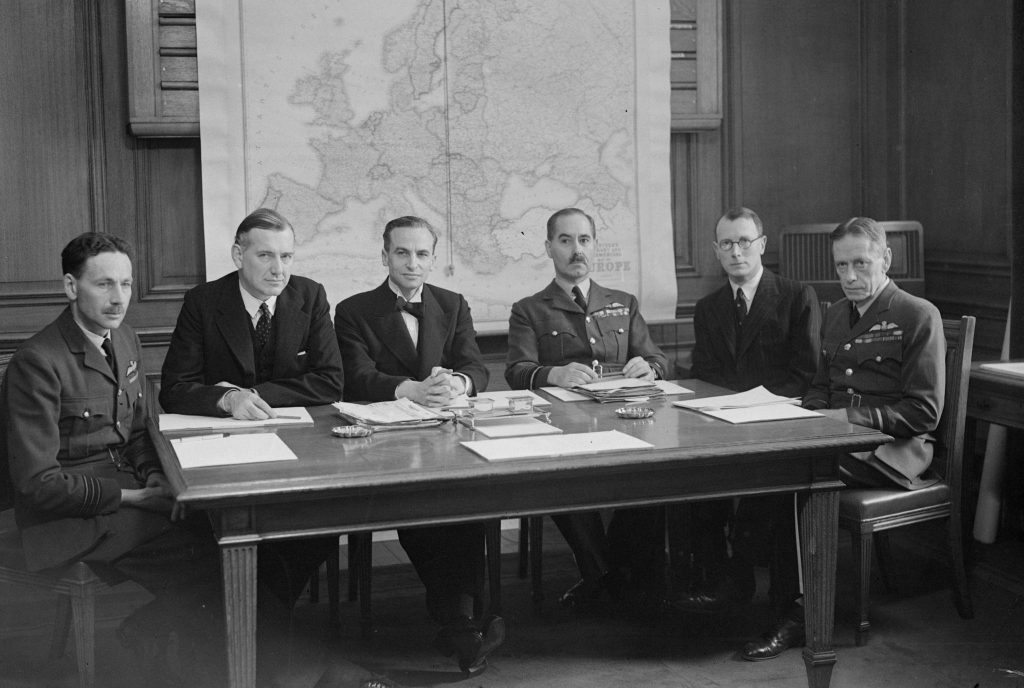
Street’s understanding of enemy capability was such that he was widely regarded as Britain’s foremost civilian authority on the Nazi air force. After the war, The Times observed that at the Air Ministry he carried a load which few other men could have borne.
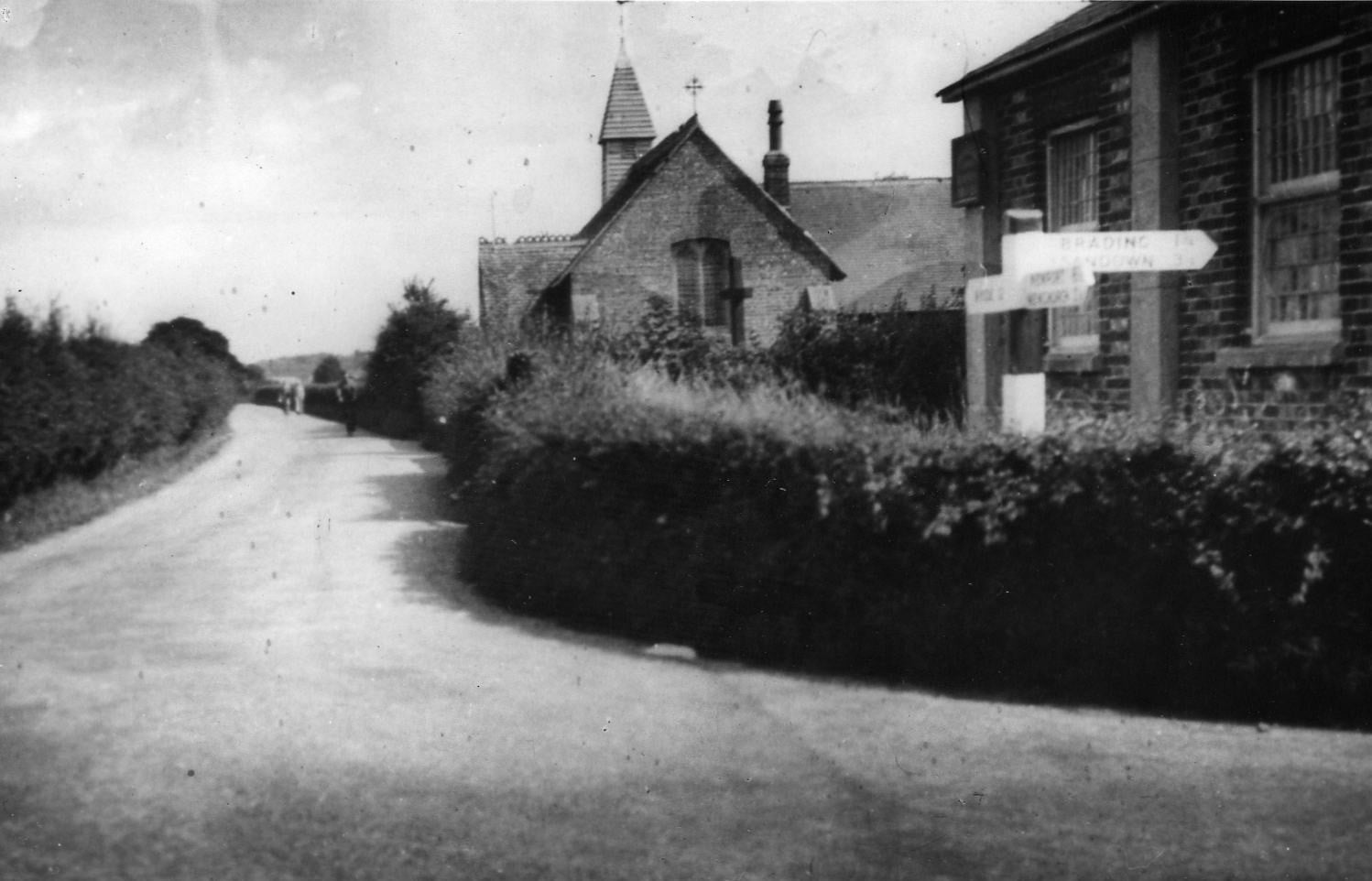
Street’s authority in wartime rested on personal experience of conflict. Born in Cowes on 16th May 1892, he was educated in Sandown before studying at King’s College, London. His studies were interrupted by the outbreak of the First World War.
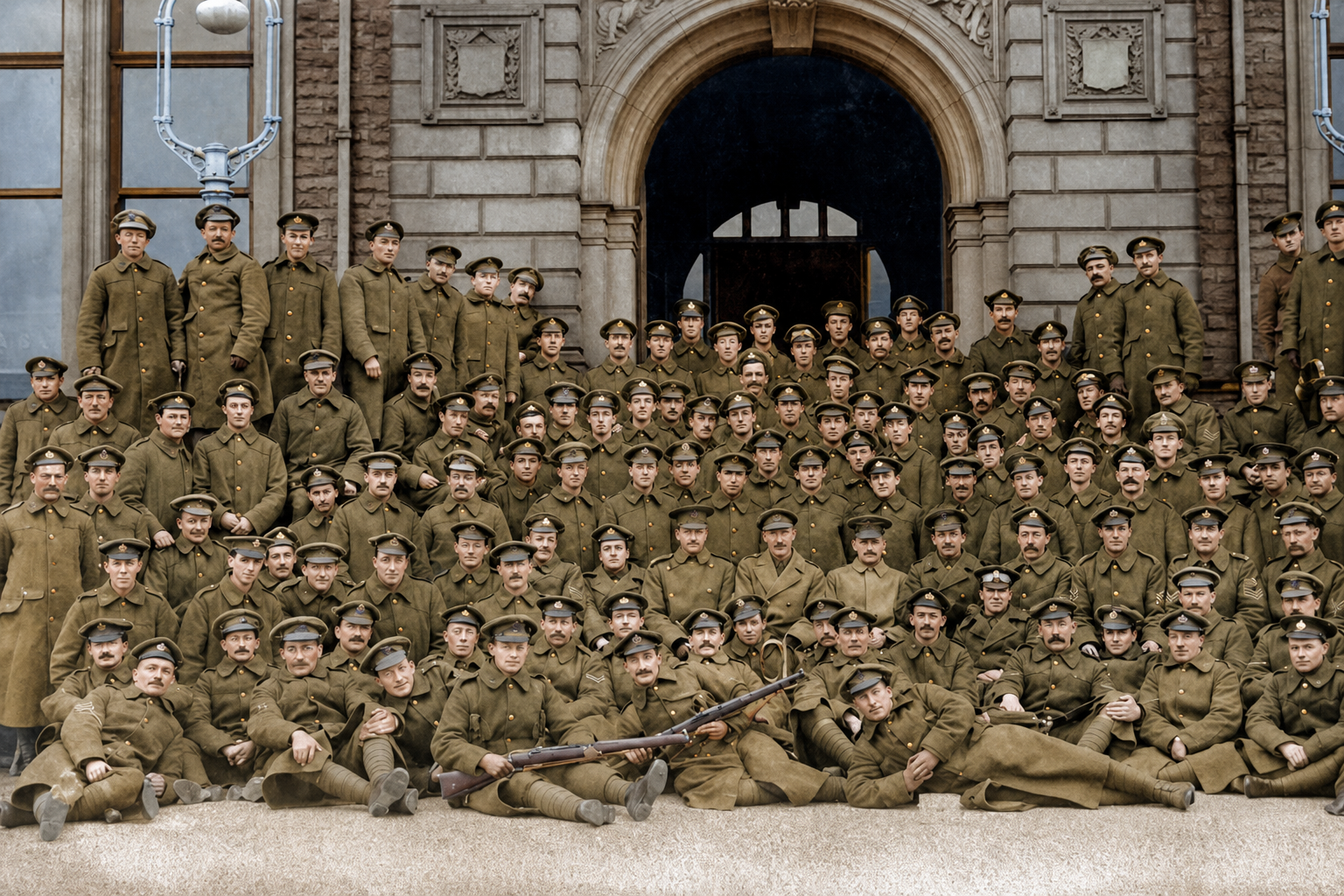
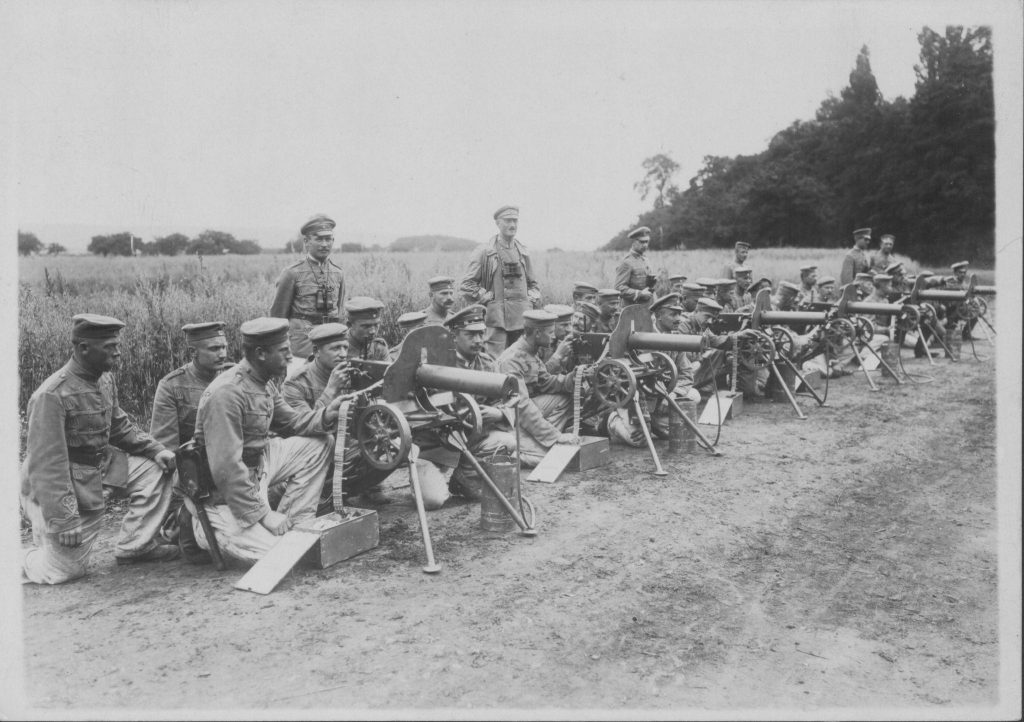
During that war, he served in the Near East with the Inns of Court Regiment before transferring to the Hampshire Regiment and later the Machine Gun Corps. He was wounded in action and his courage was formally recognised when he was mentioned in despatches and awarded the Military Cross. The experience left him with a lasting understanding of the realities of modern warfare.

After the First World War, Street entered public service, becoming principal private secretary to the Minister of Agriculture and Fisheries and the First Lord of the Admiralty. He rose steadily through Whitehall and was knighted in 1938, shortly before being drawn into the senior wartime role that would define his career.
Following WWII, he was appointed Knight Grand Cross of the Order of the Bath and served as Permanent Secretary to the Control Commission of Japan in the aftermath of the Japanese surrender. He later became deputy chairman of the Coal Board.
Street’s wartime service was marked by personal tragedy. One of his 3 sons was murdered while a prisoner of war during the killing of Royal Air Force officers at Stalag Luft III.
At the time of his death, he was described as Sandown Secondary School’s most distinguished scholar.