






























































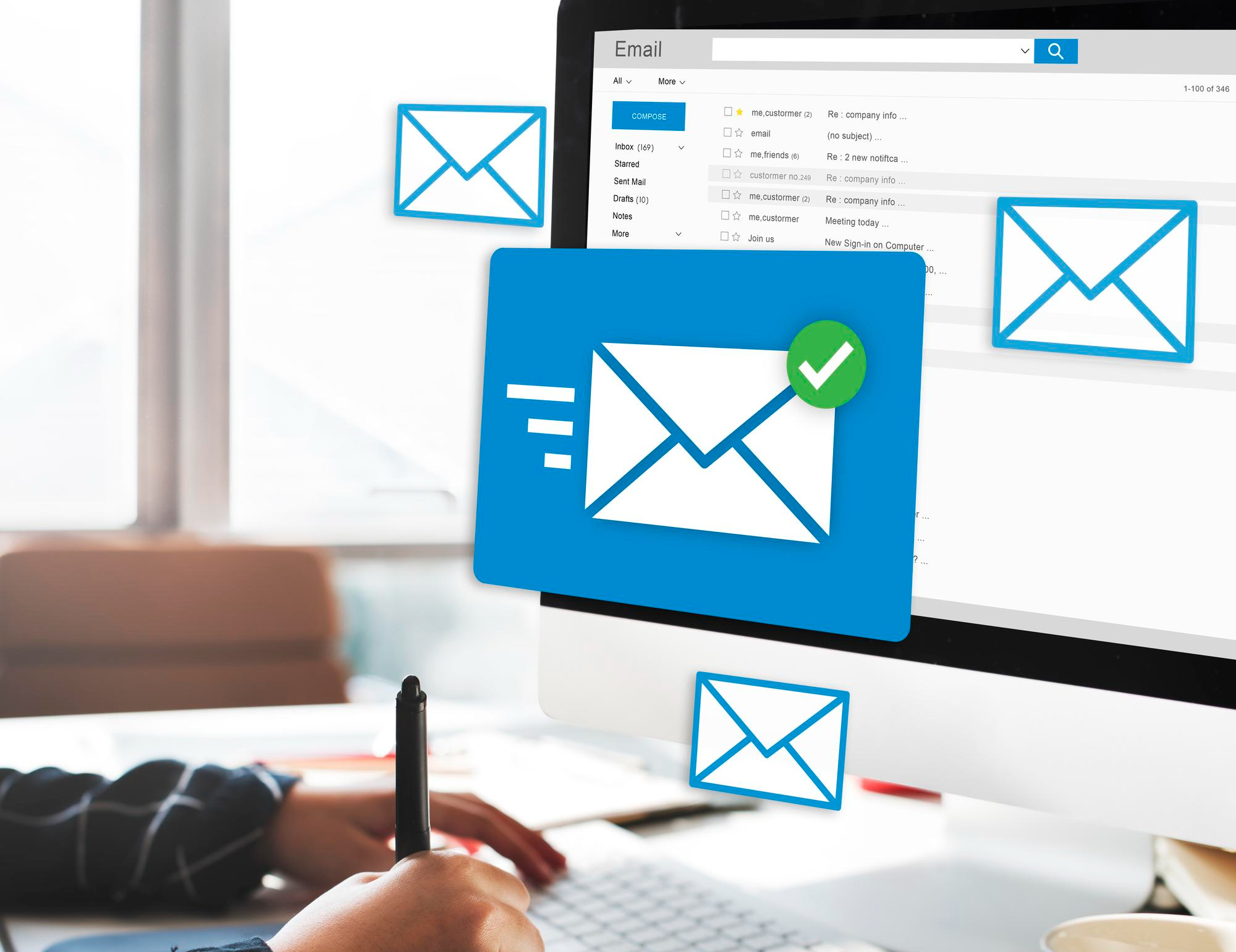

Your digital marketing strategy is more than writing texts that attract people and creating campaigns that sell products. For maximum success, it requires the right visuals at the right time that can awaken something in your target audience, from curiosity to the willingness to explore more about your product. So, the mix between bold colors and images that attract must appeal to your brand image, and the designs you choose for the text position or the small icons also matter more than you think.
We used to know as marketers that it takes about 50 milliseconds for a person to build an initial opinion about a web page, before they even start scrolling and exploring its functions. However, we’ve already reached a new era in which newer generations are moving faster than ever when navigating websites, so your visual strategy must be one of the best to catch their attention. Interestingly enough, your website or social media might be less impactful than an email campaign, so you might want to prioritize its design. Here is how and why.
Email marketing is an exact channel to reach the audience
Reaching your audience through your website proves to be more difficult, especially considering the latest Google updates. On the other hand, social media is getting more and more complex to understand by its algorithms, but email marketing stands among the never-dying strategies that just work.

That’s because it allows you to target the audience precisely by identifying and defining the demographics you’re looking for. It’s easy to forget that every business in this world operates efficiently with the help of email, because we’re bombarded with TikTok shops and marketplaces on Facebook, but an email strategy allows you to talk directly to the customer and personalize it to catch their attention.
How the ideal email design would look
Considering you’ll be working with numerous clients and will communicate through email, it’s necessary to beautify it in a way that appeals to the business world. For example, you should include your logo at the top of the email, select high-quality images among the text, and focus on banner-style images that fill your reader’s field of vision.
The text placement and formatting are also essential because it will please your reader if it flows naturally within the content of the email. Focus on white spaces, headings, and bullet lists that make the text easier to read and comprehend, and try not to overwhelm the content with useless text or tiring images.
Optimize your email campaign for mobile use
Of course, your email strategy should be optimized for both web and mobile, but since nine in ten Americans own a smartphone (yes, even older generations of 65+), we can confidently say that you can reach your target audience more easily if you focus on optimizing the email for mobile.
This can mean improving the preheader text as it’s the first thing the user will see when opening the page, so make it catchy. The content should also be short and effective, with your CTA (call-to-action) in active voice and according to the audience segment. Even your social media icons and CTAs together should be touch-friendly, so large and sizeable enough.

But the best piece of advice we can give you is to test the email campaign looks and messages as much as possible to see what fits and what doesn’t for your brand image.
On writing compelling copy
Between writing your own copy and using automation tools, you must find the equation that hits the right spot and doesn’t sound like automation. As you may have noticed, it’s so easy to figure out if a text was written by a human or a system, but many marketers might think regular readers are not able to seize these differences, which is a huge mistake.
If you want to write copy yourself, you have to remember to strive to be simple. This means having a strong opening, writing clear and concise messages, and having a natural CTA. But if you want to include automation tools, you must use them properly, and by this, we mean train these systems in your style, give context instead of instructions when entering your prompt, and use these texts more as drafts rather than the final plan.
How to work around AI
It is tempting to work with AI everywhere as a marketer, but you can take smaller steps and work around it instead for a more genuine introduction. For example, you can start by optimizing your email workflow so the automation system can send the email campaign content at the right time for every customer. If you generate visual content for the email, make sure to do a thorough check before approving it, because there’s a little backlash going on against AI imagery recently, so you may not be among the brands that flop simply because they didn’t want to collaborate with human artists.
It can be helpful to do some social listening and figure out what people think about specific marketing tactics or strategies, so you can figure out if your target audience will be reluctant to engage with some form of content you create. AI is a great tool if you know how to optimize it, which requires not only time but also knowledge of how the technology operates.
The ideal way of doing things is creating a set of rules and expectations and working with AI to personalize them and scale them at a higher level. You must still take the lead in the decision-making process, which includes AI, human intelligence, and content analytics as well.
Final considerations
The content of your email has the power to move people, but its look is much more important, since they’re the first aspect people notice in the campaign. That’s why you must work on the email campaign’s visual designs by optimizing colors, fonts, images, and even icons, to appeal to a person’s mobile device. At the same time, be careful in how you use artificial intelligence, because it can be a double-edged sword.